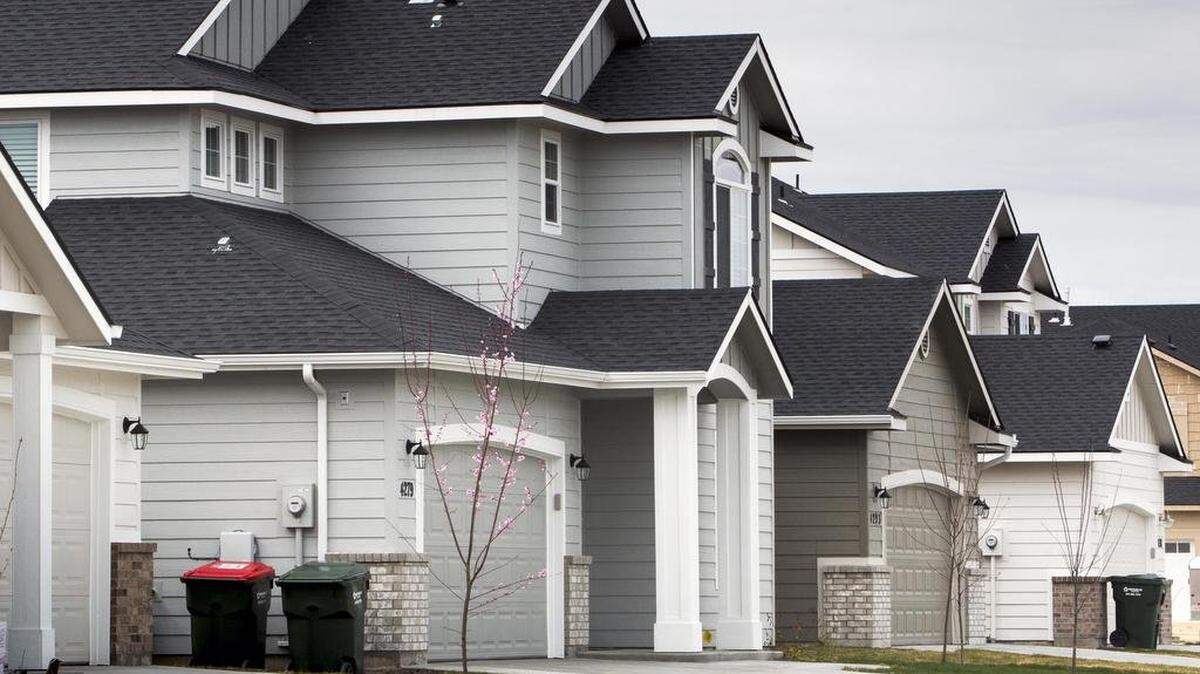
Idaho has an affordable housing crisis. These 9 ideas could help struggling renters
READ MORE
Affording Boise: Rental housing
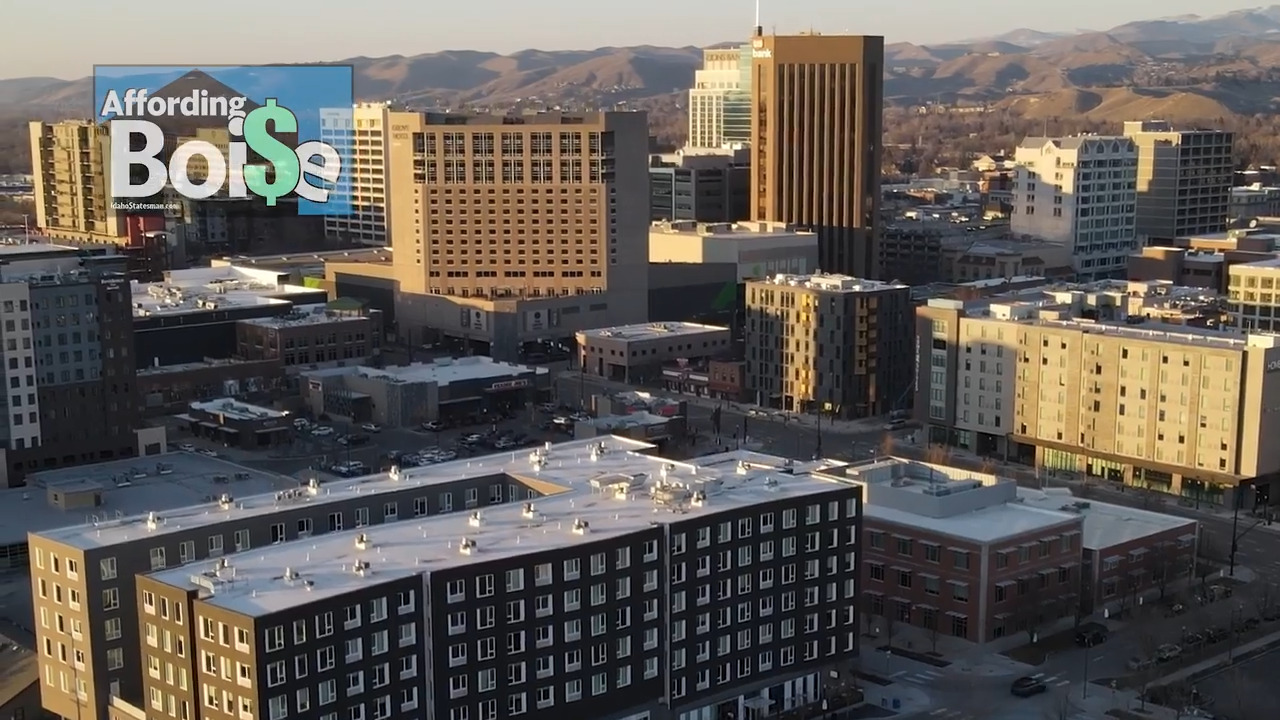
Soaring rents. Skyrocketing home prices. The double-digit rates of increase in the costs of Boise-area housing create increasingly urgent problems for low-income, working-class and even moderate-income Idahoans who need places to live. Affording Boise is a series of Idaho Statesman special reports on housing. This collection focuses on rental homes, including apartments. A separate collection focuses on homeownership.
Expand All
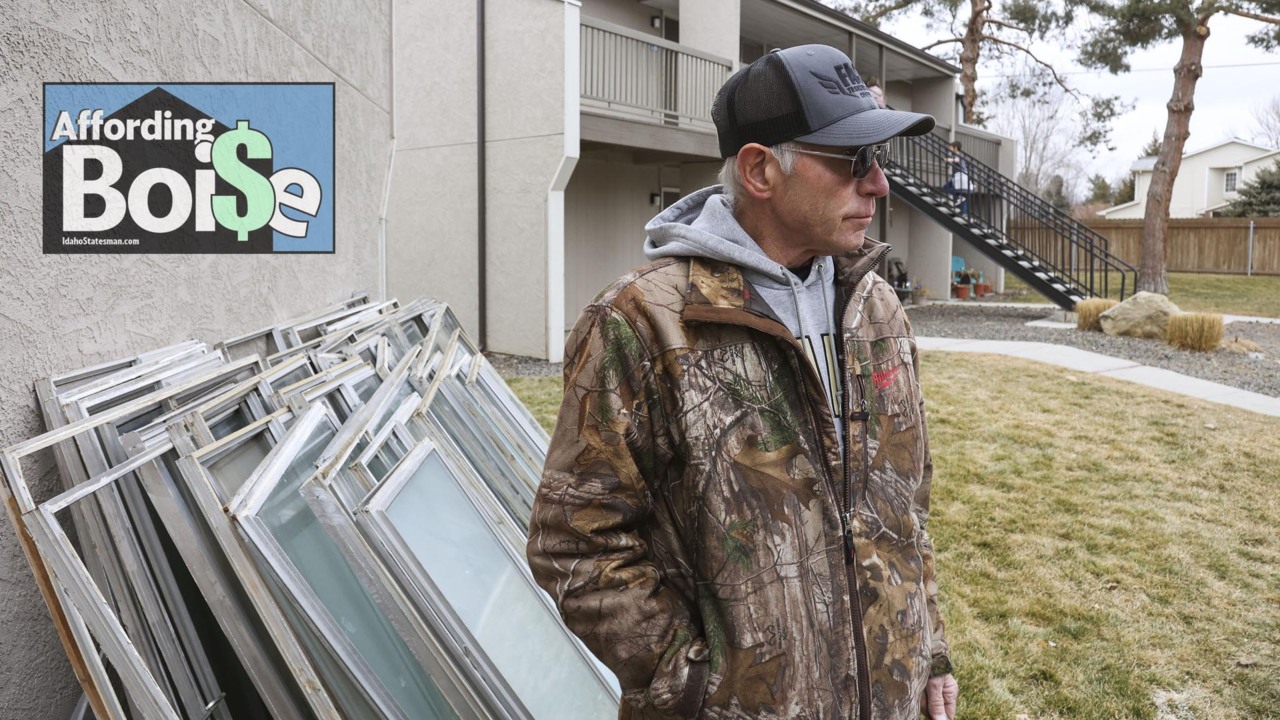
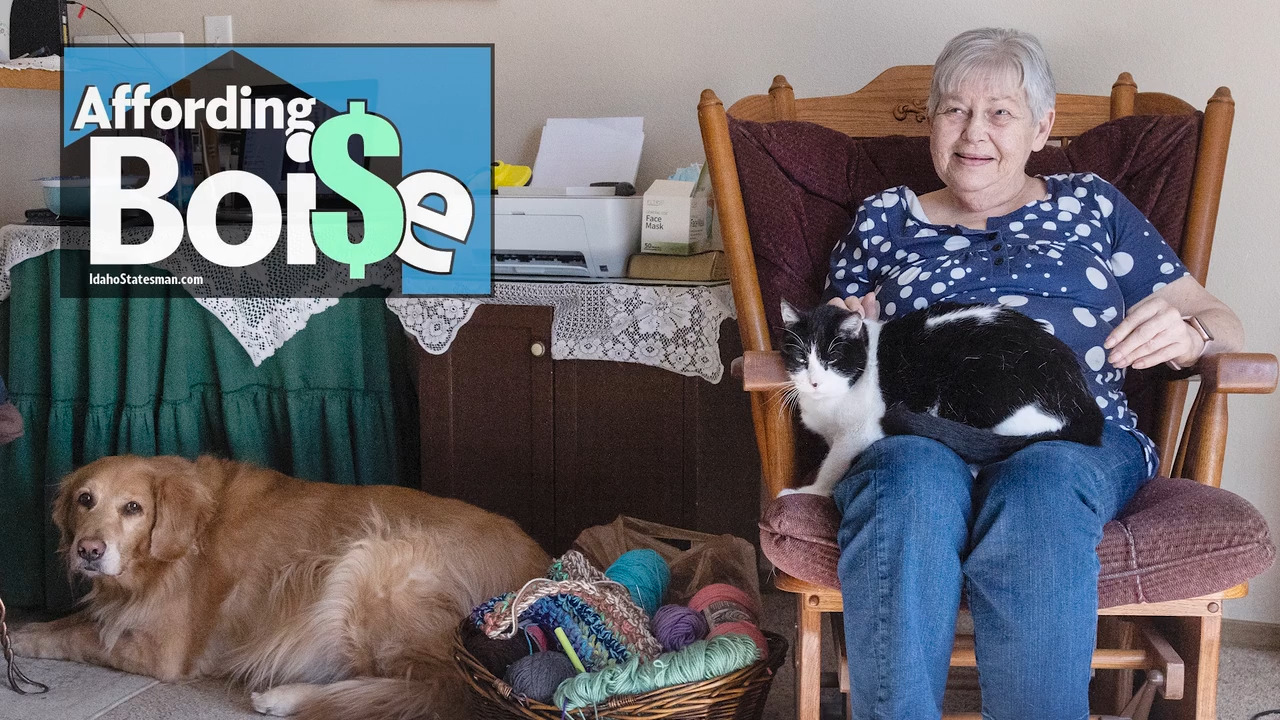
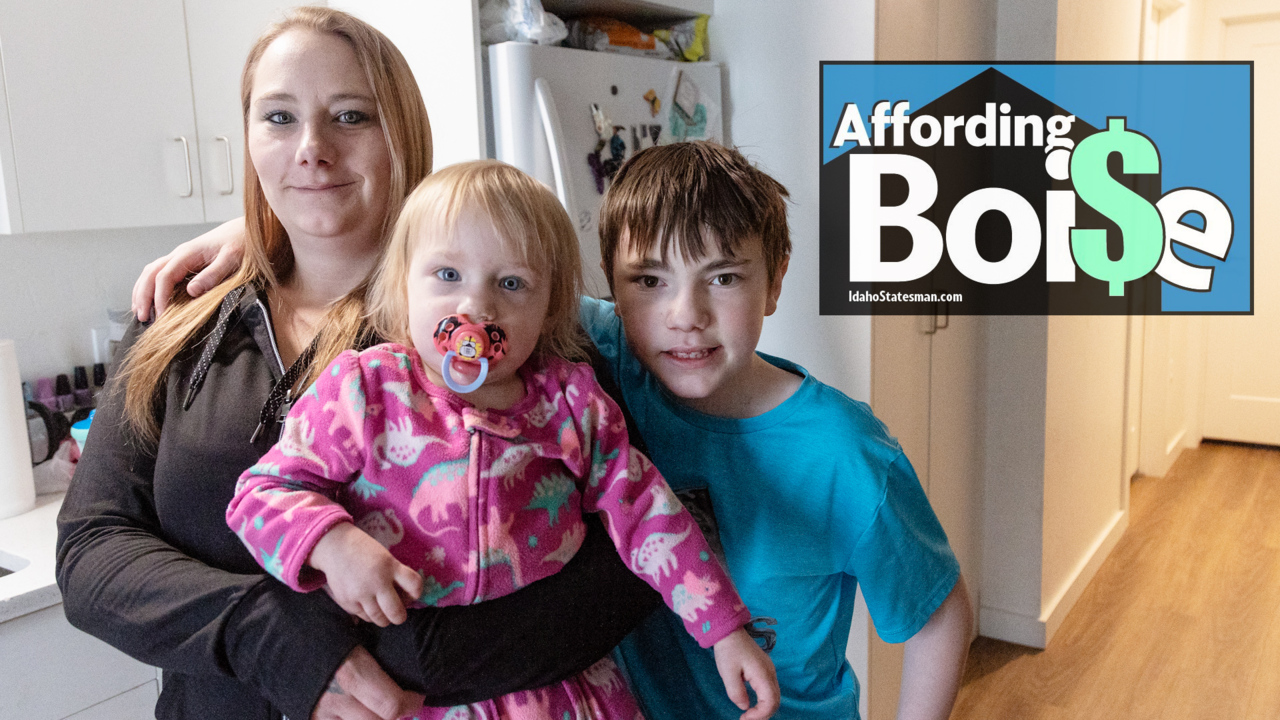
A Boise family lived in their SUV on Federal Way with three young children and three dogs. A Nampa single mother with two children worries each month about paying her rent with a full-time job. A 79-year-old woman on a fixed income struggles with a $700 increase in her rent.
Individuals and families across the Treasure Valley struggle to keep pace with the area’s increasing cost of living, forcing many into precarious housing situations.
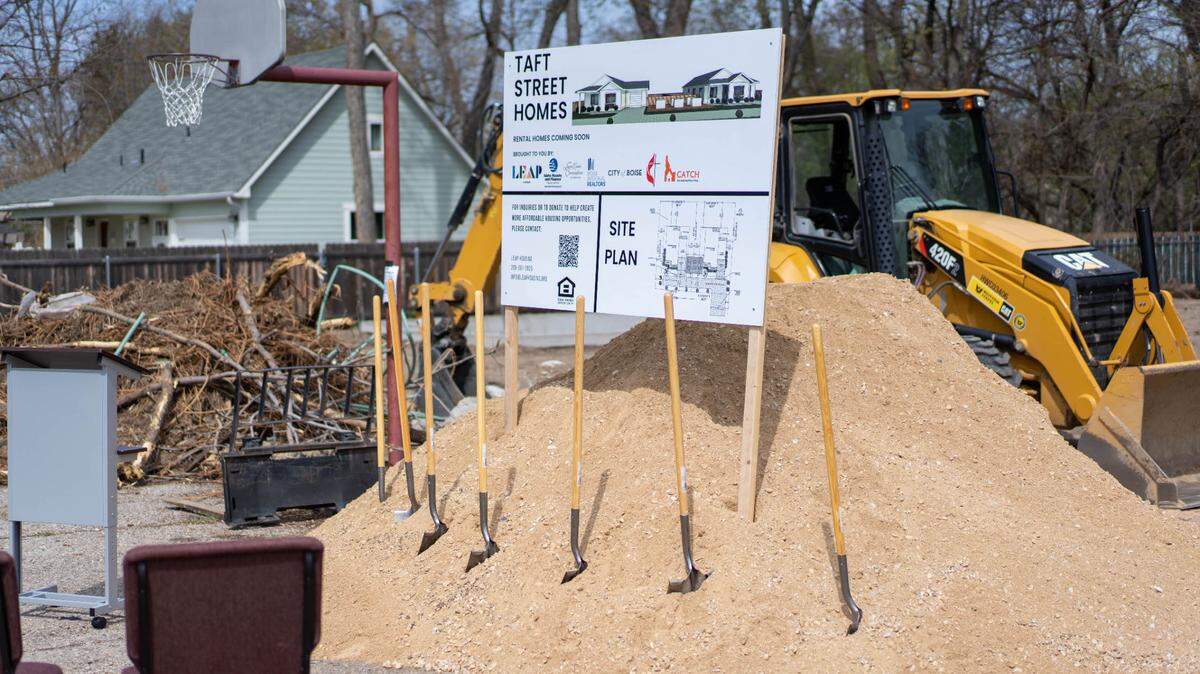
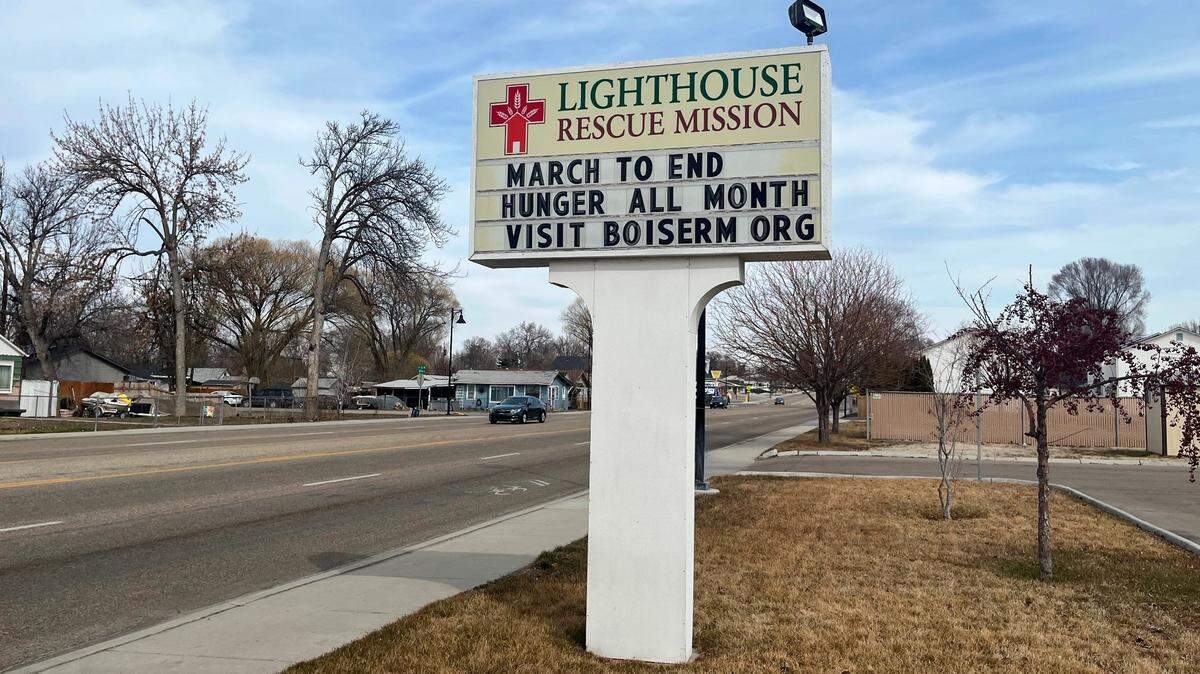
Local nonprofits do what they can to help. Organizations like LEAP Housing and NeighborWorks Boise build affordable housing. Jesse Tree offers financial help to people on the precipice of homelessness, CATCH connects homeless people with housing options, and the Boise Rescue Mission and Interfaith Sanctuary offer emergency food and shelter to those with nowhere else to turn.

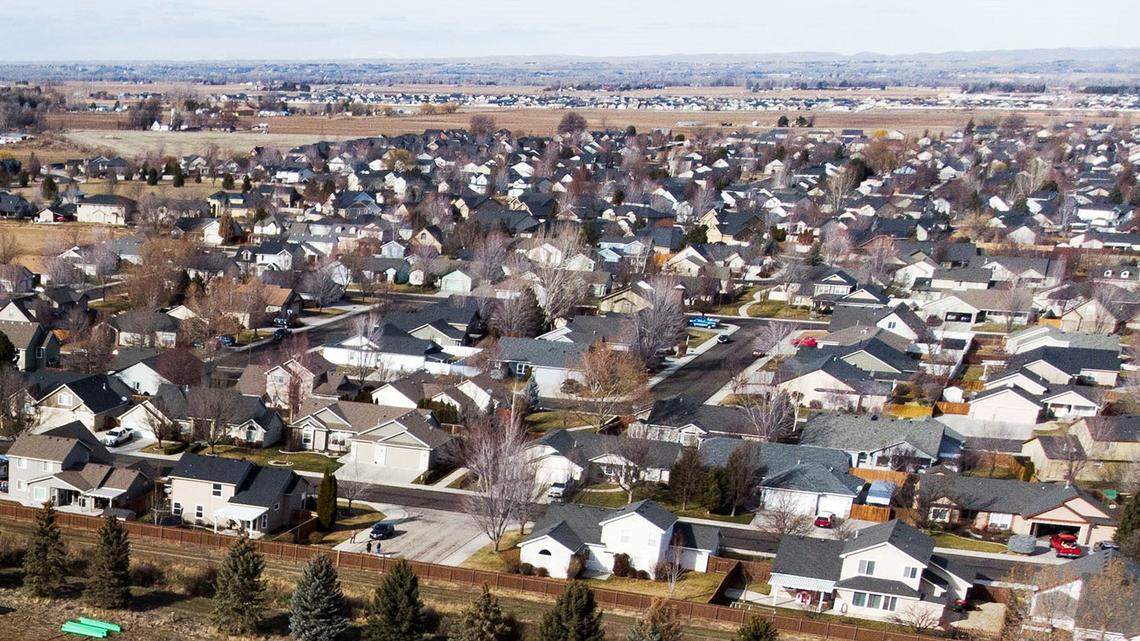
But their efforts fall short of the need. What working-class tenant household, earning $60,000 a year with modest savings, could afford to buy a house today anywhere from Boise to Caldwell? How much household income can those tenants afford to put toward ever-rising rents? From “the most livable city” in the nation, Boise has mutated into the nation’s least affordable city.
What are the solutions? And where the heck are they?
The essence of the dysfunction is supply and demand: too much demand for housing, way too little supply. Over the past few months, in a series we call Affording Boise, the Idaho Statesman has interviewed housing experts and renters struggling to afford the Boise area’s rental prices. Our series will continue, soon shifting mostly to homeownership. First, though, we think it’s time to stop and share nine possible solutions we’ve gleaned from knowledgeable experts about rental housing.
1. Build, build, build
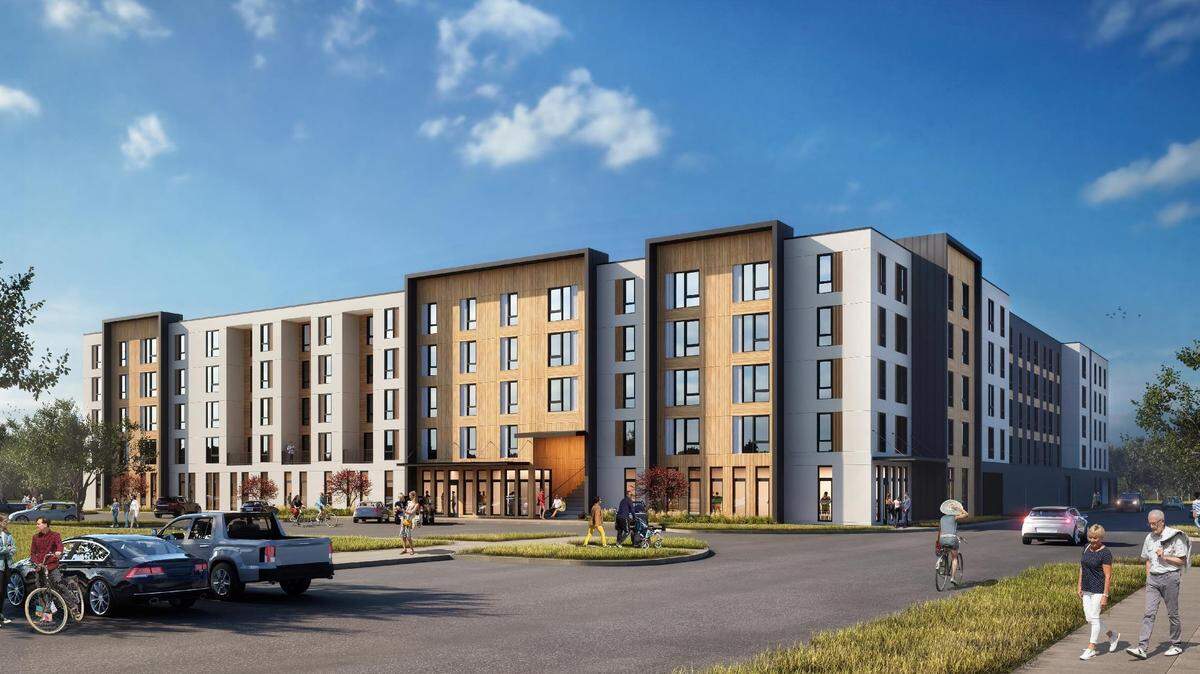
A vast majority of the apartments being built in the Treasure Valley are high-end, expensive rentals, said Jim Tomlinson, a developer with Tomlinson & Associates. But that is not necessarily a bad thing for affordable housing, he said. The more units that are brought to the market, the cheaper units will be, Tomlinson said.
Traditionally, many affordable rentals have been, and still are, old units that trickle down as more affluent tenants seek something newer.
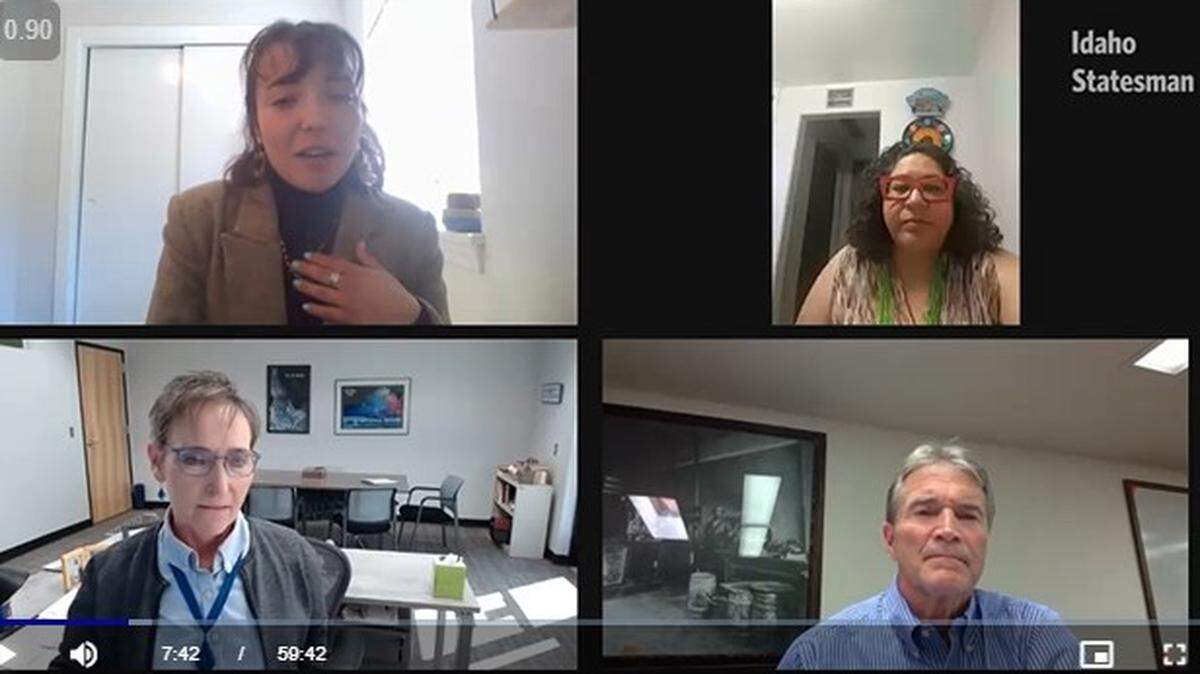
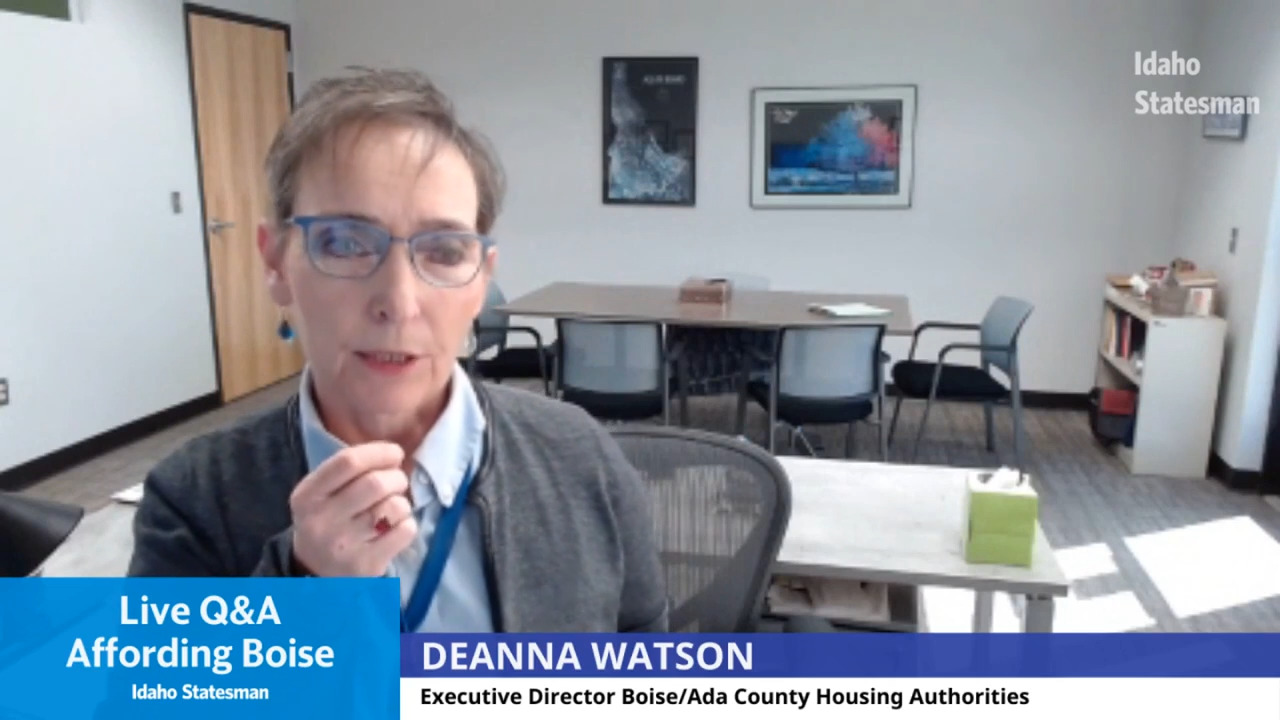
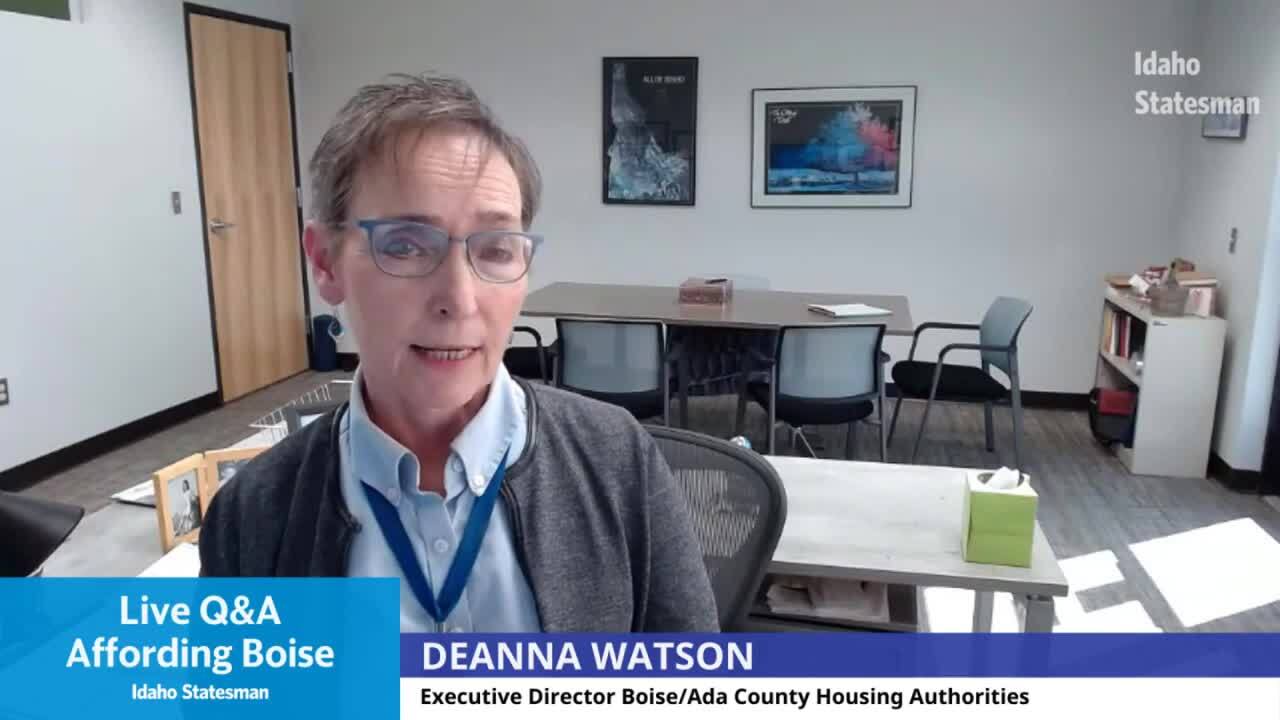
Deanna Watson, the executive director of the Boise City Ada County Housing Authorities, said building has not kept pace since the 2008 market crash. Watson spoke during a Statesman panel on solutions to the affordable housing crisis.
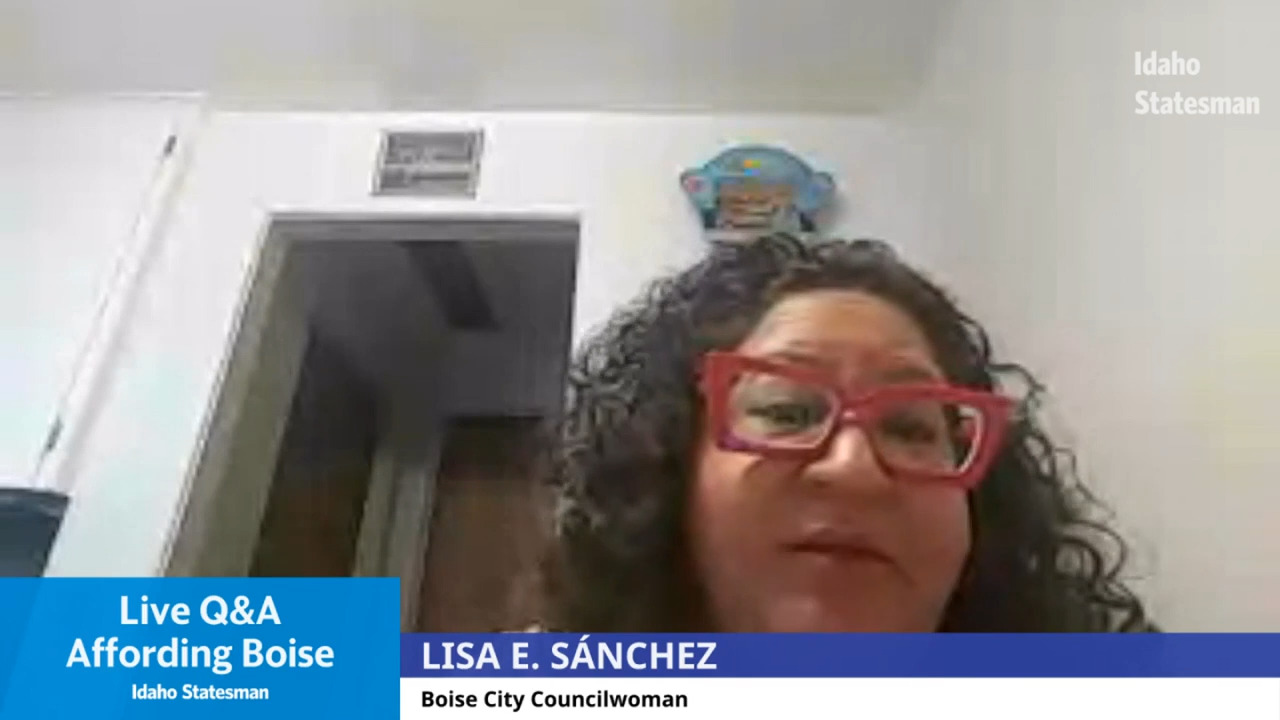
Boise City Councilwoman Lisa Sánchez, who also spoke during the panel, said the city is reworking its zoning code to try to encourage the private market to invest in building more housing of different types.
“The goal of increasing our housing supply is the key to ensure that the often-referenced missing middle of housing types and workforce housing is adequately accounted for,” Sánchez said.
2. Expand federal help
The federal government has multiple programs to make housing available to low-income Americans. Two of the most important are tax credits that developers can obtain and sell, and direct payments to landlords to supplement tenants’ rent payments.
Developers say they need subsidies to build apartments that are affordable to people who make 80% or less of the area median income. The tax credits are a key subsidy. Each year, based on congressional appropriations, the federal government awards Idaho its share of tax credits through the Idaho Housing and Finance Association, which encourages developers to apply for them.
The credits enabled the 134-unit Adare Manor apartments on Fairview Avenue between 24th and 25th streets and the 12th and River Senior Apartments at 514 S. 12th St.
But the credits are in limited supply, and Idaho gets enough for only a few projects each year. In 2020, the association allocated $4.8 million in tax credits to eight projects for 296 new living units, of which 78 were in the Treasure Valley, all in Boise.
The other program, the Section 8 Voucher program, needs work. This program was created by Congress in 1974 to offer an alternative to public housing projects. It subsidizes rent in the private marketplace for renters who make at or below 30% of the area median income. People with Section 8 vouchers pay 30% of their income to their landlord, and the federal voucher makes up the rest.
This program, too, does not meet the demand. In areas like Boise with high rents, the voucher amount often doesn’t keep up with the prices. That is the case in Boise, Watson said.
Watson said in Boise landlords sometimes are boosting rents by $300-400 a month, but the U.S. Department of Housing and Urban Development will raise the voucher amount by $25.
“If there is going to be a program that pays rent for people in the open market, they should find what it is costing for safe, decent affordable housing,” Watson told the Statesman.
3. Give developers land and eliminate local fees
The city of Boise is making city land available to developers through a land trust. The buildings are owned by the developer, but the land remains under trust ownership.
Clay Carley, a developer and manager of Old Boise LLC, said cities could also eliminate permit fees that are required for development applications.
Carley said developers need a 40% subsidy to allow them to build housing for people at or below 80% of the area median income. Eliminating the permit fees and donating land would cover part of that subsidy, though more is needed, he said.
Boise city officials are also trying to provide incentives to developers to build affordable housing, and the city offers waivers of impact fees and financial aid for certain low-income projects. Boise is working on a revision of the city’s zoning code that could boost infill development and help promote affordability.
4. Cap rental-application fees
For renters searching place after place for a home, application fees add up. In 2019, Boise became Idaho’s first city to put a cap on application fees that landlords charge people applying to rent apartments.
Sánchez spearheaded the ordinance that capped fees at $30, required landlords to disclose application criteria, and banned application fees for any tenant moving to another unit owned by the same property owner.
The Idaho Legislature this year nearly made Sánchez’s ordinance illegal. The House passed a bill, HB 443, that would prevent local governments from restricting rental fees, but it didn’t get a hearing in the Senate.
In the House vote, 15 members declared a conflict of interest.
“We see bill after bill after bill that benefit landlords,” said House Minority Leader Rep. Ilana Rubel, D- Boise, in an interview with the Statesman.
“There may be one out of 105 legislators that’s actually a renter, and an overwhelming number that are landlords,” she said.
This effort from the House is what many housing advocates point to when they criticize the lack of effort from the Legislature to protect renters.
5. Put money into Idaho’s housing trust fund
Idaho is one of the only states in the U.S. with an empty housing trust fund, a pool of money that is dedicated to supporting affordable housing developments. Idaho created its Housing Trust Fund in 1992 but it has remained empty, “never had a penny put in it,” Watson said.
“When you look at the other states in the United States of America and the tools that they have created to provide assistance, subsidy, free money, for affordable housing ... Idaho is the one and only state that doesn’t have any tools in its column,” Watson said.
Housing advocates predicted that with tax revenues gushing into state coffers, Gov. Brad Little would propose a budget to add $50 million into the fund. Instead, he set aside $50 million to build workforce housing.
That amount is expected to fund only 300 affordable units across Idaho, “which really doesn’t put a dent on where we’re going,” Carley said.
6. Let local governments ask voters for a sales tax
Other states use these so-called local option sales tax to help subsidize affordable housing. They must be approved by voters. Idaho allows them only in resort towns with 10,000 or fewer people, where purchases by tourists make up a big share of local sales.
In Ketchum, city leaders hope to use the city’s tax to build at least 650 housing units over the next decade, the Idaho Mountain Express reported. Voters there will decide on May 17 whether to raise the tax by 0.75% on retail sales, 2% on lodging, 2% on by-the-drink liquor and 1% on building materials, for housing costs.
Carley said the Legislature should give local governments that aren’t resort towns the authority to ask voters for such taxes, and local governments in the Boise area should use at least some of the revenue to provide affordable housing. Watson agreed.
7. Cut property taxes on low-income housing
Another tool Carley said developers could use toward the 40% subsidy is property tax abatement. But the Legislature would have to change the law to allow it.
Carley believes an affordable housing project that targets low-income people should not pay all of its property taxes, because such projects are usually not making much profit.
Allowing a county or city to provide five or 10 years of property tax abatement to a specific area would encourage the development of affordable housing there, he said.
8. Prohibit landlords from refusing vouchers
Many landlords do not accept Section 8 voucher holders. Rental vacancy rates are extremely low — 1.5% in Ada County and 2.1% in Canyon, according to the National Association of Rental Property Managers — and low-income rentals can be even harder to come by. Landlords often get hundreds of applications and can choose the applicants with highest incomes and cleanest rental histories, rather than applicants with vouchers.
Many states and municipalities have enacted “source of income discrimination” laws and ordinances that make it illegal for a landlord to refuse to rent to a voucher holder.
“It would have to pass at the state level, where there has been a real unwillingness to add anything to our very paltry landlord tenant law in the state of Idaho,” Watson said.
9. Organize a tenants’ lobby
Rubel said Idaho has a strong landlord lobbying group that “tends to get their way on everything.” She would like to see a stronger presence by renters in the statehouse during the session.
“I would love to see renters become more of a political force to be reckoned with,” she said.
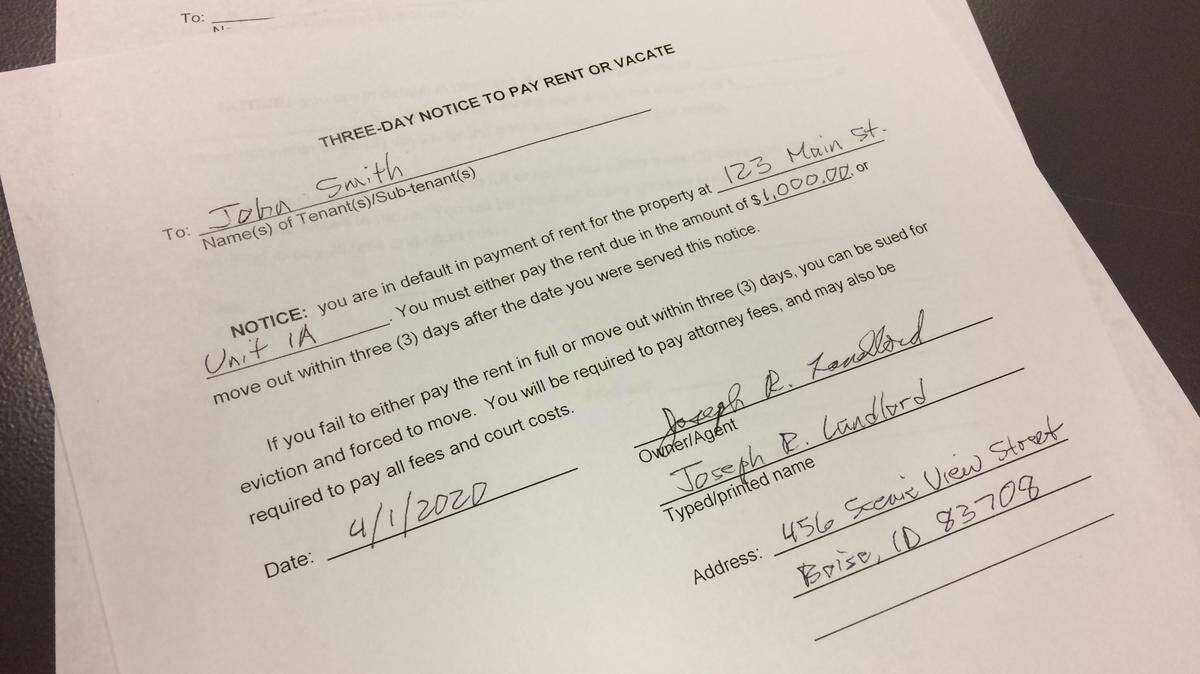
The Idaho Legislature heard one bill to protect renters this year. House Bill 617 would have limited the number of application fees landlords can collect. The goal was to protect renters from landlords who collect fees for profit long after they have filled the apartment or without an intention to rent to the applicant. The bill died in the House.
“We need renters to become more forceful,” Rubel said. “They say if you’re not at the table, you’re probably on the menu. As a result, they have ended up on the menu more often than not.”
Reporters Paul Schwedelson and Ryan Suppe and Business Editor David Staats contributed.
This story was originally published April 27, 2022 at 4:00 AM.