Then vs. now: How Boise’s once-cheap housing market mutated into US’s least affordable
READ MORE
Affording Boise: Homeownership
Soaring rents. Skyrocketing home prices. The double-digit rates of increase in the costs of Boise-area housing until 2022 have created increasingly urgent problems for low-income, working-class and even moderate-income Idahoans who need places to live. Affording Boise is a series of Idaho Statesman special reports on housing. This collection focuses on homeownership. A separate collection focuses on rental homes, including apartments.
Expand All
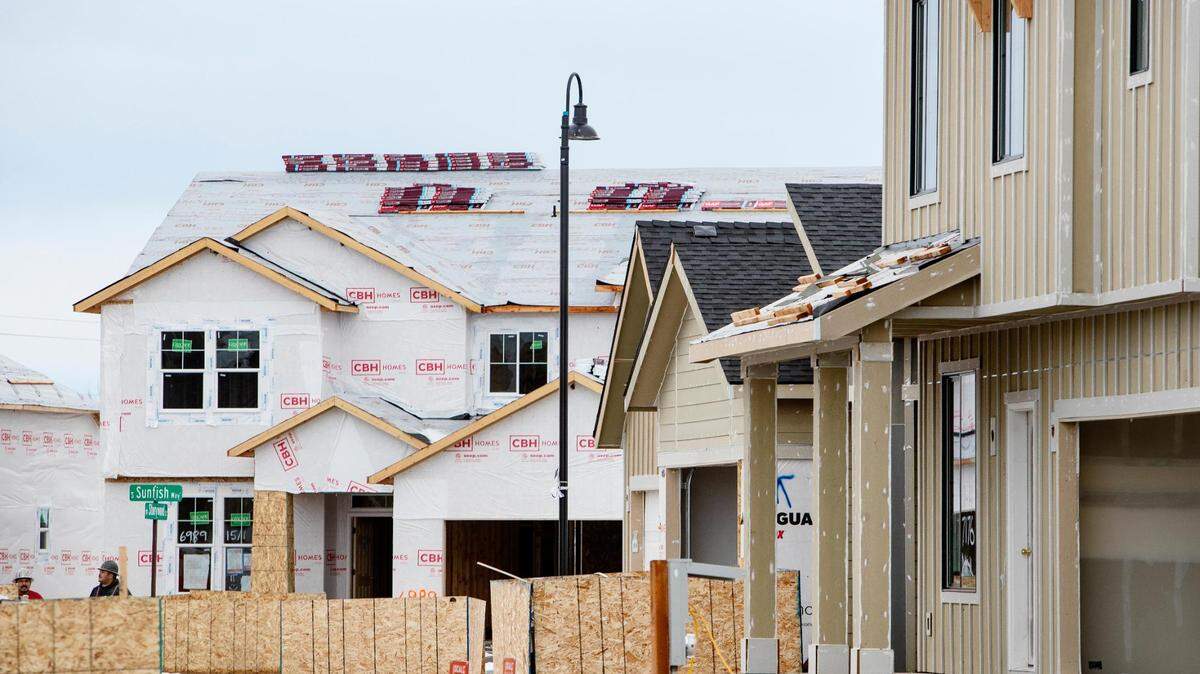
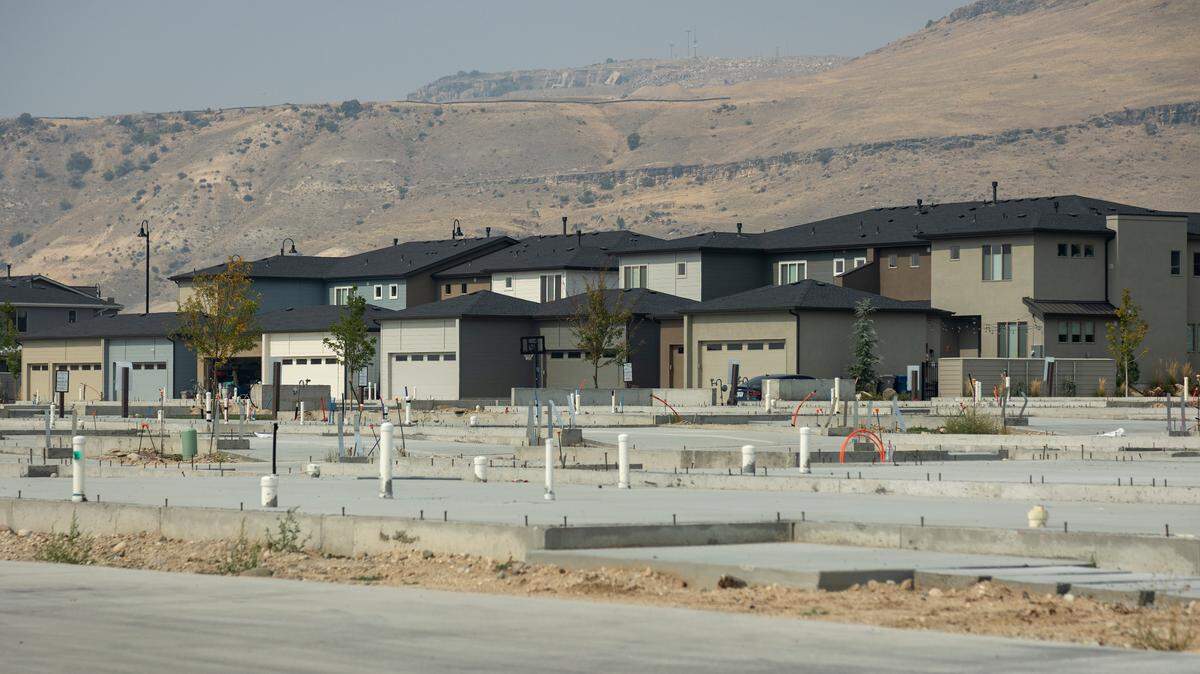
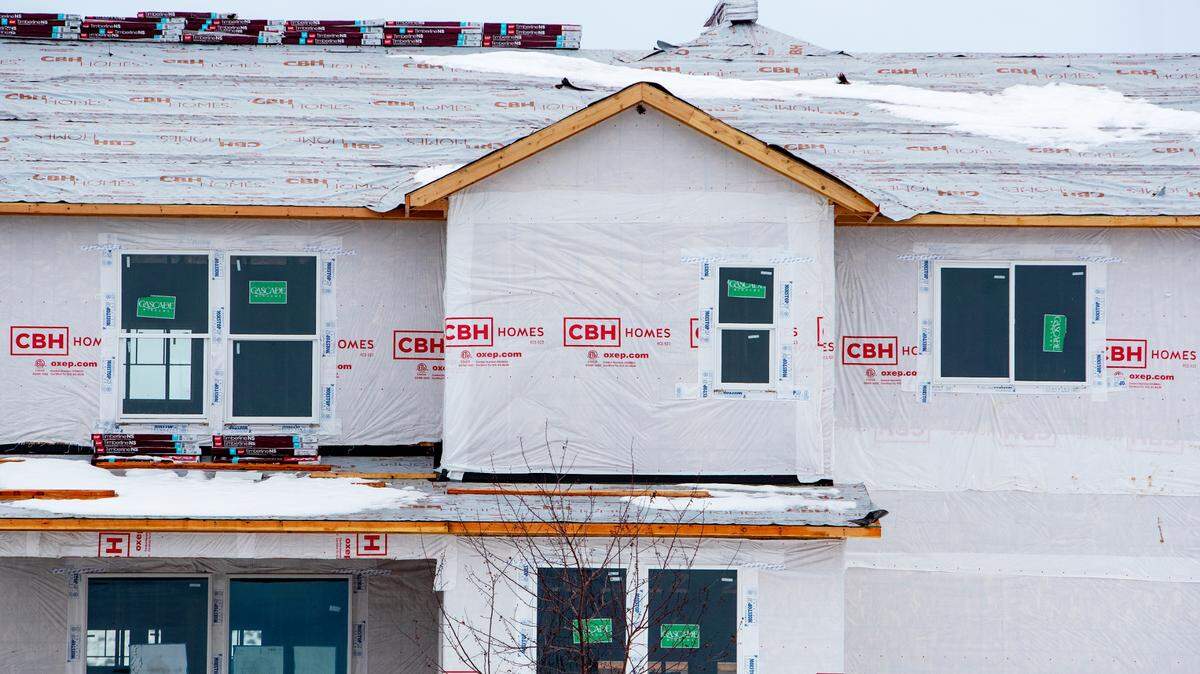
Corey Barton remembers walking through one of his company’s new housing developments in Southwest Boise in 2008. The Great Recession was raging. Homebuyers couldn’t afford monthly mortgage payments. They defaulted on their mortgages. Their homes went into foreclosure, then returned to the market.
Barton, owner of CBH Homes, went to the development for some routine warranty-service checks. Ten homes sold in the previous two months were vacant.
“And then we’ve got an overabundance of houses on the market, and buyers that can’t now qualify,” Barton told the Idaho Statesman in an interview. “And then it’s taken this long to really solve a lot of that.”
Too many houses. Not enough buyers. By 2011, the median price of a home in Ada County dropped to $147,000, according to the Intermountain Multiple Listing Service.
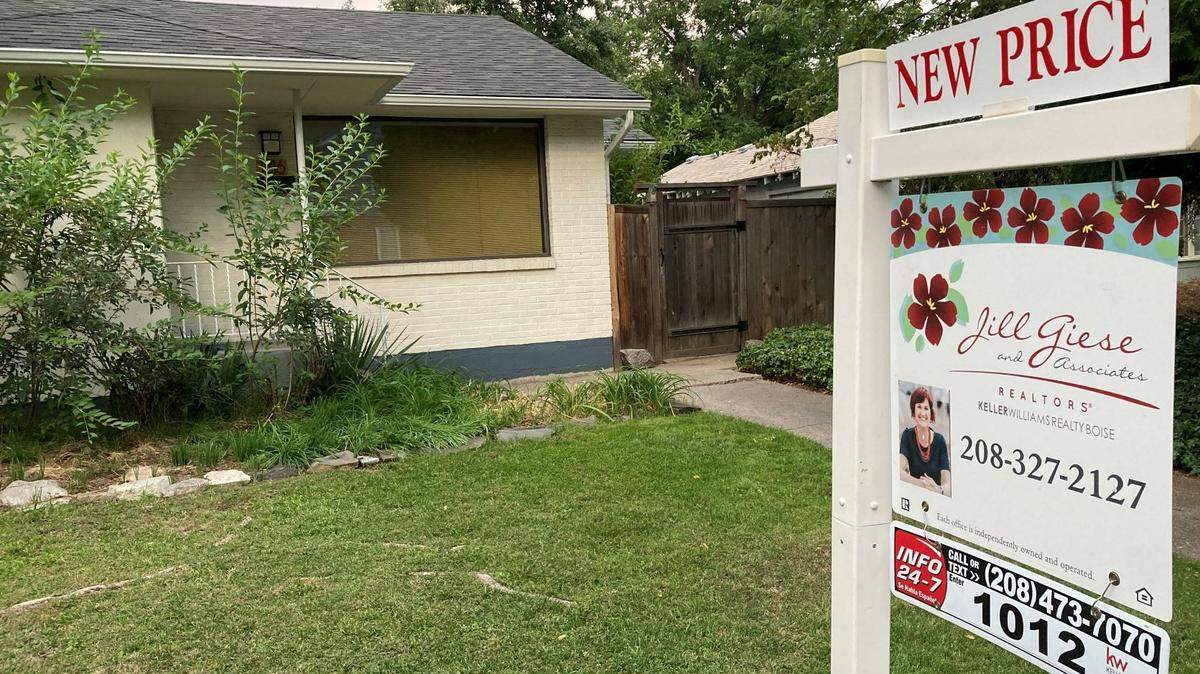
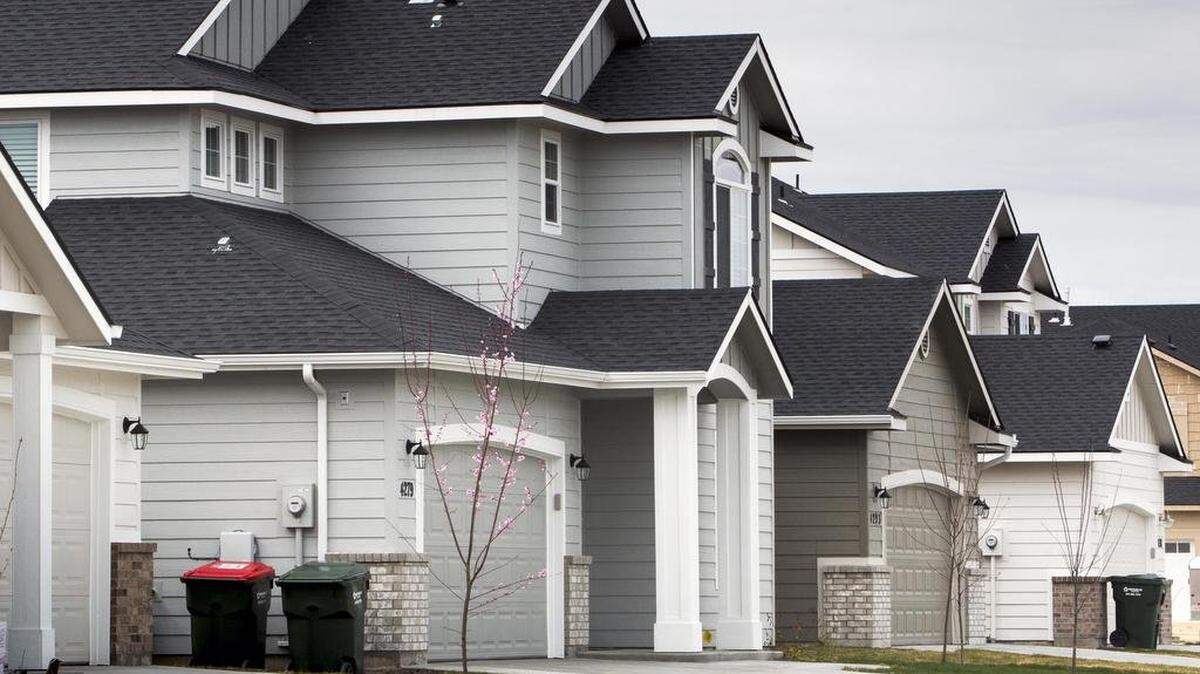
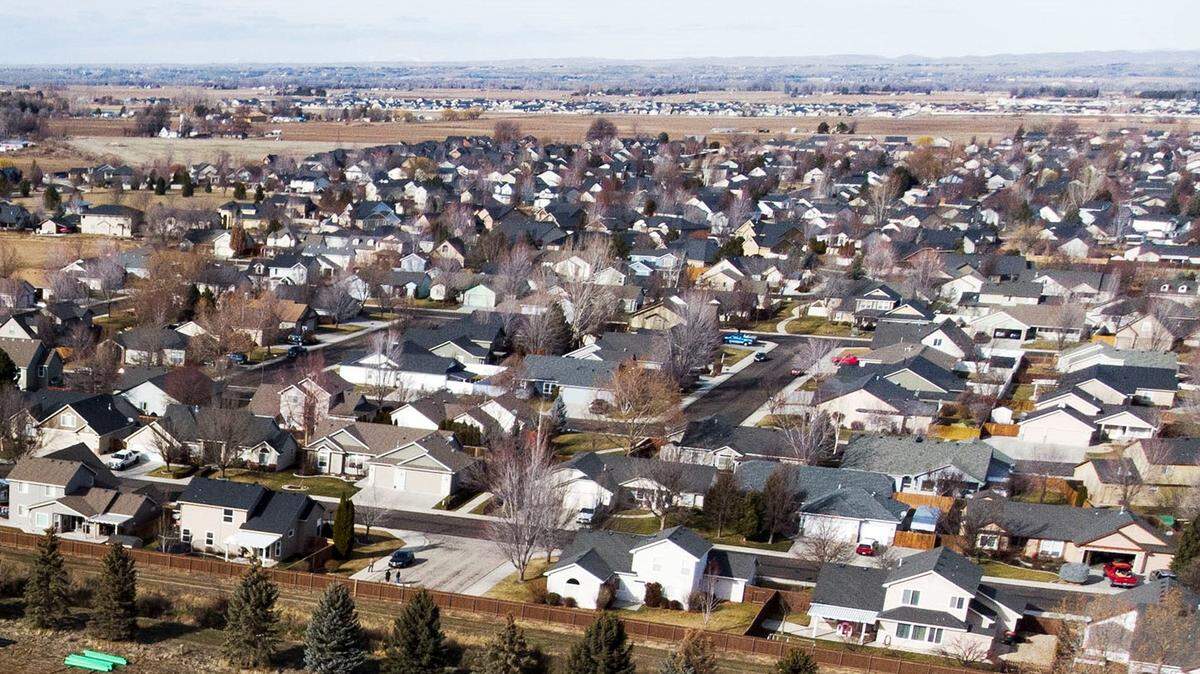
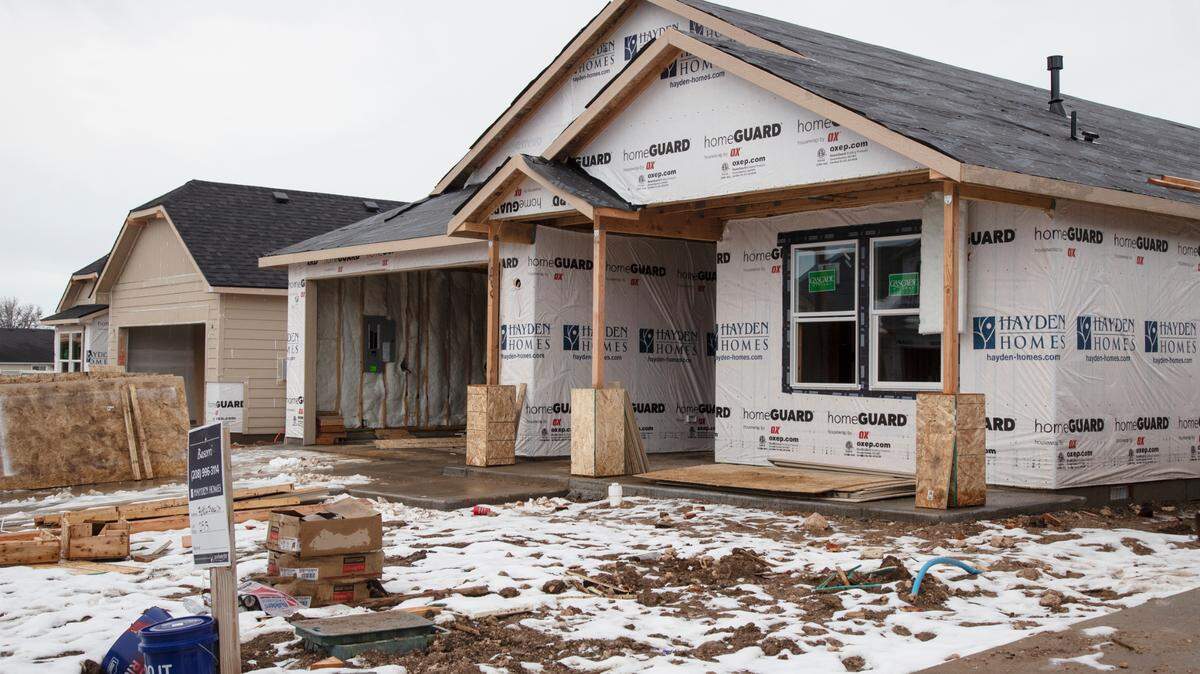
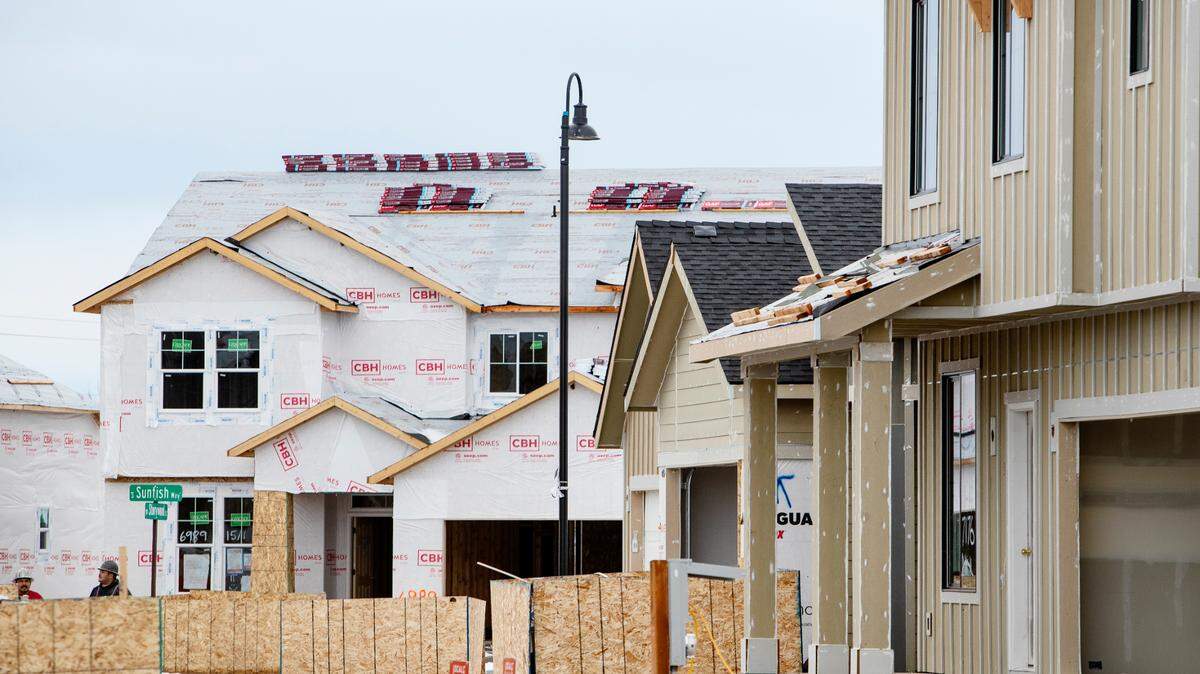
Fast forward 14 years since Barton’s stroll through the empty neighborhood. The Treasure Valley now has a deep housing shortage. The median price of an Ada County home in the first half of 2022 was $579,900. Boise made national news for being the most unaffordable city in the country. People on Idaho incomes can’t afford a house where they grew up.
So how the heck did Boise’s housing market get from there to here? The answers shed light on what went right and wrong, and on what might be done to keep the Boise area from becoming an enclave for the wealthy.
Median home-sale prices in Ada and Canyon counties since 2007. Source: Intermountain Multiple Listing Service
The 2000s: Bubble, then bust
As the new century began, Treasure Valley housing was inexpensive. The median price of a new house in Ada County in March 2001 was $155,000, according to Idaho Statesman reporting then. Existing houses were cheaper at $132,000. The medians in Canyon County were $96,740 and $92,500.
Prices and sales rose the next several years, and home construction boomed.
Don Hubble noticed a shift in the housing market midway through 2006. He’s president of Hubble Homes, another major Treasure Valley homebuilder.
In June 2006, Hubble Homes had only three available homes. All the rest had been snapped up. But then people canceled contracts and orders dried up, Hubble said. By the end of the year, the company had an inventory of 250.
It was just the beginning. Hubble Homes sold 682 homes in 2006. That number dropped each year until 2011, when it sold 57.
“That was the low,” Hubble said in a phone interview.
Barton grew concerned in the mid-2000s once he learned about stated-income loans. His wife explained to him how someone could receive a loan without the lender verifying proof of income.
“As soon as she said that, I was going, ‘Oh no. Oh no,’” Barton said.
CBH Homes sold about 1,500 homes in 2005, Barton said. In 2011, it sold 300. From 2006 to 2011, CBH Homes’ sales fell on average 22% per year over year.
Stated-income loans, risky adjustable-rate mortgages and overall loose lending practices led to the rise in foreclosures, the breakdown of the housing market and the recession. Once people couldn’t pay their lenders and homes became vacant, the system crashed. Homebuilding companies were stuck with houses they couldn’t sell.
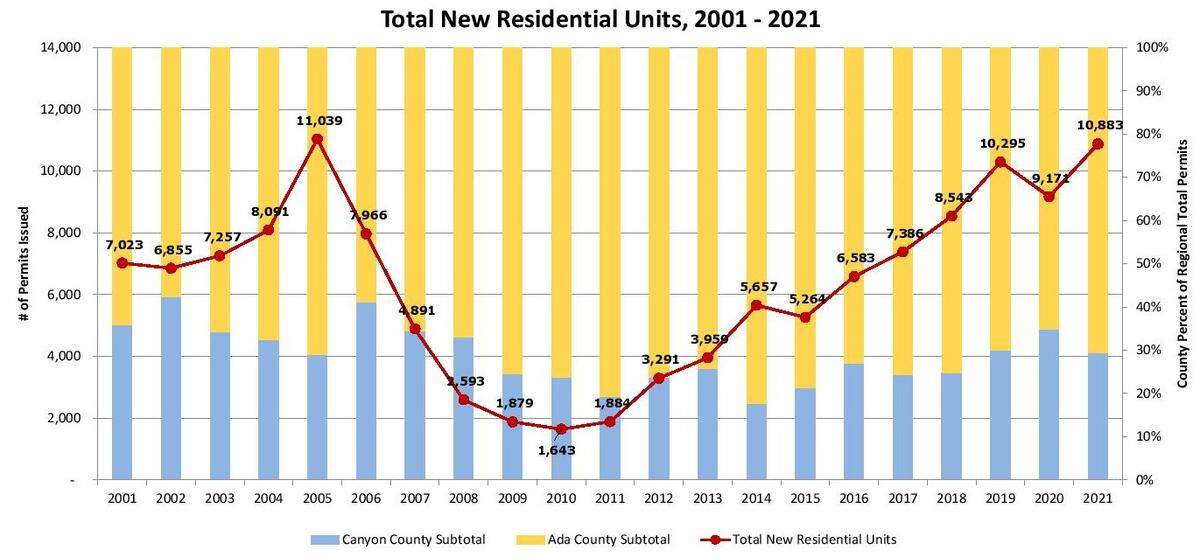
According to the Community Planning Association of Southwest Idaho, there were 11,039 new residential units built in Ada and Canyon counties in 2005. In 2010, there were 1,643.
In 2007, there were 52,000 Idahoans working in construction, according to the Bureau of Labor Statistics. By 2011, there were 30,400.
During the downturn, Barton laid people off for the first time since starting CBH Homes in 1992.
“Traumatic. Uncomfortable,” Barton said. “But also necessary.”
2011-2020: Recovery, rising prices, Top 10 lists
The turnaround can be traced to Sept. 19, 2011. That’s the day then-Boise Mayor David Bieter declared, “It is time for Boise to say goodbye to the hole in the ground,” according to previous Idaho Statesman reporting.
Bieter was referring to the infamous empty patch of dirt on the northwest corner of 8th and Main streets. It had been empty since the Eastman Building burned down in 1987.
Gardner Co., a Utah developer, bought the property less than two months earlier. By early 2014, the Eighth & Main building was completed.
Gardner Executive Vice President David Wali has a photo in his office of downtown Boise from the 1980s. Except for the U.S. Bank building at the southwest corner of Capitol Boulevard and Main Street, there’s nothing but parking lots. Those parking lots used to define the area. That changed in the 2010s, thanks to Eighth & Main.
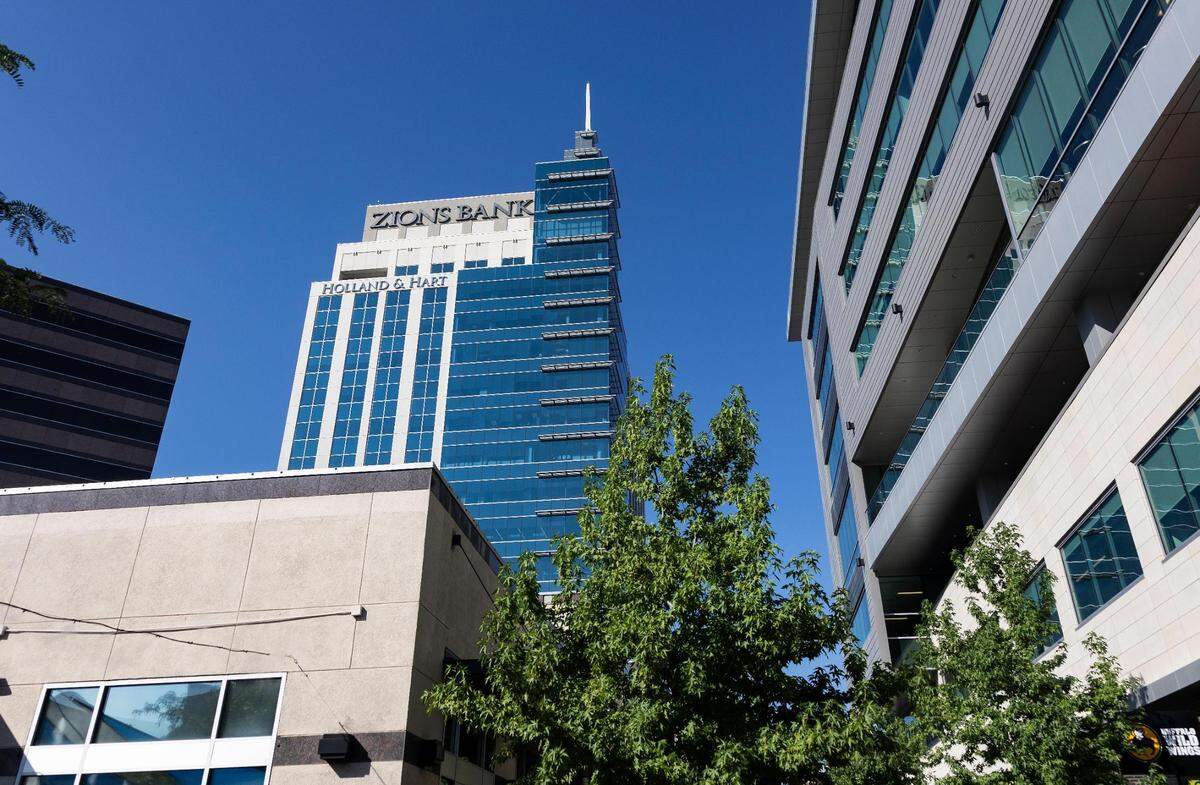
“When Gardner Co. and Zions (Bank) teamed up to build a building at the corner of 8th and Main, it sent a signal to the rest of the developer community and really to the community at large that downtown Boise was worthy of redevelopment and reinvestment,” said John Brunelle, executive director of Boise’s urban renewal agency, the Capital City Development Corp., in a video interview.
Later in 2014, developer Clay Carley completed the renovation of the Owyhee Hotel from an aging historic hotel into an office, apartment and retail building. More downtown development followed.
Meanwhile, Boise became a darling of the Internet’s top 10 lists. The city frequently received praise for its quality of life and outdoor access. In the late 2000s and early 2010s, Boise State University’s football team received national attention for upsetting powerhouse opponents and for its signature blue turf.
As Wali thought about how to fix a city’s downtown, he thought: What would attract people to go on a date there? Were there places to eat? Things to do after work, so they didn’t just go back to their suburban homes?
Wali points to Uber launching in Boise in 2014 as a signal to the outside world that downtown Boise was starting to answer these questions. It meant visitors without cars had another way to get around. Over time, the Boise Airport has added more flights, another bonus.
“It’s all these little things that occurred,” Wali said by phone.
In 2015, the Los Angeles Times featured Boise in its travel section. The headline in print: “Way past those famed potatoes.” The first sentence included a local pronunciation guide: “Boy-C.” The second sentence: “Spend a weekend in this rapidly changing Idaho city and you realize why its downtown has been rated as among the top 10 in the U.S.”
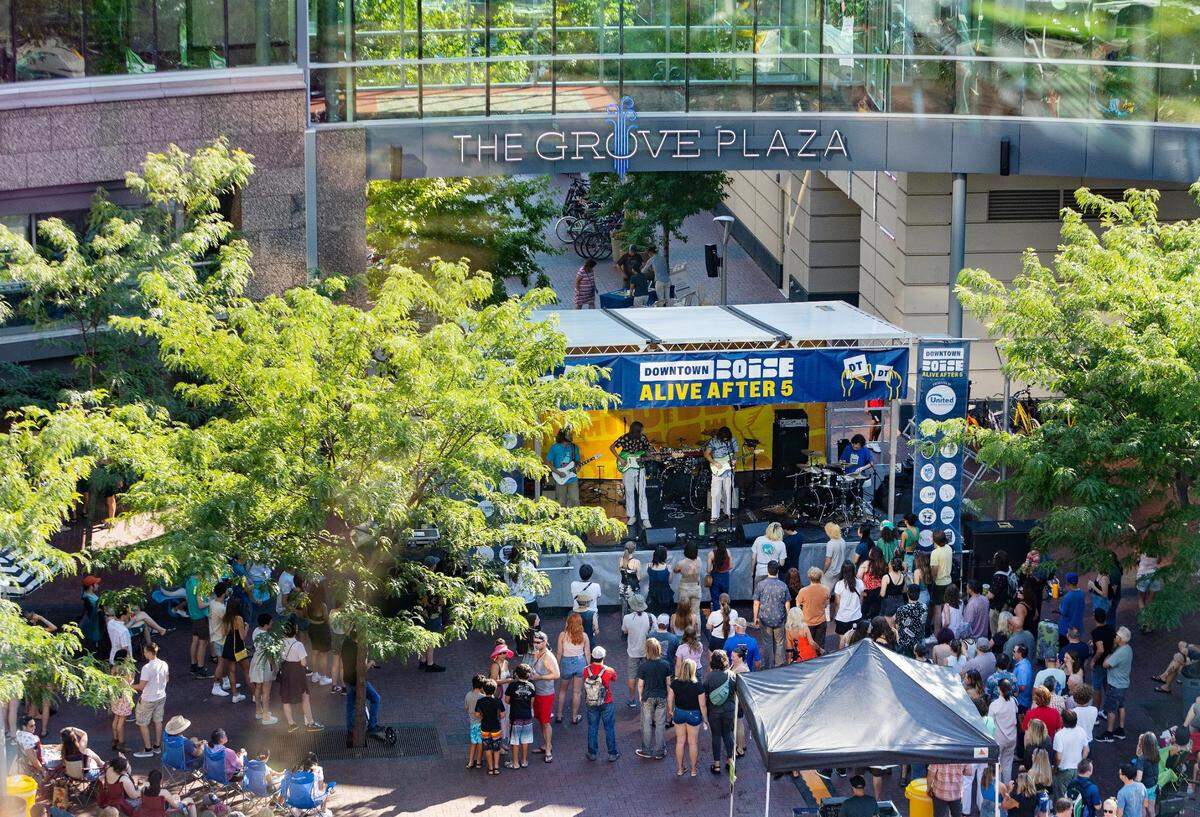
In 2018, Capital City Development Corp. completed its renovation of the Grove Plaza, and the Boise Centre expanded. The urban renewal agency’s 30-year effort to spruce up downtown and create vibrancy had worked. Downtown Boise was attractive.
And so the people came.
Migration to Boise was intense beginning after 2010, Carley said.
Christina Ward, a real estate agent for Keller Williams, said the mid-2010s were years of rapidly rising house prices, when she would see several offers on listings within a few days.
The population of the Treasure Valley, which includes Ada and Canyon counties, grew. A statewide housing analysis by Boise State University said Ada and Canyon counties added over 15,000 newcomers from 2014 to 2019.
Ward said one reason is that Boise is cheaper than expensive coastal cities in California, and Oregon and Washington. Another is migration within Idaho. The city’s largest growth population came from other Idahoans moving to Boise.
Carley guessed that Boise’s job market and bigger-city feel lured younger Idahoans from their rural hometowns. Twin Falls to Boise was one popular migration pattern, Ward said.
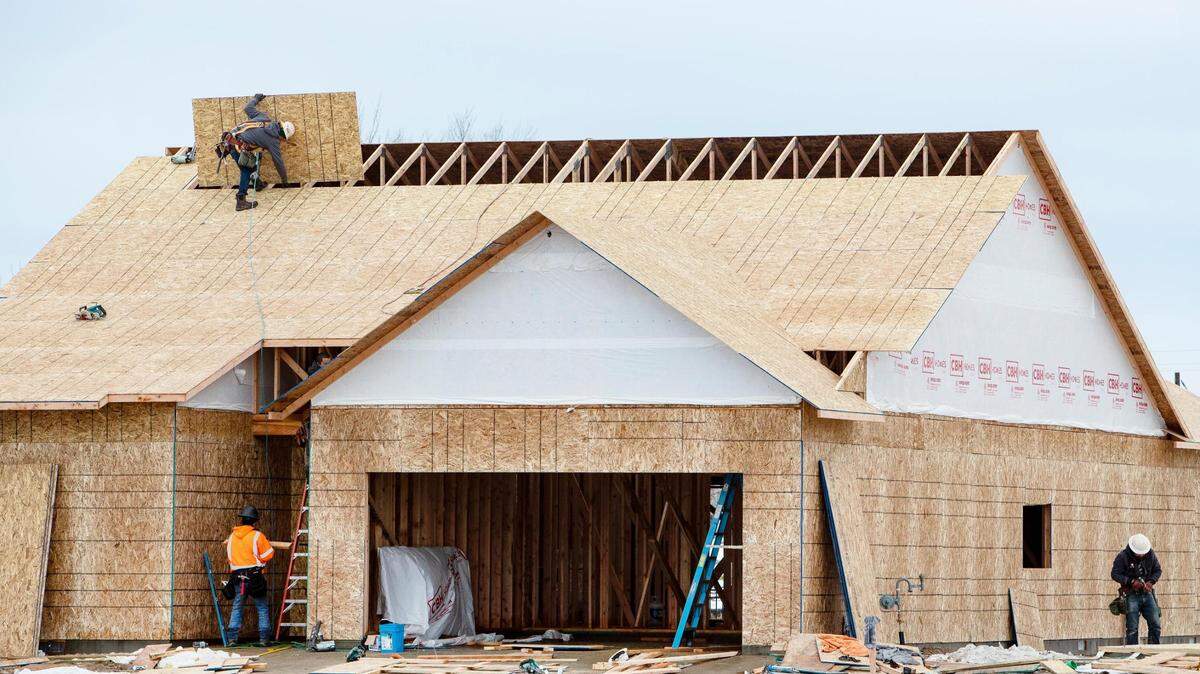
As demand grew for housing, developers recovered from the crash. But they didn’t build fast enough.
“We have less housing because of builders not being in the business anymore or not building quite as rapidly … which is a huge bummer, because we need to see more inventory if we really want to see a market shift,” Ward said by phone.
Vanessa Fry, interim director of the Idaho Policy Institute at Boise State University, studied the building supply issue. She said that in 2008, Boise lost many smaller home builders who could not make ends meet. They lacked the large pools of capital that larger developers had.
“We saw a shift in who the players are in that industry,” Fry said in a video interview.
According to the Boise State housing analysis, Ada and Canyon building permits for single-family homes widely outpaced the permits issued for any type of multifamily units from 2015 to 2020, though multifamily building surged from 2017 to 2020. The data shows a 200% increase from 2016 to 2019 in permits issued in Ada County for multifamily housing developments of five units or more.
Meridian, an Ada County city previously dominated by single-family homes until the post-recession era, gained its first apartment complex after the recession. By 2017 several developers had large-scale apartment complexes in the works.
About the same time, out-of-state developers discovered Boise, building apartments downtown and subdivisions around the Valley.
By 2018 and 2019, Ward said real estate agents expected the demand for housing to cool. Then COVID-19 hit.
2020-2022: Pandemic, Zoom and frenzied buying
In the pandemic’s first two months, Ward worried. Everything was shut down, including real estate offices. No homes were being bought and sold.
Once real estate offices reopened, the housing market blew up. Aided by low interest rates and federal COVID-19 stimulus money, some big-city people who worked remotely decided to move to smaller places and substitute Zoom for in-person meetings. Others decided to retire early and move here.
“I think a big part of it was all of a sudden the cities shut down,” Carley said. “It’s barren, it’s dead. And it just felt like: ‘Why am I here? This is kind of hellish, and I don’t have to be here. I’m going to move.’”
Average-income Boiseans already had been priced out of the local market. Newcomers with big incomes and houses even costlier than Boise’s considered Boise a bargain. Many of them had so much cash, they didn’t need mortgages.
“That kind of fluffed our market to be even greater than it should have been,” Ward said.
Summer 2020 brought a “frenzy” of buying and selling, Ward said. Bidding wars broke out, with five to 20 offers on a home.
From September 2020 until August 2021, more than half of all homes sold in Ada County sold for more than the list price, the Idaho Statesman previously reported. Those homes sold for an average $35,000 over their asking prices, according to Boise Regional Realtors, even as the asking prices kept rising.
“There (were) extremely low interest rates and extreme migration from Washington and California in other parts of the country,” Ward said.
The pandemic broke supply chains, causing increased prices for building materials. The cost of construction became “sky high,” Carley said.
Barton, the homebuilder, said he had to pass rising costs to buyers. Fast-rising sales prices helped boost profits at first, he said, but high costs eventually overtook them.
Barton said builders would start on a home, then stop.
“I can start but I can’t finish, because I don’t have the materials, or all the materials that drove up prices as well,” Barton said. “But also, the time that all those delays cost adds onto the cost of the home, but it doesn’t necessarily bring value.”
Then came 2022.
At first, this year felt like last: a white-hot market. “Buyers are once again starting to find themselves in fights in a seller’s market,” the Idaho Statesman reported in February.
But the end was near. Consumer prices, which had begun edging up after four decades of 2%-or-less inflation, jumped in March to 8.5% as labor and materials costs surged and the war in Ukraine pushed gasoline to record highs. The Federal Reserve swung into action, determined to defeat inflation by ramping up interest rates.
That drove up mortgage rates. And that made home purchases so expensive for noncash buyers in Boise and elsewhere that many fell away.
Boise’s market went from white hot to red hot to simply hot. In May, agents reported declining buyer interest even as one neighborhood, Boise’s North End, reported the Valley’s first $1 million median price and the Ada County median set yet another record at $595,000.
“I’m not getting offers,” one agent told the Statesman, an ominous omen for sellers. “Nobody is coming to my open houses.”
By June, mortgage rates, historically low in the 2%-3% range in 2020 and 2021, had climbed to 5%. Buyers in the Boise area were giving up. The unsustainable market had ended.
Now, in August, the market is still warm, technically a seller’s market, with less than a six-month supply of homes for sale. Nonetheless, at the end of July, 2,408 homes were listed for sale, a 128% increase from July 2021. This past month was also the fifth consecutive month with fewer sales than in the same month of 2021.
The median price of Ada County homes has declined in each of the past two months. Boise’s record prices are history.
Looking back: What went wrong?
No one predicted that the 2008 financial crisis would hinder housing construction for a decade or longer. No one predicted that COVID-19 would draw so many remote workers to Boise.
Not until 2019 did the number of construction workers in Idaho return to its 2007 level. While the number of new residential units has increased each year since the 2010 low, it’s yet to return to 2005’s level of 11,000 in a year, even though the Valley’s population has grown 34% since then.
Fry and other real estate experts routinely point to the shortage of units as a crucial cause of skyrocketing prices.
“We never got caught up on that lost housing stock, but we still experienced population growth,” Fry said. “That number of needed units on an annual basis was getting bigger, because our population was growing. And so we were behind already and got way behind.”
Barton and Hubble don’t think the decrease in building 10-15 years ago led to the housing shortages today. They did what they had to do for their businesses to survive.
Even today, with Ada County’s median home price of $589,990, someone who sells a Bay Area home for over $1 million can easily move to Boise and save money, Ward said.
“We treat housing as a market commodity. In our country, we’ve determined it’s a private good,” Fry said. “And so then it becomes capitalism that really drives the cost. That’s the challenge we’ve faced in the last decade in the Treasure Valley.”
Looking ahead: Solutions, predictions
Some housing experts and advocates suggest a number of local and national solutions to the affordability problem Boise faces.
Supply and demand tell us that the more homes that are brought to the market, the cheaper housing will be, as long as the number of people needing housing doesn’t grow even faster. More homes for sale should bring down prices. Ward said she is starting to see this as Boise’s high house prices and rents force people to cheaper areas.
“Maybe more people will decide to finally sell, because it’s more of a friendly time to buy, and that would be awesome, whether they’re moving across town or moving out of state,” Ward said. “We need more sellers.”
She thinks Boise will eventually curb the inventory shortage.
“Even the worst of all times, looking at the historical graph, the very worst of all times, we still recovered,” Ward said. “Real estate always recovers.”
Moody’s Analytics, a financial analytics firm, predicts home prices in the Boise area will drop 4.3% from the fourth quarter of 2022 to the fourth quarter of 2023, and 2% from then until the fourth quarter of 2024, according to Fortune.
Boise rents dropped 0.2% in July, according to Apartment List, but the one-month decrease is not enough to indicate a trend.
One suggestion for moving the process along to make housing more affordable is to expand one of the few programs that subsidizes affordable home building. The Low Income Housing Tax Credit program allows a private company to invest in multifamily affordable housing projects in return for tax credits that reduce the company’s federal taxes. The federal government gives each state tax credits based on population. Each state then selects projects that get the credits.
The tax credits enabled the 134-unit Adare Manor apartments on Fairview Avenue between 24th and 25th streets and the 12th and River Senior Apartments at 514 S. 12th St.
But the credits do not cover the entirety of a project, the Statesman previously reported, and many local advocates and national coalitions have called for expanding federal help as building and land costs rise. Developers say without federal help, building affordable housing is not profitable.
Local governments can help. Boise Mayor Lauren McLean announced in February that she plans to partner with developers to build 1,250 affordable apartment units in the next five years. The city of Boise has dedicated city-owned land for affordable housing and encouraged developers to create affordable housing.
Carley previously told the Statesman that cities could also eliminate permit fees that are required for development applications for affordable housing.
Boise city officials are also trying to provide incentives to developers to build affordable housing, and the city offers waivers of impact fees and financial aid for certain low-income projects. Boise is working on a revision of the city’s zoning code that could boost infill development and help promote affordability.
The city’s urban renewal agency is using some of its property-tax revenue to promote affordable rentals downtown, such as in a 48-unit apartment development going up now in the 1700 block of Idaho Street.
Boise will remain popular for all its attributes. A sense of safety. The ease of getting around. The Foothills and their trails that draw outdoor lovers.
“If you visit here and you fall in love with Boise, those are some of the reasons,” Brunelle said.
The challenge is not to restrict those only to people who can afford half-million-dollar or costlier houses.
Business and Local Government Editor David Staats contributed.
This story was originally published August 17, 2022 at 4:00 AM.