
15 parks. 4 new libraries. Fast growth, soaring home prices. How Bieter changed Boise
Sixteen years ago, when David Bieter was sworn in as mayor, Boise was a much different city.
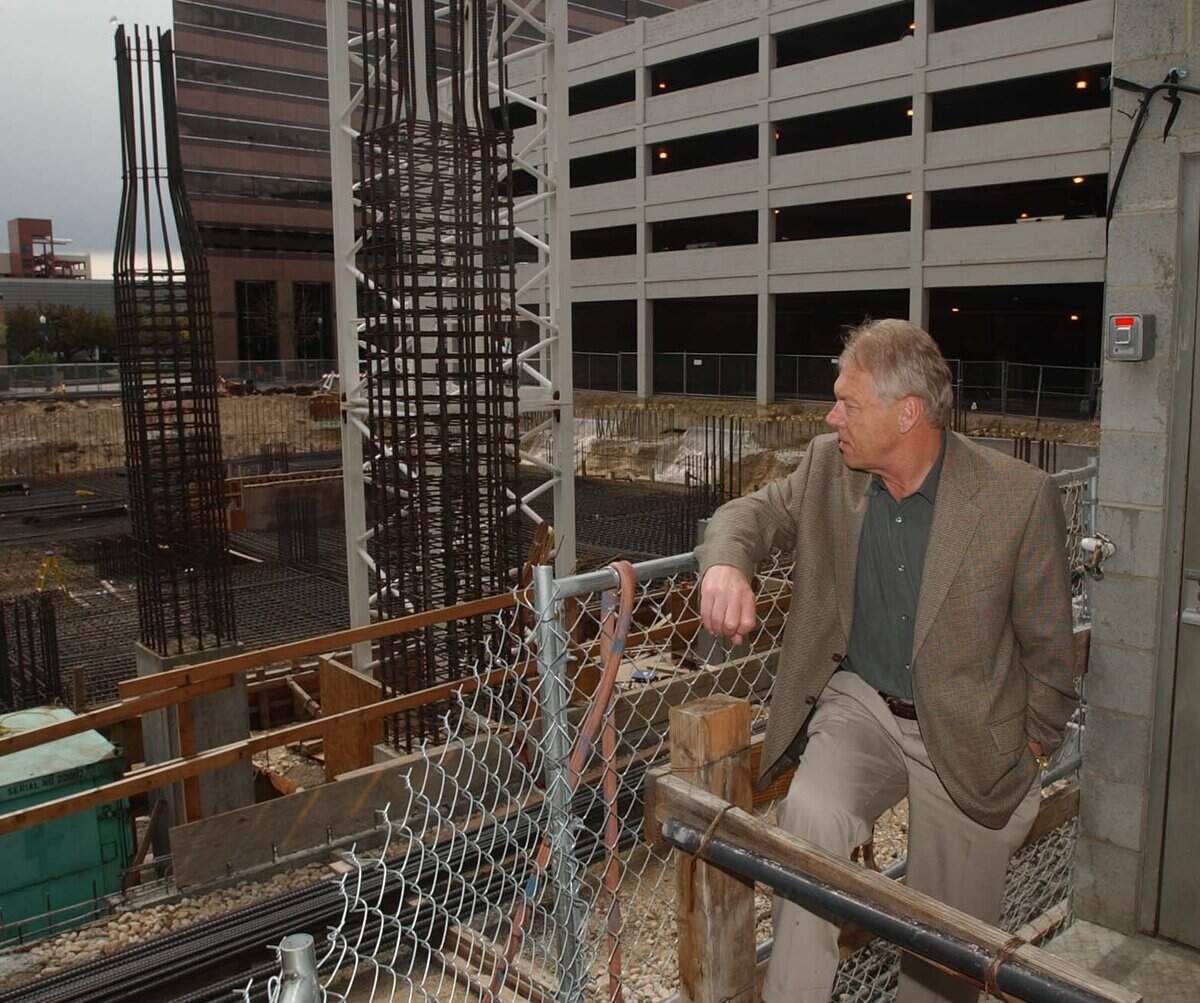
Crime was higher. There was a single library, located downtown, serving 200,000 people. Downtown’s heart had a hole in it — a literal hole in the ground at the corner of 8th and Main streets, dug for an office tower that was never built.
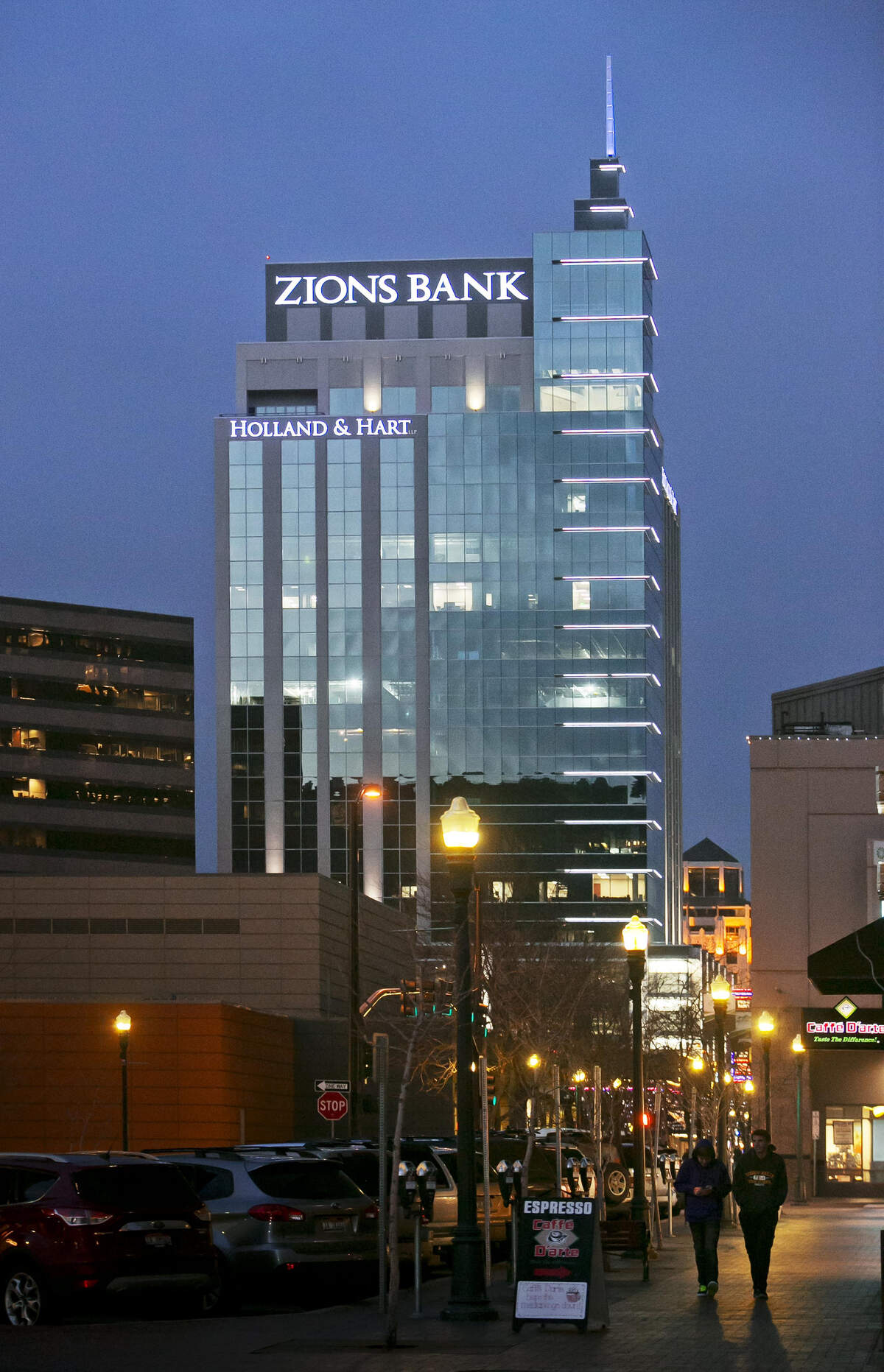
Today, Boise has fewer than 2.5 violent crimes per 1,000 residents per year, down from 3.7 in 2004. There are more parks and more Foothills land set aside for preservation. The main library now has four branches. And in 2013, the hole was filled at last, replaced with the Eighth and Main building, often called the “Zions Bank building.”
Bieter aimed to make Boise America’s most livable city, and to some extent he succeeded. Boise keeps making top 10 lists, and people from higher-priced West Coast areas keep flocking here. As a result, Boise-area home prices rose more than 11% in the year that ended in September, the nation’s fastest pace.
These are the legacies of Bieter’s reign.
“I think when you measure Dave’s performance, based on parks, police services, image, the attractiveness of Boise? I think he did as good as anyone could do,” says Clay Carley, a developer who describes himself as a sometimes-fan of the former mayor.
Growth and development
Perhaps the most notable change in the past 16 years has been Boise’s population growth. From 2004 to 2019, Boise gained nearly 30,000 people according to Census Bureau estimates, an increase of nearly 15%.
Developers built hundreds of new houses and apartments for all those new people, but supply hasn’t kept pace with demand, leading to sharp rises in home prices and rents. The median price of a North End home was $229,000 in 2005; by November 2019, it had climbed to $647,743 a 183% increase.
There are several new downtown hotels, including the Inn at 500, plus a new ValleyRide bus terminal, new office buildings and hundreds of new apartments and condos. Downtown now has the event and creativity space known as JUMP, or Jack’s Urban Meeting Place, named for Simplot Co. founder J.R. Simplot.
The boom shows no signs of a letup. In 2020, a new Home2Suites by Hilton hotel will open at Front and 5th streets, and the 10-story 11th & Idaho office building is expected to be finished. Construction will continue on St. Luke’s Health System’s five-story surgery center at 27th Street and Fairview Avenue, the 160-unit Cartee apartments at 4th and Broad streets, and other big apartment buildings on Myrtle Street near Winco and East Park Boulevard near The Ram.
Parks and open space
Boise also furthered its commitment to open space, which many now consider an intrinsic part of Boise’s allure. More parks are open than ever before, and older parks have new amenities, including accessible playgrounds and open spaces for dogs.
Fifteen parks opened during Bieter’s tenure, including Esther Simplot, Marianne Williams and several smaller parks scattered throughout neighborhoods. The city opened a whitewater park that allows paddleboarders and kayakers to enjoy the Boise River in new ways. Features like that, Carley said by phone, make Boise “a great place to live.”
More than 10,000 acres of Foothills were shielded from development, thanks to a two-year, $10 million property-tax levy voters approved in 2001, followed by a similar one in 2015. In 2018, Bieter said he’d slow development in Boise’s Foothills during his State of the City address but made no policy change, and developers are still building homes there.
State Sen. Maryanne Jordan, who was appointed to Boise City Council in 2003 a few months before Bieter was elected, and who served until 2018, called the improved access to open space, particularly in a time when development is happening so rapidly, a “hard balance to strike.”
“Even with everything going on, Boise has grown and matured while maintaining its charm and environmental gifts,” she said by phone.
City services
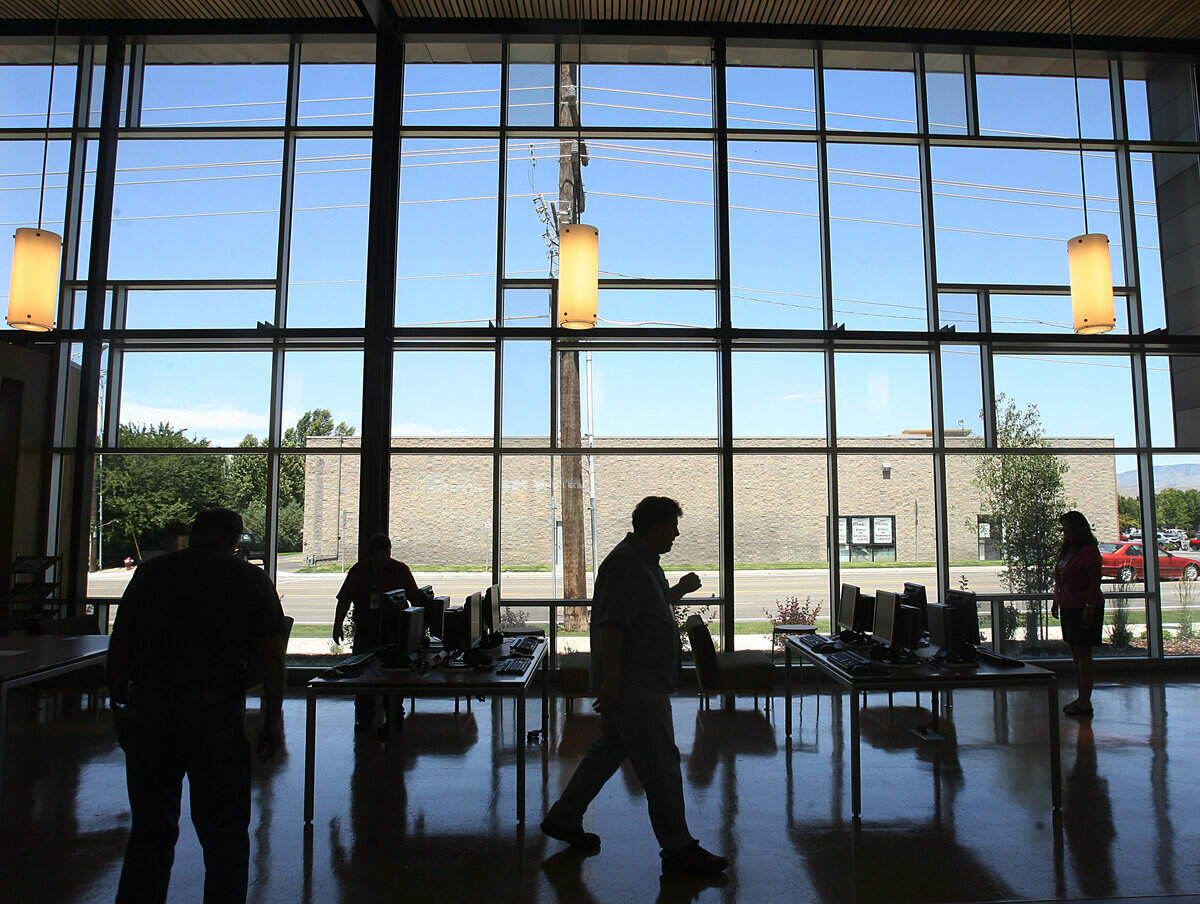
Boise’s branch libraries are popular now, but they faced rough going at first. The city put a bond issue on the ballot in 2006 asking voters to increase their taxes to fund three branches. It needed a two-thirds majority; it got only 57%.
Bieter and the City Council found enough money elsewhere to open branches in strip malls in the Collister and Hillcrest neighborhoods and to build a branch at Cole and Ustick roads. In 2017, the city opened a fourth branch at Bown Crossing.
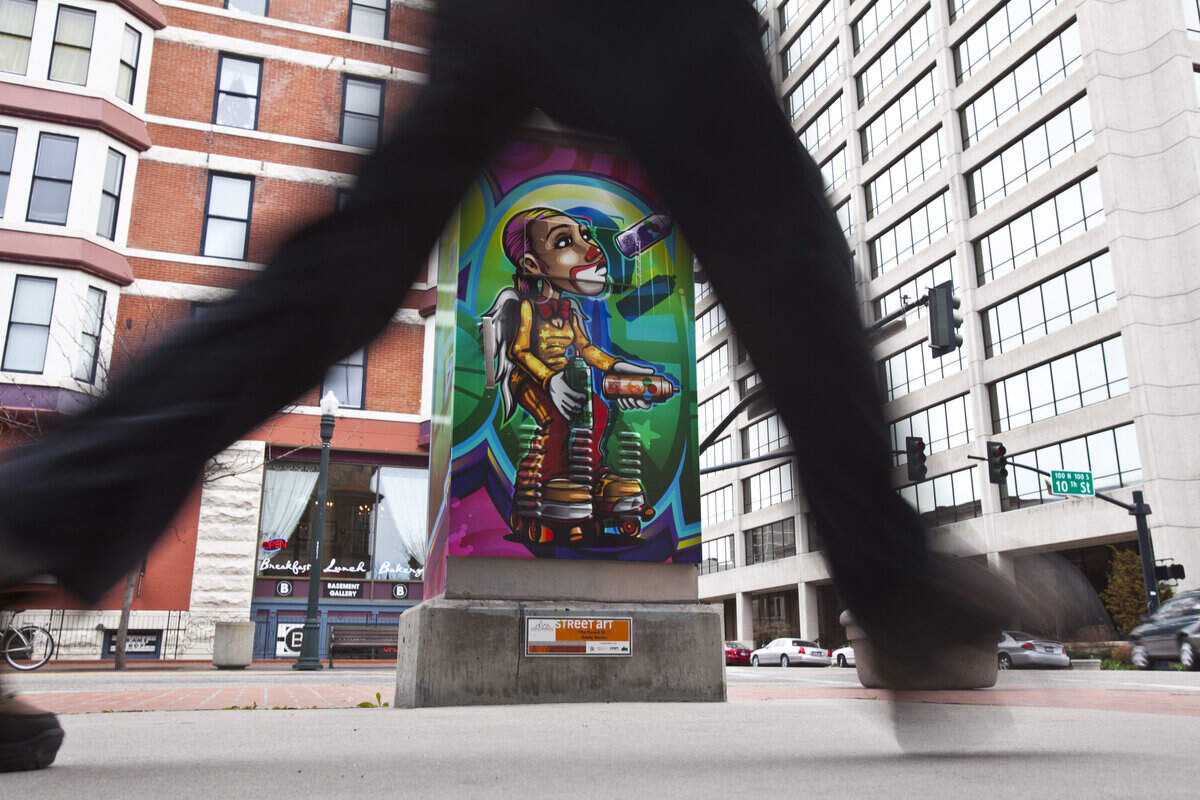
Bieter established Boise’s Arts and History Department in 2008, elevating it above the advisory commission it had been previously. At the time, Alan Shealy, then a member of the Boise City Council, called it “a commitment to Boise’s emotional maturity.”
Now, the department documents and promotes public art and historic assets estimated to be worth nearly $5.5 million. That includes everything from large murals to wraps on traffic boxes. The department helps to maintain historic archives, puts on a variety of history programs and offers grants for community events and projects.
“That Dave recognized the importance of such a department and gave it an equal seat at the table, that’s crucial to maintaining Boise,” Jordan said.
Boise committed several million dollars to a public-private partnership attempting a housing-first approach for people who are homeless, opening the 41-unit New Path apartments at 2200 W. Fairview Ave. A second apartment building, just for veterans, is set to open at 4203 W. State St.. The City Council in December committed $2 million to combat family homelessness.
City Hall and the Boise School District created the Boise Pre-K Project in the Vista neighborhood to offer free preschool. Environmental programs expanded, and the council last spring passed a plan to use 100% clean electricity in homes and businesses by 2035. The Boise Airport expanded its offerings. E-bikes and e-scooters offered people new ways to get around the city.
The downsides
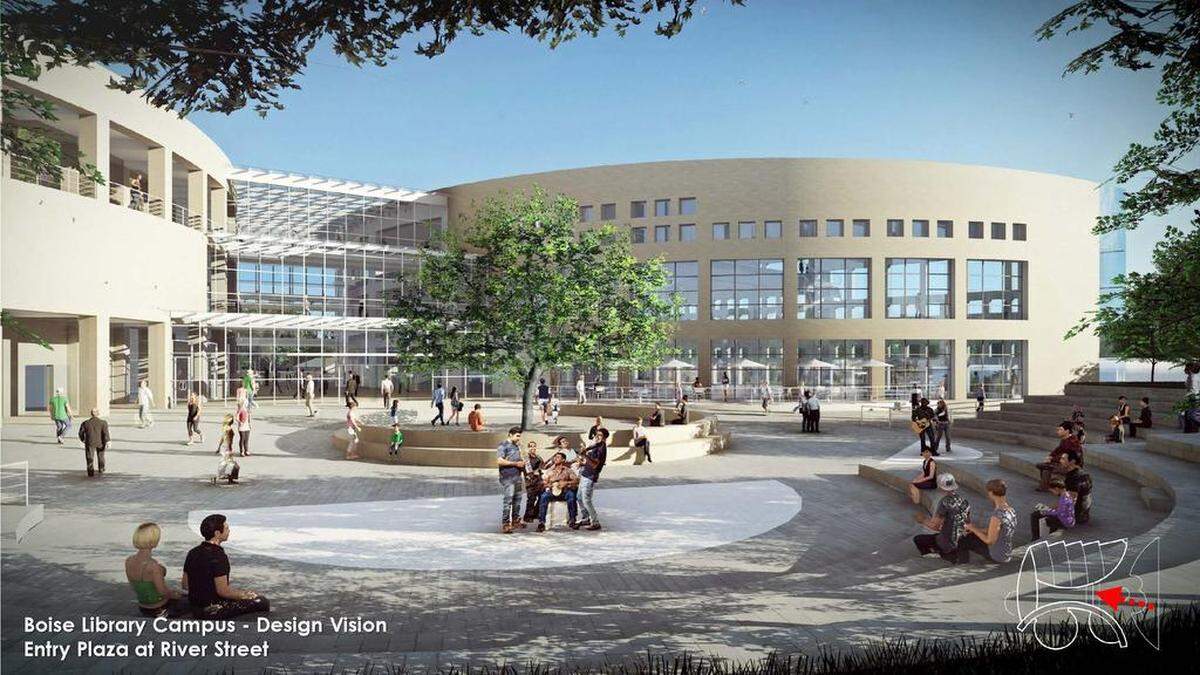
In his final term, Bieter urged Boiseans to think big. He embraced two big projects requiring public money: a new downtown library, whose cost estimates ballooned to more than $100 million; and a new, privately developed baseball and soccer stadium.
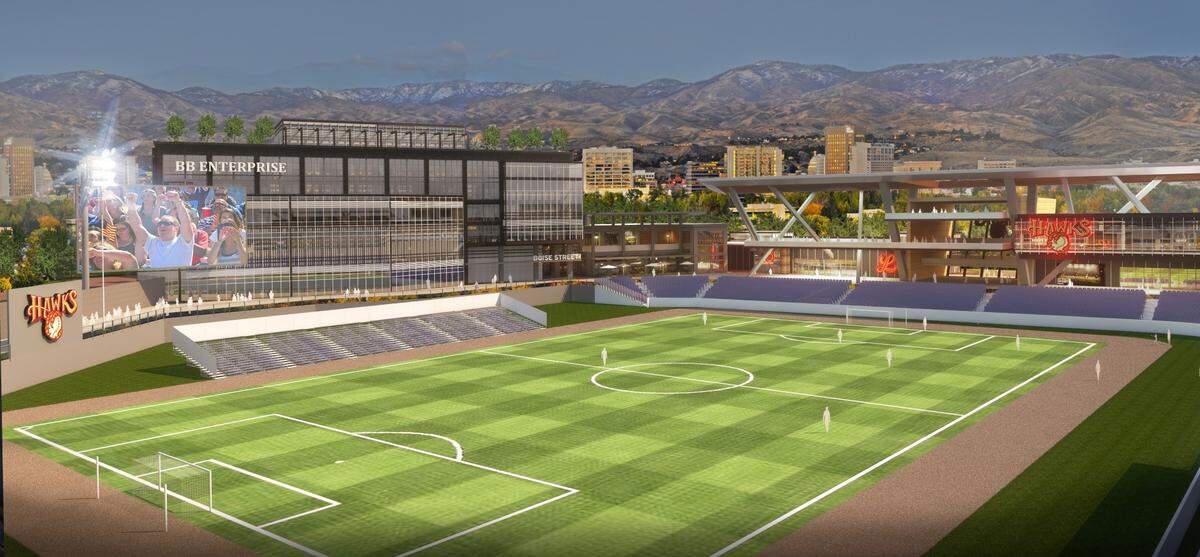
But Boiseans were beginning to feel the problems that growth has brought. Traffic worsened. Downtown began to feel more crowded and less easy to get around. Home prices rose beyond the ability of ordinary workers to buy.
In some places, especially in the semirural Hill Road Parkway area of Northwest Boise that was annexed about five years ago, residents began to fight proposed apartments and other dense housing development — the very development Bieter, the City Council and city planners favored.
Opponents of the Prominence subdivision on Hill Road Parkway were lectured by Bieter at a public meeting in 2018. “To those of you in the northwest and in other parts of town, you don’t live in the country,” Bieter told them. “I mean that sincerely. We’re in the city. You might have gotten used to a little more rural kind of [life]. It’s just not that way.”
That “was a clear sign our opinion didn’t matter,” said Karen Danley, a resident of the area who ran unsuccessfully for the City Council in 2019.
A citizens’ group gathered enough signatures to put proposed ordinances on last November’s ballot to require two citywide elections: one for the proposed library, the other for the proposed stadium. Voters passed them overwhelmingly. The next month, they voted out Bieter.
The mayor “had a vision that was so, so strong,” Carley said. “But his weakness was his inability to read and understand pushback from people. It cost him.”
End of Bieter’s era
After he lost, a retired Presbyterian Church regional leader emailed Bieter to console him.
“You have held a city together that had undergone enormous growing strains,” David Carlson wrote. “... In a few years (or less), Boise will be wishing it could have you back.”
Bieter replied, in part, that it’s a shame his visions for the library and stadium were rejected.
”I think a great library like the one we tried to build could make a great city even greater,” he wrote. “Beautiful shared public spaces have become far too rare. Affordable family entertainment like the sports park would’ve given us is also uncommon.”
Jordan credits much of Boise’s success and growth during Bieter’s reign to the fact that he was born and raised in Boise, leaving only briefly for college. There was a time when Boise was “missing a generation of people,” Jordan said, when people who grew up here would leave and not return. Boise lost talent.
Bieter knew that and worked to change the city’s reputation, she said. He embraced the “new economy” and the idea that some jobs allow people to live wherever they want and work remotely. He embraced protecting open space, expanding city services and accommodating growth.
“He built a city people could come back to,” Jordan said.
Business Editor David Staats contributed.
This story was originally published January 12, 2020 at 5:00 AM.
.jpg)