Developers say they can’t build affordable apartments the Boise area needs. This is why
READ MORE
Affording Boise: Rental housing
Soaring rents. Skyrocketing home prices. The double-digit rates of increase in the costs of Boise-area housing create increasingly urgent problems for low-income, working-class and even moderate-income Idahoans who need places to live. Affording Boise is a series of Idaho Statesman special reports on housing. This collection focuses on rental homes, including apartments. A separate collection focuses on homeownership.
Expand All
Rents have soared in the Boise area, leaving many residents with no rentals in their price range. But developers say their costs are so high today that it is difficult to meet the need for affordable housing.
The median rent in Ada County was $751 in 2010 and $947 in 2015, according to Apartment List. Today the median two-bedroom rent in Boise is $1,232.
Another listing service says the prices are even higher. Rent Cafe, which says its data is based on complexes with at least 50 units, places the average rent for an apartment in downtown Boise at $1,651 and the average in Meridian at $1,689.
Most new apartments going on the market have rents in the ranges these services list. Why so high?
Blame high land and construction costs, along with property taxes, developers say.
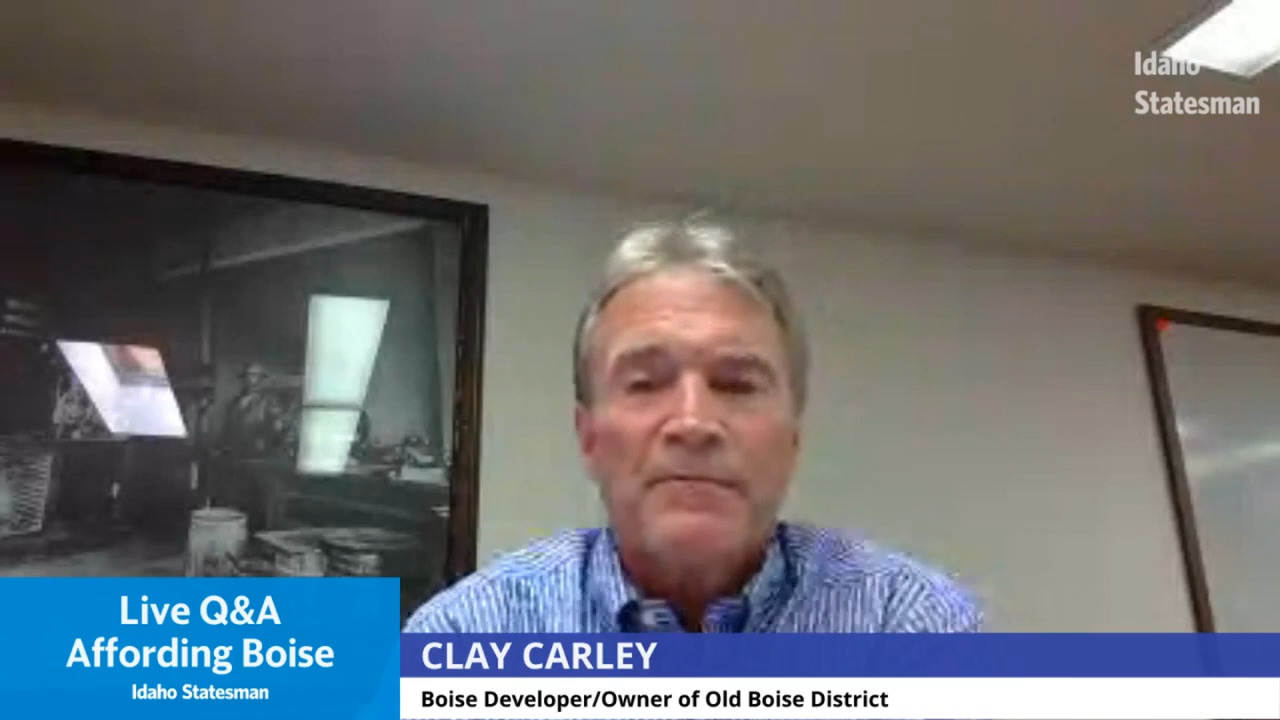
A one-bedroom apartment in downtown Boise costs about $350,000 to build, and one elsewhere in the Treasure Valley costs about $270,000, said Clay Carley, a developer and manager of Old Boise LLC.

Outside of downtown, Jim Tomlinson, a developer with Tomlinson & Associates, estimates that it costs twice as much to build apartments as it did a dozen years ago.
The costs of land, building materials and property taxes have increased over the last several years, leaving for-profit developers needing subsidies to build apartments that are affordable to people making much lower than the area median income.
‘Construction costs have gone crazy’
Carley said the cost of land alone has increased 250% in Boise over the last 10 years, and construction costs have risen by 40%.
“Construction costs have gone crazy,” said Tomlinson in an interview with the Idaho Statesman.
Obtaining materials is difficult too. Tomlinson referred to a repair project his company is working on in Payette. It’s been eight months and counting since vinyl siding was ordered for the building. He’s still waiting.
Carley, reached by phone, broke down the costs associated with building an apartment project. Land accounts for 10%, he said. Impact fees that go toward police, fire, sewer and other city services account for 1%-2%. Planning and design account for 8%-10% and building costs are about 75%.
In 2012, a developer could build 20 units on an acre of land that cost $100,000, Tomlinson said. That’s $5,000 per unit. Today, that same acre would cost $300,000, or $15,000 per unit.
Bill Rauer, executive officer of the Building Contractors Association of Southwestern Idaho, estimates that the construction cost for multifamily projects in the Treasure Valley ranges from $150 per square foot to $350 per square foot. That’s $131,000 to $306,000 for an 875-square-foot apartment.
Carley said developers usually want a 5% return on investment from their projects. It typically takes three years for a project to be completed and for renters to move in. In one of Carley’s market-rate apartments, The Lucy, he said he put $7.5 million down in cash. In the first three years since starting the project, he was down around $1 million when his goal was a 5% return.
To make up for the $1 million and to continue to make money on the project, Carley said, “you have to get high rents or sell it for a lot of money.”
Tomlinson agrees. “The folks that aren’t nonprofit are in it for a profit, and they need to make a return on the money,” Tomlinson said. “And when they are paying 100% more for the same unit (10 years prior), they need to have higher rent to cover that.”
Carley analyzed the cost and return and found that for developers to provide housing for someone who makes 80% of the area median income in Boise, the subsidy needed is 40% of an apartment building’s cost. For a $350,000 one-bedroom apartment downtown, a developer would need $140,000 for each unit to come from a source willing to give the money for free, he said.
In Boise, the area median income for one person is $52,700. A person who makes 80% of the area median income makes $42,200 a year and is considered low income.
Idaho Gov. Brad Little set aside $50 million of federal American Rescue Plan Act money for workforce housing projects, and the Legislature approved it in the 2022 session. But Carley said $50 million does not go far when building housing for people near 80% of the area median income — it would allow developers to build only 358 units.
How developers are building affordable housing now
Most developers, Carley said, are dedicating only a portion of each project they build to renters who make 80% of the area median income. For a 100-apartment project, a developer may dedicate 10 to those residents. This enables developers to “do the right thing” and still make money, Carley said.
“So if you did 10% (of the units in a project for people making) 80% (of the area median income), you could probably make a project work — you’re just going to earn less money,” Carley said.
The other way developers make affordable housing profitable is through federal tax credits. Each year, the federal government awards housing tax credits to the Idaho Housing and Finance Association to distribute to developers building affordable housing. The association selects which projects to give the credits to, and the developers can begin building.
One big problem with the federal housing tax credits is that there aren’t nearly enough of them to meet demand. Idaho gets a limited amount of money each year.
“Two years ago when we did our tax-credit project, the state of Idaho had around $5.2 million for the whole state in tax credits,” Carley said. “And we took up a million of it. So we took up 20% of the entire allotment for one small project in downtown Boise.”
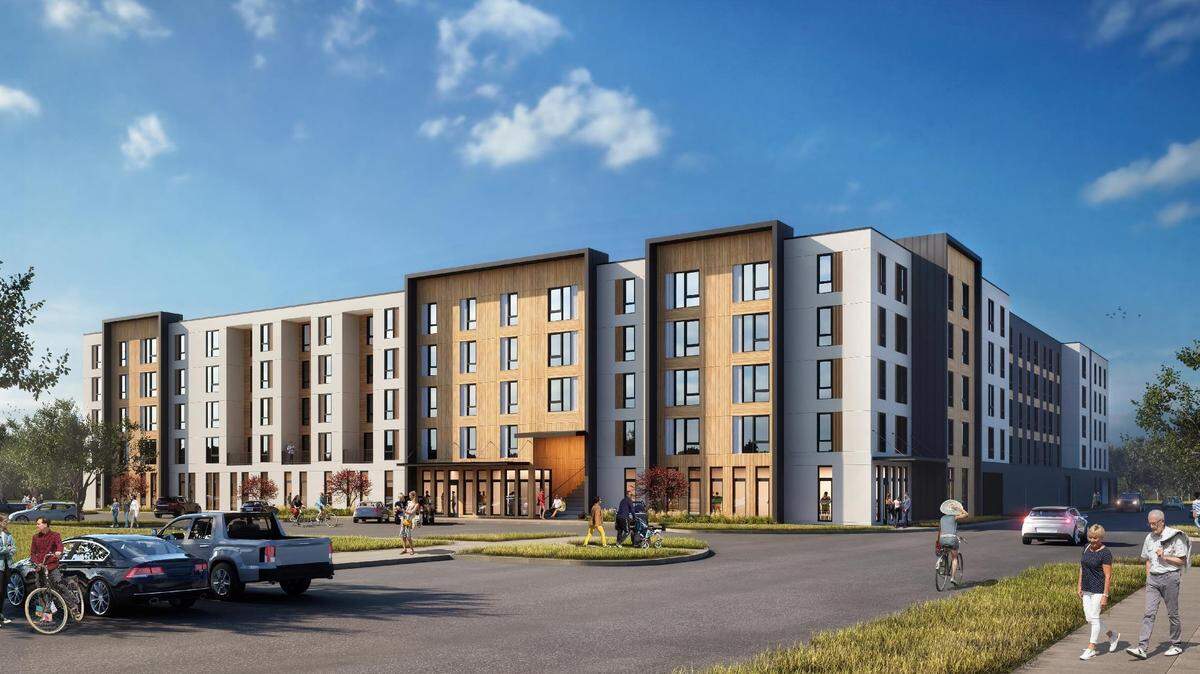
Carley used the tax credits to build the Thomas Logan, at 116 S. 6th Street. It is a seven-story apartment building with 60 apartments, 45 of them rented to people making between 30% to 60% of county median income.
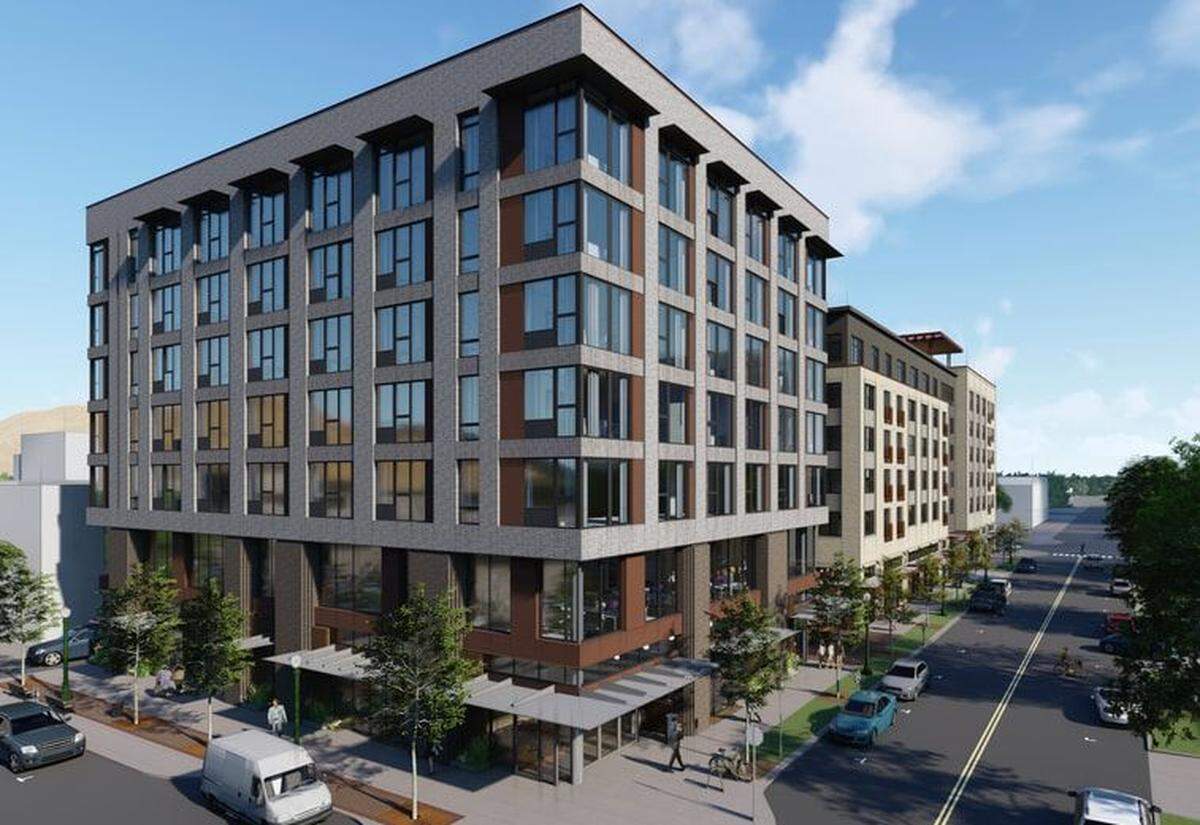
Initial rents were set at $343 to $730 for a studio, $507 to $783 for a one-bedroom, and $606 to $937 for a two-bedroom, depending on a tenant’s income, the Idaho Statesman reported.
Possible solutions to the cost problems
Carley and Tomlinson suggest some ways government can help:
▪ Free land
If Idaho had a funded housing trust fund, like many states and municipalities do across the U.S., the fund could be used to purchase land and give it to developers for affordable housing projects that meet certain standards like income level, amenities and location. Since Idaho has not funded its Housing Trust Fund, developers rely on municipalities to give them free land instead.
“They want to give away land for housing, they can do that,” Carley said.
The city of Boise has given land as part of its Housing Land Trust. The buildings will be owned by the developer, but the land will remain under trust ownership.
An apartment complex on State Street near Veterans Memorial Parkway, the former location of Smoky Davis smoked-meats shop, is planned using Boise’s Housing Land Trust. Another project at Orchard and Franklin streets is being developed in the same way for 205 apartments.
Carley said free land isn’t enough to make affordable apartments economically feasible, but it helps.
▪ Property-tax abatement
Carley said he expects property taxes to make up 40%-50% of the Thomas Logan’s operating costs.
Carley built Thomas Logan at 6th and Grove with fellow developers Chance Hobbs in McCall, Dean Pape of deChase Miksis in Boise, and Bill Truax of Boise’s Galena Opportunity Fund. Carley also built The Lucy, a market-rate apartment complex at 512 W. Grove St.
Carley said he has not received the tax bill for Thomas Logan. But another apartment complex built in the past few years may offer insight: The Fowler, a luxury apartment building at 505 Broad Street, near Carley’s Thomas Logan, had a $407,000 tax bill in 2021, according to the Ada County Assessor’s Office. Its assessed value is $37.2 million.
Nonprofit agencies in Idaho, like churches and organizations, do not pay property taxes. Carley believes that any project that is specifically renting to low-income people should not pay 100% of its property taxes, because such projects are usually not making much profit.
“The project next door (to 6th and Grove) that is market rate and generates really good income, and this low income-project, are going to pay the same formula for property tax as the market rate,” Carley said. “That doesn’t make any sense to me.”
“Why are we paying all that property tax when we’re trying to do the right thing, and all the other nonprofits out there don’t pay any property tax?” he said.
A county or city could provide five or 10 years of property tax abatement to a specific area to encourage the development of affordable housing there, he said.
Tax abatement is a tool used in other states to encourage developers to build affordable housing, Carley said, but it is prohibited by Idaho law.
▪ Local option sales tax
Many resort towns in Idaho with 10,000 or fewer people use the local option sales tax. That’s a voter-approved tax on sales that is on area voter’s ballot with a description on what the government plans to use the money for.
Carley said the Legislature should give local governments that aren’t resort towns the authority to ask voters for such taxes, and that local governments use at least some of the revenue to provide affordable housing.
Reporter Paul Schwedelson contributed.
This story was originally published April 20, 2022 at 4:00 AM.