‘I had nowhere to turn’: Seniors, disabled struggle on fixed income as Boise rents rise
READ MORE
Affording Boise: Rental housing
Soaring rents. Skyrocketing home prices. The double-digit rates of increase in the costs of Boise-area housing create increasingly urgent problems for low-income, working-class and even moderate-income Idahoans who need places to live. Affording Boise is a series of Idaho Statesman special reports on housing. This collection focuses on rental homes, including apartments. A separate collection focuses on homeownership.
Expand All
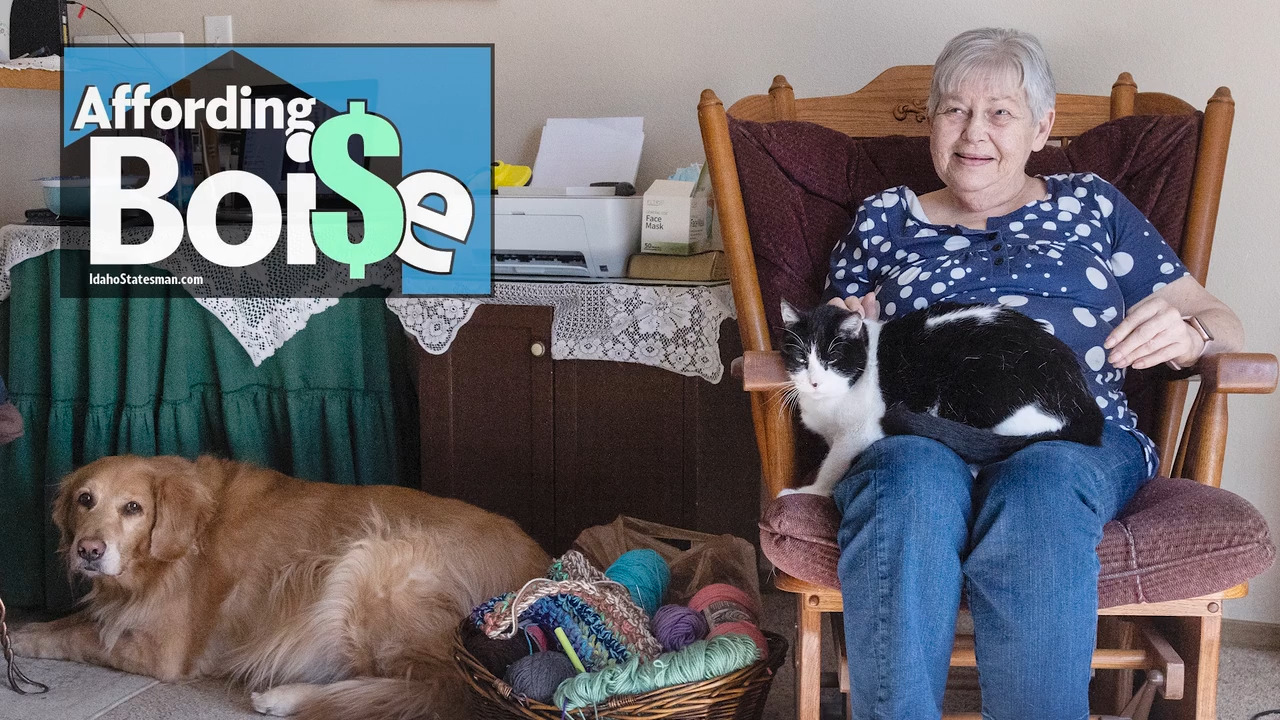
Gayle Salsman’s town house on West Lemhi Street in Boise is filled with 14 years’ worth of memories. The most beloved are the ones spent with her youngest son, Robert, before he died in 2012.
She gestures to the window out of which he would appear with shovel in hand every time it snowed. She sits in the kitchen where they would cook their favorite homemade chicken noodle soup.
“We spent a lot of time at my stove, cooking stuff together in the wintertime,” Salsman said, choking up.
But she’s now faced with the prospect of having to say goodbye to that window and kitchen and stove. She can no longer afford her home after a recent $700 rent increase.
Salsman, 79, is one of many senior residents across the Treasure Valley who are having to spend more on rent as their incomes rise only modestly or not at all. In some cases, they can no longer afford to stay — and may have nowhere to go.
“Something we are hearing is people on Social Security and fixed incomes are struggling to keep up with market trends,” said Kendra Knighten, policy associate for the Idaho Center on Fiscal Policy, a Boise nonprofit that researches Idaho tax and budget issues. “Because their income is fixed, they are less likely to be able to respond to significant changes in the market.”
Salsman gets Social Security and supplements that with a job. But it’s not enough to make affording Boise-area housing easy.

In 2020, 370,385 Idahoans received Social Security benefits, including 288,460 on retirement benefits, 30,262 on survivor benefits and 51,663 on disability benefits, according to a 2021 Social Security Administration report.
An additional 30,780 Idahoans receive Supplemental Security Income, or SSI, a federal program that provides monthly payments to low-income people who are disabled or are 65 and older.
About 40% of Americans ages 60 and older get their only income from Social Security.
Rent increases a problem on a fixed income
Salsman first rented the three-bedroom town house for $800 in 2008. Her rent crept up slowly over the years, reaching $1,200 in 2018. That year, Salsman began suffering heart attacks and renal failure. Out of consideration for her health issues, her property owner, who is in California, did not raise her rent for two years.
But in early 2021, that changed. Rent shot up in one month to $1,900, which is the amount, according to her landlord, that it would have been had her rent not previously been frozen.
Trying to find an extra $700 each month was difficult. She certainly couldn’t afford it solely through her $1,700-per-month Social Security check. She has had to find other ways to supplement her income.
Even as she nears her 80th birthday, she works 36 hours each week in three 12-hour night shifts. She earns about $1,400 per month, before taxes, from her $9-an-hour job as a caretaker for two women with disabilities. In total, she brings in about $37,000 per year before taxes.
Paying $1,900 a month eats up about 62% of Salsman’s income. That’s far more than the government and financial experts say a household of modest means can afford without significant financial stress.
The target for people with low to moderate incomes should be that no more than 30% of a household’s income go to rent and related housing payments, Knighten said by phone.
Seniors and people with disabilities who depend on other federal aid programs can have an even harder time. A disabled person may qualify for disability payments through the Social Security Disability Insurance program, which is financed by Social Security payroll taxes. The estimated average monthly SSDI benefit is $1,358, according to AARP.
Knighten said the maximum payment each month for single SSI recipients in 2021 was $841. The maximum for a couple was $1,261, AARP reported. That means a single person relying only on SSI could afford up to $280 for rent. But the fair market rent for a modest one-bedroom in Boise is $896, Knighten said.
Some people with disabilities can be eligible for SSDI and SSI at the same time.
Housing searches are tricky to navigate
The tipping point for Salsman came in January when her granddaughter, who had been living with her for a time and helping pay rent, moved out.
“I mean, I was in tears,” Salsman said. “I was so scared. I had nowhere to turn.”
Salsman realized she had no choice but to move out of her town house or get a roommate. Though there would be much to miss about it if she left, the stairs were becoming difficult to climb. Unable to reach the bedrooms on the second floor, she sleeps on her downstairs couch most nights.
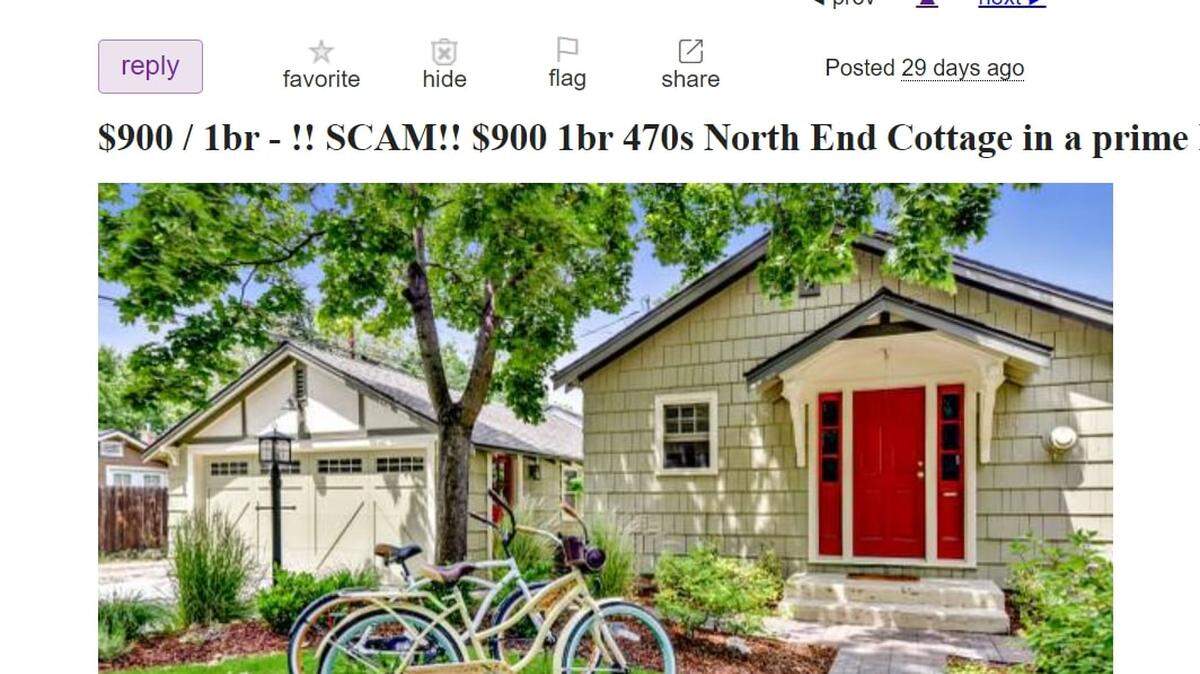
But finding a place that fit her budget was easier said than done. The search for rentals and roommates exists mostly online in 2022, and finding the best places to look has been a learning experience for Salsman. One person claiming to be interested in becoming her roommate turned out to be a scam and successfully persuaded her to to give him her credit card information.
The financial side of renting has proved just as challenging. Many places require that renters earn three times their rent, which would rule out any place over $1,028 for Salsman.
“I mean every single morning I look,” Salsman said. “I don’t let one go by, and oftentimes during the day I’m checking, constantly looking, looking for something cheaper.”
Salsman considered moving into an assisted-living center, but her Medicare did not cover it.
‘My life is getting shorter, not longer’
Salsman has a small but firm list of nonnegotiable things for her new place. The list includes a small yard for her golden retriever Max, nothing with stairs, two bedrooms because her great-grandchildren still ask to spend their weekends with her, and two bathrooms because health issues have made sharing one difficult.
Once available housing is narrowed to these parameters, little remains within her desired $1,200 budget.
As if anticipating criticism, Salsman is quick to defend her list. She is getting older, her health is failing. Salsman, who speaks frequently of her dead husband, dead son and dead shih tzus, does not want her remaining life to be empty of beloved pets and grandchildren.
“My life is getting shorter, not longer,” Salsman said. “And to lose anything else, I’m not going to do it.”
When Salsman wanted to look into community resources, she paged through a paperback “senior resources” book and left voicemails at places like Jesse Tree, an organization that helps people in need of emergency assistance with rent. She said that few places returned her calls, and the rest suggested she try again in the future when their wait lists were shorter.
Neighbors come together to help
By the end of her January search online, she had found no solution to her $1,900 rental bill. Her granddaughter had moved out, and February’s rent would soon be due. In a last-ditch effort, she took someone’s suggestion to post in a local group on Facebook.
“79-years-old pushing 80,” Gayle wrote to the Idaho Mutual Aid group. “Diabetic, pulmonary heart failure, renal failure, a problem with my back causing me to lose balance and fall. Have found myself having to pay $1,900 rent on my own. Need cheaper place or good reliable roommate.”
Kari Carver, a Boise bookkeeper, reached out to Salsman after reading the post. The two strangers have since struck up a friendship. Carver has jumped into organizing help for Salsman, from putting together a meal train to installing a fall-detection system to finding someone to walk her dog.
“I’ve told her there’s a lot of people out there who want to help,” Carver said. “She spent her whole life care taking. This is a pleasure. I would hope if my mom didn’t have anyone that someone would step in and help.”
When Carver learned Salsman was not going to make March rent, she began looking for ways to pull together the money. Carver received an unexpected windfall in the form of an email saying four canceled concert tickets that she purchased two years ago were finally reimbursed.
“By the grace of the fantastic universe, I had almost $600 come back that I wasn’t expecting,” Carver said. “So I was going to do a GoFundMe last month, but I just gave her that money.”
Carver has set up a GoFundMe for upcoming months. But the generosity of others makes Salsman visibly uncomfortable. She said she doesn’t like having to rely on charity, and Carver adds that Salsman “cries every day” out of guilt. Salsman is still looking for a new roommate or place to rent.
There are few solutions for renters on fixed incomes like Salsman, said Zoe Ann Olson, executive director of the Intermountain Fair Housing Council.
Idaho Gov. Brad Little set aside $50 million of federal American Rescue Plan Act money for workforce housing projects. But Olson said that does not fix the problem of people living far below the area median income. Workforce housing does not help people with disabilities on fixed income.
“If we are not building housing that’s for people 60%-80% below the poverty line, the housing will be at a rate people still cannot afford,” Olson said, by phone.
Olson said affordable housing needs a civil rights-type movement.
“We are not meeting people’s basic needs, and we should be,” she said.
And, of course, over the whole situation looms the uncertain future in which rent may be raised again.
“I’m thankful that I’ve got what I got,” Salsman said. “But if they raise my rent again, I don’t know what I’m going to do. I honestly feel that they need to make adjustments for the elderly people. I’ve tried every resource there is. There is nothing.”
This story was originally published March 23, 2022 at 2:53 PM.