Are rising costs making Boise-area landlords raise rents? Or are they just greedy?
READ MORE
Affording Boise: Rental housing
Soaring rents. Skyrocketing home prices. The double-digit rates of increase in the costs of Boise-area housing create increasingly urgent problems for low-income, working-class and even moderate-income Idahoans who need places to live. Affording Boise is a series of Idaho Statesman special reports on housing. This collection focuses on rental homes, including apartments. A separate collection focuses on homeownership.
Expand All
Sitting in a conference room on the third floor of the building where Tomlinson & Associates is located, Jim Tomlinson weaved his way through explaining his business and ultimately his passions.
Forty minutes into the interview, Tomlinson paused.
“I get emotional. I think housing is a basic human right. And we don’t recognize that,” Tomlinson, a Boise developer of affordable and market-rate apartments, said while choking back tears. “We ought to all recognize that we should provide safe and affordable housing for everyone somehow. And we just need to figure out how to do it.”

Landlords are frequently assigned the role of villain in the drama that is the decline of Boise as an affordable city for ordinary workers. Landlords might raise rents because they can.
After all, newcomers keep coming. Wanna-be tenants need housing. They’ll pay what they must to secure a place to live, even if that tops the 25% to 30% of income that is normally considered the most that lower- and working-class tenants should spend on housing.
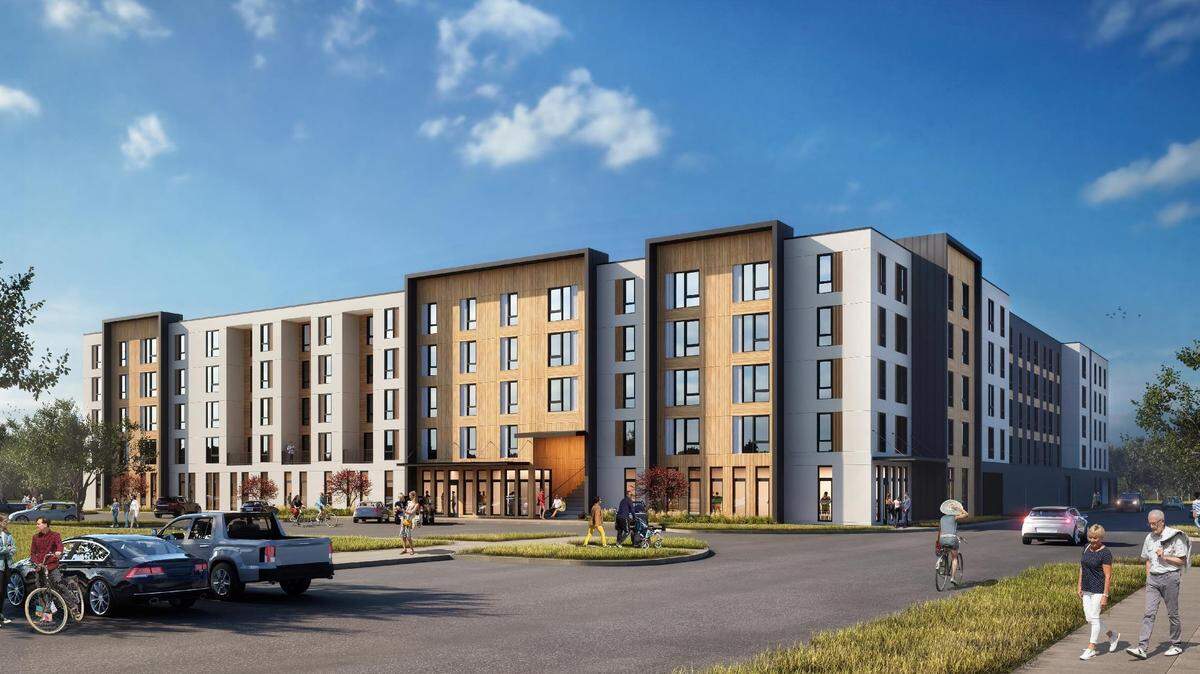
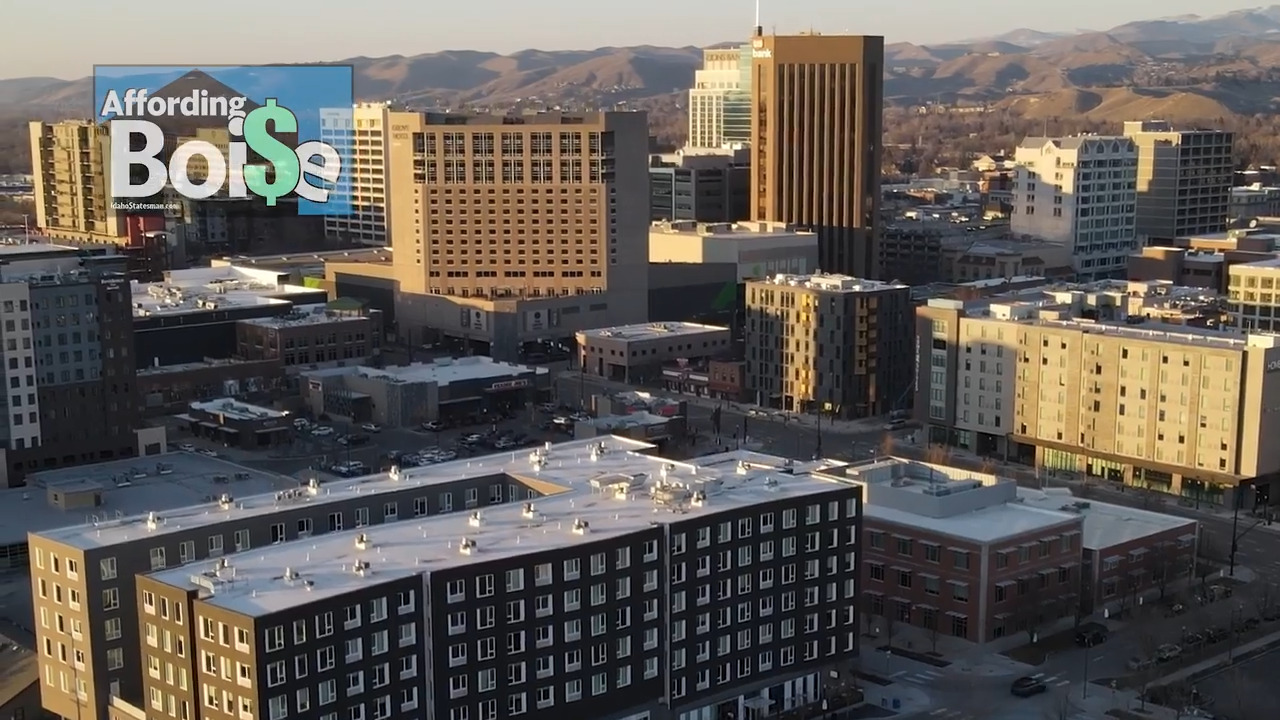
With rents up sharply, investments are paying off. Out-of-state apartment developers have smelled opportunity in Boise lately, too. They’re building hundreds of luxury apartments downtown. Some landlords are charging as much as $2,800 a month for two-bedroom units.
But other landlords moderate the price increases for their existing tenants, at least for awhile. They’ll raise rents on new or newly vacated units to whatever the market will bear but limit the yearly percentage increases for occupied units.
They know what those tenants do for a living and what their incomes are. They see value in keeping such tenants and in not playing the villain.
Some, like Tomlinson, acknowledge the deepening lack of affordability and the suffering it can create. They want to try to solve the problem.
Figuring out how is the challenge.
The biggest change driving prices up, from landlords’ perspectives, is the increasing costs of pretty much everything: construction, property taxes and maintenance. While tenants have been bearing the brunt of rent increases, landlords say the raises are necessary to keep up with those costs and to keep making as much money.
The median rent per month in Boise is up to $1,259, according to Apartment List. In March 2020, it was $929. That’s a 35.5% increase in two years.
While some top-priced luxury units are offering move-in incentives, most apartments are being leased as fast as landlords can offer them. Vacant units are hard to come by: In the fourth quarter of 2021, the vacancy rate of rentals in Ada and Canyon counties was 1.6%, according to the National Association of Residential Property Managers. A balanced vacancy rate is considered 5% to 7%.
Tomlinson has tried contributing solutions to the Treasure Valley’s housing crisis. He was the head of Tomlinson & Associates, which oversees about 5,000 units of rental housing, for about 30 years before handing it off to his sons around 2008.
Since 1994, Tomlinson has been on the board of Boise Housing Corp., a nonprofit that owns about 3,000 of those units, which are rented at discounted rates for people earning less than the area median income.
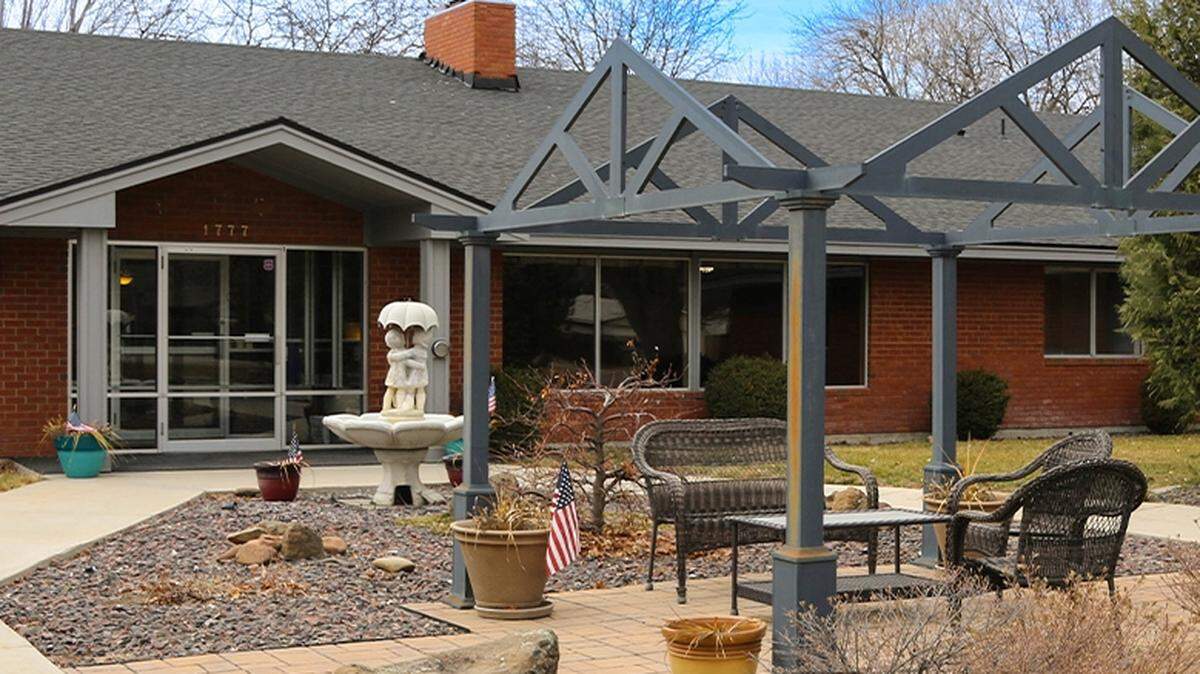
Tomlinson & Associates operates Adare Manor, a 134-unit affordable-apartment development at 2419 W. Fairview Ave., and New Path, Idaho’s first “housing first” permanent supportive-housing development, which has 40 apartments at 2200 W. Fairview Ave. for people who previously were chronically homeless.
As a landlord in the Boise area for decades, Tomlinson has witnessed the dramatic recent changes in the rental market — “exploding,” as he put it.
Higher building costs have led to higher rents in new apartment buildings, Tomlinson said. That then gives landlords of older buildings a reason to raise prices. As long as demand remains high, landlords don’t have a financial reason to lower rents.
“The folks that aren’t nonprofits are in it for a profit,” Tomlinson said, “and they need to make a return on the money.”
This dynamic is playing out as families live out of their cars, single mothers frequently search for an affordable place, and seniors on fixed incomes struggle to keep up.
Once supply catches up with demand, landlords may have to compete to fill their vacancies. That’s when relief may finally come for renters.
“We need to have enough additional housing so that we create kind of a surplus, and that may put a break on some of the (rents),” Tomlinson said.
Landlords make ‘an investment’
Cassandra Swanson, president of the Southwest Idaho chapter of the National Association of Residential Property Managers, has watched many rental owners sell their homes to buyers who will occupy them. That means a smaller supply of rentals, further squeezing renters.
Increasing property taxes and the cost of maintenance are at the root of rising rents, Swanson said.
“It’s a common misconception that what’s happening is just greed,” Swanson said by phone. “That’s really not what it is. It’s that in order to have a rental and be able to provide housing in a market, you have to be in a position where you’re able to make it an investment.”
A landlord who raises rent exorbitantly for profit is a “bad player trying to take advantage,” Swanson said.
Still, stories of landlords repeatedly raising rent have become common. Swanson said higher rents are necessary to keep up.
“Companies that build rentals, even though we see the construction going up … it’s still not enough,” Swanson said. “And if they put it on the market for the going rate for rent, and they’re comparing it to what they’re getting for the cost of their investments, they will not make money in this market.”
The situation has become treacherous as tenants worry their rent will increase and landlords worry their tenants won’t be able to pay.
Swanson believes the hardest part is the imbalance. Landlords may use the income to pay for their retirement or as a source of income. Higher property taxes and maintenance costs often get shoveled onto tenants.
Property taxes, renters’ income are key factors
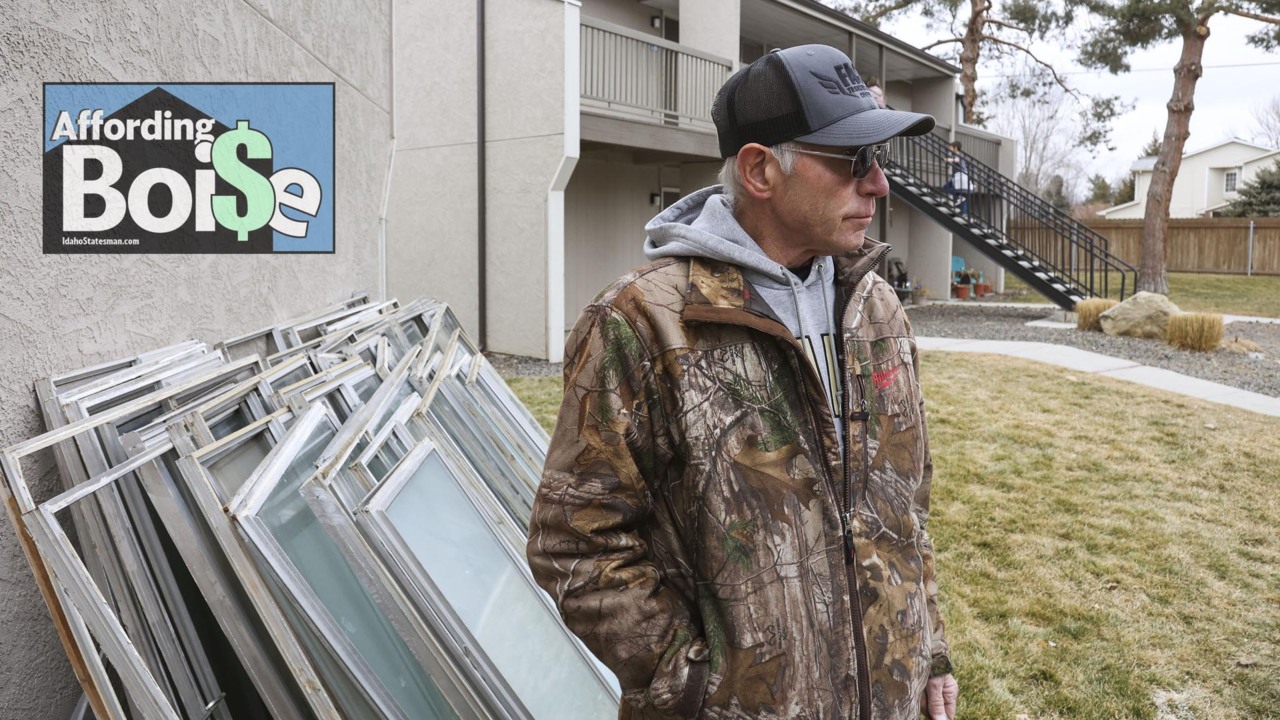
Nathan Dearing has been a landlord in the Boise area for more than 20 years. He and his wife own several rental properties, including townhouses and single-family homes. They manage the units themselves.
Market values were pretty stable for most of that time, he said. Until the last three years.
Paying more expensive property taxes while trying to keep his properties affordable has been his biggest challenge. He said he bought a house for about $300,000, and it’s now assessed for nearly $500,000. Dearing isn’t eligible for the homeowners exemption on rental properties.
Dearing has tried to avoid raising rents for tenants when they renew their leases, because he recognizes renters’ incomes likely aren’t increasing. The difficulty, Dearing said, is that increased costs mean his margins are smaller.
“We’ve got the same renters in there, but our taxes have gone up to fit what the new (assessed value) is,” Dearing said by phone. “So we’re either having to raise the rent, which we haven’t done, or just bite it for the difference in what our margin is. So we’re dealing with not much of a margin, because we’re absorbing the cost of the increased taxes.”
He said he’s waited until a tenant moves out to raise the rent for someone moving in.
When one of his properties recently became vacant, Dearing cut off accepting applications once he had 80. He received offers from people willing to pay an entire year’s worth of rent up front or $100 more per month than the rate he set.
Dearing viewed that as a “frightening” sign that people are desperate.
His concern is that people who have jobs in the area can’t afford to live here. He sees resort communities like Sun Valley, where workers commute in, and is concerned that Boise is heading in the same direction.
Dearing said he suspects some landlords are increasing rent because of “greed.” He believes government assistance could help people who are earning lower incomes, because “if they’re working, they ought to be able to afford a place to live.”
He said the money he makes as a landlord “isn’t a steady stream of income.”
“Our goal is not to increase the rent, but we’ve also told (tenants) that we haven’t been able to predict what the new taxes are going to be,” Dearing said. “If we can hold it, we’ll hold it. If not, we’ll make some kind of an adjustment. We don’t want to raise, we don’t want to squeeze people for as much as we can get. And I know that’s being done.”
This story was originally published April 13, 2022 at 4:00 AM.