You thought Ada County’s housing affordability was bad? Canyon’s is worse. This is why
READ MORE
Affording Boise: Rental housing
Soaring rents. Skyrocketing home prices. The double-digit rates of increase in the costs of Boise-area housing create increasingly urgent problems for low-income, working-class and even moderate-income Idahoans who need places to live. Affording Boise is a series of Idaho Statesman special reports on housing. This collection focuses on rental homes, including apartments. A separate collection focuses on homeownership.
Expand All
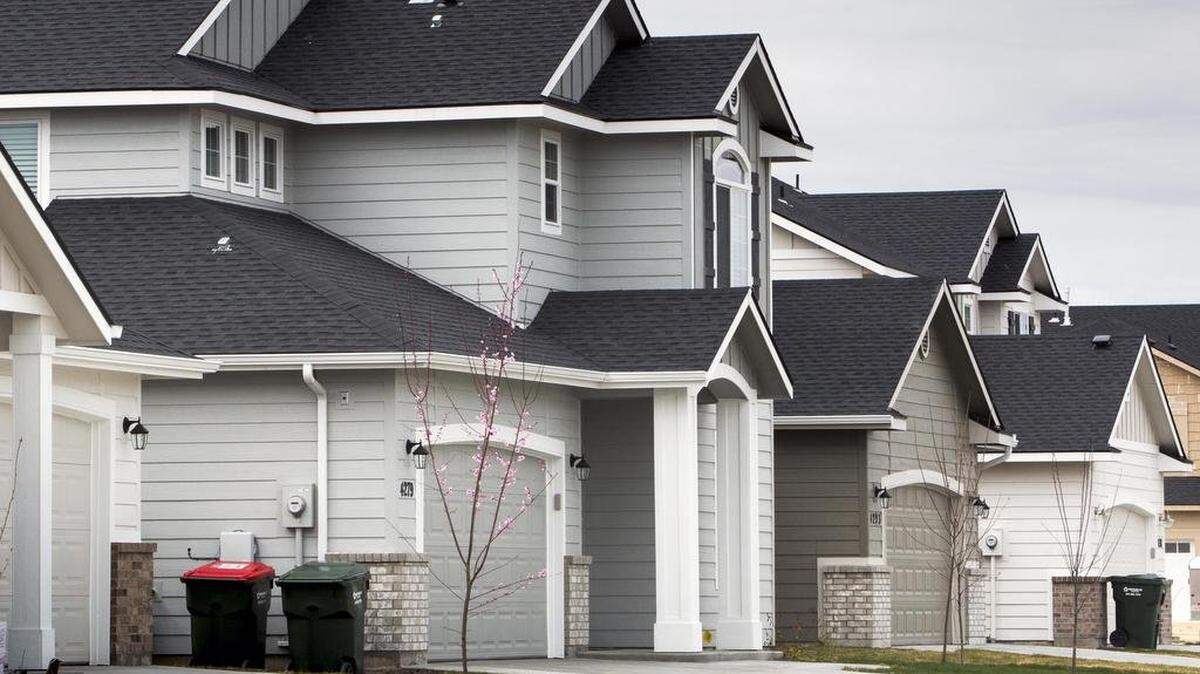
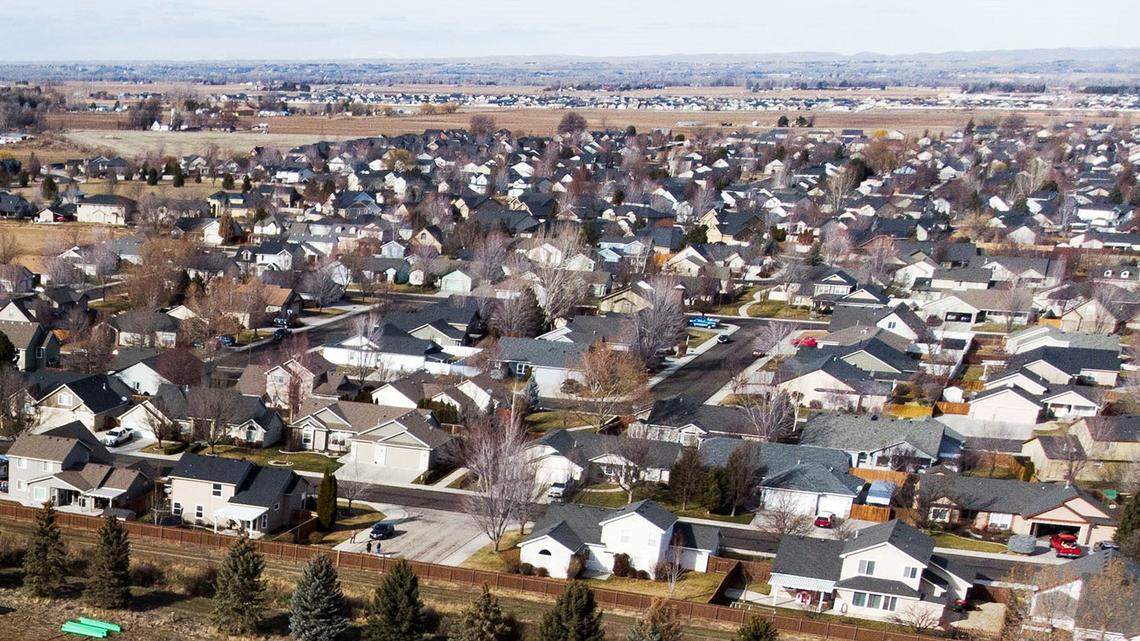
Rick Sharga calls it “the Boise effect.” After home prices in Ada County shot up in 2021, prices in neighboring Canyon County have followed. And wages haven’t kept up.
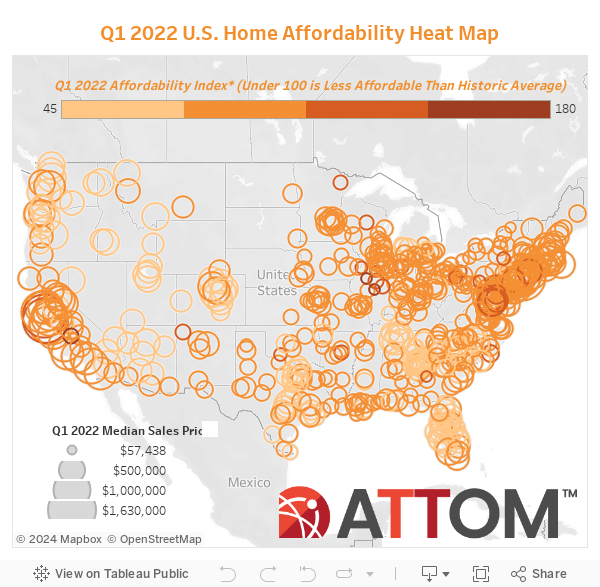
In the first three months of this year, Canyon County tied for second for the “worst affordability indexes” among counties nationwide, according to a new report from ATTOM Data Solutions, a provider of real estate and property data. Sharga is ATTOM’s executive vice president of market intelligence. The ranking weighs wages and monthly homeownership expenses.
“It’s simply math. Home prices have gone up much, much faster in Idaho in general and in Canyon County, in particular, than wages have,” Sharga said by phone. “… It’s just been a real burden on affordability across the country, and particularly in markets like yours.”

ATTOM says it determines affordability for average wage earners “by calculating the amount of income needed to meet major monthly homeownership expenses — including mortgage, property taxes and insurance — on a median-priced single-family home, assuming a 20% down payment and a 28% maximum ‘front-end’ debt-to-income ratio. That required income was then compared to annualized average weekly wage data from the Bureau of Labor Statistics.”
The way ATTOM’s index works, the lower the number, the less affordable a county is.
The county with the worst affordability index in the country is Clayton County outside Atlanta, with an index of 45. Canyon County was tied with Rankin County, home to Jackson, Mississippi, at 55. Pinal County (outside Phoenix) and Newton County (east of Atlanta) were next with indexes of 58 and 59, respectively.
Ada County’s index is 63. East Idaho’s Bonneville County has an index of 63 and North Idaho’s Kootenai County’s index is 64. The national average is 87.
Last fall, an economic forecasting company in England ranked Boise as the least affordable housing market in the United States.
In January 2021, the median price of a Canyon County home was $338,490, according to the Intermountain Multiple Listing Service. By February of this year, it increased to $434,450 — a 28.3% rise.
During the same time span, the median Ada County home price increased from $455,000 to $549,900. A 20.9% jump.
The annualized average weekly wage in Canyon County is $42,224 and in Ada County it’s $58,500, according to the data ATTOM used.
In the past five years in both Canyon and Ada counties, home prices have increased more than four times as fast as incomes, according to data from the U.S. Census Bureau, the Bureau of Labor Statistics and the Intermountain Multiple Listing Service.
Sharga said Canyon County’s drop in affordability was caused by the COVID-19 pandemic. As more people worked from home, more people relocated from more expensive markets to less expensive markets with good quality of life.
While the surge in home prices has led to more equity for homeowners, it’s also made it more challenging for prospective homebuyers who are earning Idaho wages.
“It becomes a real challenge to be able to find something to afford,” Sharga said.
Over time, Sharga expects home prices to normalize and settle down. But it might not happen immediately.
“It’s going to take some time for wages to catch up to those prices,” Sharga said. “And so I expect affordability levels to probably be below average in Canyon and surrounding counties for at least the next year or two.”
This story was originally published April 11, 2022 at 4:00 AM.