How to best compete for rentals? This property manager has some advice for you
READ MORE
Affording Boise: Rental housing
Soaring rents. Skyrocketing home prices. The double-digit rates of increase in the costs of Boise-area housing create increasingly urgent problems for low-income, working-class and even moderate-income Idahoans who need places to live. Affording Boise is a series of Idaho Statesman special reports on housing. This collection focuses on rental homes, including apartments. A separate collection focuses on homeownership.
Expand All
With rental prices in Boise higher than ever, and vacancy rates extremely low, the competition for rentals has ticked up.
If you’re searching for an apartment or house to lease, that means you could end up on a waiting list or go head to head against other applicants.
Cassandra Swanson, president of the Southwest Idaho chapter of the National Association of Residential Property Managers, said her best advice is to send in all required documents as soon as possible, all at once.
“They need to send everything in with (the application),” Swanson said by phone, “because the ones that have all their information ahead of time are the ones that get processed fastest because the application is complete for the property manager to start on it.”
That gives you a leg up when it comes to who will end up getting the rental.

The median price for an apartment in Boise is $1,245 per month, according to a recent ApartmentList.com report. That’s an 18.2% increase from February 2021.
The vacancy rate for rentals in Ada and Canyon counties in the fourth quarter of 2021 was a meager 1.6%, according to the National Association of Residential Property Managers.
Here are more tips from Swanson:
1. Submit application to a secure website
Swanson recommends submitting rental applications through a secure website, not by email. A secure site is often indicated by a lock icon in the URL bar of a website.
Swanson said scams often occur when sensitive personal information is shared via email.
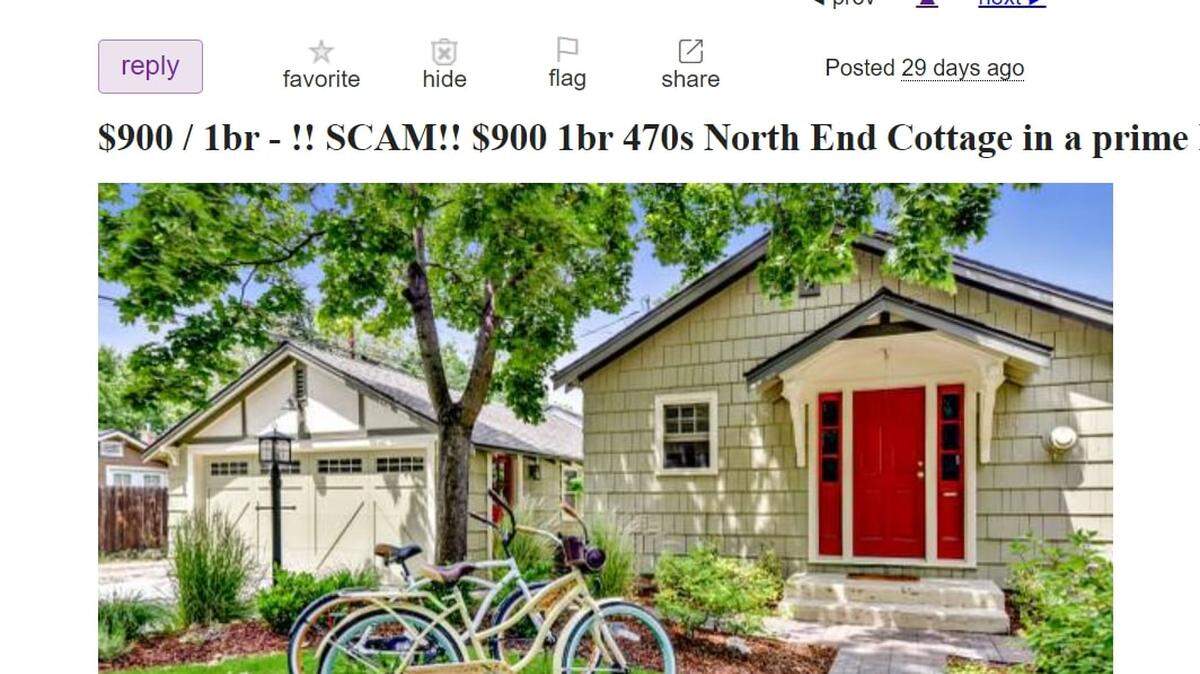
“Email is not a secure environment for anyone to provide their Social (Security number) or an ID,” Swanson said. “We’ve seen a lot of situations where people are posing as a property manager or a landlord to try and get a deposit when they don’t have the house.”
2. Be upfront about potential red flags
Four items landlords and property managers review as part of the application are a credit check, background check, landlord verification and income verification.
For all four categories, if you know that something in your past could possibly disqualify you, Swanson recommends including a note with the application acknowledging what happened previously.
For the credit check, Swanson said many properties will include a minimum credit score where they list application requirements on their website. She recommended using a free credit check service so you can find out whether you qualify before applying. One such service is freecreditreport.com.
If there’s a known reason why the credit score may be low, Swanson advises that you explain why.
As an example, Swanson said your credit score may be lower if you didn’t pay a monthly bill on time. If you can explain that and show proof that the payments are caught up, it may not be disqualifying.
The application-requirements page may also include information on whether the property accepts people with a criminal history.
“If it’s a DUI, it’s not posing a risk to someone else in a building,” Swanson said. “But if it’s someone that has a sexual predator history or violence, we legally take a lot of responsibility when we’re putting them in housing next to families.”
If you have a good relationships with your landlord, Swanson said it’s a good idea to tell the landlord you’re considering moving. The landlord could then send a letter to the possible next landlord confirming that you paid rent on time.
Some applicants have tried to have friends pose as prior landlords, Swanson said, but it’s easy to tell if someone isn’t a real landlord. If you had a poor relationship with a landlord, Swanson said it may be helpful to explain to the new one that it didn’t prevent you from paying on time.
3. Sometimes, you don’t have to have a job
The government deems anyone paying more than 30% of their income on housing as “housing burdened.” Landlords and property managers often want tenants earning 2½ to three times as much as their rent will cost.
If you aren’t making that much, you could get into a difficult situation in an emergency that could put you at risk of not being able to pay the rent, Swanson said. This is part of what strains renters, as wages haven’t increased as fast as housing prices.
“That’s just based on family budget guidelines and what people can afford,” Swanson said. “Once you’re getting to paying half of your household income into rent, it’s a very scary place to be.”
However, the income requirement doesn’t necessarily mean employment is required. Swanson said students may use financial aid checks to show evidence of income.
But she said showing a bank account statement isn’t enough, because the statement may lack information about where the money is coming from.
4. Application fees can be scary
Swanson said she knows spending lots of money on application fees is something tenants often fear.
Application fees in Boise are capped at $30, though a bill has been proposed in the Idaho Legislature to outlaw rental-fee application caps.
This story was originally published March 9, 2022 at 4:00 AM.