Developers’ money flows into ACHD race as voters consider a bruising history. What to know
READ MORE
Idaho Elections 2024
Learn who’s running for state and county offices in Ada and Canyon counties, and follow our coverage of the May 2024 party primaries and the November 2024 election.
Expand All
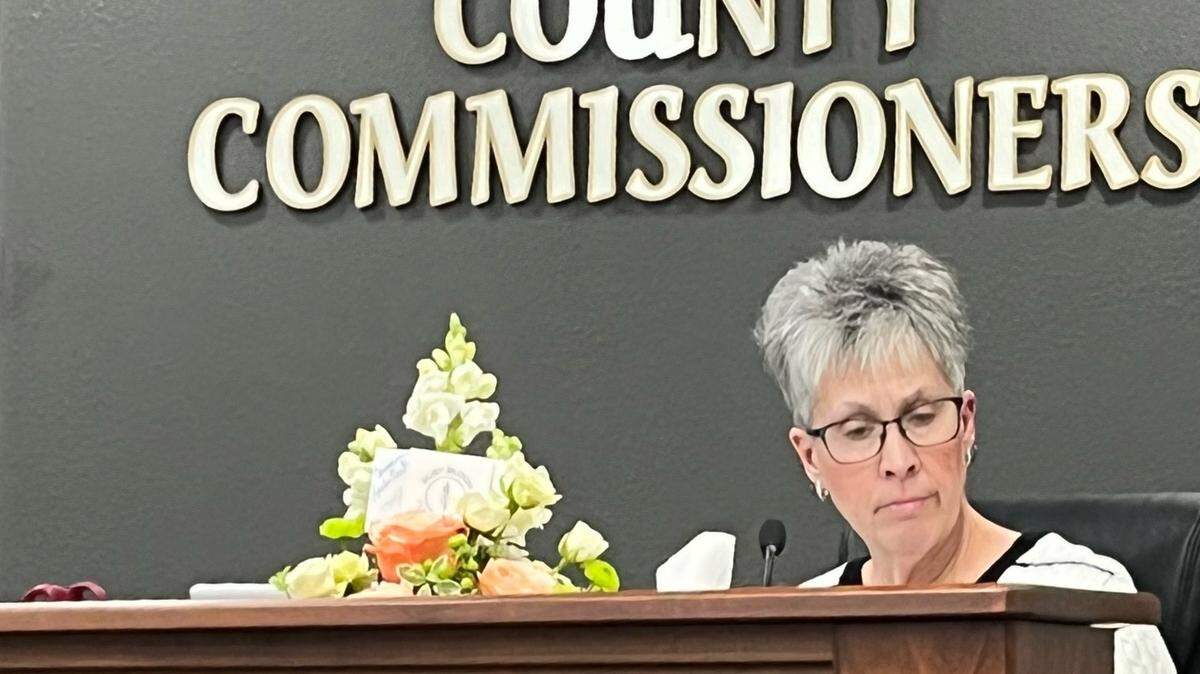
One of the most powerful agencies in Ada County could see a sizable shift in its makeup in the Nov. 5 general election.
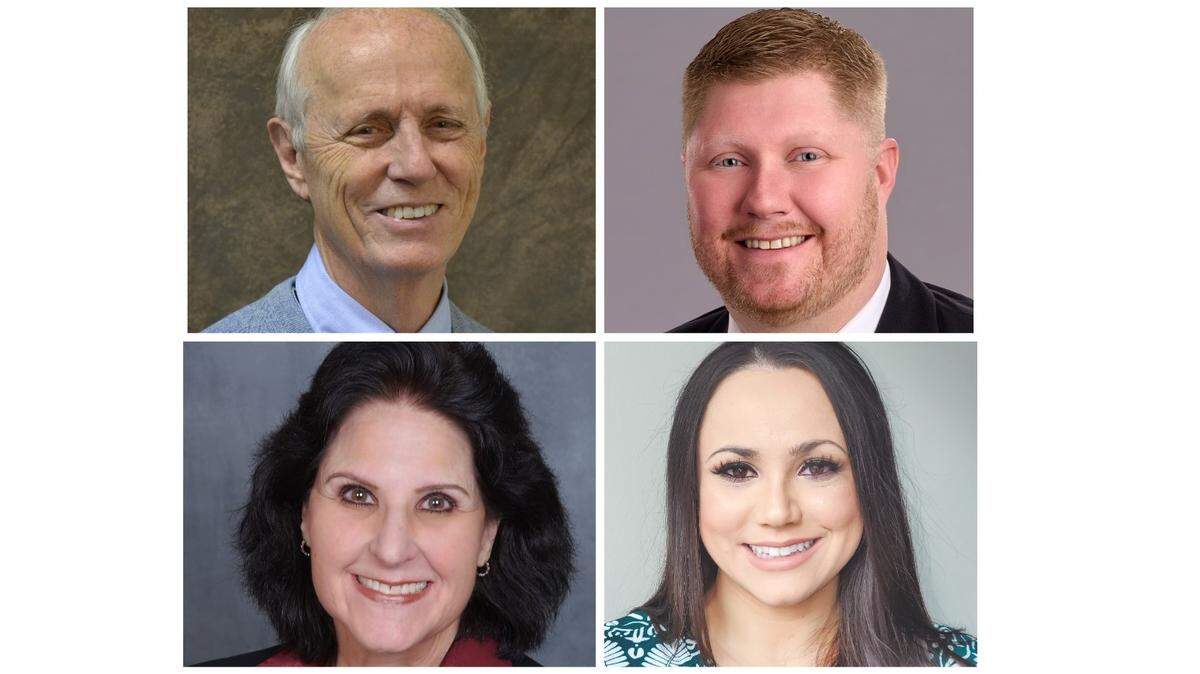
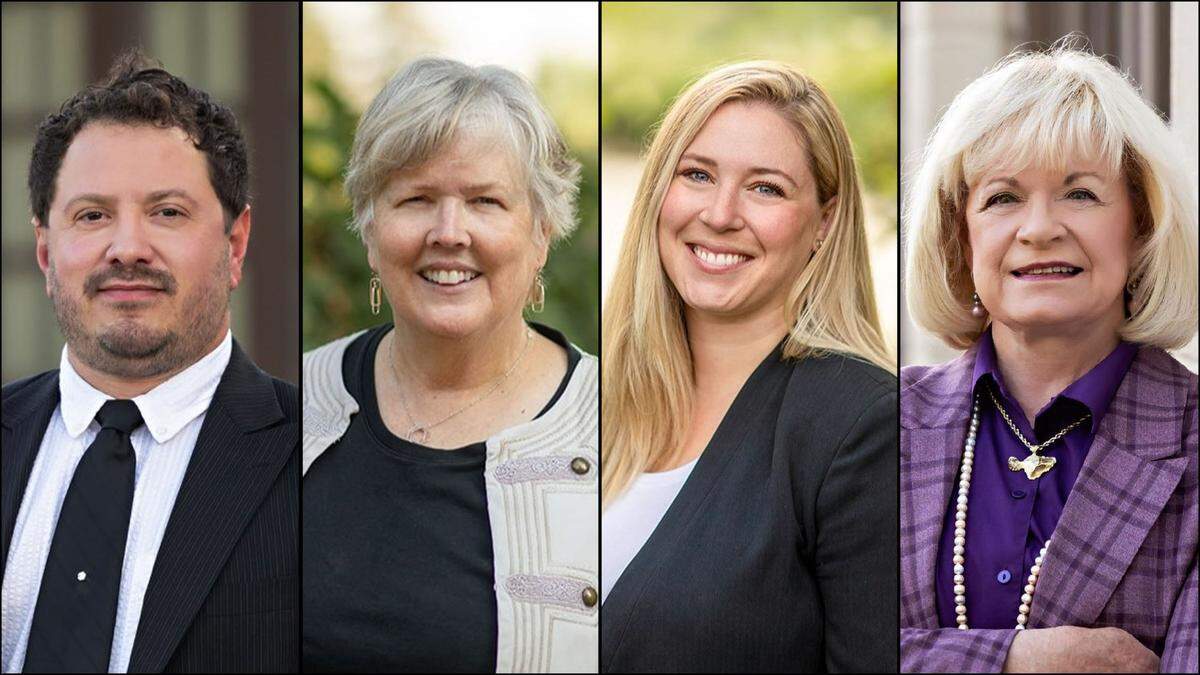
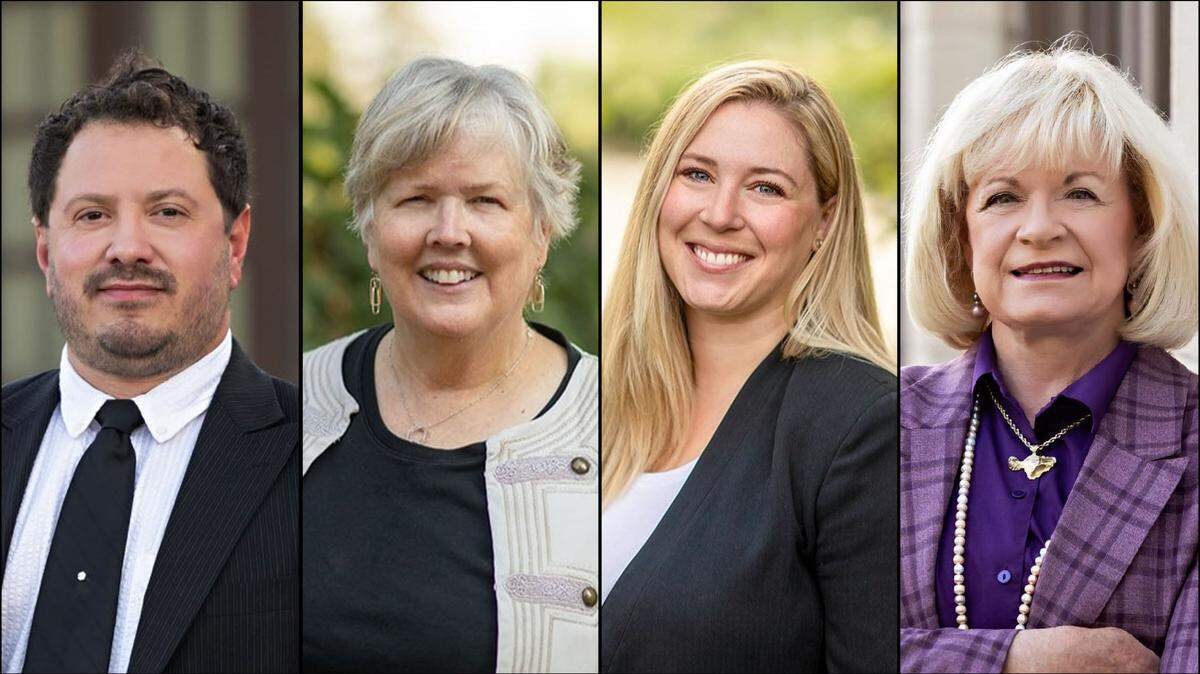
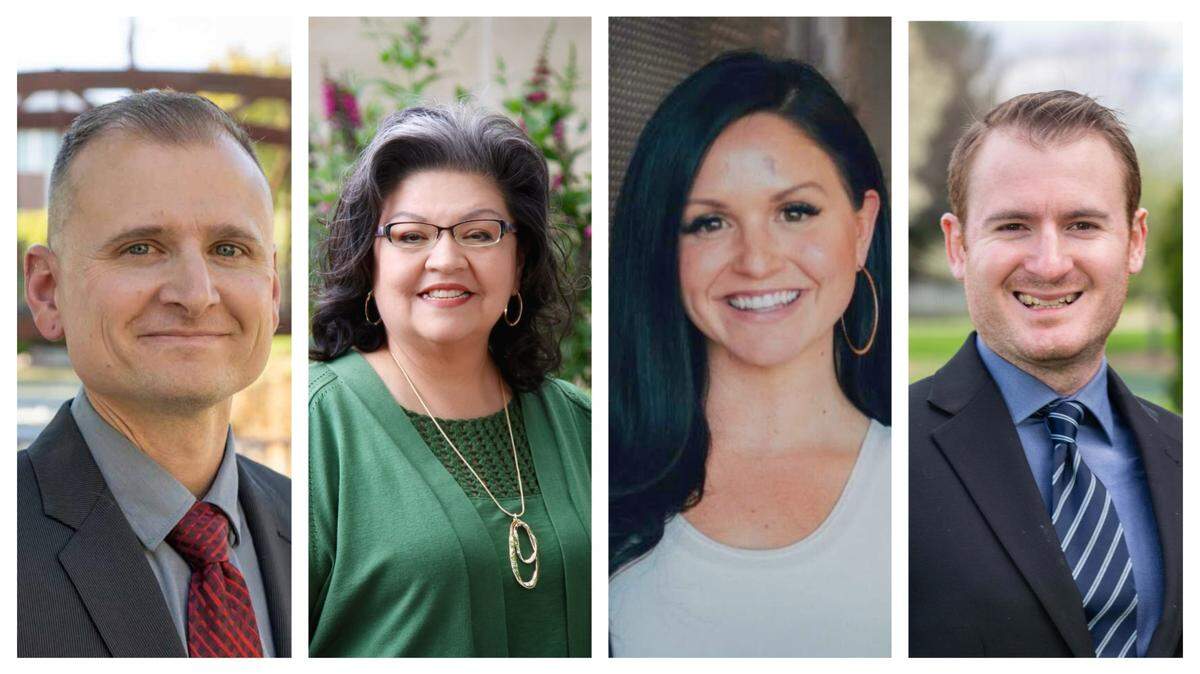
Four candidates are vying for two seats on the five-person Ada County Highway District board.
In most of Idaho — and the nation — cities control their own streets. But amid crumbling infrastructure and uneven quality between county roads and city streets in the 1970s, voters chose to create the highway district as an independent entity from the county and transfer control of roadways to it.
Some 50 years on, the agency’s elected commissioners have the behemoth task of not only overseeing the maintenance of every street and road in the county, but also managing its hefty budget that will hit $233.6 million in 2025, of which nearly $52 million comes from property taxes.
Elected commissioners can heavily influence how the region grows, develops and shifts into the future as they serve their four-year, part-time terms. Though the positions are nonpartisan, it’s not difficult to see the influence of politics at times amid a bruising history and nearly $100,000 in contributions that have already poured into this year’s election.
A contentious history for ACHD’s 2nd Subdistrict
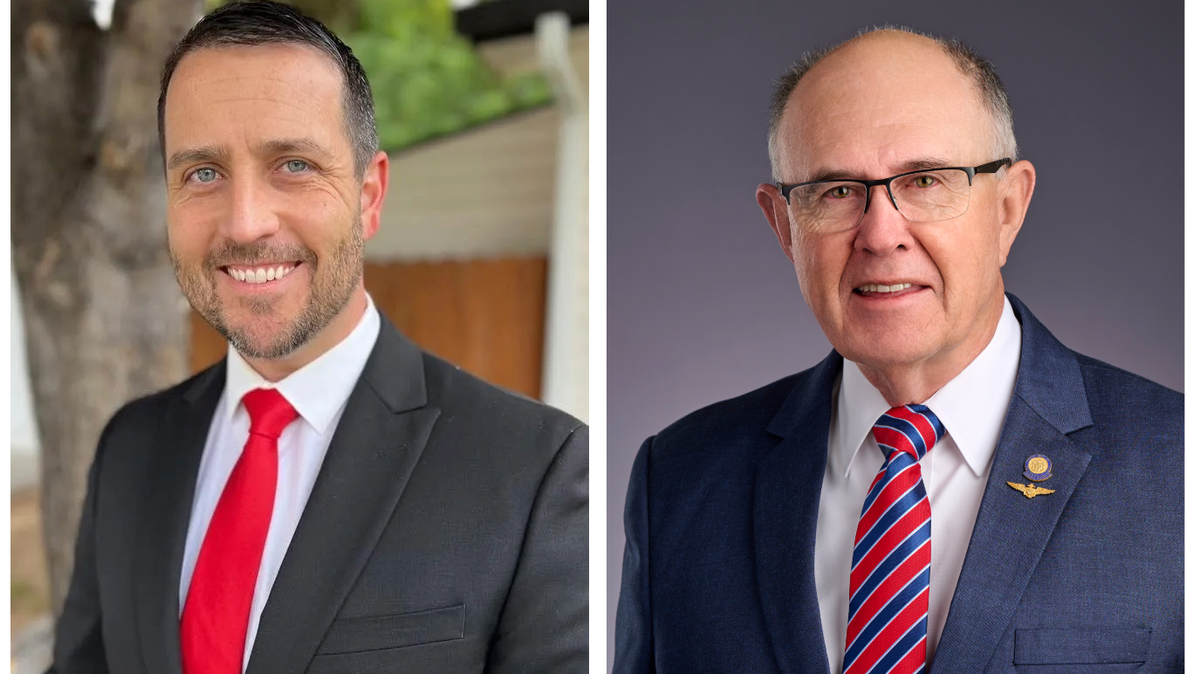
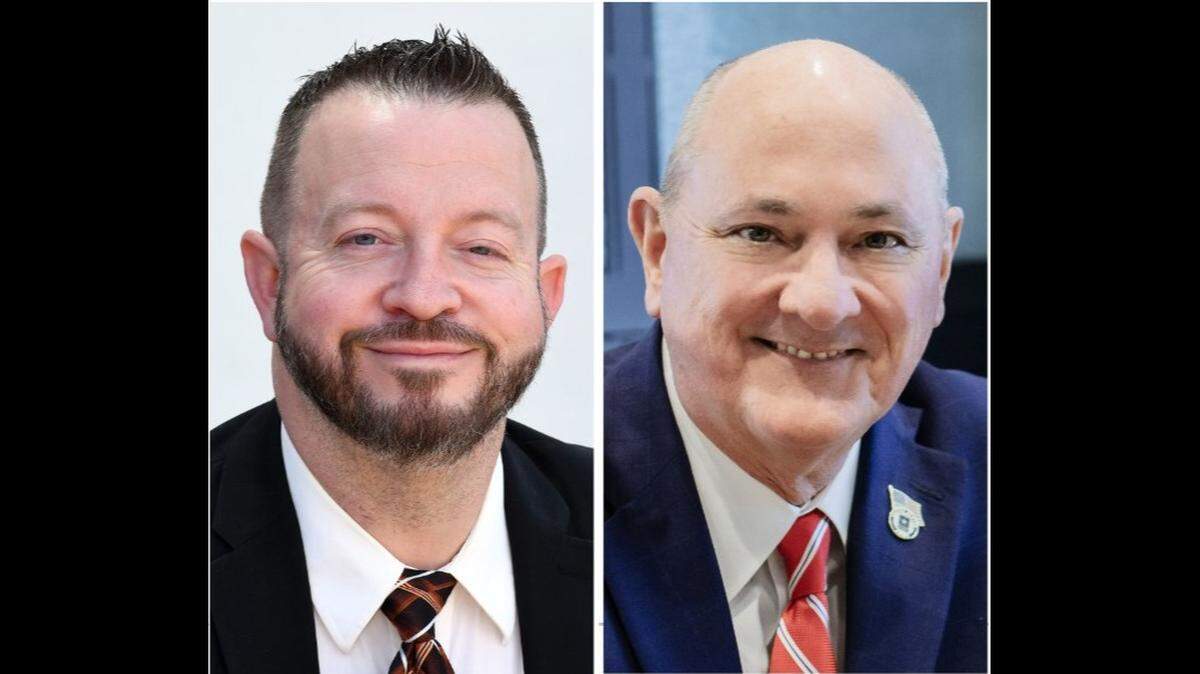
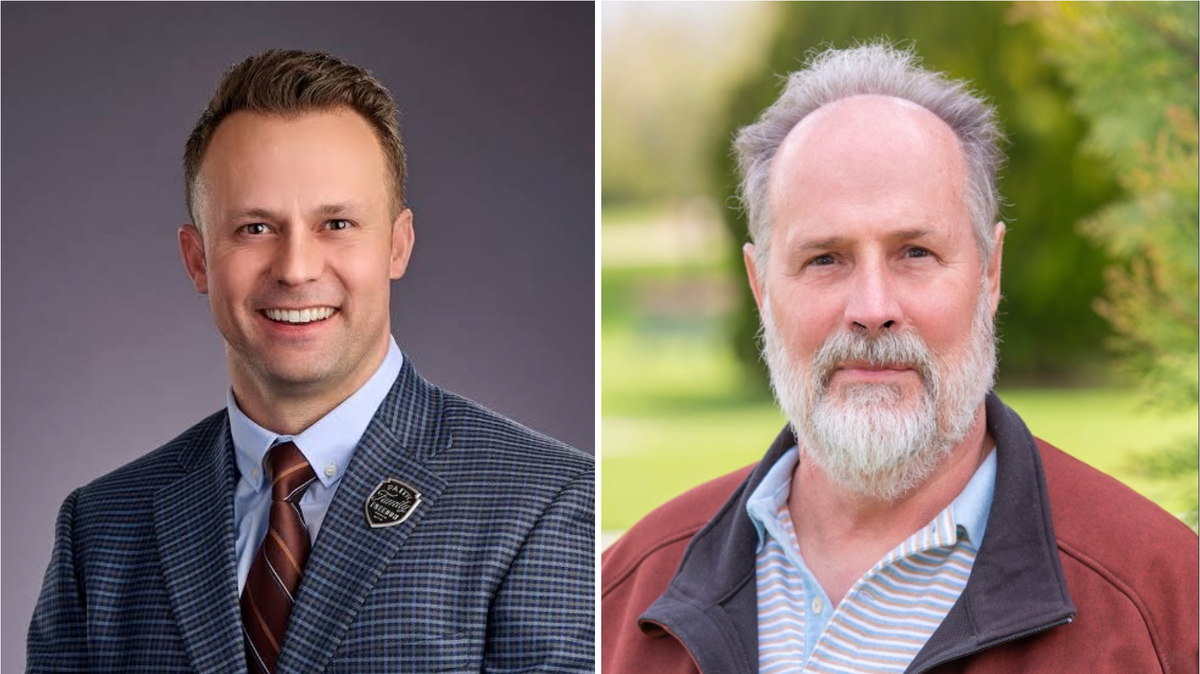
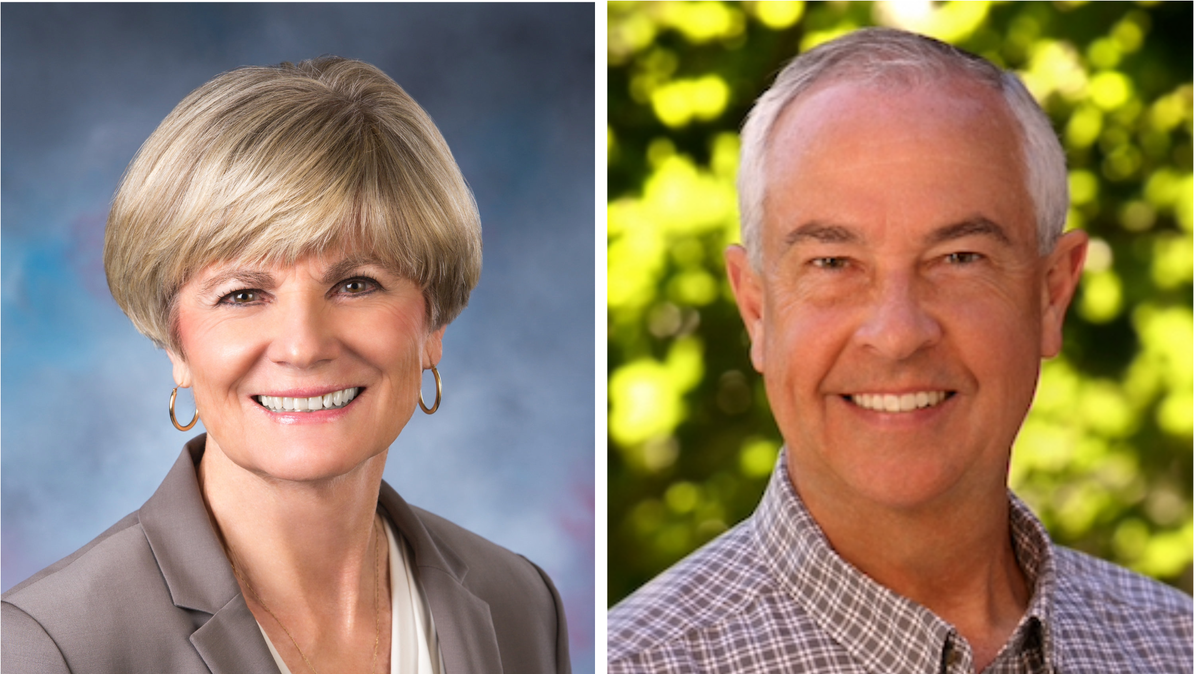
The most money spent, and the biggest fight, has been in a rematch for ACHD’s 2nd Subdistrict between incumbent commission President Alexis Pickering and Ada County Assessor Rebecca Arnold, who spent 16 years on the commission before Pickering beat her in the 2020 election.
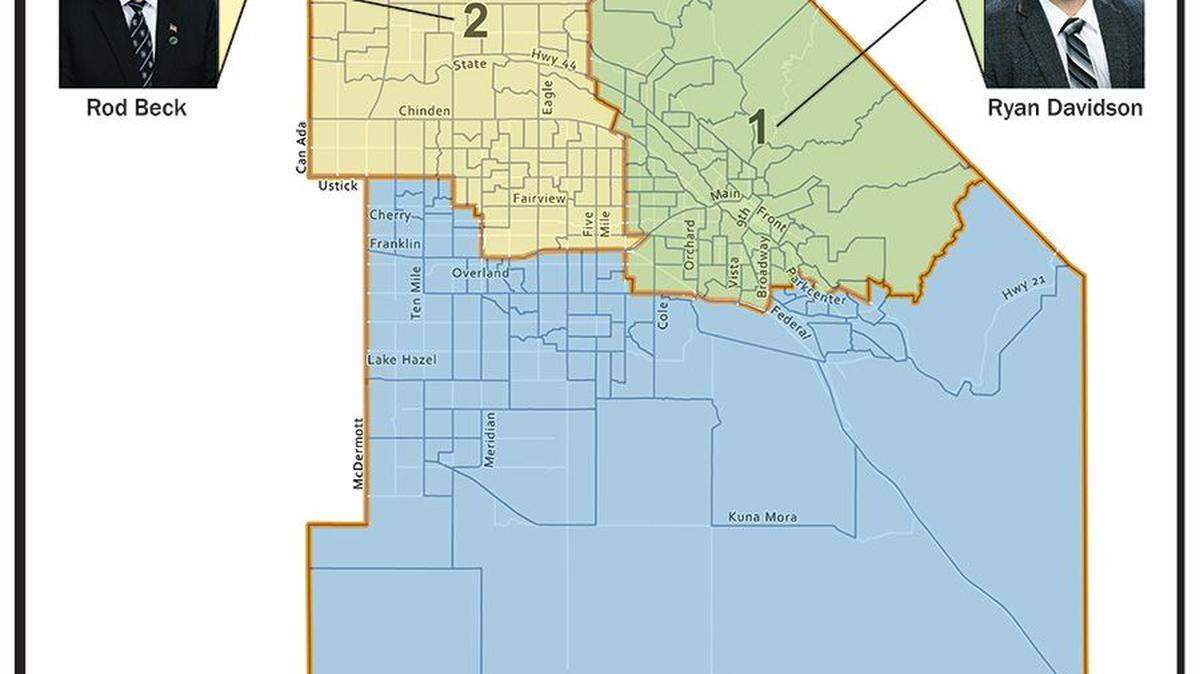
The 2nd Subdistrict covers the West Bench and most of Garden City. It is bordered by Eagle Road in the west, the Boise River in the east and north, and Interstate 84 and Franklin Road in the south.
Arnold, an attorney and former CPA, was first elected to the ACHD board in 2004 and was re-elected three times before Pickering beat her in 2020 on a razor-thin margin of four votes. Arnold sued Pickering and two Ada County officials, alleging that ballots weren’t counted correctly. A judge dismissed the lawsuit.
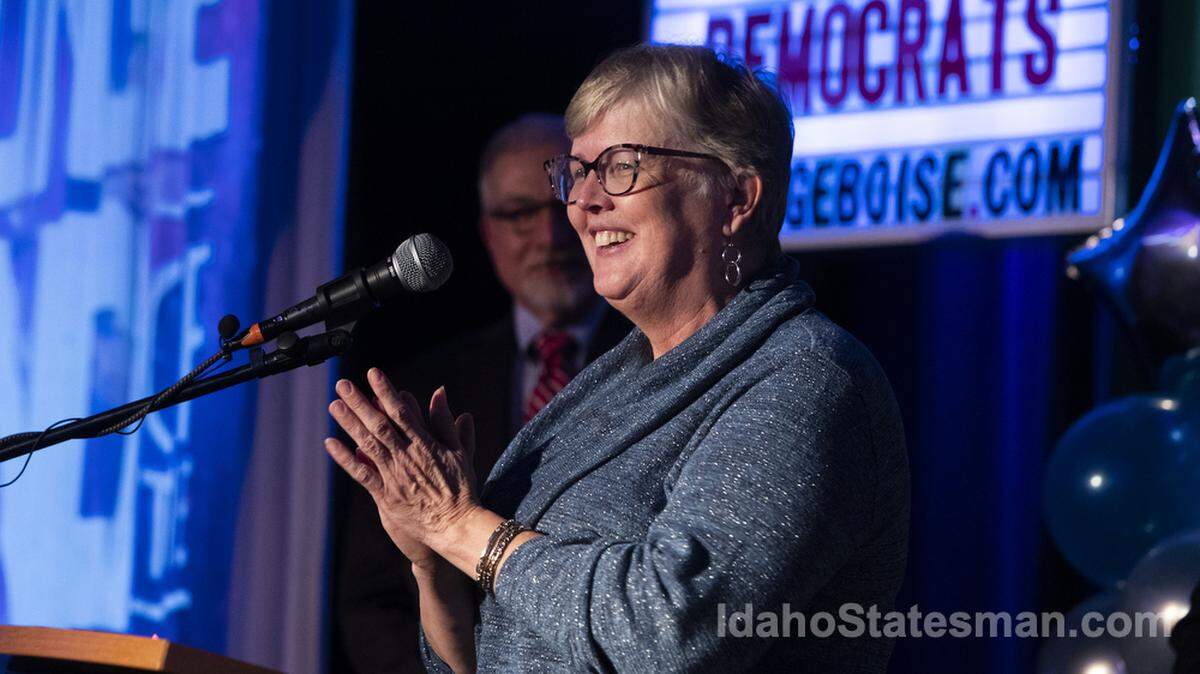
Arnold then beat Eric Berg, chair of the Ada County Democrats, in 2022 to become the county assessor after longtime assessor Robert McQuade retired. Arnold previously told the Idaho Statesman that she intends to stay in her position as assessor if she is re-elected to the ACHD commission.
ACHD commissioners earned about $27,000 in 2023, while Pickering earned about $32,000 as the commission president, according to prior Statesman reporting. Arnold had a salary of just over $125,000 in 2023 as the county assessor.
While she was on the commission, Arnold also unsuccessfully ran for a judgeship in Idaho’s 4th Judicial District in 2014, for lieutenant governor in 2018 and for Boise mayor in 2019.
Planning newcomer versus veteran for ACHD’s 1st Subdistrict
The race for the 1st Subdistrict, which includes south and southeast Boise and runs to the edge of the county, is a microcosm of the race between Arnold and Pickering.
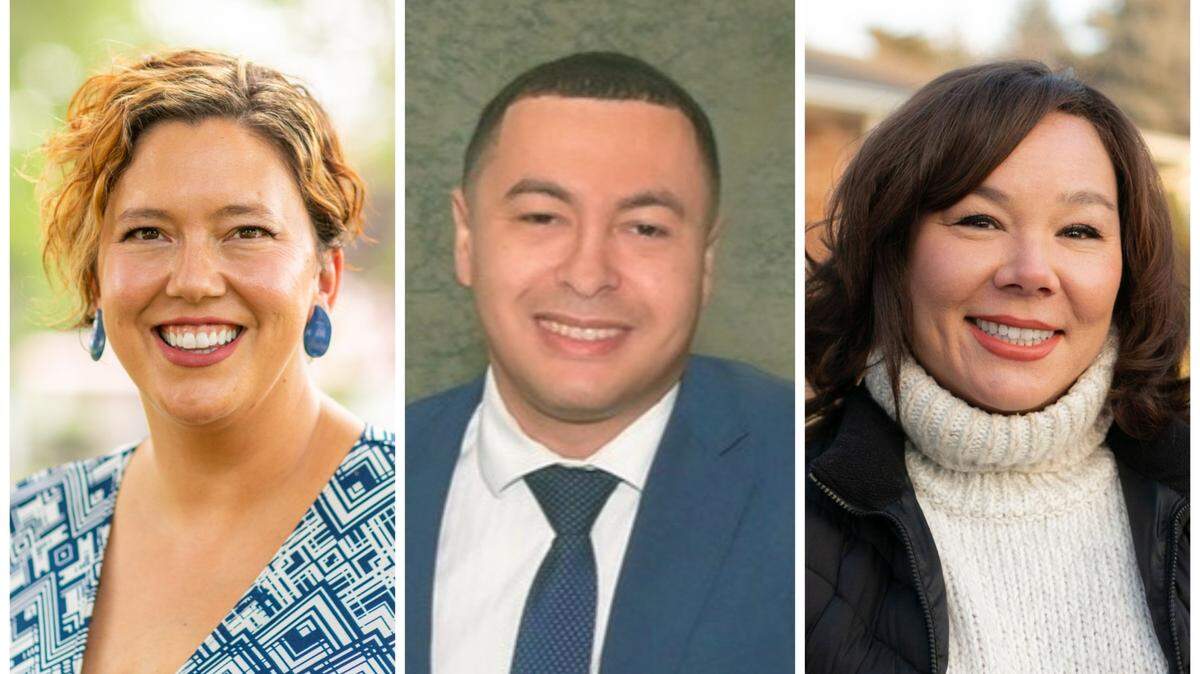
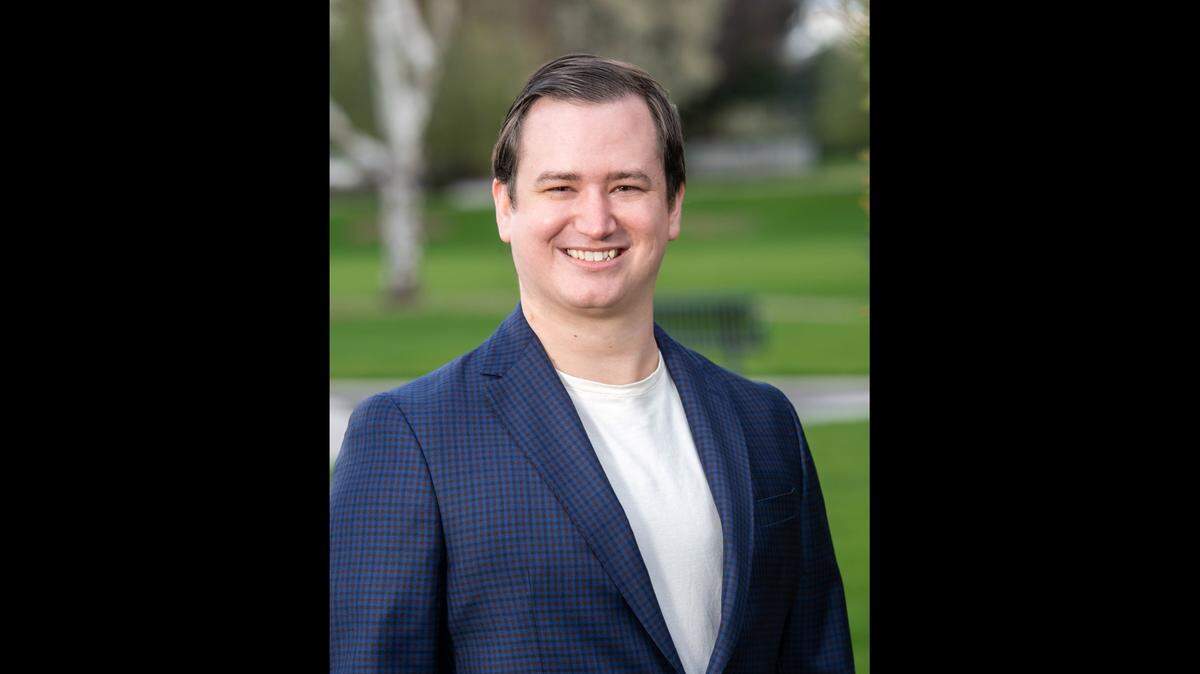
Longtime commissioner Jim Hansen is not seeking re-election to keep his seat and instead putting his weight behind Patricia Nilsson, a retired land use planner who worked for the city of Boise and Canyon County, against Antonio Bommarito, who works in real estate and information technology.
“(Nilsson is) really smart,” Hansen previously told the Statesman. “She’s smarter than me.” He said he was a fan of Commissioner Miranda Gold, Pickering and Nilsson.
Arnold said she met with Bommarito and, while she wasn’t campaigning for him, supported his campaign.
“I’m pretty impressed,” Arnold said. “I think he also has a good grasp of what needs to happen in the rest of the county.”
Nilsson unsuccessfully ran for county commissioner two years ago, while this is Bommarito’s first election. No matter who wins, it will be a first time in an elected position for either of them.
Developers spend big on ACHD race
Local real estate developers are, by far, the biggest donors in the ACHD race and have mostly coalesced behind Pickering and Nilsson.
Of the nearly $100,000 put into the race, Pickering has taken home nearly $63,000 in total contributions from 266 donations since the beginning of the year, while Nilsson has brought in just over $23,000 in contributions from 128 donations through Oct. 23, according to the candidates’ campaign-finance filings with the Idaho Secretary of State.
Pickering and Nilsson share many of the same donors, including David Turnbull of Meridian’s Brighton Corp., Barber Valley Development, and AJ Balukoff, a local businessman who spent 21 years on the Boise School Board and unsuccessfully ran for governor as a Democrat in 2018. Barber Valley Development is run by Boise developer Doug Fowler and is behind the Harris Ranch community in Southeast Boise.
Pickering also received the maximum contribution of $1,000 in Idaho from 28 donations, including a long list of developers that includes Caleb Roope, the president of Eagle’s The Pacific Cos.; David Wali, managing partner of Salt Lake City-based Gardner Co.; and Travis Hunter of Eagle’s Boise Hunter Homes.
Other contributors include Clay Carley of Old Boise and Skip and Esther Oppenheimer of Boise’s Oppenheimer Development Corp., which is building the 26-story Arthur building downtown.
Bommarito and Arnold also share contributors, including the Idaho Association of Realtors PAC and Building Contractors Association of Southwestern Idaho PAC.
Bommarito has received just over $6,000 from 20 donations and $1,310 in loans from himself and Brim Inc., a company he owns. Arnold has received just over $7,000 in contributions from 10 donations and a $6,000 loan from herself. Candidates have no limit on how much of their own money they can donate or lend to their campaigns.
Arnold received $1,000 each from Lori, Winston and Jeff Moore, the latter two of whom are part of Meridian-based commercial developer W.H. Moore Co., for which Arnold was general counsel. The company built the 8th Street Marketplace and Meridian’s nearly 200,000-square-foot CentrePoint Marketplace shopping center.
Arnold said she’d gotten support from some of Pickering’s developer donors in the past, including Turnbull, and wasn’t sure why some developers backed Pickering over her.
“I’m doing my own thing,” Arnold said by phone.
Turnbull said he’d supported Arnold in the past and thought highly of her, but was unaware that she could hold two elected offices at the same time.
“(Pickering) is somebody since she’s been on the commission that reaches out on a pretty consistent basis,” Turnbull said by phone. “We have fairly regular contact that way.”
Turnbull said that if candidates are willing to run and are thoughtful, principled and ask for support, then he generally likes to give them support. Arnold never called, he said.
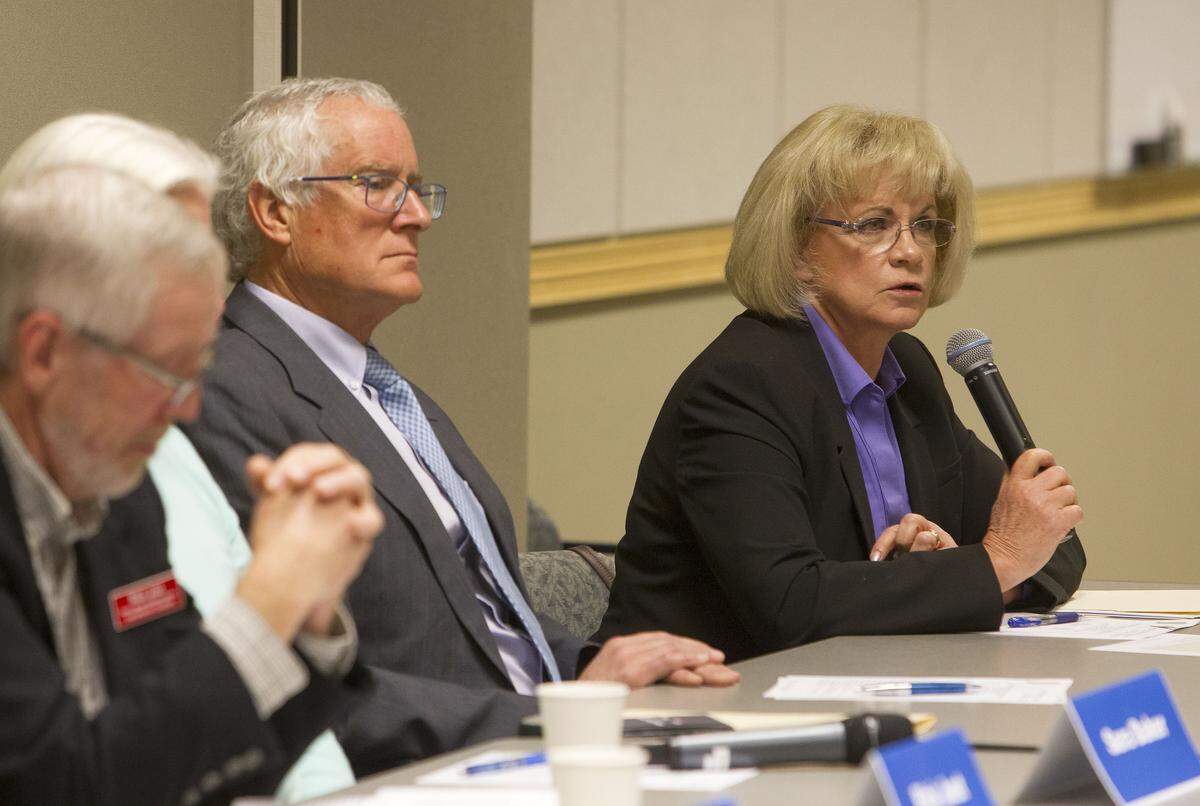
Pickering told the Statesman that one reason she first ran is that ACHD had been a barrier to the type of development people had wanted — such as more sidewalks — and blamed Arnold for creating such an environment. Some developers, she said, didn’t want to go back to that.
“ACHD was in the headlines constantly picking fights with mayors, city council members, just kind of ignoring their wants and wishes,” Pickering told the Statesman by phone.
“It’s easy to see the developer donations, but there’s a lot of diversity in the group supporting me,” Pickering said. “There’s a lot at stake for our cities, for our neighborhoods, to go back to where we used to be.”
A history of fights for Arnold
Pickering said ACHD’s relationships soured under Arnold’s leadership and that she’d worked to repair connections with cities and developers.
Pickering said Arnold was at the forefront of several disputes, including over ACHD’s materials shed in Garden City, which the agency used to store winter road salt. The city denied an extension permit in 2020 over fears that the shed, which was in the Boise River floodplain, could contaminate the waterway, according to prior Statesman reporting. The highway district sued the city.
Pickering said she helped settle the lawsuit and came to an agreement with the city in 2022. The agreement created a timeline for ACHD to phase out the shed and demonstrate compliance with the Department of Environmental Quality in exchange for a permit extension. ACHD was required to renew a floodplain permit from Garden City every year.
“Arnold was pretty defiant about the salt shed,” Pickering said. “I’ve been able to usher in a new chapter.”
”Well that’s not true at all,” Arnold told the Statesman. “There was no direct connection to me with that.”
Arnold said there was no specific issue between her and Garden City over the salt shed and the commission had come to the decision. Then-commissioner Mary May, now an Eagle City Council member, was the commission president at the time.
“The commission was between a rock and a hard place,” Arnold said.
Arnold has been central to several other disputes, including when she and her husband, Thomas, sued the city of Stanley six times from 2009 to 2014 while trying to develop a subdivision. The legal fees cost the then-city of 68 residents tens of thousands of dollars, according to prior Statesman reporting.
Arnold said the fight started when they submitted a plan that the city of Stanley and neighbors didn’t want.
“They frankly didn’t have any respect for property rights,” Arnold said. “They just refused to honor our private property rights.”
Arnold said they won the first case, then had two settlements in their favor. The Idaho Supreme Court ruled against the Arnolds in one of the cases, but she said the only reason they lost that case is because they lacked the standing to bring it.
Upset Stanley residents campaigned against Arnold’s 2014 election for the 4th Judicial District, even though Stanley is in Custer County and not a part of the 4th District, according to prior Statesman reporting.
“That’s the thing with running for public office: People will look for things to attack you on,” she said.
The Arnolds have since sold some of the lots in the subdivision, and one of them has a house under construction, she said. According to the Custer County Assessor property database, the Arnolds still own seven parcels in Stanley with a total assessed value of over $1.6 million.
She was also at the center of a firestorm in 2018 when ACHD spent $25,000 to widen a one-lane bridge that would have benefited only eight residences belonging to four families — including the Arnolds and Winston Moore’s. The board chose not to spend another $30,000 to continue the project.
Arnold said that when the bridge was built, it didn’t comply with Americans with Disabilities Act requirements, ACHD’s own policy or international fire codes. The bridge, which she says is a public road, is still a problem.
“There’s so much misinformation printed about the bridge widening,” Arnold said. “People have accused me of trying to get funds to fix a private road. I didn’t authorize any funds to go towards it, because I voted no on the budget.”
She said the fire department can’t get tankers or ladder trucks over the bridge if a house catches on fire.
“I lost my mother in a house fire, so I really … that’s a concern that hits close to home for me,” Arnold said.
Relationships with Treasure Valley cities
Arnold said she didn’t know why Pickering or others thought she had strained relationships with cities in the Treasure Valley.
“I don’t know where that’s coming from, but I don’t think that’s true,” Arnold said. “I don’t have a bad relationship with the cities.”
Arnold said the relationship between ACHD and the city of Boise had been rocky during former Mayor Dave Bieter’s time in office, but that it improved once Mayor Lauren McLean was sworn into office in 2020. Bieter, who frequently lamented that City Hall had no control over Boise’s streets, called Arnold “one of the most contentious public servants that I’ve ever been around” during the 2019 mayoral election. Arnold came in third in the seven-person November election, with McLean beating Bieter in a December runoff.
Garden City Mayor John Evans, who has been in office since he was first elected in November 2005, wouldn’t say how the city’s relationship with ACHD had changed since Arnold lost to Pickering. However, he said Pickering has reached out more to ask what the city needs.
Eagle city spokesperson Dana Biberston said by text, “We have a strong working relationship with ACHD and appreciate their work in the city of Eagle to complete important projects.”
Lindsay Moser, a spokesperson for the city of Boise, said the city wouldn’t comment on this year’s elections. A call to Meridian Mayor Robert Simison’s office requesting comment was not returned.
Relationships with the Idaho Legislature
While Pickering has strong words for Arnold’s relationships with cities, Arnold has her own issues with Pickering’s relationships with the Idaho Legislature, which helps fund many of the agency’s projects.
“The relationship between ACHD and the Legislature is the worst it’s ever been,” Arnold previously told the Statesman. “We need to repair that relationship.”
Arnold said she’d received phone calls from legislators in both parties who were upset with how ACHD was spending money and with how projects were being redesigned and delayed, such as the agency’s move to reduce a commuter-heavy stretch of State Street from four lanes of traffic to three.
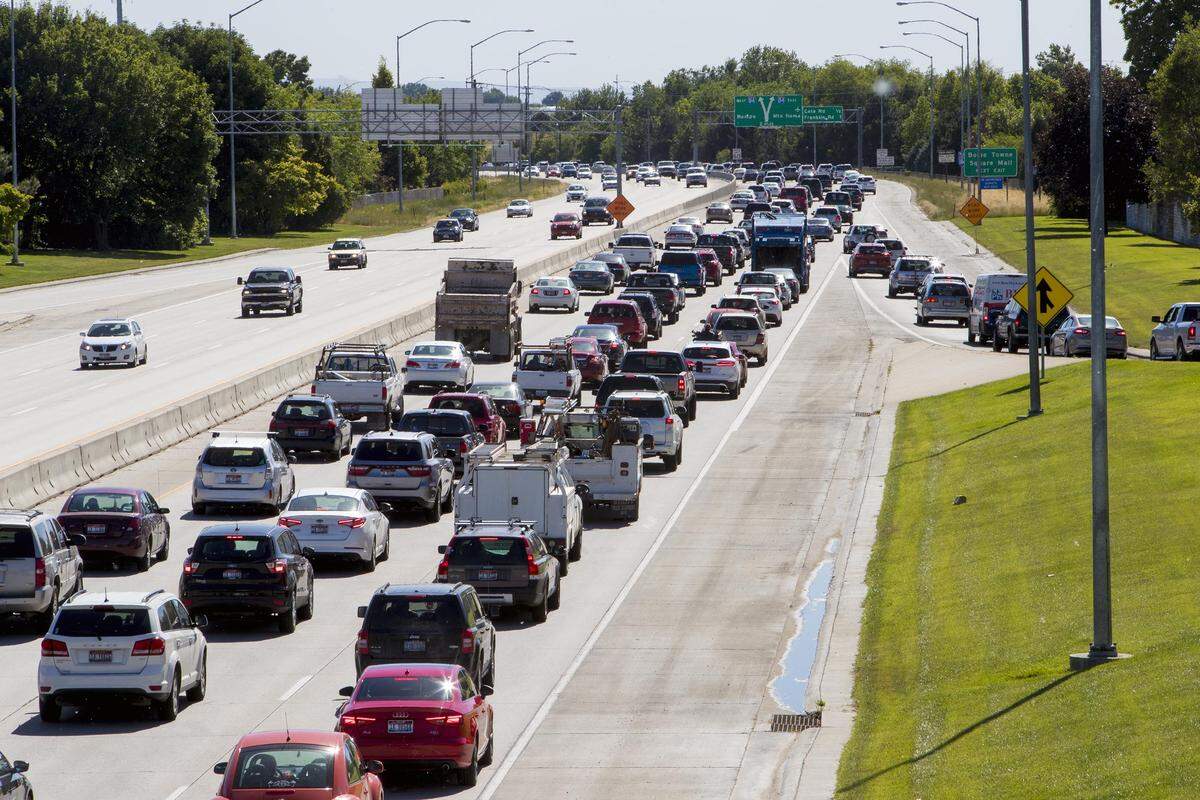
“There’s a lot of frustrations out there,” Arnold said. “Traffic congestion has gotten worse instead of better.”
Those changes to State Street between 8th and 14th streets came after a spate of pedestrian and bicyclist accidents, and two deaths, on or near that stretch of road. The proposed changes, ACHD says, would make it safer. Arnold said they would cause more congestion.
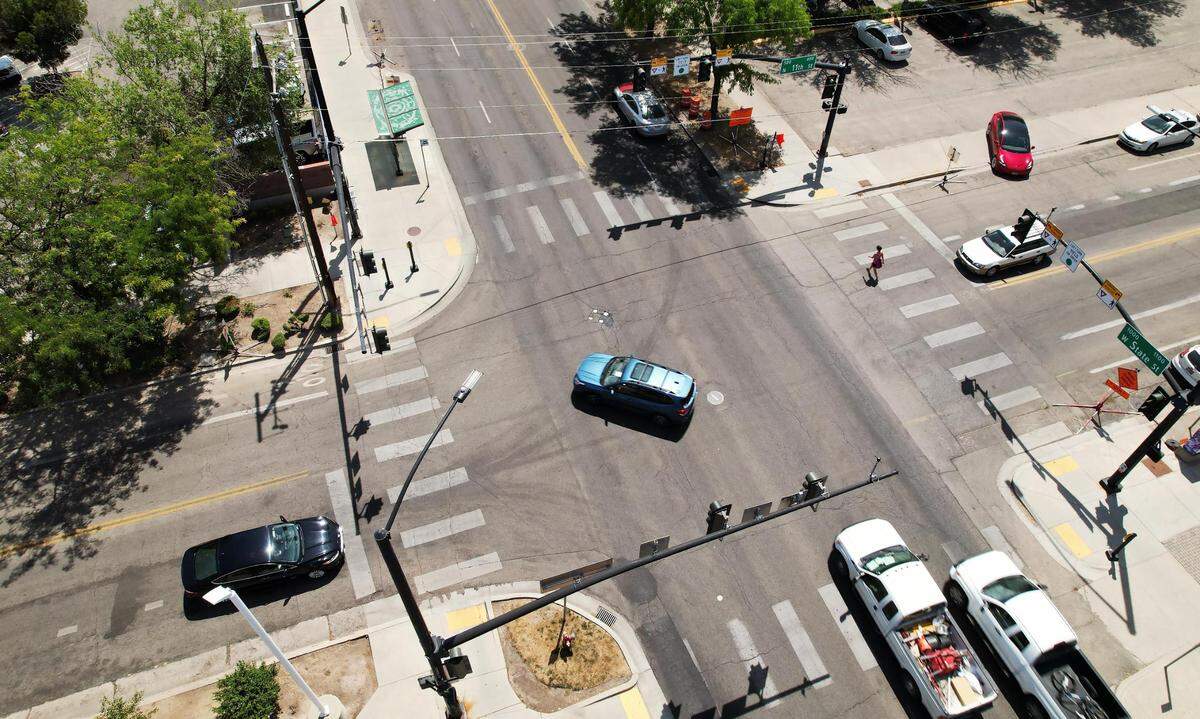
Arnold has traditionally supported building more car-centric infrastructure, while Pickering has leaned into building more infrastructure for different types of transportation such as bikes or buses.
Bommarito, who is running for the 1st Subdistrict, generally aligned with Arnold’s view and said the agency had spent over 40% of its budget on non-traffic-related items. He said building more bike lanes came at the cost of not alleviating congestion.
Arnold blamed Pickering, along with commissioners Miranda Gold and Jim Hansen, for teaming up and scrapping the State Street plans the Legislature had supported. She said that with Boise as the capital city, residents need access to lawmakers the way most Idahoans get around: by car.
Arnold, a registered Republican, was also concerned about Pickering’s role as executive director of Conservation Voters for Idaho, a Boise-based political nonprofit focused on protecting the environment. Pickering is registered as an unaffiliated voter, and Conservation Voters for Idaho is not running endorsements in the ACHD race because of Pickering’s position.
“I don’t think Alexis (Pickering) is a bad person, but she does not have a good relationship with the Legislature, she doesn’t have credibility with them,” Arnold said. “I have a good rapport with members of the Legislature so it’s easy for me to help in that regard. … I’m able to work with them and get things done.”
Pickering said Arnold’s characterization of her relationship with the Legislature was a misrepresentation. She said she had helped secure $36 million for projects related to Idaho 16 near Ada County’s western edge. The Idaho Transportation Department is working on an extension of the highway south to Interstate 84.
“I think what (Arnold is) latching onto is that there can be political grudges for her loss four years ago and Commissioner (Mary) May’s loss two years ago,” Pickering said. “It’s definitely not a bad relationship.”
May, now an Eagle City Council member, served as a commissioner from 2019 to 2023 and represented the 3rd Subdistrict, which runs from downtown Boise and through Eagle, Star and parts of Garden City.
She served as commission president in 2020 and 2022 before Gold unseated her.
Despite Pickering saying the agency didn’t have a bad relationship with the Legislature, she said the agency had “been under attack” by it.
After the 2022 election, when supporters of multimodal transportation became the majority on the commission, the Legislature passed a bill that limited the amount ACHD could spend on projects not directly related to cars, according to prior Statesman reporting.
In February, Rep. Josh Tanner, R-Eagle, proposed a bill to scrap ACHD’s nonpartisan, five-person board and replace it with a seven-person, partisan board with boundaries redrawn by the Republican-controlled Ada County Commission, according to prior Statesman reporting. That bill failed.
Who controls the future of our cities?
Much of the battle for ACHD’s 2nd Subdistrict comes down to how Pickering and Arnold see the role of the agency. Pickering said the agency’s decisions are dictated more by the cities and how residents want to grow, while Arnold said ACHD shouldn’t take direction from one city or another.
“The agency is supposed to look at the big picture,” Arnold said. “Their mission is to build a system that works for the entire county.”
Pickering said that approach is one of the things that led to the challenging relationship between ACHD and cities in the past. Pickering said ACHD now tries to provide multiple design options for projects and to communicate with cities and communities about what is possible.
“Growth looks different in each of these communities,” Pickering said. “We’re constantly having to keep up.”
John Evans, the mayor of Garden City, said both views are needed.
“They’re both right, because you have to have a district-as-a-whole view at some level. … But there also needs to be some mechanism for local control for cities,” he said. “If we could have a composite candidate, we’d all be really thrilled.”
Finding (somewhat) equal ground in the 1st Subdistrict
Nilsson and Bommarito share some similarities — and a few notable differences — in their race for the 1st Subdistrict.
Both emphasized the need for ACHD to get the community involved in decisions and localizing projects.
“I think there’s really a value of working on what I call low-altitude planning,” Nilsson said. “Really getting people engaged in deciding ‘what do we want to look like in 10-12-15 years?’”
Nilsson said it is painful for her to watch leaders in the community pit one against the other, like pitting cars against bikes. “I don’t think that benefits anybody,” she said.
Bommarito said he wanted to call the mayors and the average mom or dad or student to ask them what they need and what projects should look like. “There should be a way for people to voice those concerns,” Bommarito said.
But Bommarito took a harder stance against ACHD than Nilsson, saying the agency had been secretly pushing through changes over the last several months and that there had been a distinct lack of transparency.
For instance, Bommarito said the agency had changed light timings to make pedestrian walk signs last longer, bumping up the time people wait at red lights.
“You never hit a green, you never hit a yellow anymore,” Bommarito said.
According to Rachel Bjornestad, a spokesperson for ACHD, the agency implemented an initiative to install leading pedestrian intervals across the county, which adjusts traffic light timings by giving a head start for pedestrians. These sorts of changes have been shown to reduce pedestrian crashes by 13%, she said.
“This does not necessarily result in slowing of actual traffic,” Bjornestad said. “Some locations where traffic is heaviest may see minor impacts (a few seconds) during the busiest times of the day, but for the rest of the day when there is available capacity, impacts would be minimal.”
Bommarito said that the small reduction in crashes wasn’t worth it and that while even one death is too many, it’s on drivers, bikers and pedestrians to pay attention.
“Walking is an inherently dangerous activity,” Bommarito said. “So is riding your bike. So is getting in a car.”
During routine background checks of candidates, the Idaho Statesman discovered that Bommarito was arrested in 2006 for trespassing and resisting or obstructing officers. Bommarito said he’d just turned 21 and “got a little rowdy” at a Boise State University football game. The trespass charge was dismissed, but he was found guilty of the other one.
This story was originally published October 26, 2024 at 4:00 AM.



.jpg)