School staff cuts. Vacant fire stations. What ballot defeats mean to Ada, Canyon counties
READ MORE
Idaho Elections 2024
Learn who’s running for state and county offices in Ada and Canyon counties, and follow our coverage of the May 2024 party primaries and the November 2024 election.
Expand All
The joint fire district for Middleton and Star faces the prospect of two soon-to-be-built fire stations sitting empty and unstaffed. The Caldwell School District plans to shrink its workforce. Nampa will need to delay construction on street projects citizens have said would reduce congestion — a high priority in the fast-growing city.
All three are scrambling to figure out a plan B to fund “very needed improvements,” as Tom Points, Nampa’s senior director of public works, called his city’s proposed projects, after proposed property tax increases failed in the May 21 primary election.
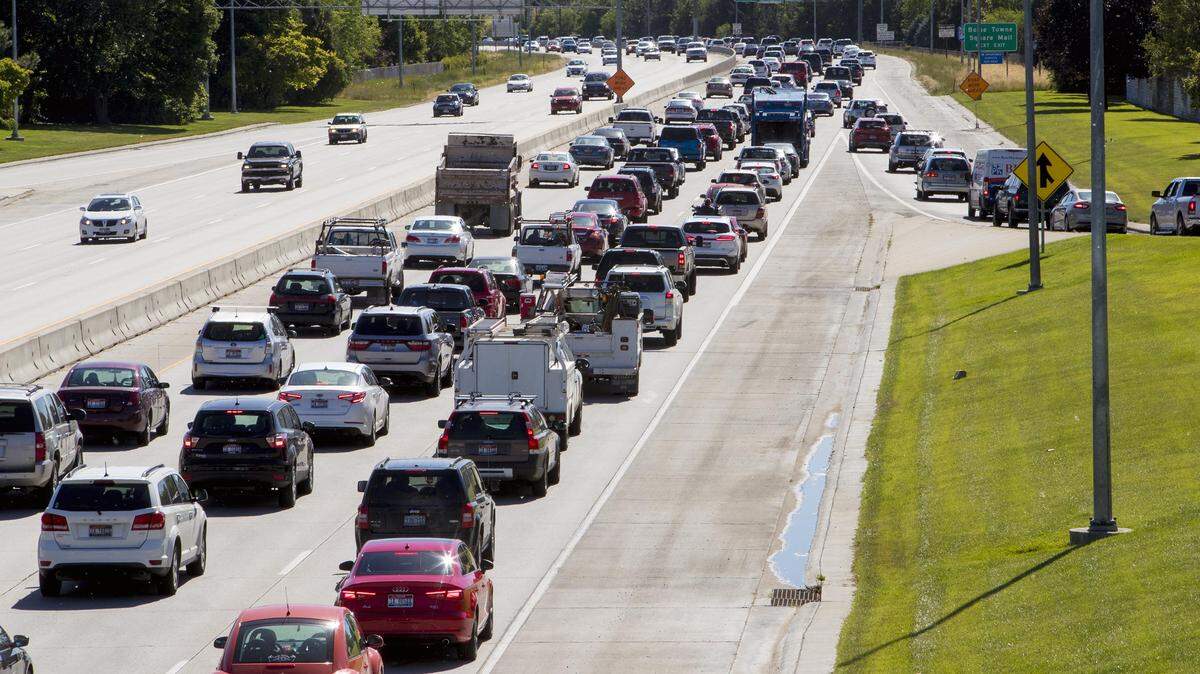
Much of the proposed funding was intended to address the area’s rapid growth. In Middleton and Star, the fire district aims to build and staff new stations to improve its emergency response times, which have been creeping up amid rising numbers of calls — and traffic and construction blocking the roads. The Canyon County Ambulance District is in a similar position.
Of seven levies and bonds — types of tax increases — on the ballot, six failed. The proposed funding included:
A $38 million bond to help rework congested and problematic intersections and roads in the city of Nampa.
A $8 million levy to allow the Canyon County Ambulance District to add stations, ambulances, equipment and staff.
A $4.1 million-per-year levy to supplement state funding for Caldwell schools for two years.
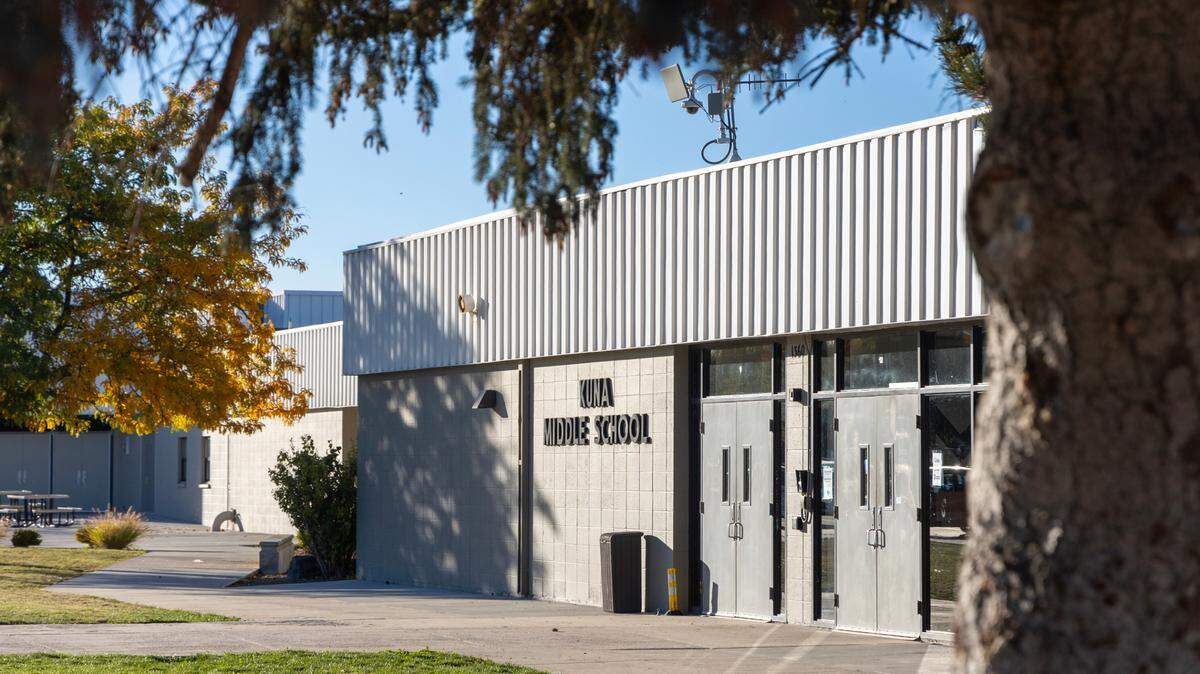
A $5.3 million-per-year levy to supplement state funding for Kuna schools for two years.
A $2.25 million levy to help retain and hire firefighters and improve response times in the Middleton Star Fire District.
“The voters spoke loud and clear across the board,” said Michael Stowell, chief of Canyon County Paramedics. “It isn’t anti-fire, anti-school … It was an anti-tax” vote.
The seventh levy, to support West Ada schools with $13.8 million per year for two years, passed with over 58% of the vote.
The two-year school levies required only a simple majority of votes to pass. Bond measures, which require borrowing, require a two-thirds majority. The Nampa bond, for example, failed even though it had the support of over 55% of voters.
Construction delays in Nampa
Points said the failure to secure funding for Nampa’s “general obligation” bond was a setback that would delay the start of the multiple projects involved, including improvements to its Marketplace and Midland intersections; the creation of a 12th Ave. to 11th Ave. “crossover corridor”; and a rework of traffic patterns around Library Square.
But he expressed optimism that the city could “bridge the gap” with alternate sources of funding for these projects, including federal, state and local grants.
“We’ll be looking to get some of these projects more shovel-ready” — more fully designed, planned and ready for construction — “which gets the grant applications funded easier,” Points said.
And in the meantime, the city is exploring lower-cost ways to tackle congestion, an issue that residents have said is among their top priorities. For example, Nampa has been able to synchronize and manage its traffic signals from one central point.
Without any construction, “we’re able to optimize the system with what we have today.”
Few options for Middleton and Star Fire District
Greg Timinsky, the chief of the joint Middleton Star Fire District — a partnership of the Middleton and Star fire departments that shares leadership to save money — says he has far fewer options to secure the improvements his district needs. After levies in both Middleton and Star failed — securing only about 40% of the votes in each city — Timinsky said he expects to try again in the November general election.
The Middleton and Star levies would have helped to staff two new fire stations that are already being built with money from “impact fees” that municipalities impose on developers to offset the impact of new developments.
If the levy fails again in November, those new stations “will be empty. They will not be staffed,” Timinsky said. “They will be built, and then we’ll try again in May,” he said.
.jpg "image003 (1).jpg")
He blamed the failure on a lack of public understanding about what the levy would mean for taxpayers. Many, he said, thought that because it was a “permanent” increase, their tax rates would continue to rise year after year.Instead, he said, it would be a one-time adjustment.
“I felt that we didn’t do a good enough job explaining truly what that means,” Timinsky said.
Starting June 20, the fire district is hosting classes to explain to the public what a levy would entail and why it’s needed. Among residents who are more active in the political process — responding to the district’s emailed survey and coming to open houses — the fire district had secured high levels of support for the levy. But its failure in the election suggests there’s more work to do to reach people who are less involved, Timinsky said.
“Most people that show up are supportive,” he said. “I would love to have the people that are not supportive show up and challenge me, ask me those questions.”
Timinsky pinned much of his district’s struggles on a bill the Legislature passed in 2021 that capped the amount of new property tax dollars local governments could take from new development.
The joint Middleton Star Fire District says it hasn’t been able to save enough since joining forces in 2019 to keep up with growth. Population increases, the property tax budget cap and rising construction costs have left the department unable to keep up with staffing and operational demands, the Idaho Statesman previously reported.
‘The need is not going away’ for Canyon County Paramedics
Canyon County Paramedics likewise have relatively few options beyond going back to voters in the fall, Stowell said. But he believes his organization has set a strong educational campaign in motion to combat widespread “confusion” about which areas the paramedics serve, what their needs are, and what the levy would entail.
The paramedics will also be looking for grants, Stowell said, and trying to re-prioritize the projects to ask voters for a smaller sum in November.
Paramedics may “levy like we did, but just for a smaller amount — but we do have to go back, because the funding is not there,” he said. “I get it: Times are tight for personal expenses, but the need is not going away.”
And the needs are stark. Paramedics’ response times have been creeping up in recent years, as have day-to-day shutdowns of some units on days when there aren’t enough staff. Station 41, one of the paramedics’ busiest, will shut down within the next two years, now that the hospital campus on which it sits has been sold for development.
“We have to replace that somehow,” Stowell said.
Over in Caldwell, trustees on Tuesday gave the school district’s administration permission to cut staff and make other cuts to address a deficit caused by the failed supplemental school levy, Idaho EdNews reported. The board plans to meet again June 3 to give more specifics about the impact of the deficit.
Travis Manning, the vice chair of the board of trustees, expressed his frustration to Idaho EdNews.
“For 85 out of 115 school districts in the state of Idaho, they have supplemental levies,” Manning said. “And so, one may ask: Why? Why do you run supplemental levies? The state should give you enough money. And, unfortunately, what has happened over time is the Legislature has neglected their civic duty to fund … public schools.”
This story was originally published June 1, 2024 at 4:00 AM.











.jpg)