A denser, big-city feel: Council offers new vision for Boise’s future — and affordability
READ MORE
Affording Boise: Rental housing
Soaring rents. Skyrocketing home prices. The double-digit rates of increase in the costs of Boise-area housing create increasingly urgent problems for low-income, working-class and even moderate-income Idahoans who need places to live. Affording Boise is a series of Idaho Statesman special reports on housing. This collection focuses on rental homes, including apartments. A separate collection focuses on homeownership.
Expand All
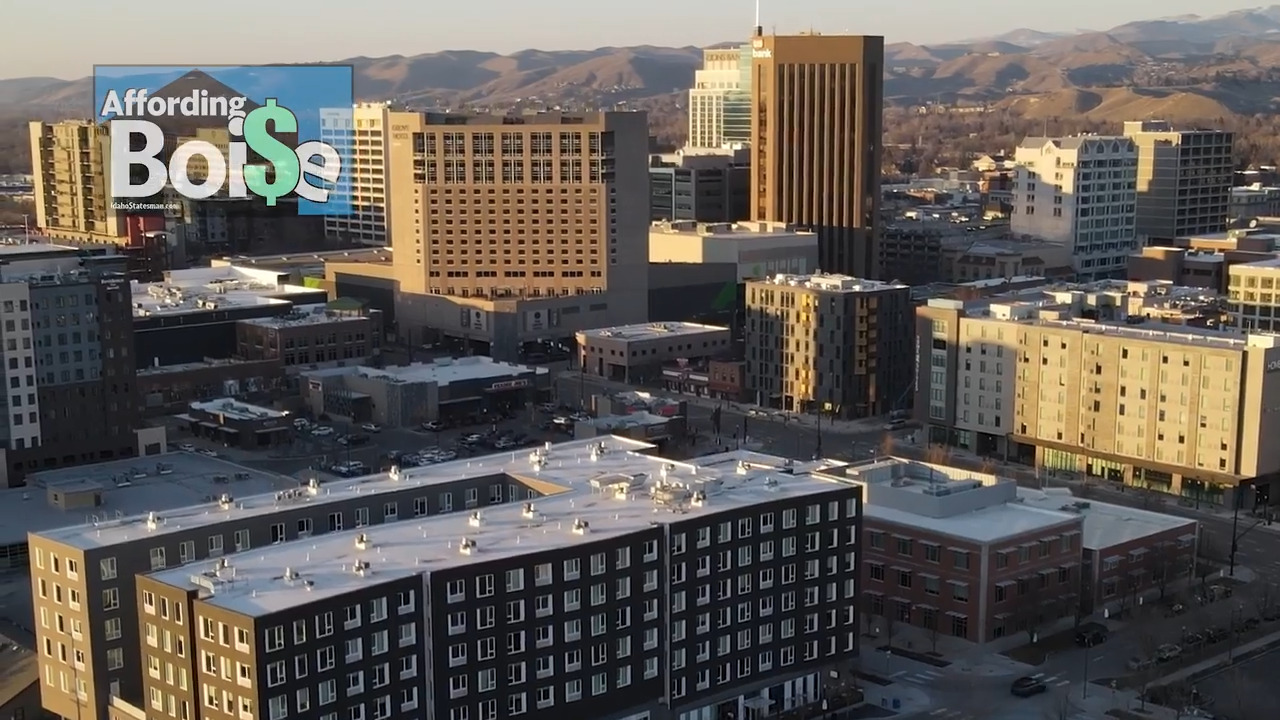
As the city of Boise undergoes a massive rewrite of its zoning code, City Council members expressed their desire for a denser, more urban-looking city to combat Boise’s longstanding housing crunch.
At a work session, many council members urged city planners to craft a zoning rewrite that would allow for denser planning in certain areas. Their comments were in response to the city’s second draft module, released in January, which explains city planning officials’ vision for how new projects in Boise could be developed.
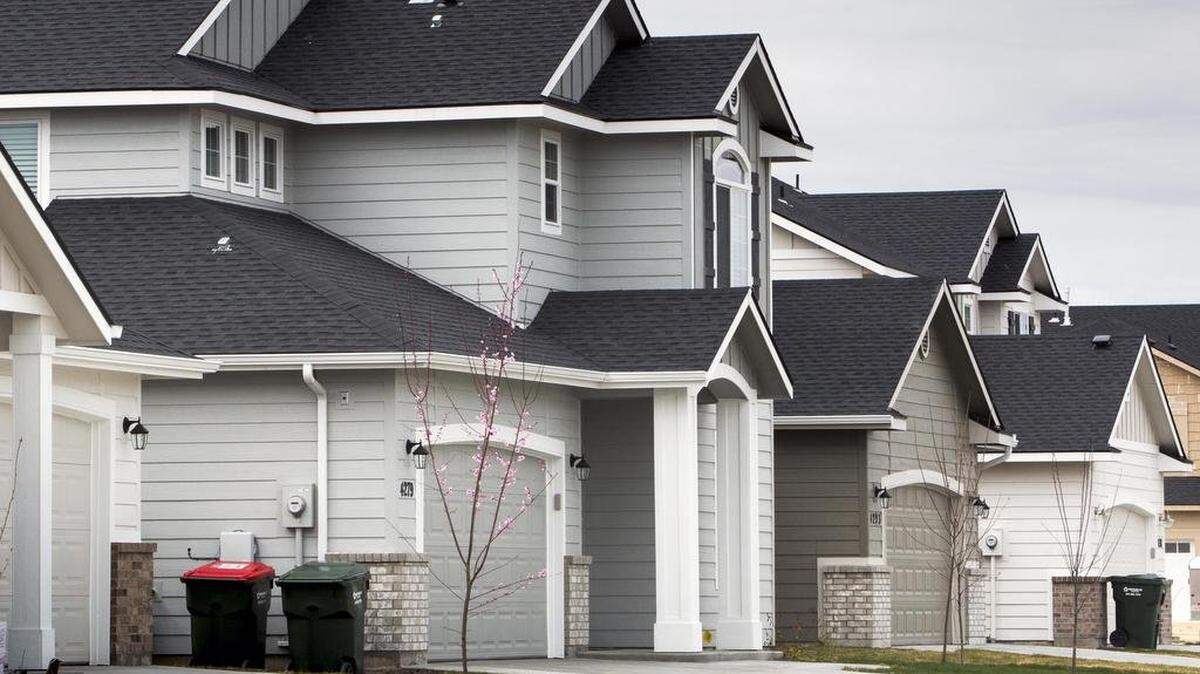
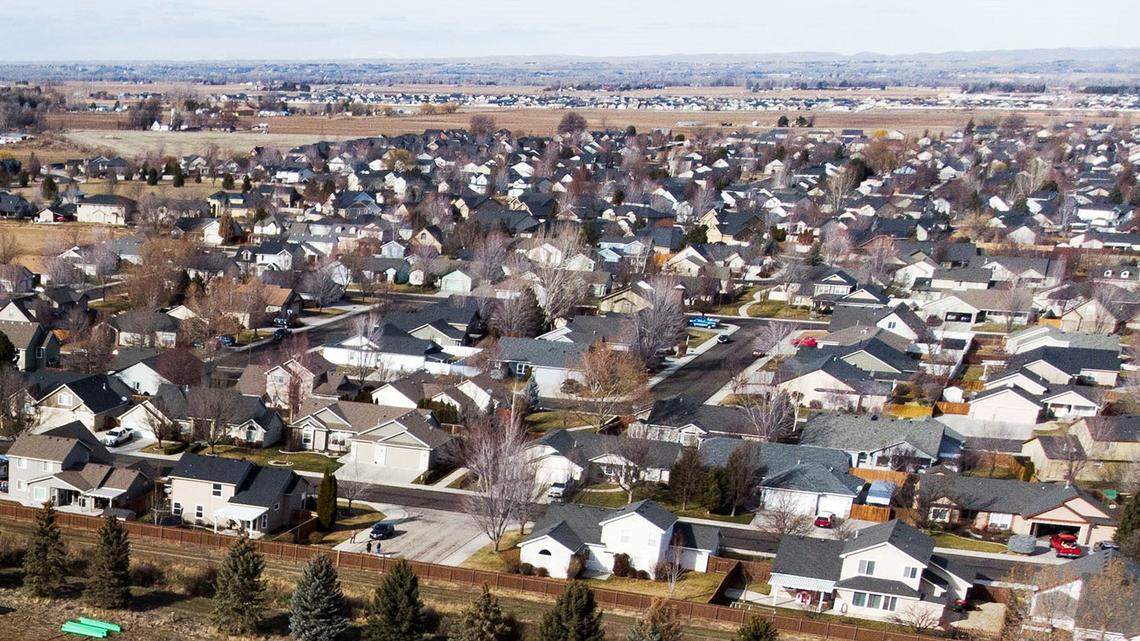
Most council members agreed they wanted the new code to allow for a more urban environment, rather than what they characterized as suburban planning guidelines in the module.
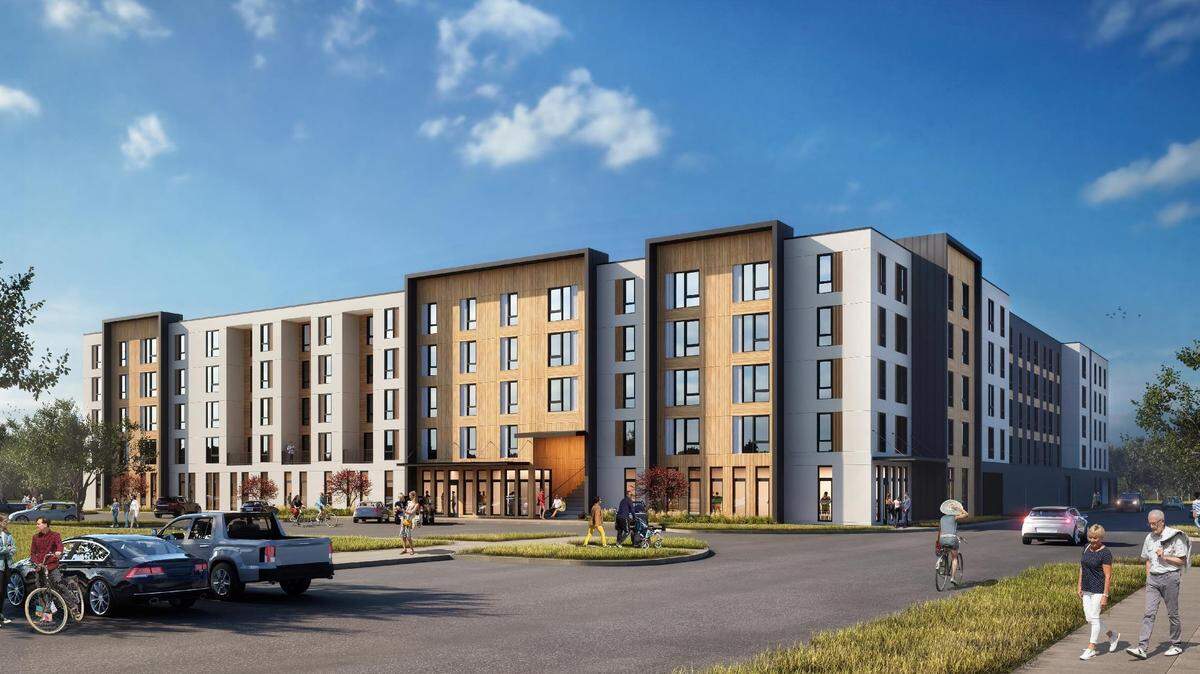
What would that involve? Council members suggested building upward, reducing required parking, allowing above-garage living units in neighborhoods and blending businesses next to housing.
One benefit of this denser planning, they said, could be to increase Boise’s housing supply, which lags far behind demand. Proponents say denser planning could allow for more units to be built and help fill the widening gap.

Lack of supply has frequently been noted as a key factor in Boise’s soaring housing prices. The city of Boise issued a report in August 2021 that said more than 27,000 new living units were needed by 2030 to keep up with demand, 77% of which had to be affordable.
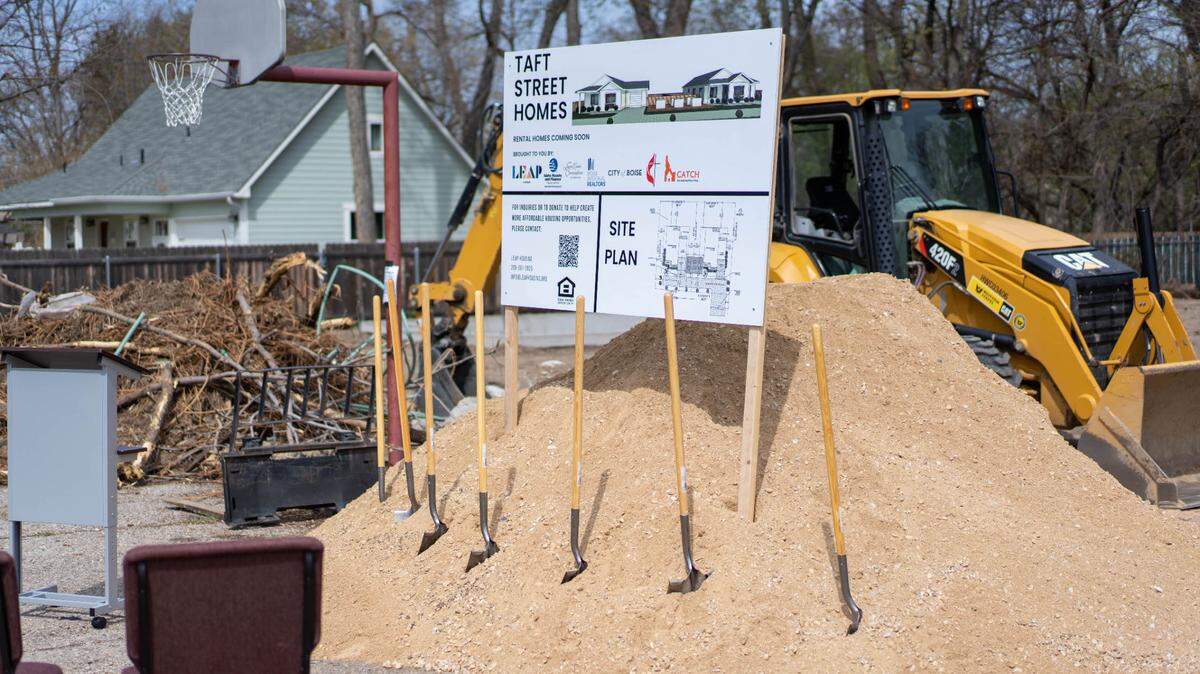
The city has responded by attempting to set up its own affordable-housing projects, such as the 112-unit Franklin and Orchard project that’s under construction.
Some council members, such as Patrick Bageant, expressed concerns that current efforts to “protect neighborhoods” — like preserving sunlight and views — may make it harder to achieve that density by giving opponents more options to vote down a project.
“I’m worried that we’re going to be creating entitlements that can be used to further restrict access to our city for people of different economic statuses,” Bageant said.
He also said that state law does not list access to sunlight and scenic views as rights.
Multiple council members said the draft did not go far enough to make Boise a more walkable city, where residents would not need a car to access businesses, schools and other services.
Council Member Holli Woodings said that is one of the most common concerns she hears from constituents, and allowing more businesses to be built near residential areas could make that happen.
“I looked at our most successful parts of the city, in my opinion, and they have bars right up against residential (areas), and it’s fine,” Woodings said. “It creates walkability, it creates neighborhood character, it does a lot of things that we want to do for the future of our city.”
Woodings also said she would like to see auxiliary-dwelling units — commonly known as in-law suites — more widely allowed in Boise, since they’re only allowed on property occupied by owners in Boise.
Not every council member was in agreement. Luci Willits, who represents West Boise, said creating walkable neighborhoods isn’t always possible in some parts of the city.
“I do think there’s areas of the city where you need to have a car,” Willits said.
The topic of urbanization comes as the Treasure Valley continues as one of the fastest-growing areas in the country. Boise’s population grew by 14% from 2010 to 2020, while Meridian and Nampa were two of the fastest-growing cities in the nation. With new residents flocking to the Boise area, housing prices have ballooned to the point where Boise is one of the most unaffordable cities in the U.S., according to an Oxford Economics study.
This story was originally published March 5, 2022 at 4:00 AM.
.jpg)