Boise-area homes kept getting bigger even as prices rose. What happened to small houses?
READ MORE
Affording Boise: Homeownership
Soaring rents. Skyrocketing home prices. The double-digit rates of increase in the costs of Boise-area housing until 2022 have created increasingly urgent problems for low-income, working-class and even moderate-income Idahoans who need places to live. Affording Boise is a series of Idaho Statesman special reports on housing. This collection focuses on homeownership. A separate collection focuses on rental homes, including apartments.
Expand All
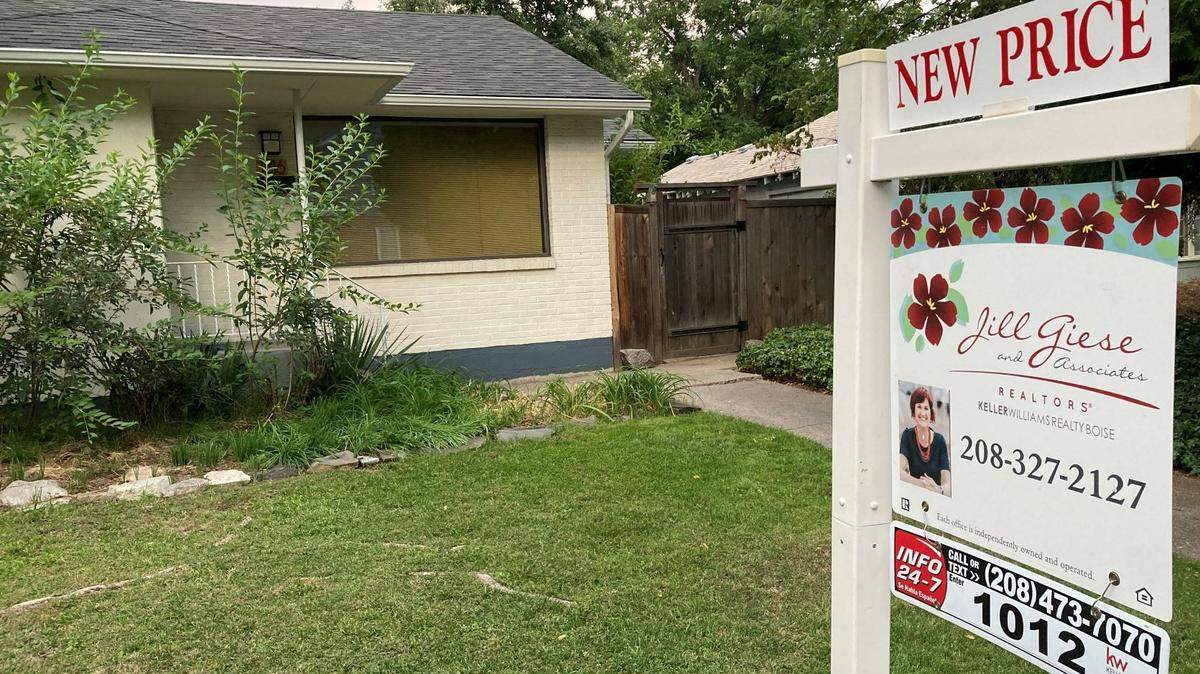
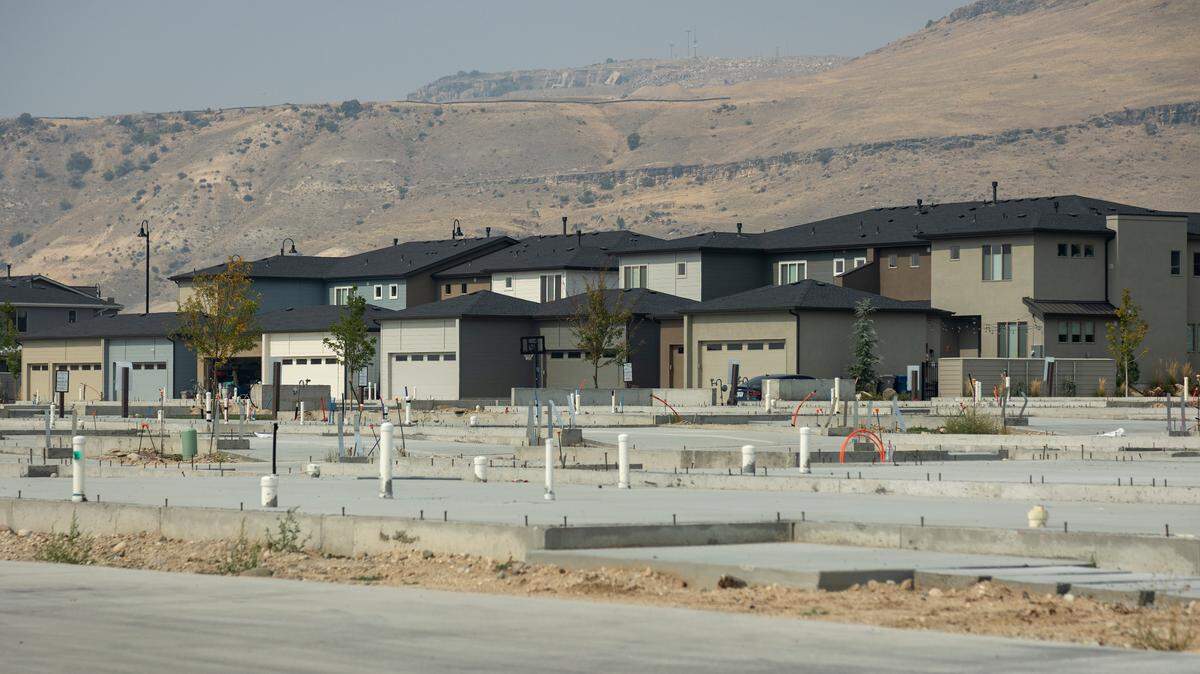
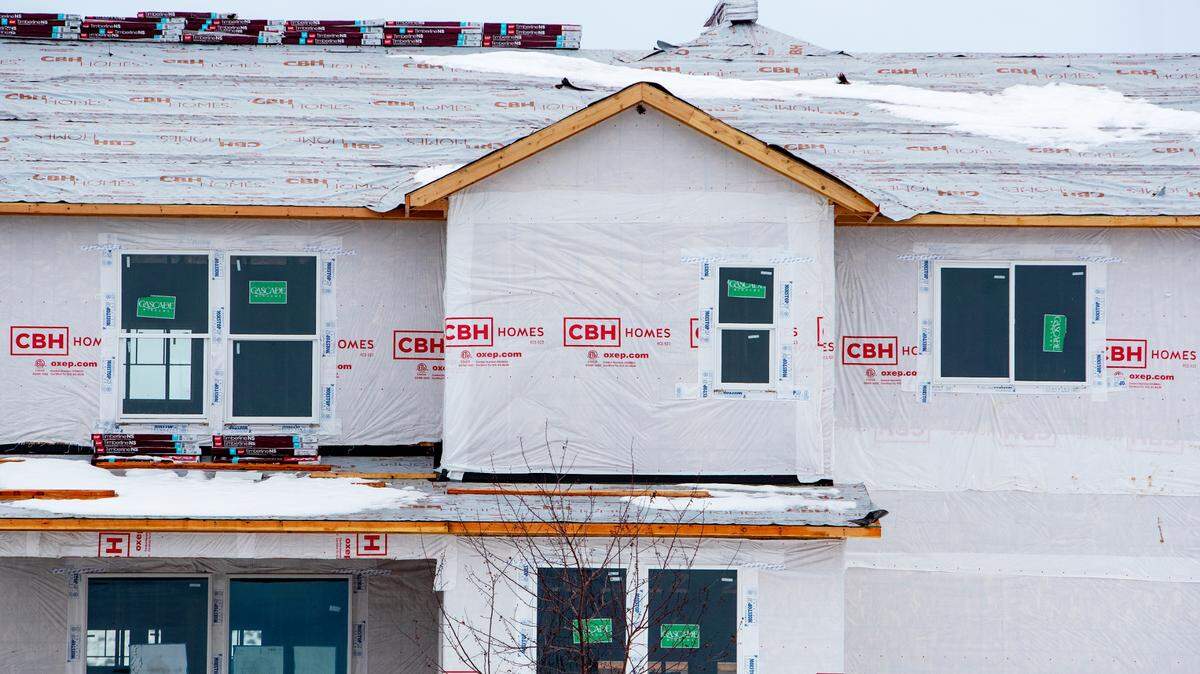
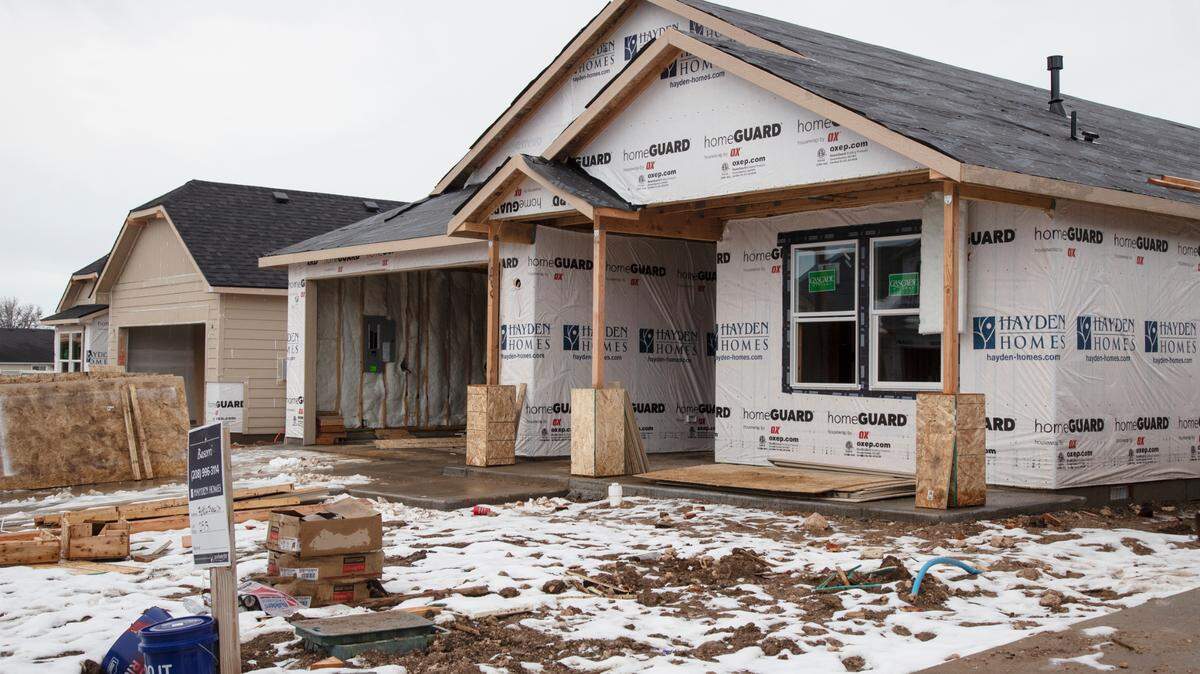
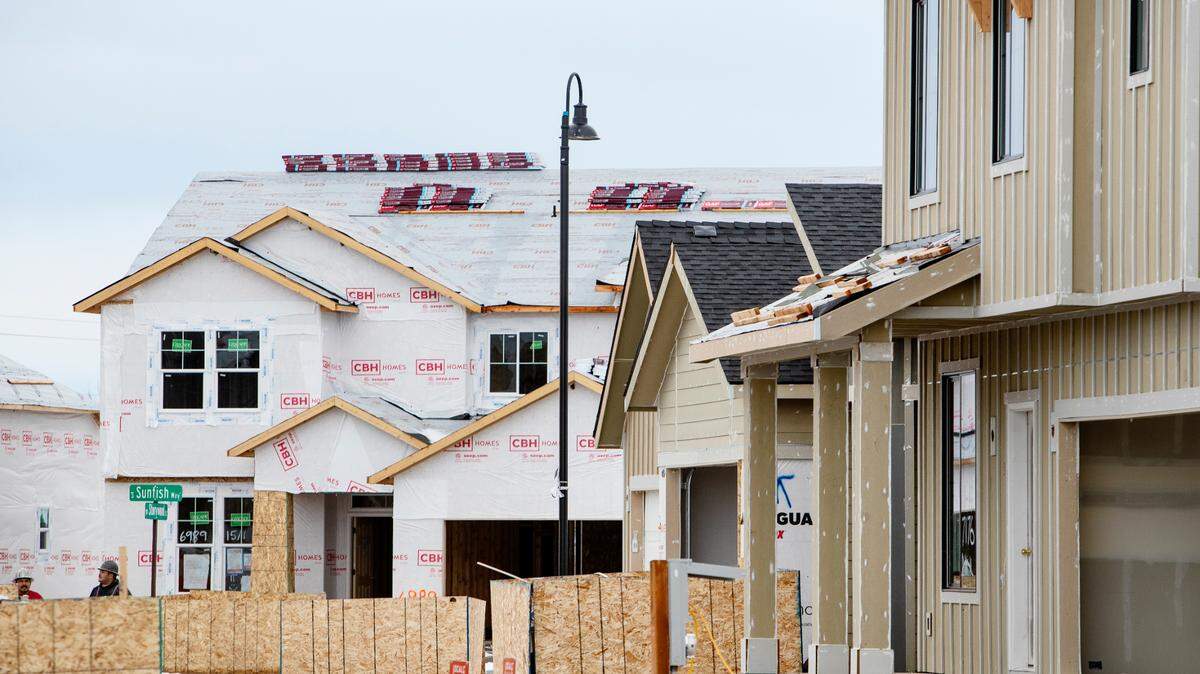
As Boise’s house prices soared beginning in 2020, one seemingly basic solution proved elusive: Buy less house.
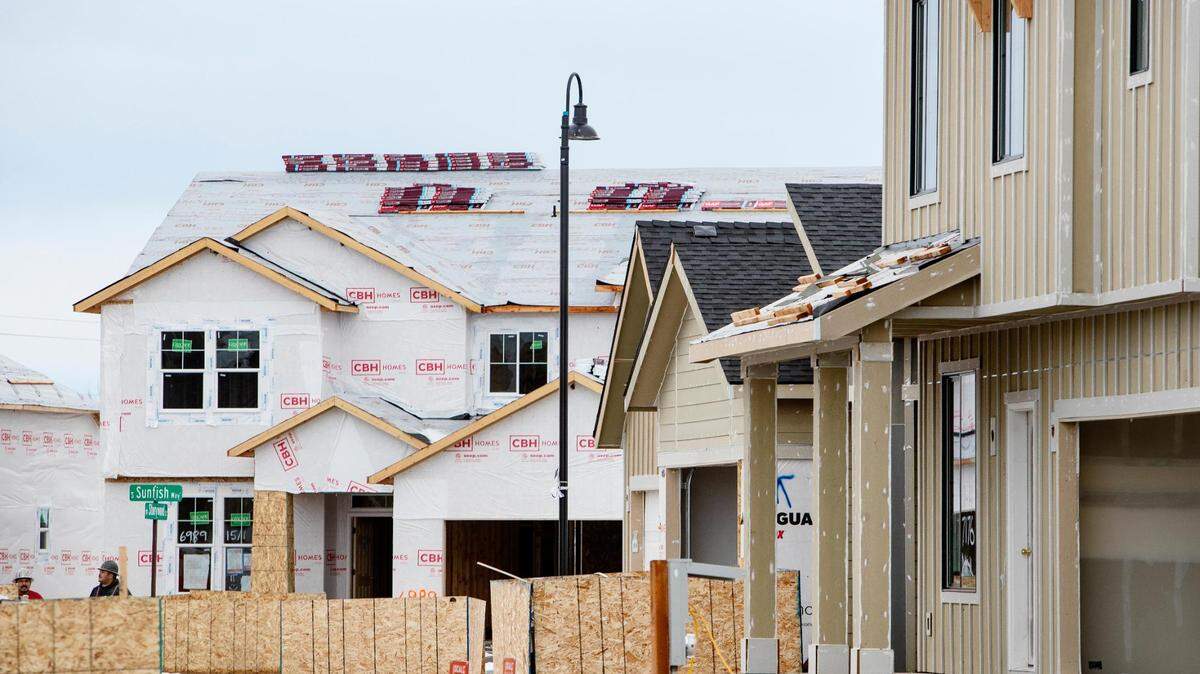
Real estate experts agree that smaller homes could counter high prices. But builders say they may not be financially feasible and government regulations pose challenges. That’s resulted in home sizes growing bigger instead.
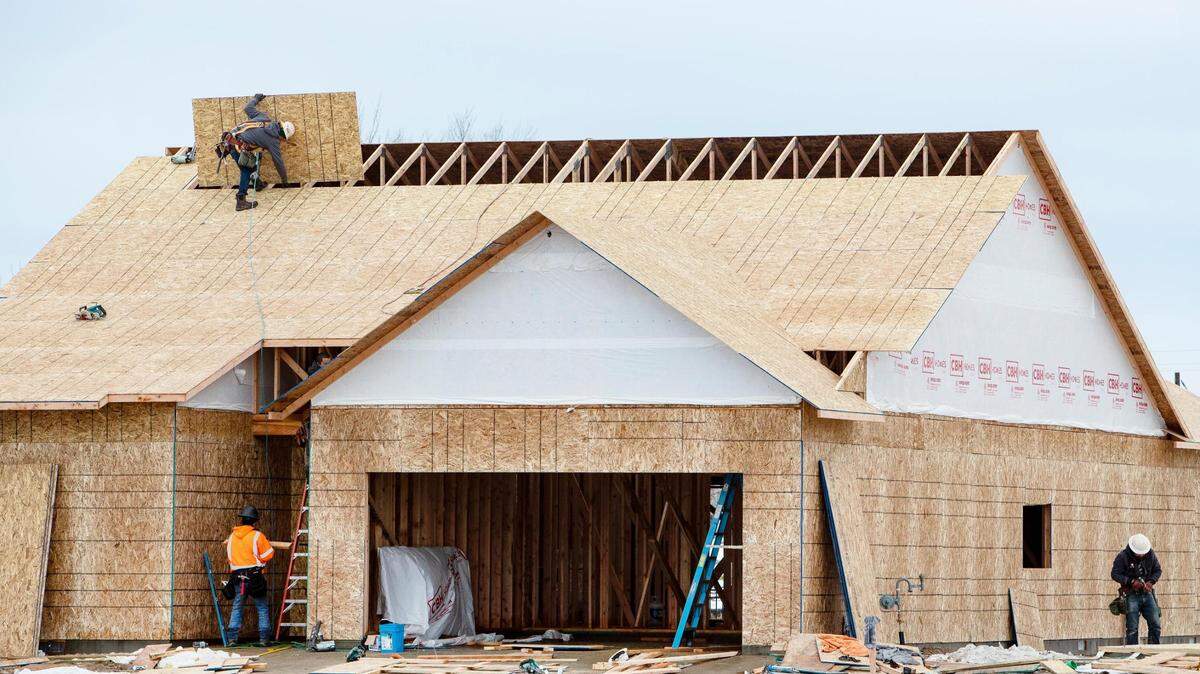
“Most every builder I know would love to have smaller lots, more affordable products,” said Lance Snyder, owner of Sunrise Homes and president of the Building Contractors Association of Southwest Idaho, by phone. “But if you get the land at an expensive price, you can’t build a small home on it. The cost of the land drives the product you can put on a lot.”

From 2002 to 2011, there were 4,525 new Ada County homes built under 1,500 square feet. That made up 19% of the total 23,807 new homes built, according to the Intermountain Multiple Listing Service.
That percentage dropped from 2012 to 2016, when 959 homes were built with less than 1,500 square feet out of 9,568 total new homes built. That’s 10%.
And from 2017 to 2021, there were 1,240 new homes built with less than 1,500 square feet out of 18,151 total new homes — a drop to 6.9%.
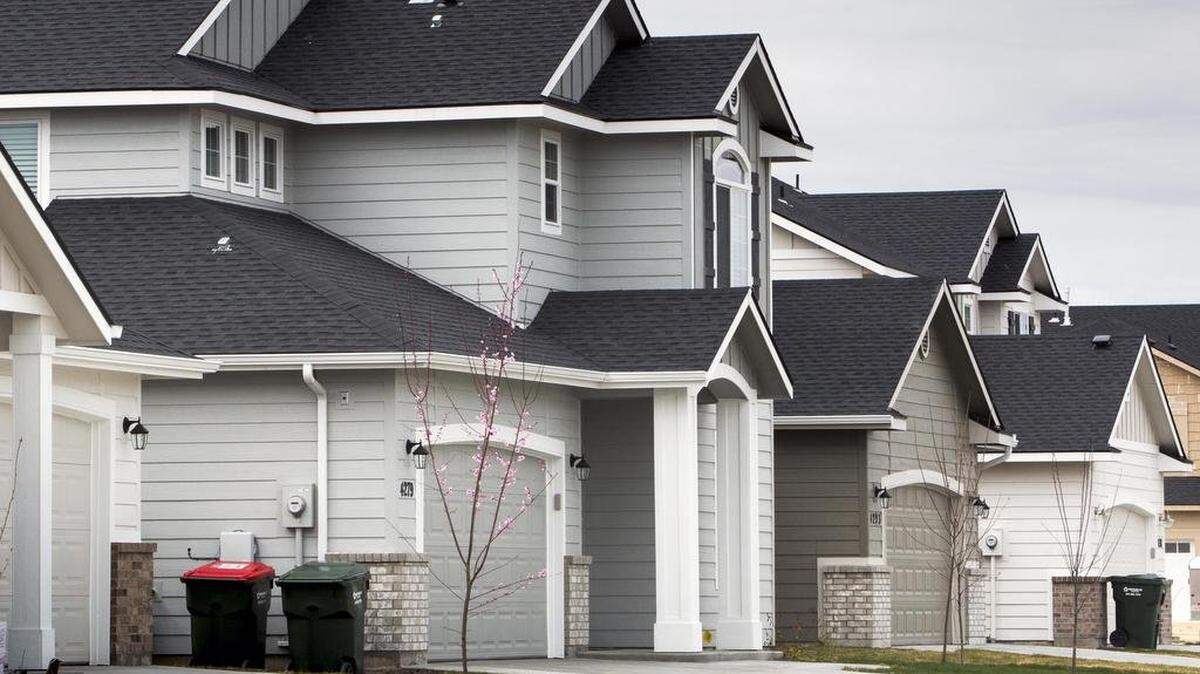
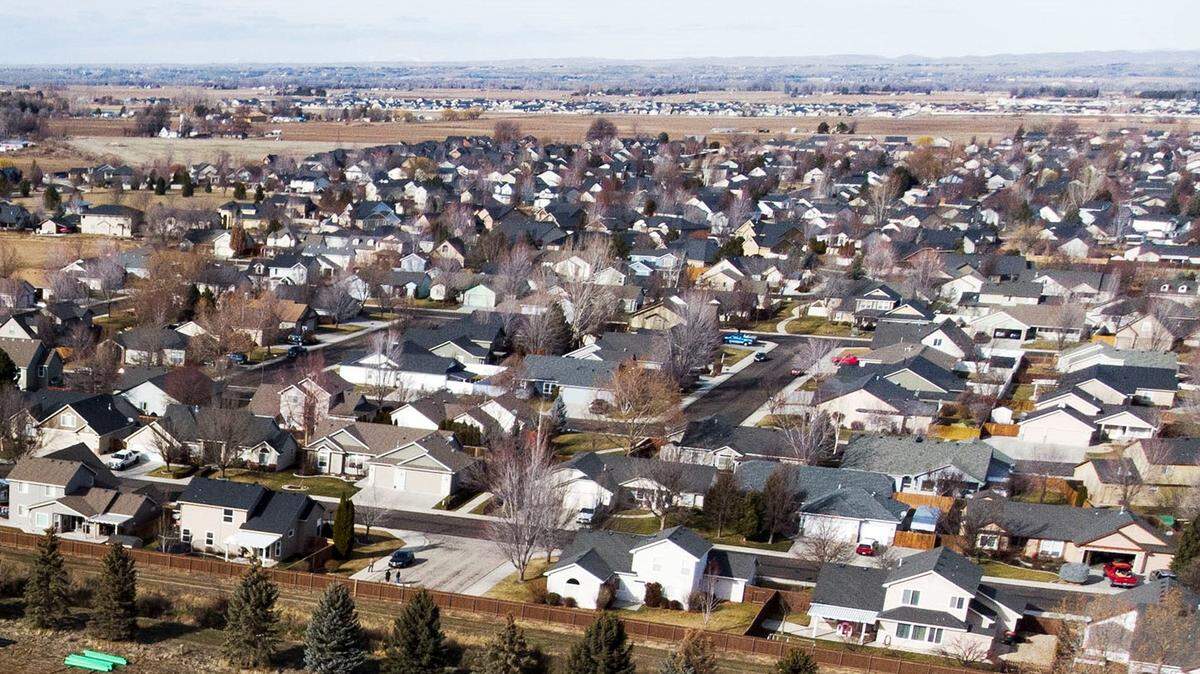
The average new American home built in 1973 was 1,660 square feet, according to the U.S. Census Bureau. By 2021, it had increased to 2,480. The average size of an Ada County home increased from 1,798 square feet in 2000 to 2,056 in 2020, a 14% increase, according to the Ada County Assessor’s Office.
“I think builders just follow the market,” said David Turnbull, founder of homebuilder Brighton Corp., by phone. “So if people are demanding larger homes, they’ll build larger homes. If affordability becomes an issue and you have to get a smaller footprint to make their payment affordable, builders will follow that economic reality.”
Land price drives home price
This summer, homebuilders dropped prices. New construction is now slowing down. Turnbull says a shift back to smaller homes may be happening.
The average size of American households has decreased from more than 3.5 people in the 1940s to about 2.5 today, according to the U.S. Census Bureau. Turnbull also pointed to trends among younger adults who may prefer a lifestyle more conducive to owning a smaller house and smaller property. His company has built detached single-family homes with limited yards in Caldwell and attached town houses in Southeast Boise.
The cost of land has ballooned in the Treasure Valley in recent years, Snyder said. It makes up about a quarter of the cost to build a home. Another quarter is government fees, he said. Those two items have made it hard to price houses more affordably, not to mention the cost of materials and labor increasing, too.
Snyder explained the situation as a math problem. If a lot costs $150,000 for a builder to buy, the builder would build a 1,400-square-foot home and price it at $500,000, Snyder says there wouldn’t be much demand, since a typical homebuyer looking at that size house likely couldn’t afford that much. But if that $150,000 lot has a 2,500-square-foot home on it, then it can sell for more than $600,000.
“And you can be profitable,” Snyder said.
As land prices and home prices have boomed, wages haven’t kept up. Snyder said that situation isn’t sustainable. Since the median price of an Ada County home peaked in May at $602,250, the price has dropped each month. In September, it was $540,000.
Still, only 96 of 702, or 14%, of homes sold in Ada County in September cost less than $400,000, according to the multiple listing service. Through the first nine months of 2022, that percentage was even lower: 511 of 6,833, or 7%.
Focusing on building smaller homes
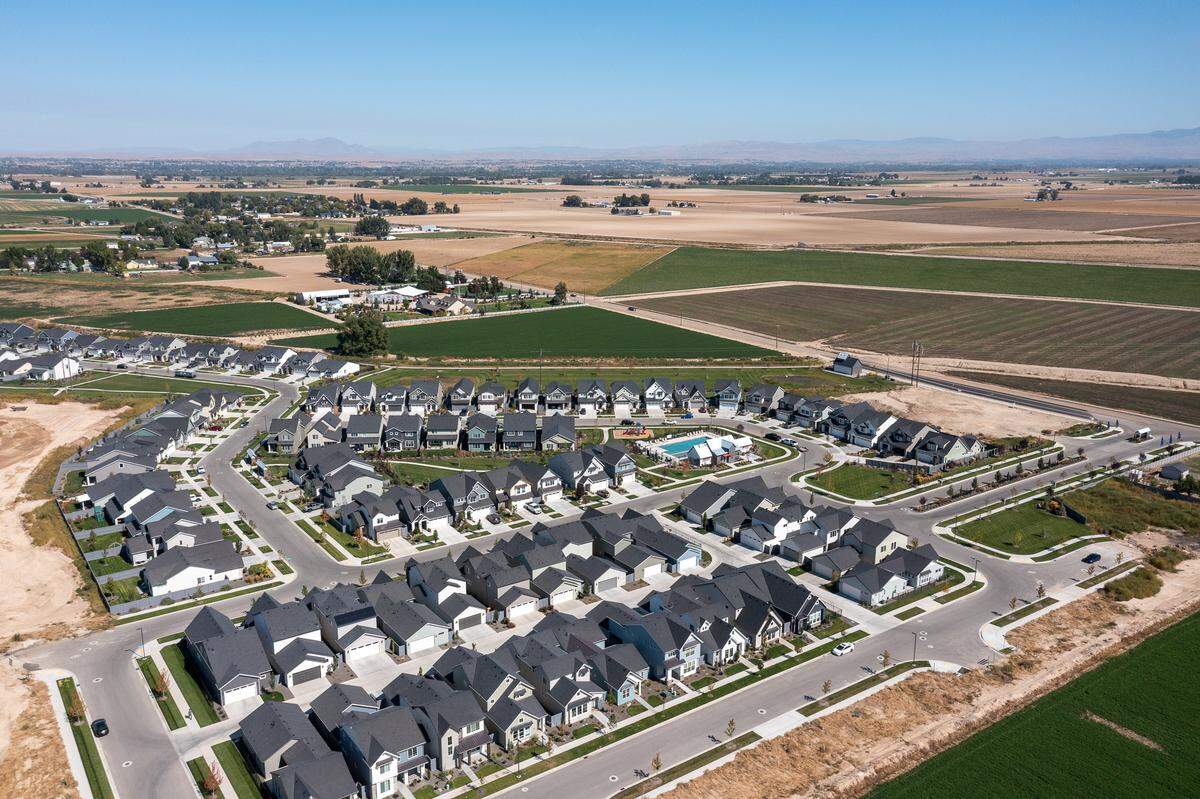
Matt Weston, a real estate agent with Weston Real Estate and Amherst Madison, sees opportunity in smaller-sized homes.
He’s working with homebuilder Chris Sabala to sell three new houses on West Gage Street in the Central Rim neighborhood on the Bench.
Sabala bought the land that previously had a two-bedroom, one-bathroom house built in 1951. The house has been demolished, and Sabala is building three new houses on the property. Each has two bedrooms and two bathrooms and less than 1,000 square feet. Each is listed for $499,900.
“There is (and) there always has been demand for smaller homes,” Weston said by phone.
In recent years, though, as the Treasure Valley boomed with an influx of newcomers, demand also existed for bigger homes. And builders were able to sell houses at higher prices. Weston recognizes “it’s a money thing.”
Weston says replacing an older home with three new ones is good community stewardship. Building where infrastructure already exists saves the city money. The biggest challenge he and Sabala face, Weston said, is finding affordable land to follow through with these kinds of projects.
“Affordability has turned into the hot button (topic) with inflation, prices going through the roof,” Weston said. “How do we create a more affordable product that’s still acceptable, that’s still nice?”
Government regulations play key role
Developers Hannah Ball and Jason Jones said certain government restrictions limit housing types that would be more affordable.
In Boise, single-family homes are required to have two off-street parking spaces. Ball and Jones, who work often in Garden City, estimated a two-car garage costs a builder about $40,000. And since you’d also need space for a car to back out safely, Jones said about 340 square feet would be dedicated just for a car.
“Effectively, that’s why you’ll never see 750-square-foot homes getting built new,” Jones said by phone.
Boise allows accessory dwelling units, or mother-in-law suites, on any single-family lot in the city. But they can’t be more than 700 square feet or 10% of the lot size, whichever is smaller, and can’t have more than two bedrooms. They also require neighbors to receive notice and a public meeting, Boise Planning and Development Services Director Tim Keane said.
The city of Boise permitted 32 accessory dwelling units in 2018. Then in mid-2019, the city eased parking requirements and allowed the units to have two bedrooms instead of just one. The city permitted 62 accessory dwelling units in 2019, 67 in 2020, 81 in 2021 and 44 through the first nine months of 2022, Keane told the Statesman.
“Part of the problem is the way the process works now,” Keane said. “It’s not easy to do. We’ve got to correct that.”
The city is in the middle of rewriting its zoning code for the first time since 1966. Keane said making it easier for builders to construct smaller houses is a key piece to the housing affordability puzzle.
In a draft of the proposed zoning code, the smallest minimum lot size for a zone with detached single-family homes is 2,500 square feet. Right now, the minimum lot size for a zone with detached single-family homes is 4,320 square feet.
The new code would also allow for any single-family lot to have three or four units if at least one or two are income-restricted to people earning up to 80% of the area median income. Boise’s median household income in 2020 was $74,800, according to the U.S. Department of Housing and Urban Development.
But Keane sees the most opportunity with the strategic infill portion, which would allow up to 12 units on certain lots if they meet specific requirements with location, frontage, parking and setbacks. He said a builder could build one 3,500-square-foot house or four houses at 1,200 square feet or less. The four smaller homes would be cheaper and increase the city’s housing supply.
Keane hopes the zoning code rewrite spurs the building of smaller homes.
“If we don’t address this issue,” Keane said, “then we’re not going to substantially address the housing affordability issue in the city.”
‘We’ll find out what the demand is’
Whether the plan will work is to be determined.
Steven Peterson, regional economist at the University of Idaho, contrasted housing types with cars. A car company typically makes a wide swath of car sizes. Because of zoning rules, Peterson said the same can’t quite be said for housing. A 1,000-square-foot home might not be allowed in most places. Or it might not be feasible for builders given other regulations.
A major question Peterson is unsure of is whether the increasing size of homes has been driven by the desire of builders or a reflection of what buyers want. Perhaps a little of both, he said.
“Let’s see what the market does,” Peterson said by phone. “Allow builders to build smaller houses on smaller lots inside of towns, allow for tiny homes, change the zoning so that it facilitates all of these options. And I think we’ll find out what the demand is real fast.”
As part of The Housing Availability and Affordability Study for Kootenai County, Peterson examined home prices in Houston and San Jose, California, from 2001 to 2021. Houston’s population grew nearly four times faster than San Jose’s but San Jose’s housing prices grew twice as fast as Houston’s. In the 20-year span, a typical Houston home price rose $52,011, adjusted for inflation, a 30% increase, according to the report. Meanwhile, San Jose’s real price increased $453,774, a 59% increase.
In October 2021, Houston’s median price was $238,591 and San Jose’s was $1,318,515, according to Zillow.
The report highlights a significant difference in zoning and building restrictions. Cities with less-restrictive zoning tend to have lower housing costs, Peterson said.
It’s unknown what exactly would sway builders to build smaller homes in the Treasure Valley. Answering that could unlock houses for a portion of would-be homebuyers.
“If you did your list of the most urgent things for cities to deal with,” Keane said, “this would be on it.”
This story was originally published October 13, 2022 at 4:00 AM.