Boise area’s housing shortage persists. So what just happened to ‘build, build, build’?
READ MORE
Affording Boise: Homeownership
Soaring rents. Skyrocketing home prices. The double-digit rates of increase in the costs of Boise-area housing until 2022 have created increasingly urgent problems for low-income, working-class and even moderate-income Idahoans who need places to live. Affording Boise is a series of Idaho Statesman special reports on housing. This collection focuses on homeownership. A separate collection focuses on rental homes, including apartments.
Expand All
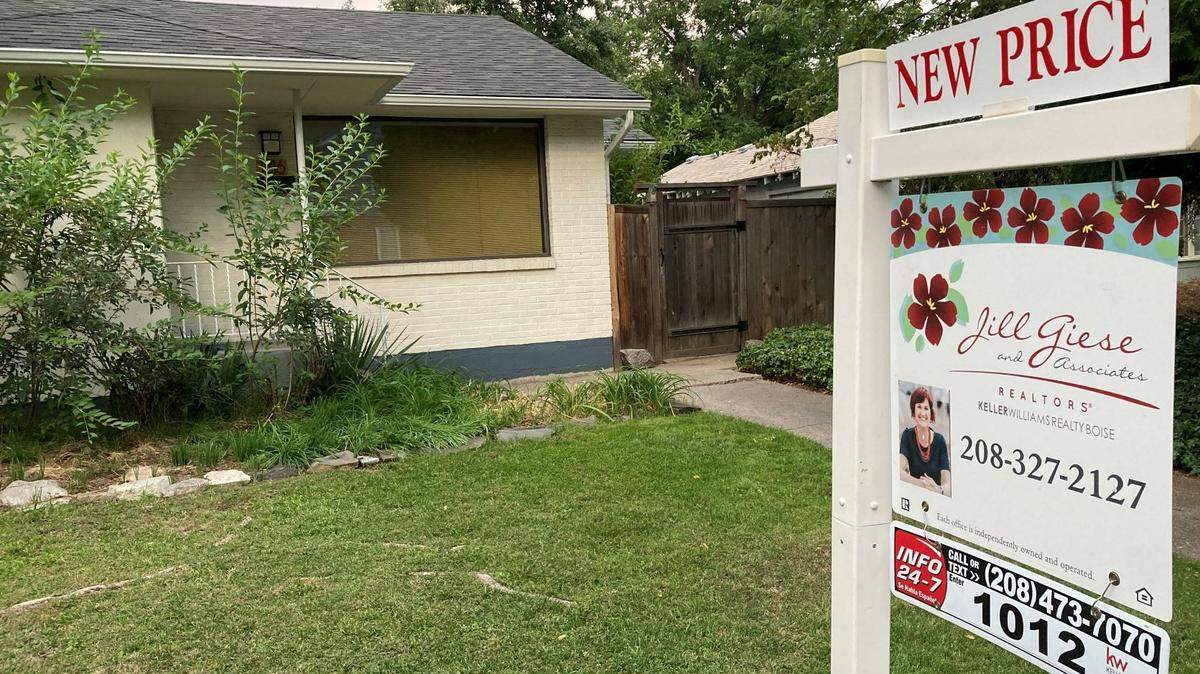
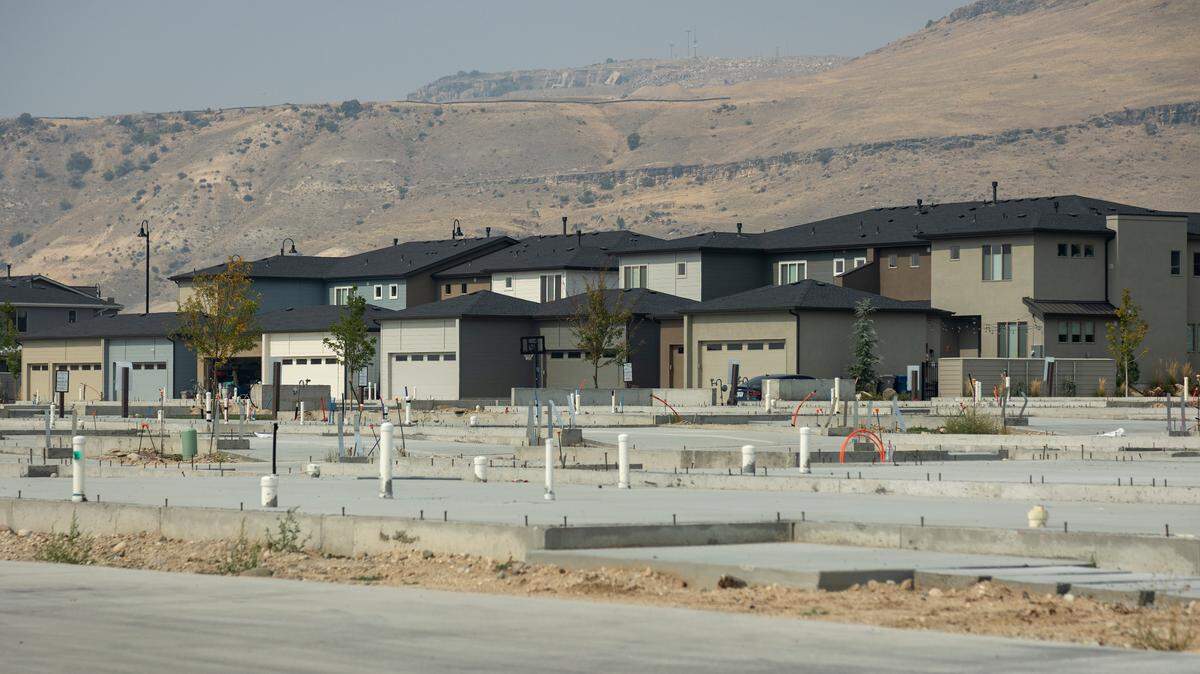
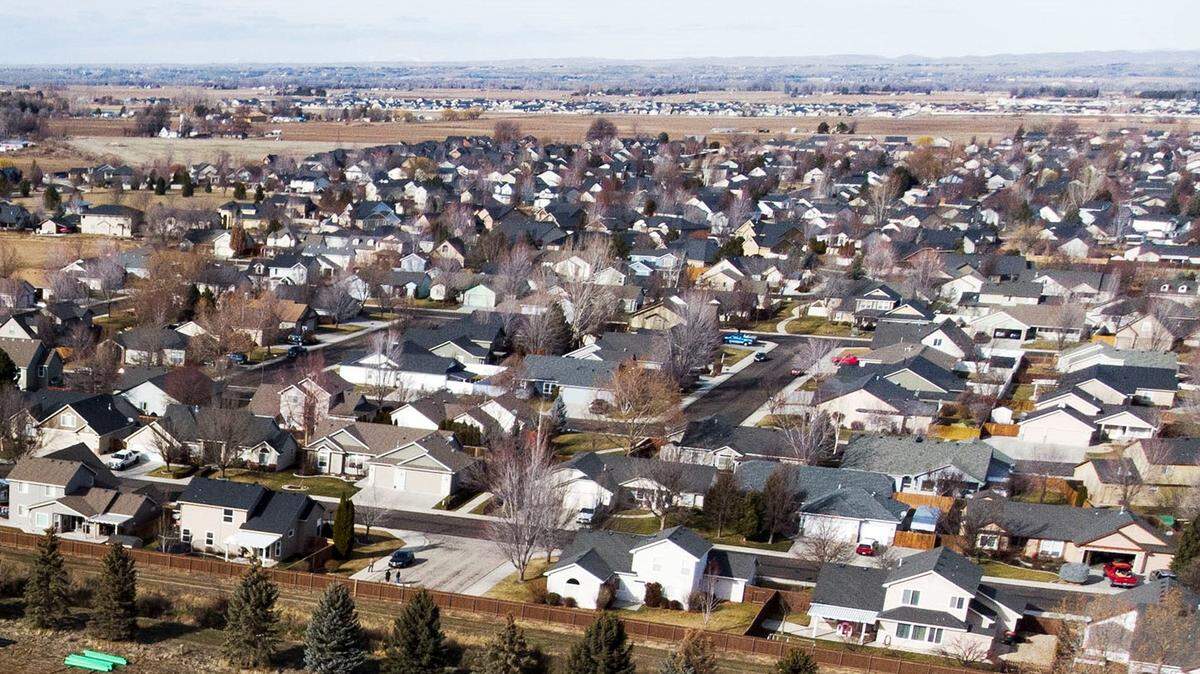
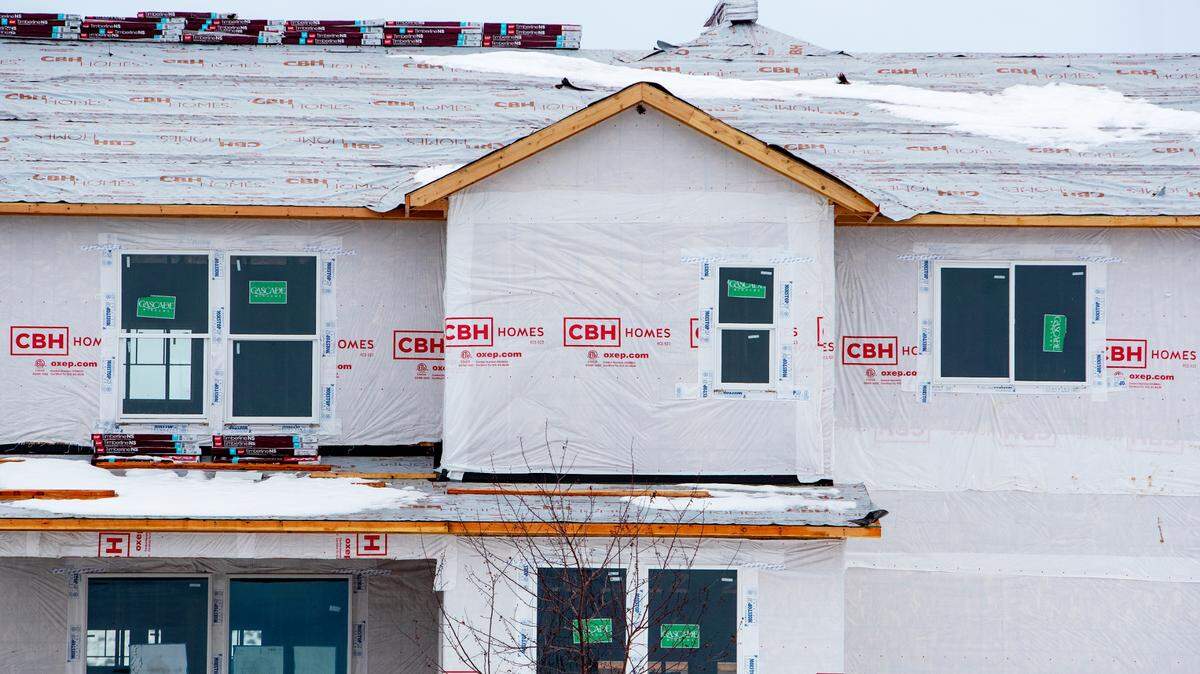
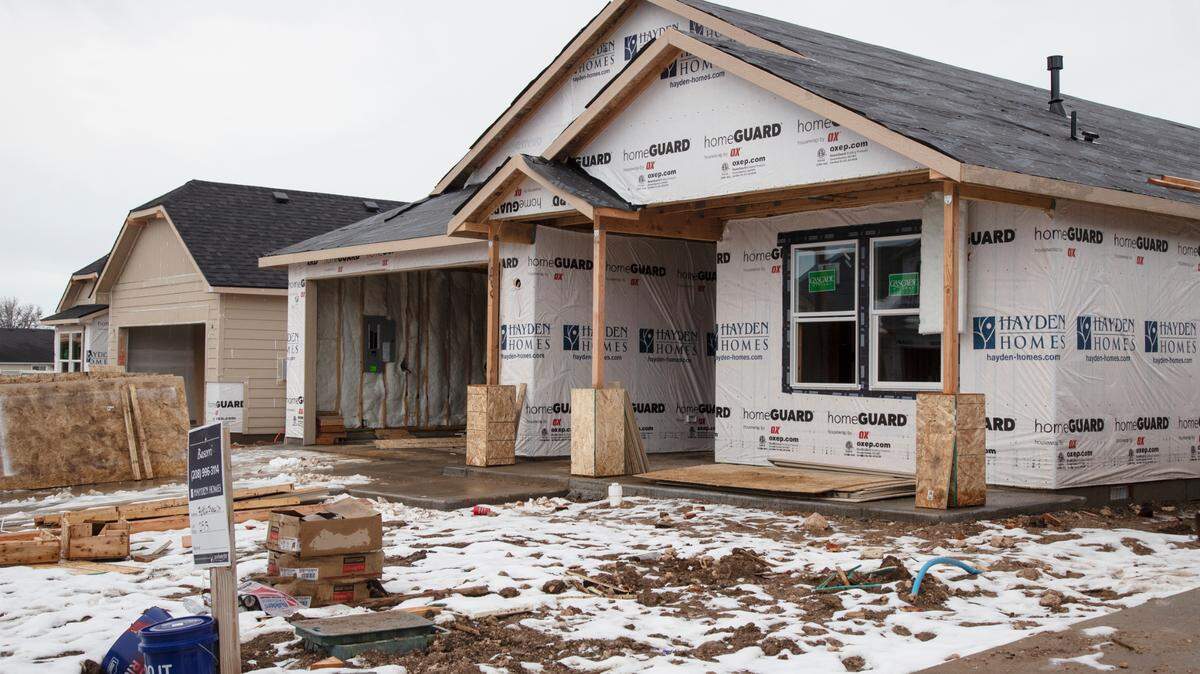
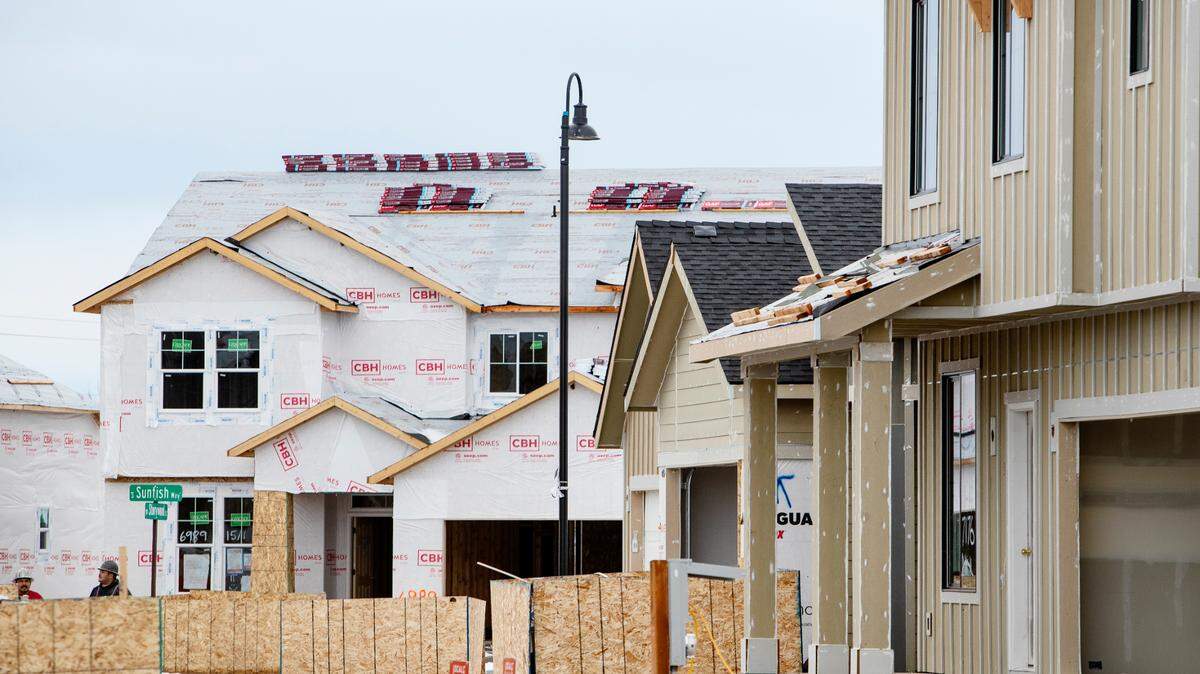
The Boise area still has a shortage of affordable housing. But the crush of homebuilders rushing to build in the Treasure Valley has slowed down.
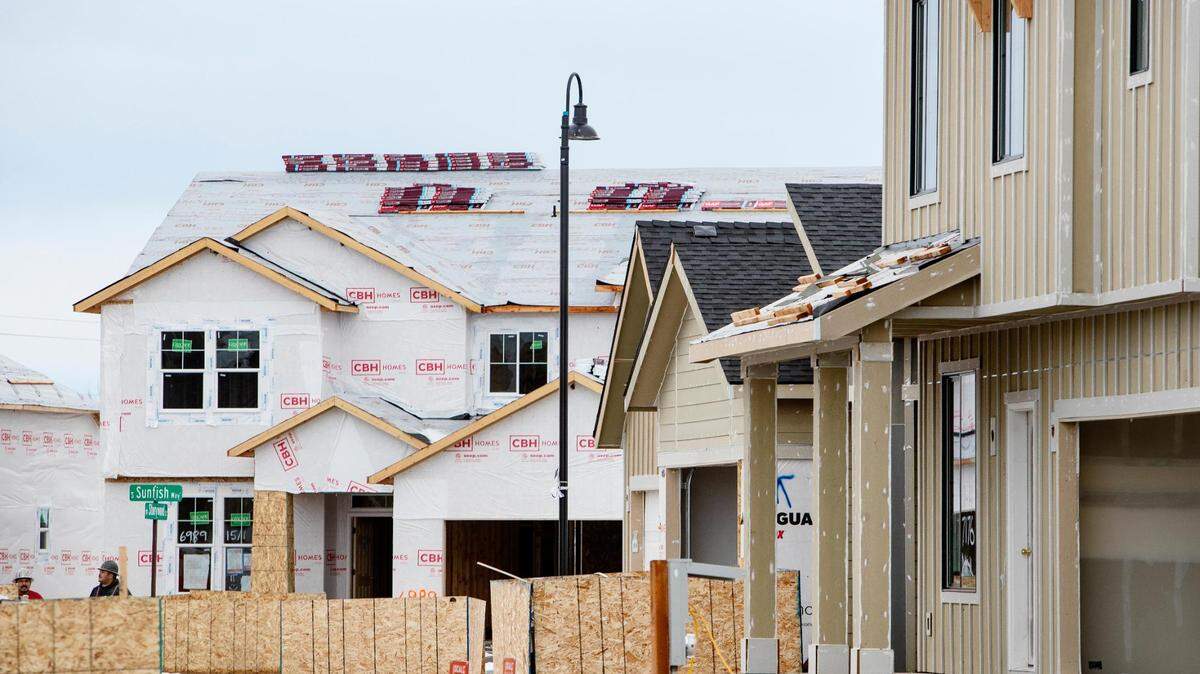
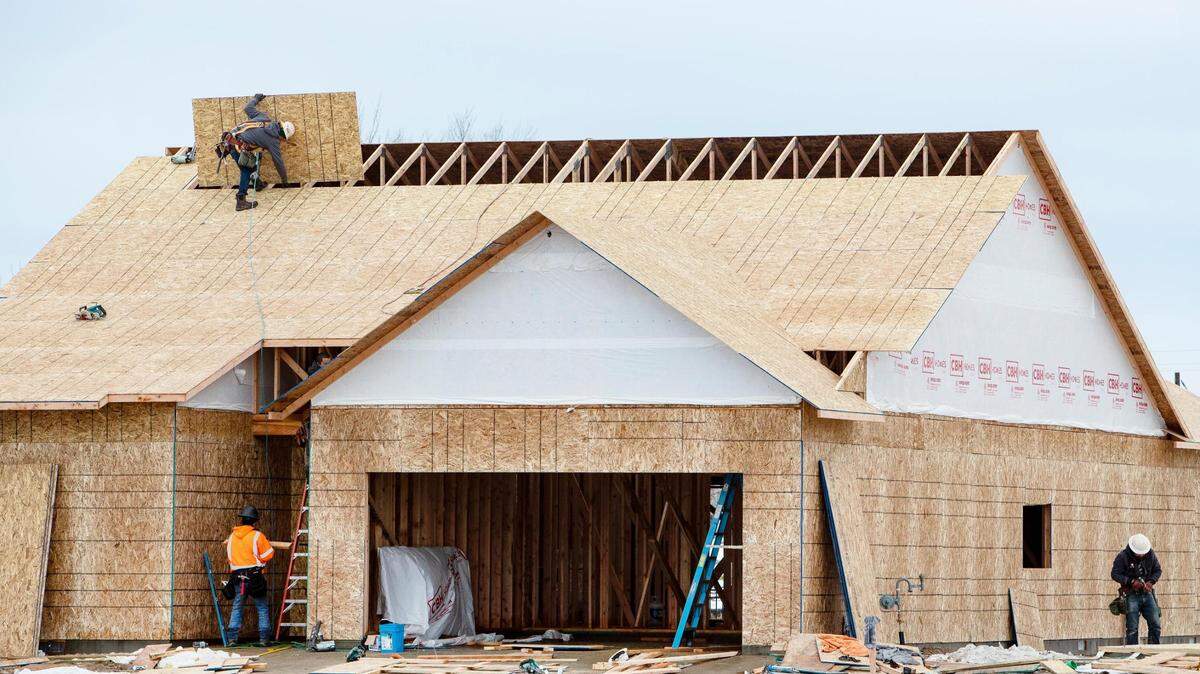
Not long ago, one oft-promoted solution to the problem of limited supply and soaring prices was a call to build, build, build. But now, new residential building permits throughout the Valley are decreasing. Fewer homes are being built and completed.
The real estate market as a whole has changed significantly in recent months. Gone is the scorching hot atmosphere in which buyers needed to make snap decisions and outbid competitors. Inventory has swelled, demand has dwindled, and a correction is underway.
Builders are responding.
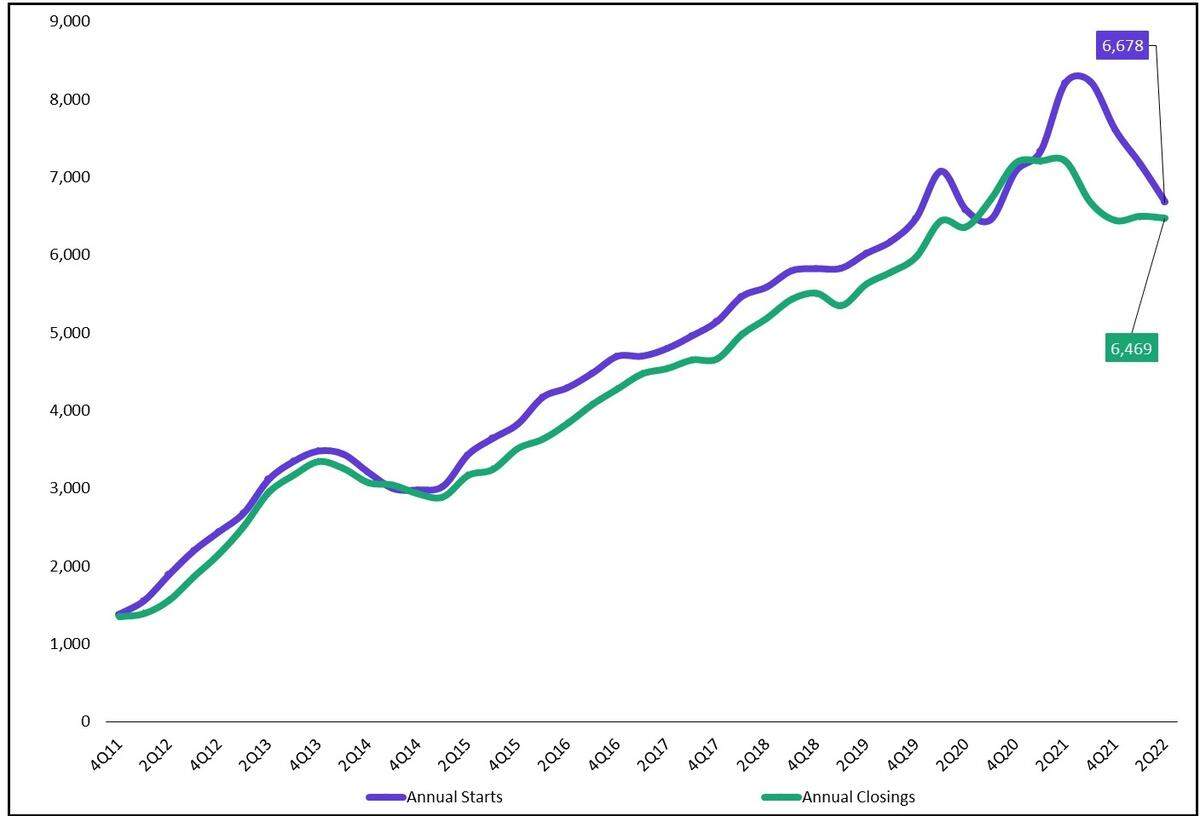
“Sales are down,” said David Turnbull, founder of homebuilder Brighton Corp., by phone. “Starts will be down until things find a new normal.”
There were 1,657 homes started in the Boise metro in the second quarter of this year, a 22.7% decrease from 2,144 starts in the second quarter of last year, according to real estate consultant company Zonda.
In Ada County, after 3,634 new homes were built last year, 2,160 have been built through mid-September of this year, according to the Ada County Assessor’s Office. There have been at least 2,872 homes built each year since 2015.
Boise issued 322 permits for single-family homes through the first eight months in 2022, compared with 593 in the same months of 2021. In August 2022 alone, 48 single-family housing permits were issued, half as many as in August 2021.
The trend is emblematic of a shifting housing market. Interest rates have soared. A 30-year fixed-rate mortgage rate is 6.7%, according to mortgage buyer Freddie Mac. It was less than 4% earlier this year.
With fewer buyers in the market, the remaining ones have more choices. They’re wielding their newfound power by often offering lower than the list price.
“The builders here in the Valley that survived 2007, 2008, 2009 and 2010 would rather have too few homes than too many,” said Lance Snyder, owner of Sunrise Homes and president of the Building Contractors Association of Southwest Idaho, by phone. “So yes, most of the builders I know have put pause on a lot of their projects, just to see where the market’s headed.”
From a building perspective, the costs it takes to build a home haven’t decreased, Snyder said. Labor and material prices are still high after accelerating during the thick of the COVID-19 pandemic. With supply-chain issues abound, builders may fear dwindling profits.
“Builders are getting squeezed, because the margin is going away,” Snyder said.
High costs are one reason builders aren’t offering more houses affordable to moderate-income Idaho workers. Demand from higher-income buyers is another.
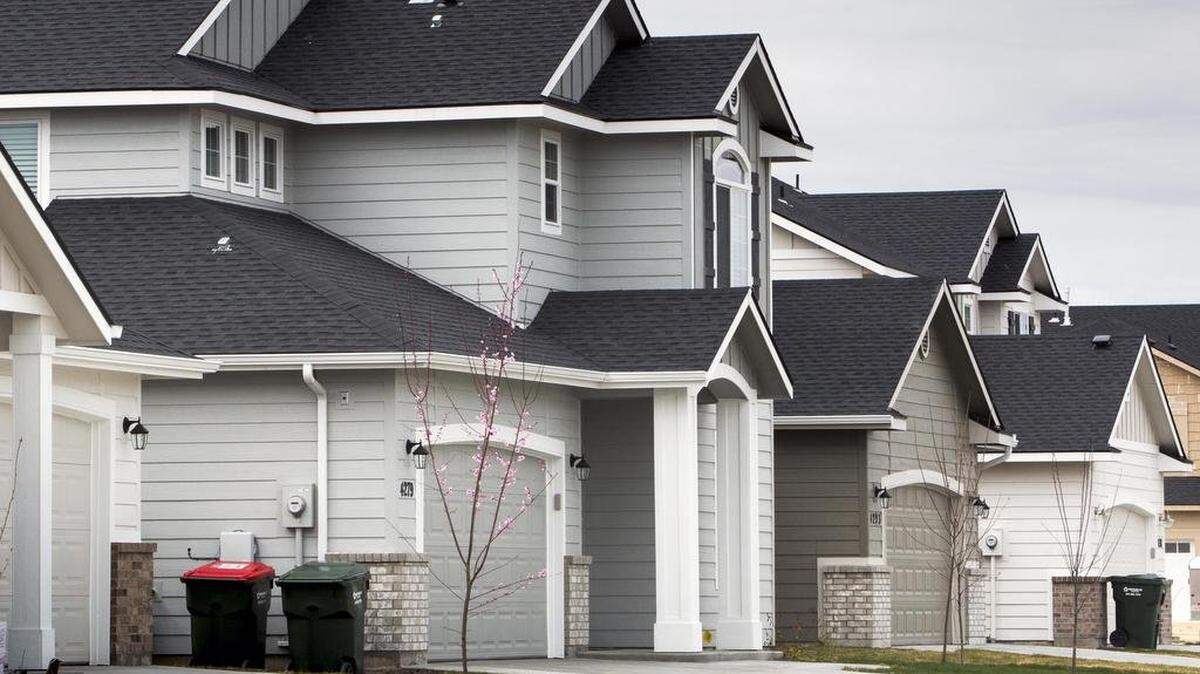
The median price of the 196 newly constructed Ada County houses sold in August was $683,000, nearly 10 times the county’s median household income of $69,952, according to the most recent U.S. Census Bureau figures.
Eagle issued 471 single-family home permits in fiscal year 2020, then 574 in fiscal 2021 and 281 this fiscal year.
Nampa issued 1,032 permits from October through August, down from 1,534 in the same months of 2021.
“The market is normalizing itself and stabilizing itself,” said Evan Forrest, Zonda’s senior vice president of advisory, said by phone.
Among people in the real estate industry, that was to be expected. The median price of an Ada County home increased 67% from May 2020 to May 2022. The inventory of homes plummeted. Fewer homes on the market put a bigger burden on homebuilders to meet demand.
The rapid acceleration of prices wasn’t typical. But Boise emerged as a darling among pandemic movers, and interest rates were low.
Now, Snyder said, interest rates are the biggest factor in the construction slowdown.
“When we have fewer calls, more homes sitting, then we dial back the number of starts,” Snyder said. “That’s exactly what happens with fewer sales, fewer showings. The sales funnel has not completely shut off like in 2008.”
As of the second quarter of this year, there were 15.1 months of supply of vacant developed lots in the Boise metro area, Forrest said. Those are lots ready immediately to be built upon. In a typically healthy market, there are about 18 to 24 months of supply. So there’s still a lack of available land, though it’s the most since 2017.
A year earlier, there were only 8.8 months of vacant developed lots. Forrest called that “extraordinarily low.”
Turnbull called what’s happening a market reset. In the previous couple of years, builders were building as fast as they could to keep up with demand. As demand has changed, builders may be building only as much as they can sell.
“You can have swings in supply and demand,” Turnbull said, “but eventually they have to even out. This evening out is going to be a reduction in supply, so fewer building permits.”

Join us for this special event to learn more about the Treasure Valley real estate market.
Business and Local Government Editor David Staats contributed.
This story was originally published October 4, 2022 at 4:00 AM.