Caldwell residents say their homes are putting them at risk. What’s happening?
AI-generated summary reviewed by our newsroom.
- Caldwell homeowners report mold, HVAC failures and structural defects in new builds
- Rushed construction and faulty inspections fuel widespread safety and health concerns
- Buyers face medical costs and financial strain as builders deny full responsibility

Mold. Dust. Houses sinking into the ground. Hazardous Homes is a 2025 occasional series by the Idaho Statesman on problems in new Treasure Valley homes that may affect human health and safety.
David Wardell was dumbstruck as he sank into the crawlspace of a home in Caldwell’s Mandalay Ranch neighborhood with a flashlight.
“Oh, criminey,” he said, his voice echoing upward. “Oh, I’m going to cry.”
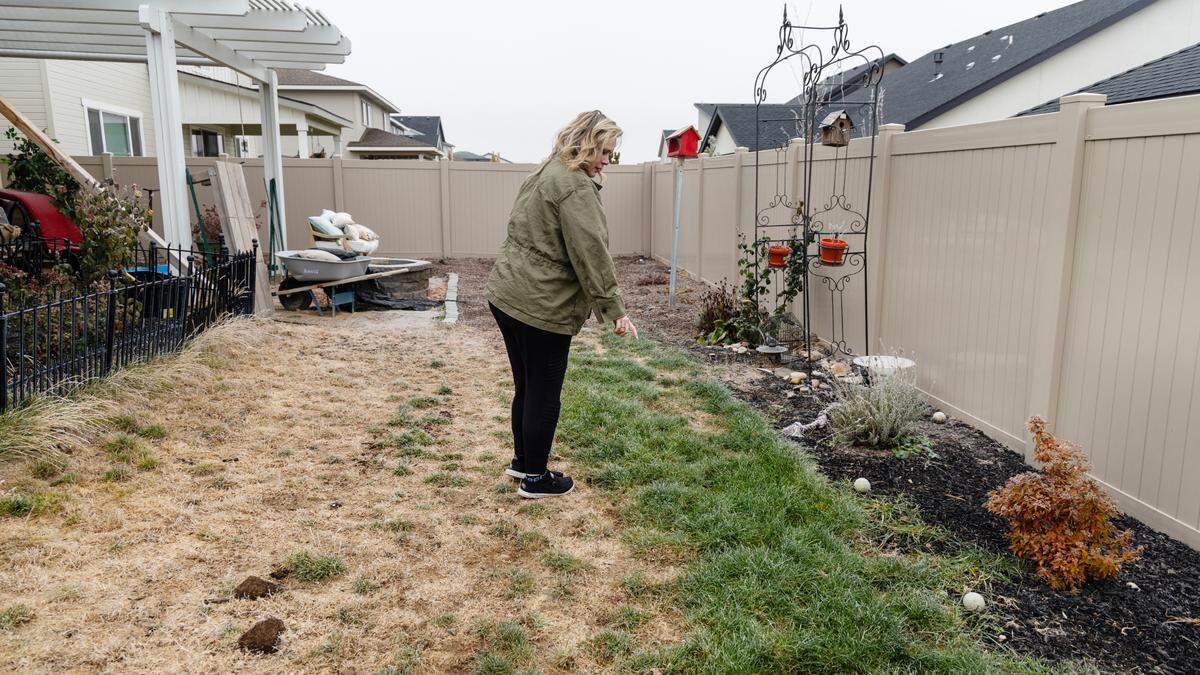
Wardell, a retired building official and home inspector who designed houses for about 50 years, shone his flashlight through the crawlspace, pointing out several problems with insulation and the house’s heating, ventilation and air conditioning system. There were other problems in the attic, in the garage and in the backyard. Wardell said the new home was one of the worst he’d seen.
But the home isn’t a fluke. Dozens of owners of brand-new homes in Caldwell and elsewhere in Southwest Idaho have told the Idaho Statesman about construction defects, including poor ventilation that traps moisture and mold, water intrusion and structural problems from poor framing. They have cited instances of heating and air-conditioning systems that blew out fiberglass insulation, uneven heating, flooded backyards, cracked foundations, nails left in vents and cut vapor barriers.
Builders have rushed to match a voracious appetite for homes in a region enduring a painful housing shortage. But in many cases, those efforts have led to unchecked and wide-ranging health and safety problems.
Wardell, who was the top building official for Middleton and now lives in Kuna, said builders aren’t following the homebuilding rules, and nobody is paying attention. The problem, he said, is not new.
“Idaho is the Wild West,” Wardell told the Statesman. “Nobody does anything about it. People do whatever they want and walk away.”
Builders like Lennar Corp. — the second largest homebuilder in the nation — say that safety and well-being of homeowners is a top priority, and that they are committed to addressing problems with homes.
“As a homebuilder that stands behind our work, we respond to the questions and concerns of our homeowners throughout the warranty period — and well beyond,” said Danielle Tocco, spokesperson for Lennar, by email.
The problems are cropping up even as people shuck out more of their savings to buy after home prices shot up during the COVID-19 pandemic. Since 2019, the median home price for a newly constructed home has increased by about $178,000 to $570,000 in Ada County, and by about $163,000 to $441,000 in Canyon County.
With elevated costs, many of those interviewed say they don’t have leftover room in their budgets to repair the problems or receive medical treatment caused by problems like mold, for which there are no regulations under federal or Idaho law.
According to Wardell, even the best builders often don’t follow code, including with million-dollar homes in the Boise Foothills.
“They’ve got some really nice lipstick, but it’s still on a pig,” he said. “A lot of people are putting their last dollar into buying a house, and it’s a piece of junk.”
‘Devastating’ health problems from new homes
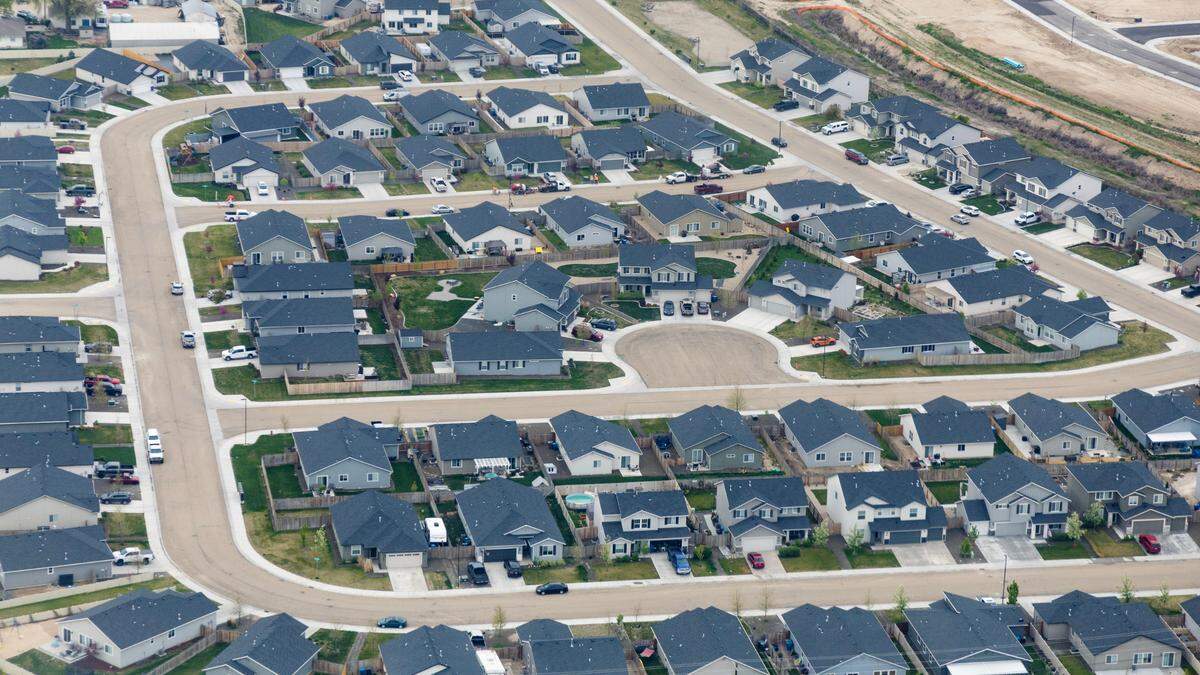
The Mandalay Ranch subdivision in northeastern Caldwell — about two miles west of the popular Haunted World attraction during the fall — has faced a steady stream of complaints since the Statesman published a story in January about Idaho author and Mandalay resident Leslie Montgomery.
Montgomery bought her house in June 2023 with royalties she’d made from her latest book, “The Faith of Mike Pence.” The two-story, four-bedroom home has an assessed value of nearly $467,000.
But problems began shortly after moving in. Her family started getting allergy-like symptoms, even though they had no history. Then one of her children began passing out, sometimes over 20 times per day. His heart rate would skyrocket, and he suffered from dizziness, chronic fatigue, blurred vision and abdominal pain.
Environmental testing of the house showed high levels of mold spores and carbon dioxide. Medical lab results showed her son had high levels of heavy metals, environmental toxins and harmful compounds in his body from mold and fungi.
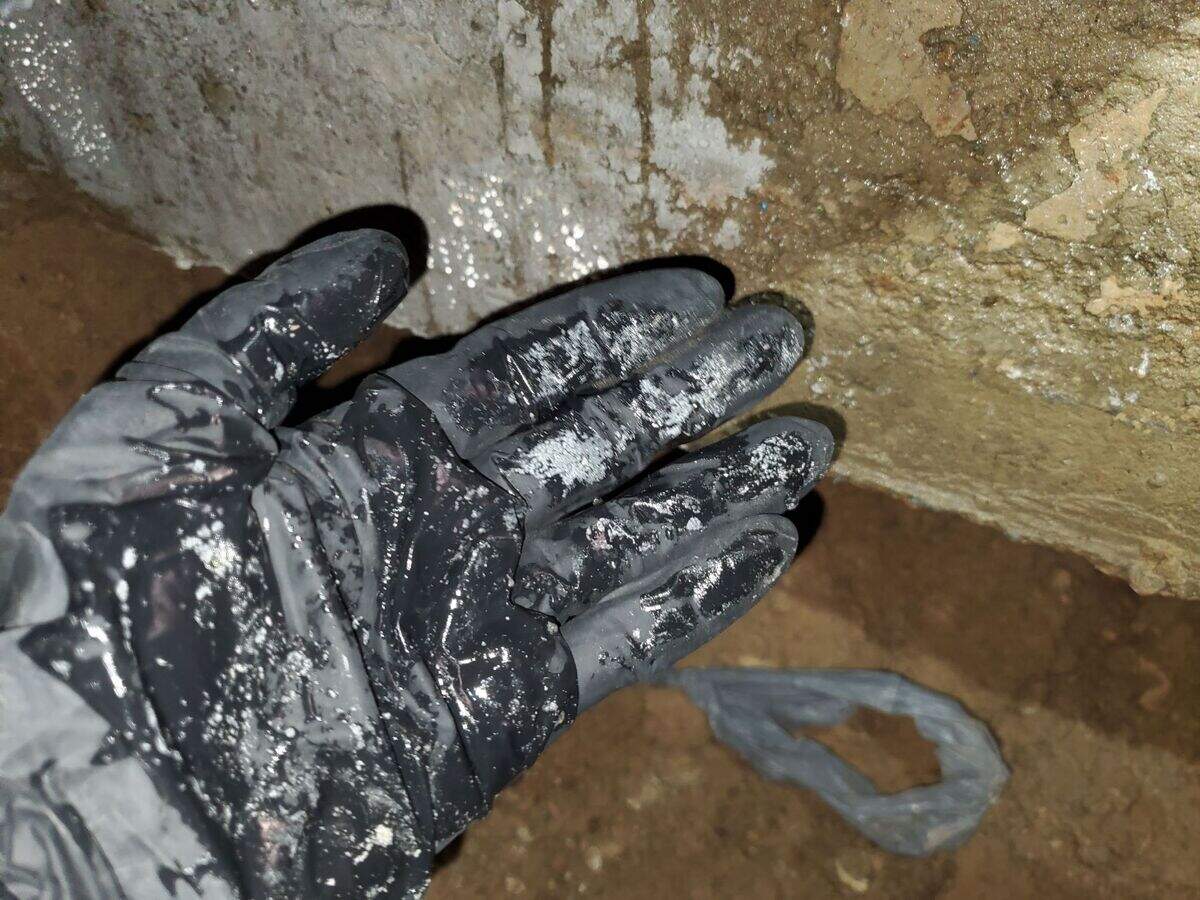
Reports and inspections of the home showed several building issues, including that the HVAC system was undersized and blowing fiberglass insulation into her son’s room, and that the vapor barrier below the house, which helps prevent moisture, was cut.
Recent test results showed that her son now has 70% breathing capabilities and scar tissue in his lungs from the fiberglass, Montgomery said. He was referred to the Stanford University Children’s Hospital in Palo Alto for specialized tests and treatment.
“It’s just a nightmare,” Montgomery said. “It’s been devastating to see him go downhill and just see him struggle with all of this.”
With few improvements after nearly two years of back-and-forth with Lennar, Montgomery chose to cut her losses and sell the house to a buyer who agreed to pay $405,000. After paying off what is left of her loan, and with repairs and medical costs, Montgomery said she will have lost over $200,000.
“He only gave me what he thought it was worth,” she said. “It’s sickening.”
According to Tocco, the Lennar spokesperson, the company “worked diligently and in good faith to make repairs but the homeowner declined further services we had scheduled.”
Montgomery said that she had not declined further services but had chosen to sell after Lennar refused to address problems. “They drew the line in the sand,” Montgomery said.
According to a letter to Montgomery from a law firm on behalf of Lennar, the homebuilder made several repairs to her HVAC system and did a full cleaning of the home but would not be helping further.
“Lennar, in consultation with its experts, has concluded that any ongoing contamination (if any) at this point is the result of the home’s maintenance and cleanliness, only, and is unrelated to the home’s construction,” according to the letter. “As such, under the circumstances, Lennar will not be taking any further action relative to your complaints regarding your home’s condition.”
The firm wrote that if Montgomery maintained claims that there were issues with the home’s HVAC system — and if she maintained that her son was experiencing health issues as a result of something in the home — she would need to submit her dispute to third-party mediation.
Fixing home problems ‘taps us out’
For Judie and Mike Phariss, who live about 15 houses away from the Montgomery house, it was smooth sailing for the first year in their newly built Mandalay Ranch house from Eagle’s Stetson Homes. Then problems started with their $440,000 home.
Judie Phariss, a mortgage loan officer before she retired, said she was sick constantly, throwing up about five days a week. She went to the emergency room. She had tests done, but doctors couldn’t figure out what was wrong. Her doctor doubled her allergy medication.
Mike Phariss’s memory became so bad that he was “like another person,” Judie Pharris said by phone. He struggled to remember something 20 minutes after it happened. Tests showed that Mike Phariss, then 78, did not have dementia and had normal brain function for a man of his age, though he was deficient in some vitamins, Judie Phariss said.
Environmental tests showed mold throughout the crawlspace, which vented spores into the rest of the house, she said. The couple’s master bedroom returned results of nearly 3½ times the safe level of exposure to mold.
Insurance wouldn’t help pay for the problems, she said. The couple petitioned the Snake River Building Contractors Association to make Stetson fix the issues, but the association said the city’s approval tied its hands, she said.
Neither Stetson nor the Snake River Building Contractors Association returned multiple requests for comment.
To come up with the $60,000 to fix the home’s problems, Judie Phariss said they cashed out their life insurance policy, wiped out their retirement accounts and sold off a couple of cars and their RV camper.
“That just pretty much taps us out,” Judie Phariss. “We put almost everything we had into this house.”
Problems crop up in Caldwell
Theresa and Mark Kramer, who live in Mandalay Ranch just north of the Montgomery house, also started getting sick after moving into their $470,000 home.
Theresa Kramer, who works in hospice, said she could barely breathe while walking up the stairs. Mark Kramer had congestion, headaches and a hard time breathing. Theresa Kramer’s brother, who lives with them, had the same problems. When her daughter visited, she developed the same symptoms. But when they left the house for periods of time, many of the cold-like symptoms would clear.
“I was sick for so long I didn’t know what was wrong with me,” Theresa Kramer said by phone. “I thought I was dying of cancer.”
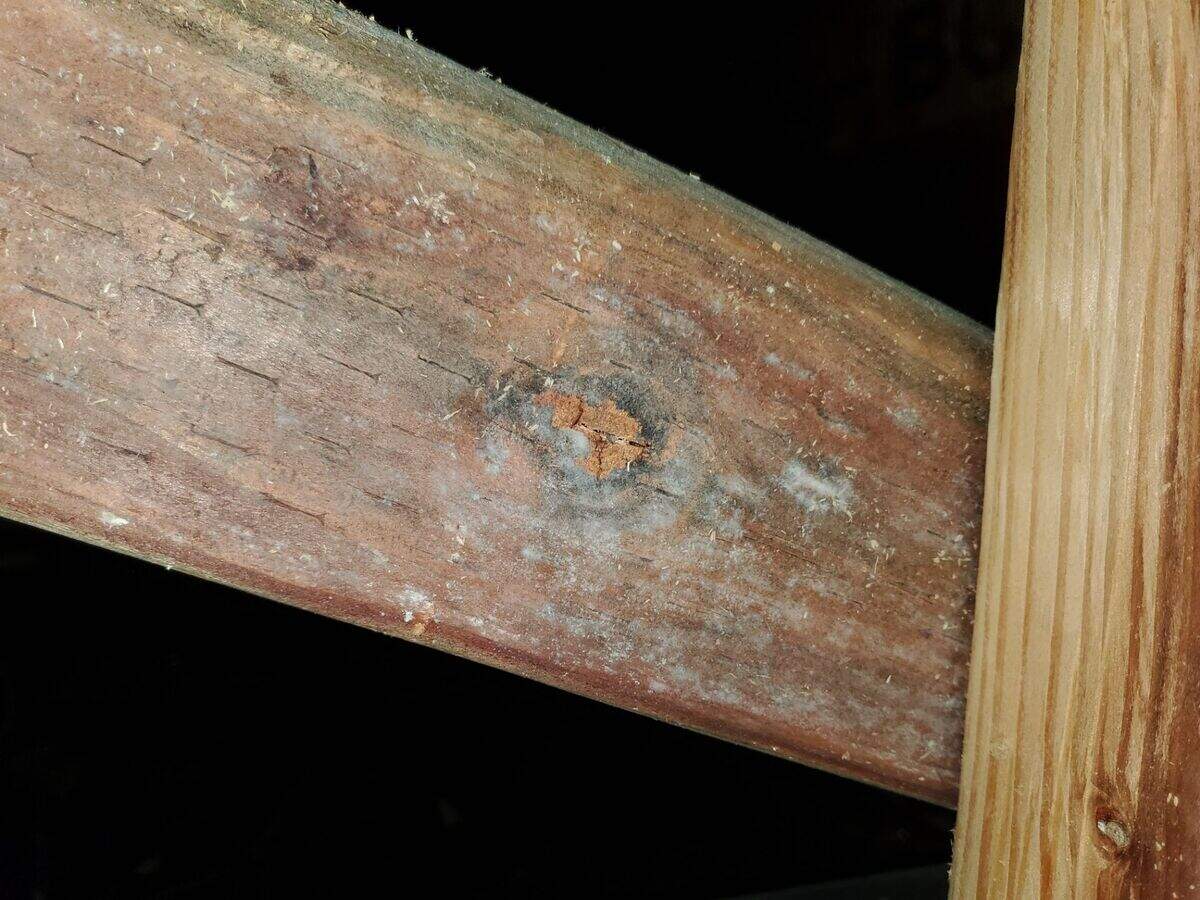
Inspection reports and tests reviewed by the Statesman showed mold and toxins in the crawlspace and attic. While the growth appeared to be minor at the time, according to a February inspection report, it was dispersed and scattered across multiple surfaces.
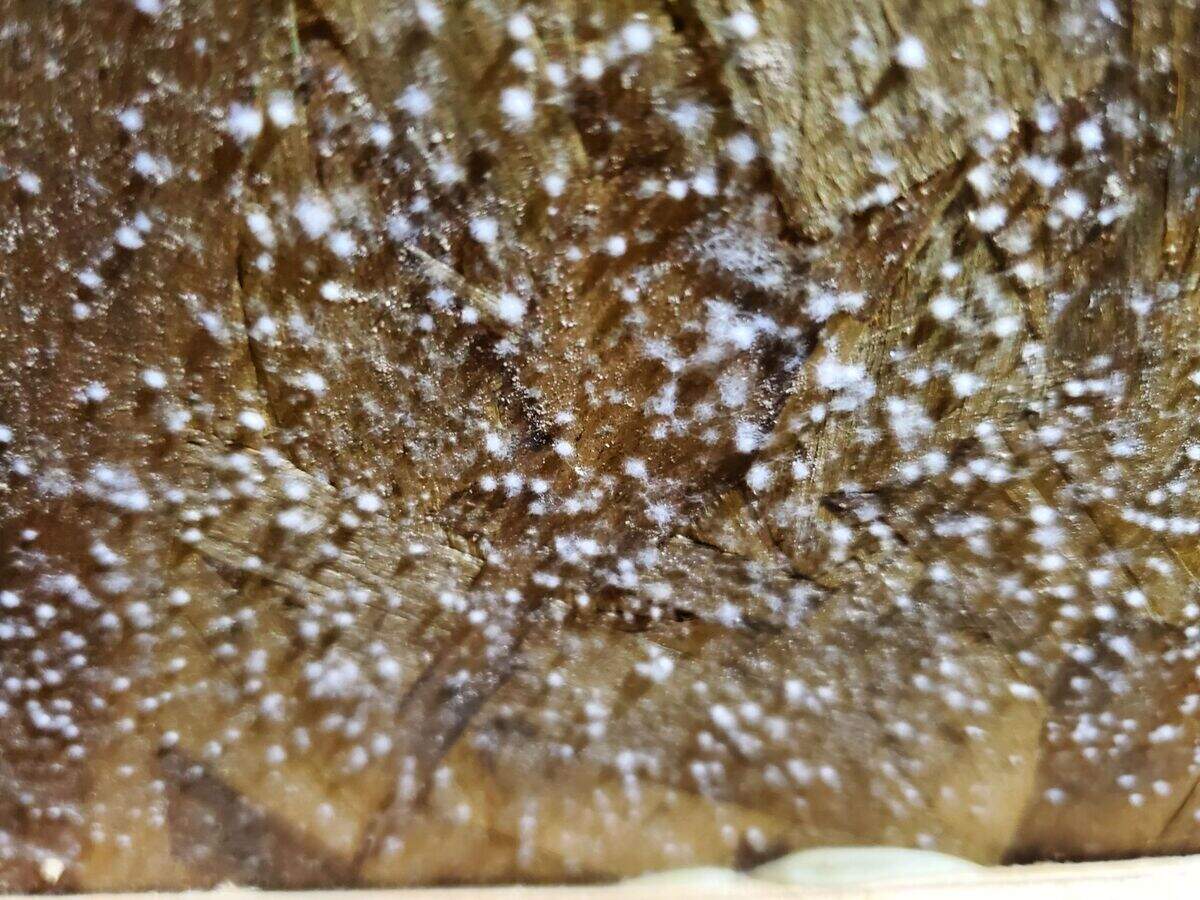
Some of the types of mold found in the home can lead to fatigue, dermatitis, irritated bowel symptoms, memory and breathing issues, immune dysfunction disorders, kidney disease and cancer, according to a lab test report.
“The presence of mold on the floor joists, pony walls and subfloor poses a risk to the structural integrity of the home and may potentially cause health concerns,” according to the report. A pony wall is a short wall. “Immediate remediation is recommended to address the mold growth.”
Theresa Kramer said Lennar sent out crews to remediate the mold months later, but the family is still facing health concerns. She said she recently broke out in a rash, and her eyes have been burning.
“What’s scary is it’s not just our home,” Theresa Kramer said. “Its several homes. It’s like, ‘OK, what went way wrong here?’”
What’s going wrong in Mandalay?
Nearly every homeowner the Statesman spoke with in Mandalay Ranch who had problems had a common setup for heating, ventilation and air conditioning.
Chris Underwood, co-founderof Caldwell’s Epic Mechanical, said he has worked on the HVAC systems of about 30 houses in Mandalay Ranch. Many of the systems, he said, were installed incorrectly, had too-small ductwork, had backward intake vents or allowed excess moisture into the system.
“They’re not putting these power vents in correctly, and it can cause moisture (and) obviously a lack of efficiency,” Underwood told the Statesman.
Improper installations caused increased resistance by the ductwork itself to the flow of air, a phenomenon known as static pressure. High static, he said, is like having high blood pressure. If you think of your heart as a furnace, high static is like a blockage in the ductwork.
Underwood said most of the homes he’d worked on had static pressure that was higher than it should have been. If the static pressure is too high, he said, the HVAC system will display an error. The only way to get past the error message, he said, is to put the numbers into the system incorrectly. “There’s no other way for that to happen,” he said.
Home inspectors will check the static levels before approving the system, Underwood said, but they don’t verify or double-check the installation work.
“The inspectors are doing what they’re supposed to do,” he said. “It’s just a false reading, false measurement.”
Cache Olson, assistant building official with the city of Caldwell, visited the Kramer and Montgomery homes after receiving complaints and sent a letter to Lennar with problems, including with the HVAC system, where it seemed that each room didn’t have enough airflow.
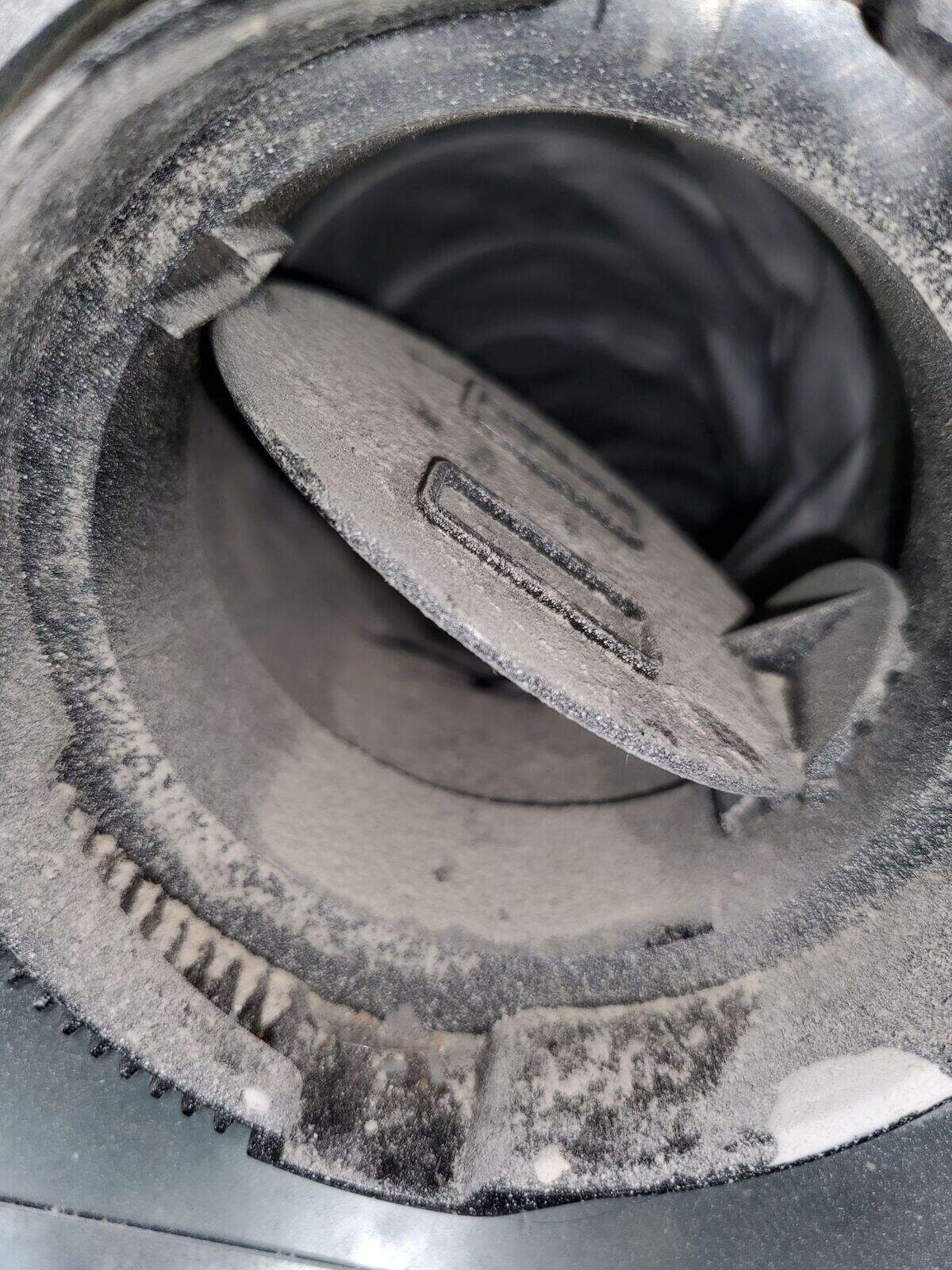
“Even though the home has been air balanced, it would seem each room does not have enough air to complete the task of comfort to each … I cannot explain the feeling of stagnant air, other than to say it did not seem to have any airflow,” Olson wrote. “If the home is experiencing low airflow with the static that (was) reported, it would seem the HVAC home design is failing the occupants.”
Olson wrote that he had also found holes in ductwork, voids around footings in the Kramers’ home, tears in the vapor barrier, and fans that did not meet ventilation requirements. He wrote that he had seen pictures of a supply duct that was not connected to the main system.
“I believe that if we were to test all of the furnaces on the static pressures, this would give us a conclusion that possibly the main return and supplies air are undersized,” he wrote.
He also asked that Lennar inspect the crawl space vapor barriers to make sure there were no tears, and to make sure no trash was left on top of it.
“I would advise that all supply ducts in the crawl be checked for holes,” Olson wrote. “Above all else check to see that all connections are secure.”
Tocco said the company found no direct correlation between the HVAC system and the presence of moisture.
“Whenever mold is brought to our attention, we act quickly to assess the situation and involve the appropriate experts to ensure it is properly addressed,” Tocco said.
Crawl spaces present inherent challenges because of the limited space, Tocco said, making it difficult for crews to move around without inadvertently damaging vapor barriers.
“We take additional precautions to ensure the vapor barriers are properly sealed and maintained and remain committed to upholding quality standards and addressing any issues as they arise,” Tocco said.
A ‘sparkle bomb’ of insulation
Without proper airflow, Underwood said, a home traps moisture, including from wet lumber and water dripping from the roof and seeping into the crawlspace — both problems that Mandalay owners have mentioned. “The mold is directly a result of the ventilation of the house,” he said.
Fixing high static costs around $1,000, but it’s a repair that could prevent a $16,000 repair down the road, he said.
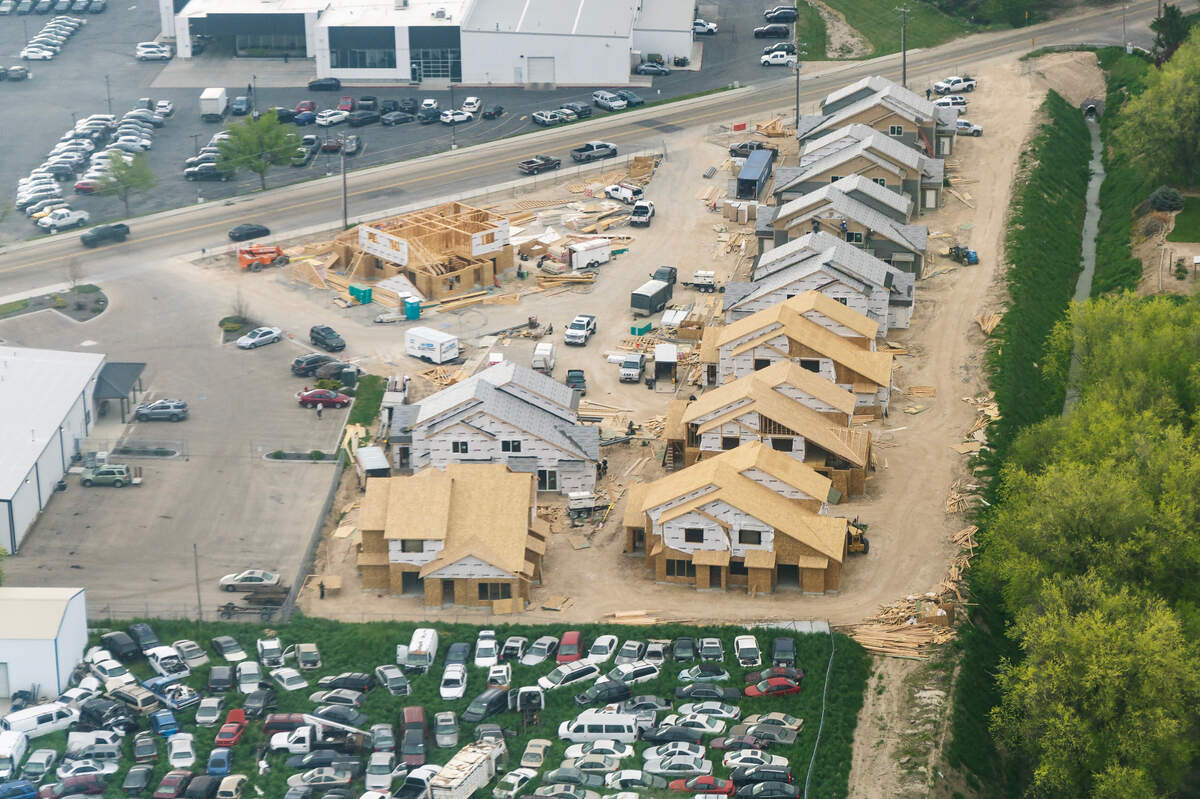
Mandalay homeowner Juan Arguello, who framed homes when he was younger, said that shortly after moving into his new home in February 2024, he watched crews build a home across the street with wood that was swollen from snow and rain. Other homeowners the Statesman spoke with made similar observations.
“They still built on it,” Arguello, who has struggled with HVAC problems, said by phone. “We’re worried about people moving here.”
Arguello said that while Lennar has addressed some smaller problems with his home, they won’t fix the HVAC system.
When Underwood was working on Montgomerys’ house, he said, his throat would start hurting from inhaling insulation after a few hours. “I’ve been around insulation enough,” he said. “You just know the feeling.”
Underwood said he could see insulation flying around the crawlspace. When he shined a light into the ductwork, “that whole thing lit up and sparkled. It looked like a sparkle bomb in there,” he said.
When a Statesman reporter and photographer visited the Montgomery house, they left with similar symptoms and allergy-like reactions, including scratchy eyes. They also noted a thin layer of particulate matter on surfaces.
Is Lennar addressing the issues?
According to Theresa Kramer, storage units have filled the Mandalay neighborhood lately as crews work on defective houses on behalf of Lennar.
“They’re all over this neighborhood fixing houses,” she said.
Tocco did not say how many homes Lennar has done repairs for in Mandalay Ranch.
Aaron Morrow, a Mandalay homeowner and construction worker, said that he’d had a bow in his flooring, and crews found incorrect and missing supports. There was also bowing in the home’s siding from incorrect framing, cracks in the driveway and HVAC issues.
Morrow said Lennar had been responsive to his warranty claims and responded within a few days, with the work completed in the following week or two. But the HVAC problem has persisted. According to Morrow, the company says the system is working as it should, even though third-party testing shows high static levels.
“We feel absolutely blessed after years of saving and planning to finally have the ability to purchase a brand new home such as this,” Morrow said by email. “It’s just been frustrating and disappointing to finally get here and have to deal with what we believe to be unacceptable major issues with the craftsmanship.”
Morrow questioned how his home was approved by inspectors, especially with the missing support beams in his own home and, he says, in some neighbors’ homes.
How do inspections work? Why are problems getting missed?
According to Robin Collins, director of Caldwell’s community development department, the type of inspection required for any single-family or two-family dwelling is regulated by the International Residential Code.
At a minimum, the city inspects foundations, water and sewer lines, and does rough inspections of plumbing, mechanical, gas and electrical systems, Collins said by email. It also inspects framing and masonry, energy use and fireplaces.
Final building, plumbing, electrical and mechanical inspections are done after the permitted work is finished and before the building official signs off on occupancy, Collins said. This includes checking the crawlspace and the grading around the house to make sure it slopes away from the home.
“All inspectors look up into the attic to check framing, ventilation and insulation,” Collins said. “Inspectors also go into the crawlspace to check framing, stem walls, ventilation, weather barriers and insulation. If water is in the crawlspace, the inspector will fail the inspection and require water remediation.”
The builder is not allowed to proceed until each inspection has been completed and approved, Collins said.
According to Collins, all homes in the Mandalay Ranch subdivision met code at the time of final inspection.
“A lot of things can change after a building has completed their final inspection,” Collins said by email. “For example, homeowners move in, and additional landscaping gets planted and grades against the house get changed. Sometimes homeowners get up into their attic or in their crawlspaces and disturb the insulation or the vapor barriers.”
The city did not respond to multiple requests for further comment when asked how homes met code when photos and videos, along with the home inspection Wardell performed in the presence of Statesman reporters, showed otherwise.
Cache Olson, the Caldwell assistant building official, noted several issues with the Montgomery and Kramer homes in his letter to Lennar — including the fans that did not meet ventilation requirements set out in code.
Jay Gibbons, director of Canyon County’s Development Services Department, said the county gets calls every day from homeowners who say there are issues with their homes. But most of them, he said, are related to problems outside inspectors’ authority.
“The building code is all about life safety, not necessarily workmanship or cosmetics or things like that,” Gibbons said.
Inspectors look for structural integrity and whether people could get out in case of an emergency, he said. But he said there are a few things inspectors won’t check, such as the roof.
“We can’t inspect everything,” Gibbons said.
Problems like mold or hairline cracks that emerge after a house is built are not inspectors’ responsibility, Gibbons said.
What’s next in Caldwell?
Some of the homeowners the Statesman spoke with in Mandalay Ranch are preparing to leave. Arguello said some of his neighbors have already followed in Montgomery’s footsteps.
Morrow said that when he rides his bike around the neighborhood, he can see homes with exterior vents not lined up and at different elevations, bows in siding, and noticeable putty over holes in the siding that show through the paint when the sun is right.
“We know this isn’t our forever home,” Morrow said. “It’s upsetting to know we purchased a lemon and are now stuck with it.
———
Other stories in this series
This story was originally published July 24, 2025 at 1:00 PM.