Demolition dust: How the growth of Boise could be putting residents at risk

Mold. Dust. Houses sinking into the ground. Hazardous Homes is a 2025 occasional series by the Idaho Statesman on problems in new Treasure Valley homes that may affect human health and safety.
Update Tuesday, Jan. 7, 2025: Boise’s Planning and Zoning Commission postponed its Monday, Jan. 6, public hearing on a proposed development in southeast Boise that could include asbestos-related demolition of three houses. The hearing is scheduled to take place at 6 p.m. Monday, Feb. 10, at Boise City Hall.
Burned out husks of homes. Aging structures beyond repair. Buildings that once served their occupants faithfully but could be turned into new, much-needed housing.
For any number of reasons, people submitted over 120 demolition permit requests to the city of Boise in 2024.
But the rules surrounding the demolition of homes with dangerous materials like asbestos and lead are a complicated web that confuse even those who have spent their lives in the industry. Experts say the exceptions and the lack of oversight in Idaho are putting communities at risk.
“It’s unbelievable what’s going on,” said John Hoyne, founder of Boise abatement company Johnny on the Spot Environmental. “People have no idea.”
Asbestos is one of the main issues for residents of Southeast Boise who are fighting a proposed development near two public schools that a city board is expected to consider on Monday, Jan. 6. Three houses and three outbuildings built before asbestos insulation was banned would be demolished.
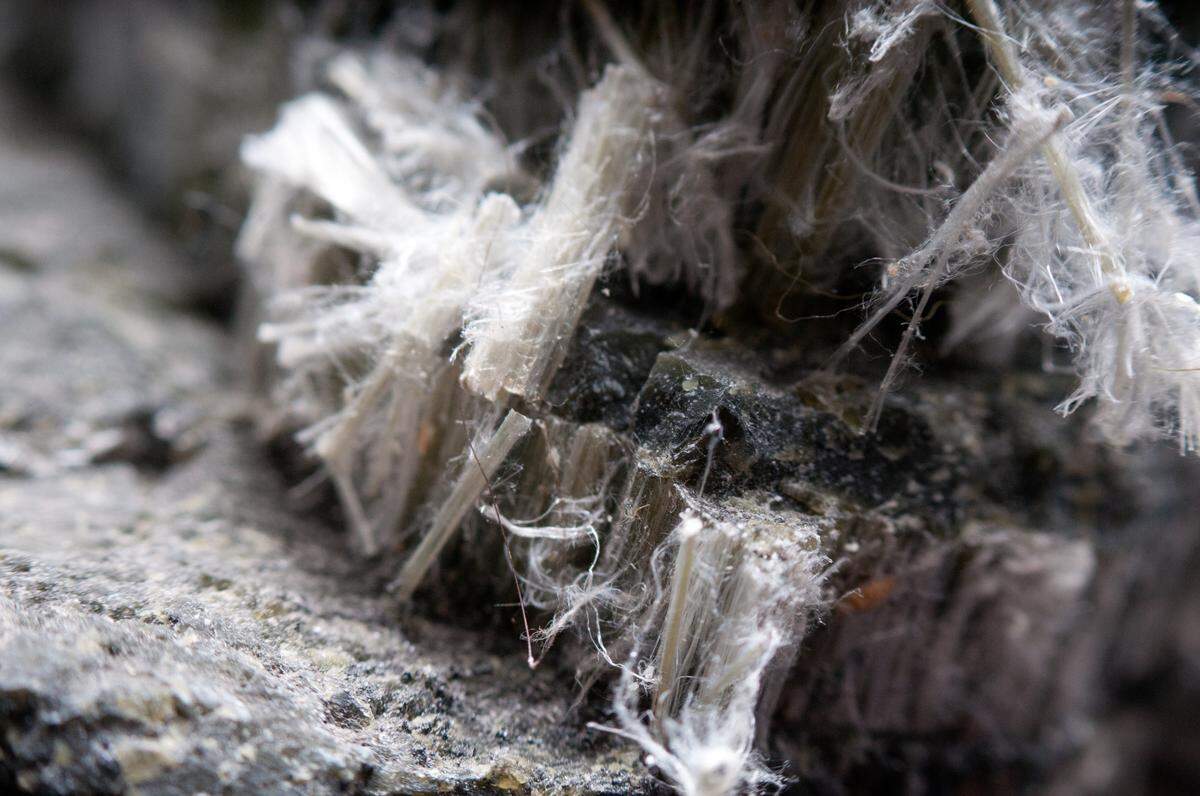
The mineral can stay airborne for days once disturbed, according to the Minnesota Department of Health. When inhaled, the microscopic crystalline fibers can scar your lungs and cause fatal cancers. It can take years for signs to show up.
Asbestos was used widely in construction for decades for its insulation properties and resistance to heat and fire. It was used in everything from drywall and roofing to brake pads and even cigarettes.
No amount of exposure to asbestos is safe, with past exposure leading to nearly 40,000 deaths in the U.S. in 2016, according to The Mesothelioma Center.
Lead poisoning, meanwhile, can be difficult to detect, but even small amounts can cause health problems in children, including developmental delays, learning difficulties and seizures. Larger quantities can be fatal, according to the Mayo Clinic.
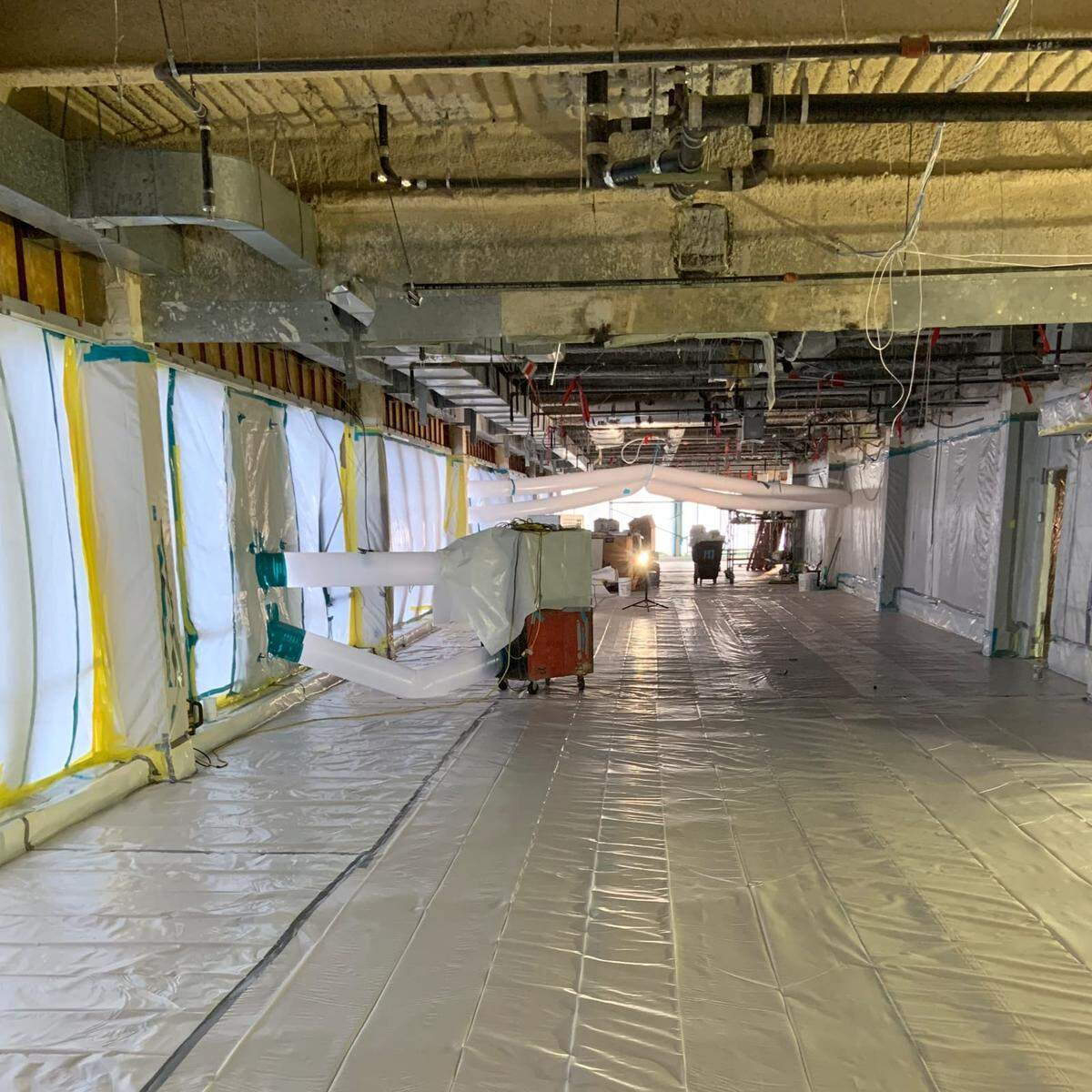
To abate — or remove — asbestos from a home or room, there’s a long list of procedures workers must follow, including enclosing the area to make sure none of the fibers escape. Hoyne and his employees put the area under negative air pressure and use an air scrubber with several filters. They’re required to decontaminate all equipment and wear full protective suits with a special kind of respirator.
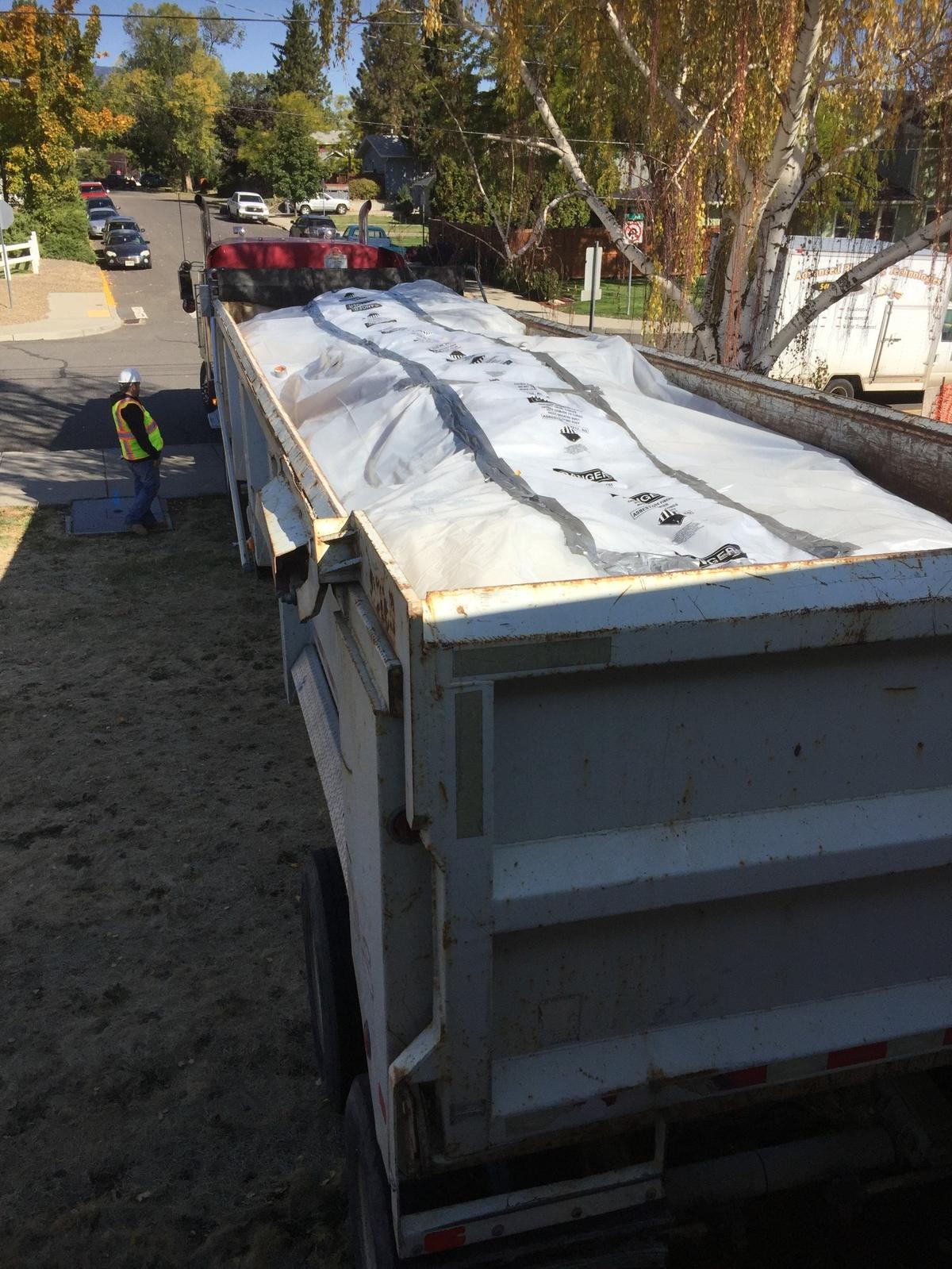
But virtually the only safety measures required for a home demolition are that crews water the site and wrap up the waste for disposal.
“There’s really no rules,” Hoyne said.
According to Josh Woodard, an owner of Boise’s Abatement Pro, which has offices in Idaho and most of its bordering states, “There’s a pretty gaping regulatory hole” for a residential home demolition with asbestos.
And while asbestos rules vary from state to state, Woodard said, enforcement in Idaho is difficult. Unlike other neighboring states like Wyoming and Montana, there is almost no enforcement presence in the state.
Who is responsible for demo dust?
According to those in the industry, there is little oversight for the demolition of homes filled with dangerous building materials. City and state agencies point toward the federal Environmental Protection Agency as the rule-setter and enforcer. But the EPA’s rules are limited.
“We require dust suppression, and any contractor hired to do demolition has to have a certification from the EPA,” said Alice Corcoran, a spokesperson with the EPA’s Region 10, which includes Idaho.
According to Corcoran, credentialed EPA inspectors can conduct on-site inspections based on tips — if they’re available and able to get to the site in time while work is still being done.
Demolishing a house takes about two to five days on average for leveling, cleaning and hauling away the debris, according to Homeguide.com. According to Woodard, the EPA has no enforcers based in Idaho, meaning they must fly in from out of state.
Neither the EPA or Idaho DEQ have the teeth to do much for residential homes.
The EPA’s rules, called the National Emission Standards for Hazardous Air Pollutants, or NESHAP, don’t apply to everything. Single-family homes are exempt from the regulations unless a development encompasses five or more homes or includes a commercial element, Corcoran said.
The demolition of one to four homes with asbestos requires no air quality testing, no soil testing, no groundwater testing and no notifications to neighbors that the building contains harmful materials, according to Corcoran. The agency has no special rules for demolitions taking place near sensitive areas such as schools or hospitals.
“It was not (the) EPA’s intent for the federal Asbestos NESHAP to apply to individuals,” Corcoran said. “State and local laws can be more stringent and many are and have their own asbestos rules that apply to single family residences to fill in this gap.”
The golden rule for asbestos demolitions is to water the site to prevent the mineral from spreading, according to Emanuel Ziolkowski, compliance assurance program supervisor with the Idaho Department of Environmental Quality.
“The use of water in asbestos abatement (or) any kind of asbestos work… to keep dust from being generated is rule and priority No. 1,” Ziolkowski said by phone.
Idaho DEQ lacks authority
The Idaho DEQ doesn’t have authority over residential homes either. According to Ziolkowski, the EPA has authority over nearly all demolitions in Idaho except for about 50 industrial sites the DEQ oversees.
“We don’t have a full-blown asbestos program,” he said. “We only have partial regulatory authority.”
Other protections than dust control are usually put in place by cities, Ziolkowski said, but these protections don’t exist in Boise or on a state level in Idaho. Some cities, like Burley, don’t even issue demolition permits.
“Idaho doesn’t have state specific regulations that are more stringent than the federal regulations,” he said. “There’s a regulatory void there.”
In Boise, the city’s demolition permits are not focused on public safety or hazardous materials. Instead, they’re focused on liability insurance requirements and encouraging and tracking the waste or reuse of materials, according to Lindsay Moser, a spokesperson for Boise’s Planning and Development services Department.
“The city has no authority or regulations on asbestos,” Moser said in an email. “Any environmental issues, such as asbestos, are under the purview of the EPA.”
According to Maria Ortega, another spokesperson for the city’s Planning and Development Services Department, the city does not require testing for asbestos before demolition.
For a single home or four, neither the Idaho DEQ nor the EPA has jurisdiction except under certain circumstances such as when the EPA can connect the development to a commercial element, Ziolkowski said.
The Idaho DEQ frequently gets calls about demolitions taking place next door to somebody, Ziolkowski said. But if someone is demolishing a home and getting dust all over yours, “there’s essentially nothing we can do,” he said.
Hoyne said he knows of one contractor who demolished his asbestos-filled house after it caught on fire. “He just took his equipment, did it himself,” Hoyne said. “He just went and knocked it down (and) scraped the lot. Why? Because he found out if he did it personally, there are no rules.”
According to Hoyne, some Idaho contractors cut corners with few repercussions. Some don’t test for asbestos, he said.
Hoyne, whose company works on around 300 abatement projects a year, said the rules around residential demolitions can be a confusing, gray area for contractors.
“Ada County and the city of Boise turn a blind eye” to asbestos, he said.
Hoyne said he and his company have been involved in abatement projects where they had to tell the city not to send an inspector out for separate reasons, because the site was an active abatement project and the city didn’t know.
“Because there’s no testing, the inspectors are probably walking into … situations where asbestos is being disturbed,” he said. “The city probably should be asking some questions, like, ‘Is there asbestos in here?’”
That is, if officials know a project is happening in the first place.
“A lot of the work that’s being done is not permitted,” Hoyne said. “It’s a small percentage that’s actually being permitted.”
Rampant confusion over Idaho asbestos rules
For local developers, these blurred lines can be a headache as they clear out old buildings to make way for an ever-growing region and city in need of more housing.
Boise’s D3V Black Building and Development seeks to demolish three residential homes built before 1978 — when building with lead and asbestos was common — near Timberline High School and White Pine Elementary.
D3V Black has proposed filling a narrow parcel at 396 E. Linden St. with 31 town houses spread among six buildings, according to Russ Taylor, operations manager for D3V Black. The company also proposes a three-story building with 10 to 12 apartments and two spaces on the ground floor for retail shops.
During a neighborhood meeting in June, neighbors told the company that they were concerned about the demolition exposing the nearby students to harmful materials.
Developer pledges to follow rules in a Boise demolition
Taylor said in September that D3V Black anticipated that there would be asbestos in the three homes and would hire a demolition crew. The company, he said, would do everything it could do to keep the site safe and dust down and would double check to make sure crews follow regulations.
“There’s mitigation processes,” Taylor said. “We’re going to make sure people adhere to that … Removing (asbestos) is beneficial for everybody.”
The development is scheduled to go in front of Boise’s Planning and Zoning Commission at 6 p.m. on Monday, Feb. 10, at Boise City Hall.
When asked if NESHAP rules would apply to the development, Corcoran said there are instances in which four or fewer residential homes that are part of the same project could be subject to the rules if they are considered “installations.”
An installation, she said, means any building or structure or any group of buildings or structures at a single demolition or renovation site that is under the control of the same owner or operator. In this case, if the EPA could reasonably connect projects (even if they are single-family homes), then the EPA can regulate.
For instance, if someone wants to demolish one home in the North End with asbestos to build a coffee shop, it could be considered an installation because of the commercial element.
“Projects are considered on a case-by-case basis to determine if it meets the definition of installation,” she said.
According to Ziolkowski, the ground-floor retail shops of D3V Black’s development might mean that it falls under NESHAP protections.
Worker safety first, community safety second?
The U.S. Occupational Safety and Health Administration has possibly the strongest protections. But they’re focused on worker safety, not the impact on neighbors or community health.
According to Mike Petersen, western regional director for OSHA’s Office of Public Affairs, the agency is focused on the type — and in some cases the quantity — of asbestos that workers encounter, and it does not differentiate between residential and other buildings.
OSHA requires that demolition sites have warning signs and a supervisor on site and, depending on the type and amount of asbestos materials, that workers use respirators and other protective clothing or equipment.
“There’s generally not a requirement for air or water or soil sampling before or after work,” Petersen said by phone. “A lot of the time workers will carry (air) test strips with them.”
For building demolitions where enclosures can’t be used, OSHA calls for alternative work practices and controls, such as “isolating airborne fibers before they can enter a worker’s breathing zone.”
The demolitions must be “performed under the supervision of a competent person, (and) must demonstrate that a worker’s permissible exposure limit won’t be exceeded under the worst conditions.”
“These standards likely wouldn’t apply outside the actual worksite,” he said.
Woodard, the part-owner of Abatement Pro, said he doesn’t know many demolition contractors who do proper air monitoring or have supervisors on site the whole time.
“OSHA enforcement in the state of Idaho is abysmal,” he said. “It’s just not present.”
What can Boise, Ada County, Legislature do about asbestos?
Having tighter rules around asbestos — whether through home renovations or demolitions — wouldn’t be difficult, Hoyne said. Many other states already have rules that address the EPA’s gap.
To get a building permit in Oregon, for instance, Hoyne said the state requires testing on any home built before 2004. For Boise or Ada County, Hoyne said, it wouldn’t take much to require testing before demolition.
“I mean, that would be a first step,” Hoyne said.
Woodard said most people would expect Washington or Oregon to be more stringent than Idaho. But Idaho falls behind on enforcement compared with states like Utah, Montana and Wyoming too.
“They’re paying attention to that kind of stuff,” Woodard said. “There’s somebody to look at it.”
While the EPA still doesn’t oversee small residential projects, simply having an enforcement presence in the community encourages contractors and tradesmen to be more careful around asbestos, he said.
“All I see now,” Woodard said, “is asbestos everywhere I go.”
Other stories in this series:
This story was originally published January 4, 2025 at 4:00 AM.