E-scooter use — and ‘danger level’ — on the rise in Boise. The city is adapting
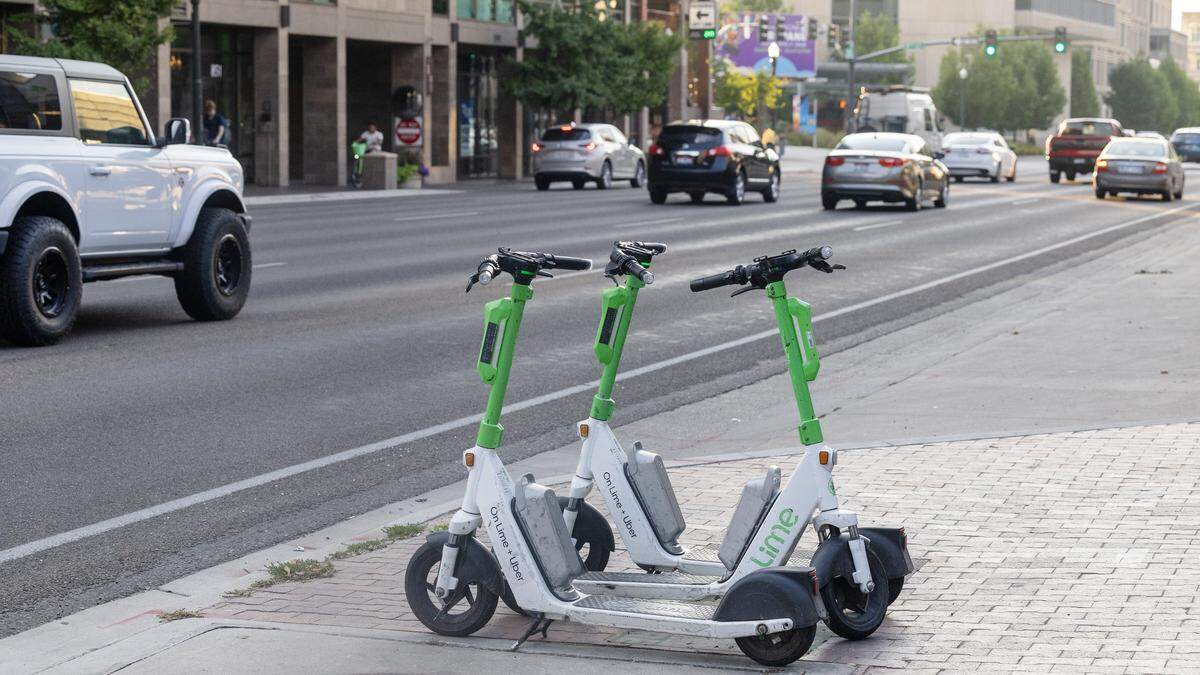
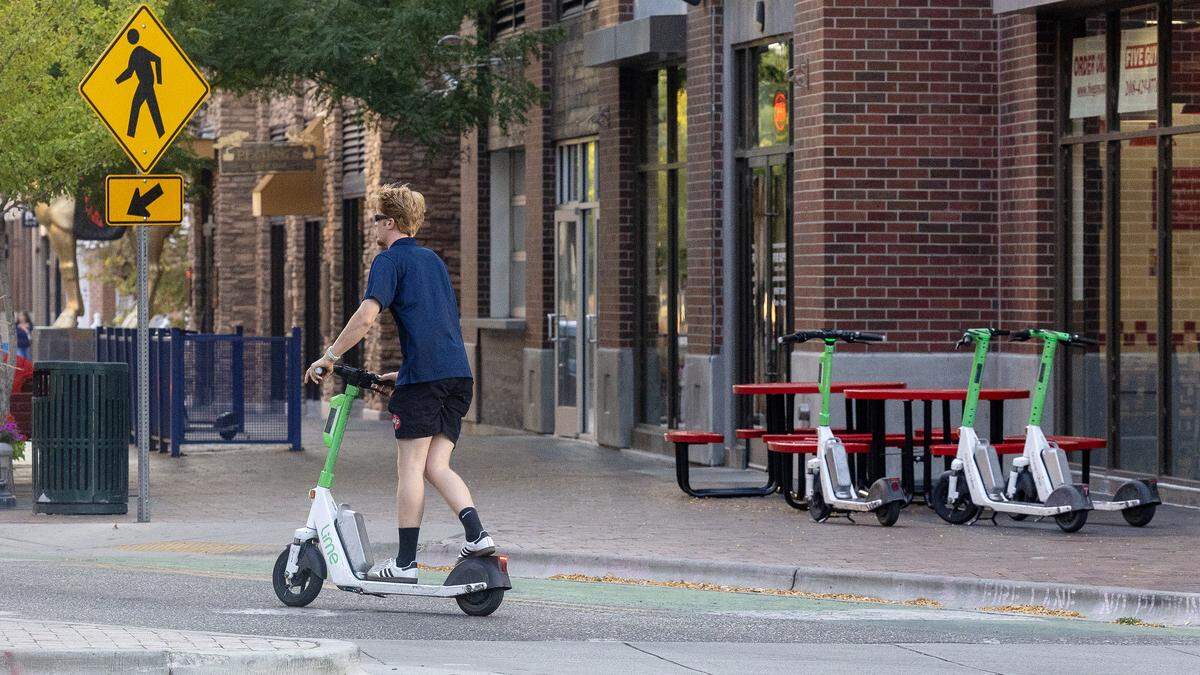
Love them or hate them, those bright green e-scooters carrying riders who zip through the city are now a vital part of Boise’s transportation ecosystem.
As Lime scooter use has risen drastically the past couple of years, the seemingly ubiquitous two-wheel modes of movement have changed the nature of roadways and pathways in Boise. Pedestrians, drivers, bicyclists and those using the motorized scooters have had to adapt to sharing city streets, sidewalks and the Greenbelt.
With more people taking more rides, including people who have their own scooters and don’t need to rent, more risk has seemed inevitable.
As a result, the city of Boise and the Boise Police Department have taken steps toward regulating how E-scooters and E-bikes can be used, most notably with a new speed limit downtown and on the Greenbelt for Lime devices.
As for the police department — which has noted an increase in crashes, despite not having hard numbers — a public education campaign was launched to remind people of the rules of the road, as well as common courtesy — which maybe isn’t all that common.
So how frequent are scooter and e-bike accidents, and how can you avoid them? The Idaho Statesman conducted interviews and did research to try to get to the bottom of Boise’s scooter story, but it’s not that simple.
More people traveling on scooters means more ‘interactions’
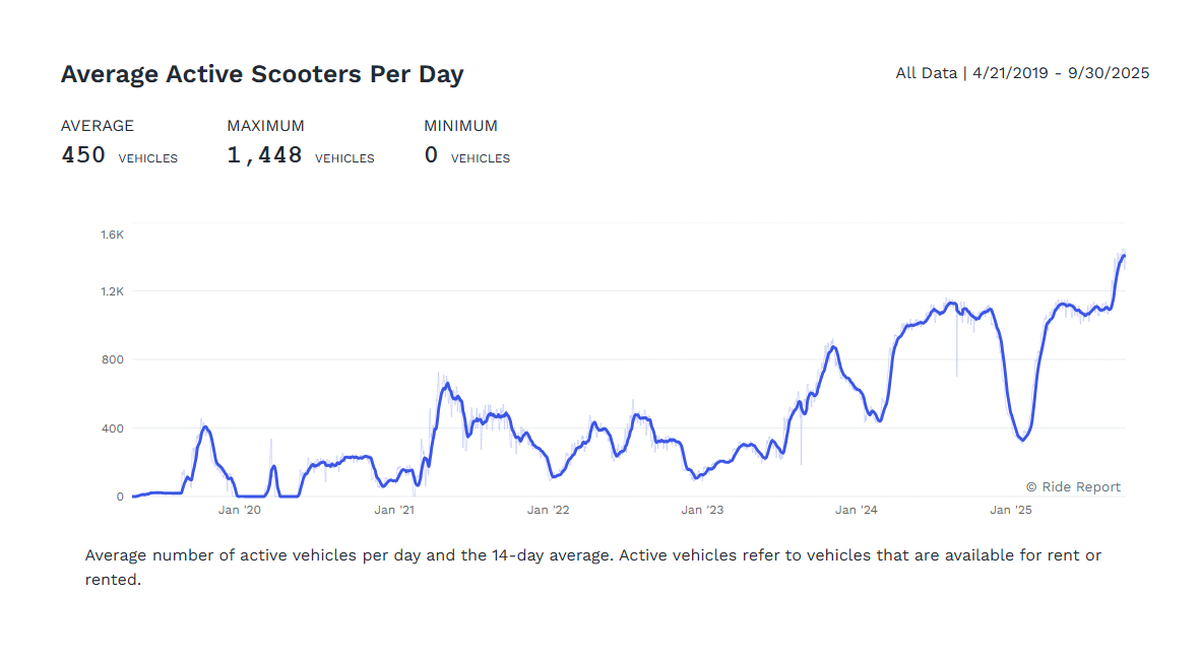
According to the city’s Micromobility Dashboard, which has tracked e-scooter usage since 2019, and e-bike usage more recently, there are more than 1,000 Lime scooters operating in the city.
Bre Bush, Boise’s transportation adviser, said the summer of 2025 saw a significant increase in both Lime ridership and Greenbelt use in general. That increase, alongside the unsafe habits of a lot of riders, led to the city’s changes and regulations.
“A speed limit has been a conversation on and off over the years, and it was really exacerbated this summer,” Bush told the Statesman.
In 2019, there were 109 active scooters traveling an average speed of 4.91 miles per hour, according to the dashboard.
Those numbers have increased dramatically. This summer, there were an average of 1,197 e-scooters available to rent per day, making 320,000 total trips covering 483,500 miles of the city. And now, scooters are traveling at an average speed of 6.73 mph.
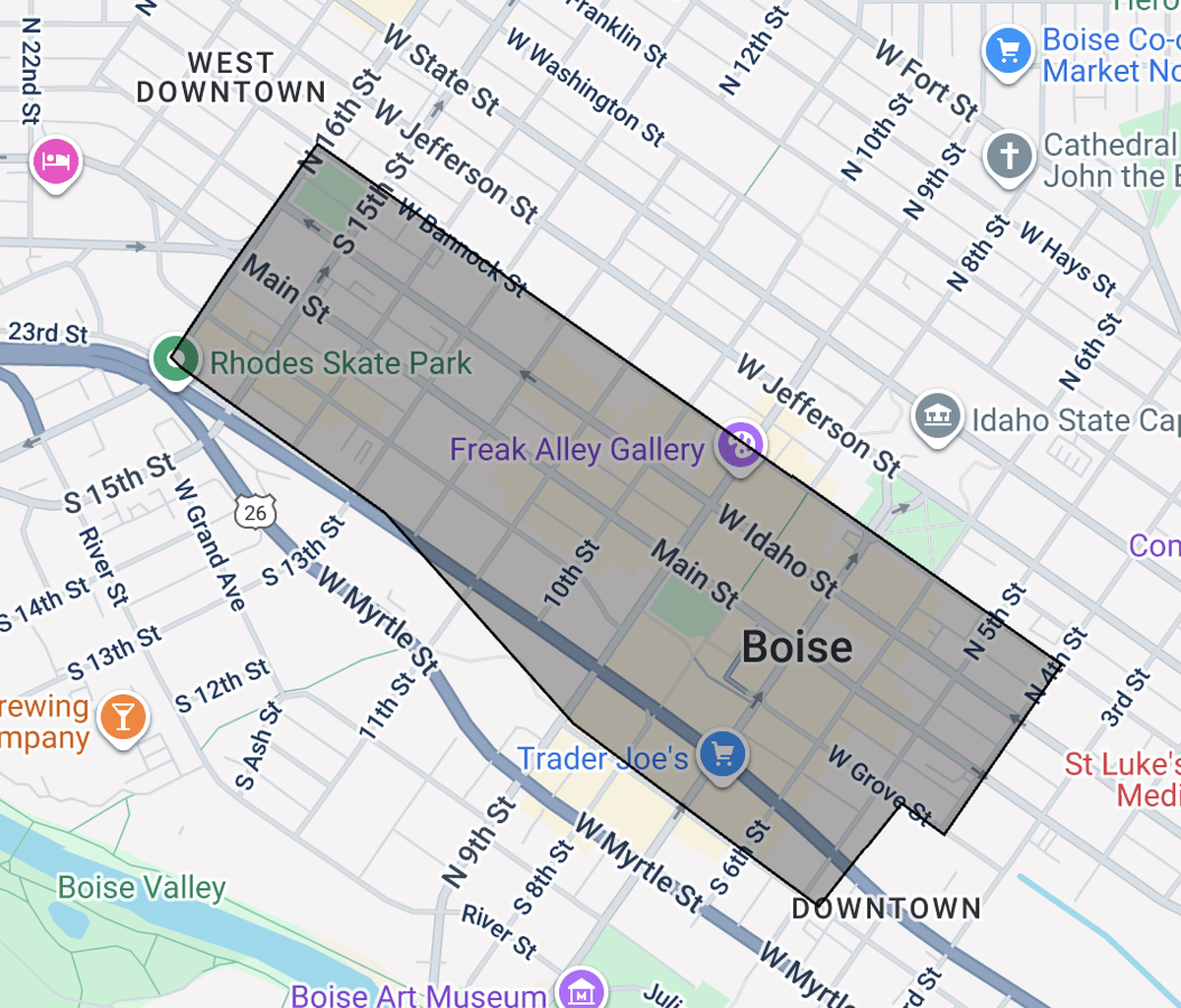
The scooters top out at 15 mph, but there have been some zones downtown where they were allowed to go only 5 mph. The recent change the city orchestrated with Lime put a speed limit of 12 mph on the Greenbelt and 10 mph across a busy swath of downtown.
It is difficult to tell exactly how many accidents occur each year, but police say anecdotally that they are occurring more frequently.
Boise Police Department Cpl. Kyle Wills told the Statesman about an increase in what he called “interactions” between scooter motorists and vehicles, bikes and others on both the roads and the Greenbelt. Wills said it’s a bit of a natural development as a result of population growth and the popularity of the vehicles.
“It used to be just pedestrians and bicycles. Now with scooters and e-bikes, we’re seeing a lot more diversity of the types of mobility people are using,” Wills said.
In early September, a scooter crash hospitalized one person with life-threatening injuries. In October 2019, a 16-year-old was killed in a scooter crash. In between, there have been other bad crashes.
According to the Consumer Product Safety Commission’s 2023 report on micromobility, there were an estimated 209,600 emergency room visits connected to e-scooters, both rented and personal, from 2017 to 2023 nationwide. During that period, there were 164 fatalities.
The Statesman was not able to obtain specific information on the number of injury crashes involving scooters in Boise. The Ada County Sheriff’s Office said it does not keep a record of such injuries.
E-mobility is necessary for some, dangerous for others
Those who use scooters and bikes to commute or travel through the city say its quick, convenient and sometimes necessary.
April Marshall, a Boise State University student, said she uses e-scooters as a way to avoid driving through the city and to save on an expensive apartment parking permit. She parks her car over a mile away because her complex doesn’t have enough parking, and she uses scooters for transit, especially when running late.
Still, she said she avoids them when the streets are busy.
“It’s not worth it to take an e-scooter, because it’s kinda crazy trying to get around people on the sidewalk or street,” Marshall said.
Jill Giegerich ditched her car years ago and relies on an e-bike and a regular bike to get everywhere. The Greenbelt is her highway to daily life in Boise, she said.
And she’s noticed that it’s becoming more unsafe.
“I rarely, rarely ever have problems on the road,” Giegerich said. “I have most of my problems on the Greenbelt. The danger level has definitely amped up with e-bikes and e-scooters, but they aren’t the only ones — bicyclists and pedestrians, too.”
She said Greenbelt users seem to have lost “awareness of the kind of rules and courtesies” of using such a pathway.
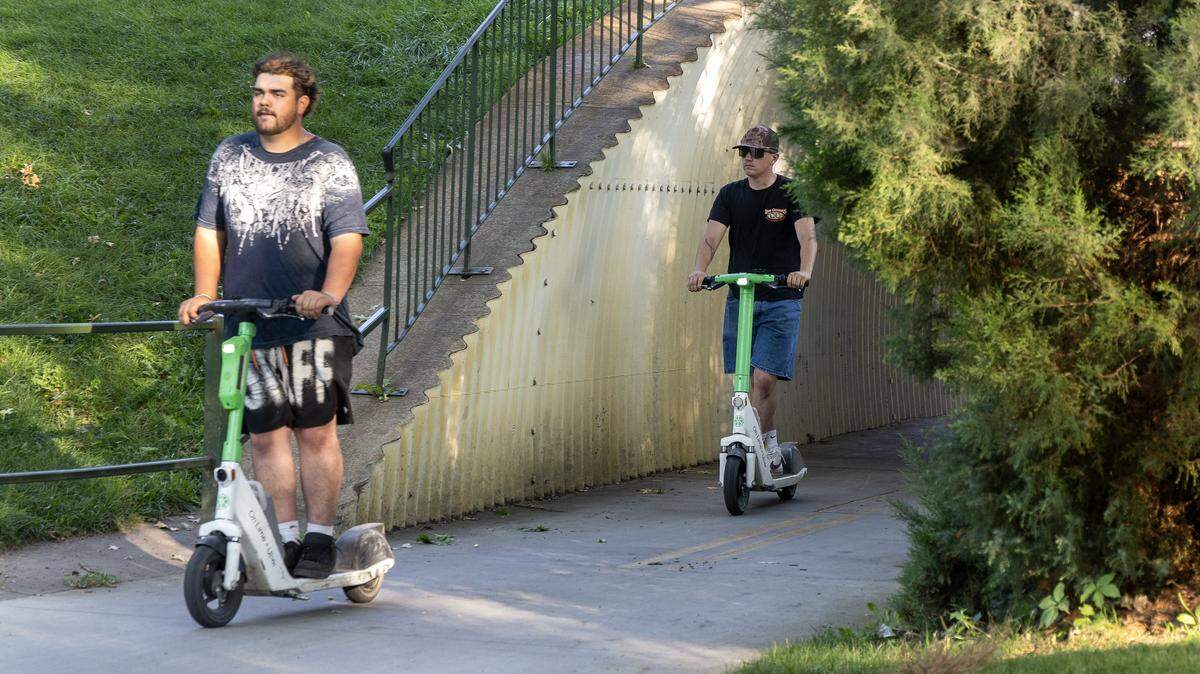
Boise resident Hope Brighton told the Statesman that she uses the Greenbelt recreationally. Brighton said she doesn’t think scooter users share the “unspoken rules” that cyclists abide by — things such as calling out when passing, staying on the right side of the path and not leaving a scooter in the middle of the path.
A big part of the danger, though, is that scooter riders are “unpredictable.”
“I’ve almost gotten into several different collisions with them, either head-on or if they’re coming in from the side, not looking both ways,” she said. “I’ve had many e-scooters nearly (hit) me.”
Enforcement is difficult, regulation is complicated
Some cities around the world have set speed limits, banned riding on sidewalks and put in place other restrictions as scooters have become an integral part of transportation.
Boise joined those cities in late October with the speed limit, which prevents riders in the busy 8th Street, Main Street and Idaho Street entertainment corridors from cruising at 15 mph. The speed limit applies only to Lime devices, not personally owned scooters and bikes, which can reach speeds of 20 or even 30 mph.
City Council Member Meredith Stead told the Statesman that the city has been looking for solutions to increased scooter issues raised by many residents for a while, and the speed limit could be just be the beginning.
But enforcement of any regulations is difficult, she said, because they need to strike a balance between keeping everyone safe and keeping all types of mobility options accessible.
“To me this is definitely a piece of a larger puzzle, and it is the piece that we could affect most quickly, most immediately,” Stead said.
The Boise Police Department started an education campaign in late September, and also ramped up patrols. Officers on bicycles have been monitoring the Greenbelt and passing out informational cards with tips on when to slow down, watching for others and giving verbal cues when you approach and pass people.
Wills said the community needs to remember the public good.
“We’re just seeing a greater use of the Greenbelt, which we appreciate,” Wills said. “But we want to make sure we are doing that kindly and safely, and the Boise way of doing it.”
Few people wear helmets on scooters for safety, but they should
Chelssie Oates, a Nampa resident, said she takes her personal scooter out as a fun way to get outside and enjoy the weather, especially on the Boise Greenbelt.
Like most people on scooters, she wasn’t wearing a helmet when she went out over Memorial Day weekend. She swerved, lost her balance and crashed on that excursion — and hit hear head on the grass, just inches from the concrete.
Oates said her scooter snagged a bit of raised concrete where a crack had been filled, causing the wreck, which left her with a concussion, scratches and bruising. Months later, she’s still dealing with the consequences — almost $32,000 in medical expenses and long-lasting effects of a concussion.
Oates said she has always been an advocate for helmets, but that day she made a mistake. When she sees folks on scooters now, she says she wishes she could just hand them a helmet.
“So the one advice I could say is, I truly wish I would have worn a helmet, and none of this would have happened. I wish I could take this all back,” Oates said.
Lime and makers of personal e-scooters encourage using helmets, and Lime has launched campaigns in some cities to tell riders to wear headgear. On its website are the company’s three goals: sustainability, innovation and safety. Under safety, the company has a “Vision Zero” goal, which is the idea that “crashes are ultimately preventable.”
“We promote helmet use via our in-app and email communications, and we’ve given away thousands of free helmets across Boise since launching at in-person events,” the company said in a statement to the Idaho Statesman. “We will continue doing so with more events throughout the fall.”
This story was originally published November 7, 2025 at 4:00 AM.