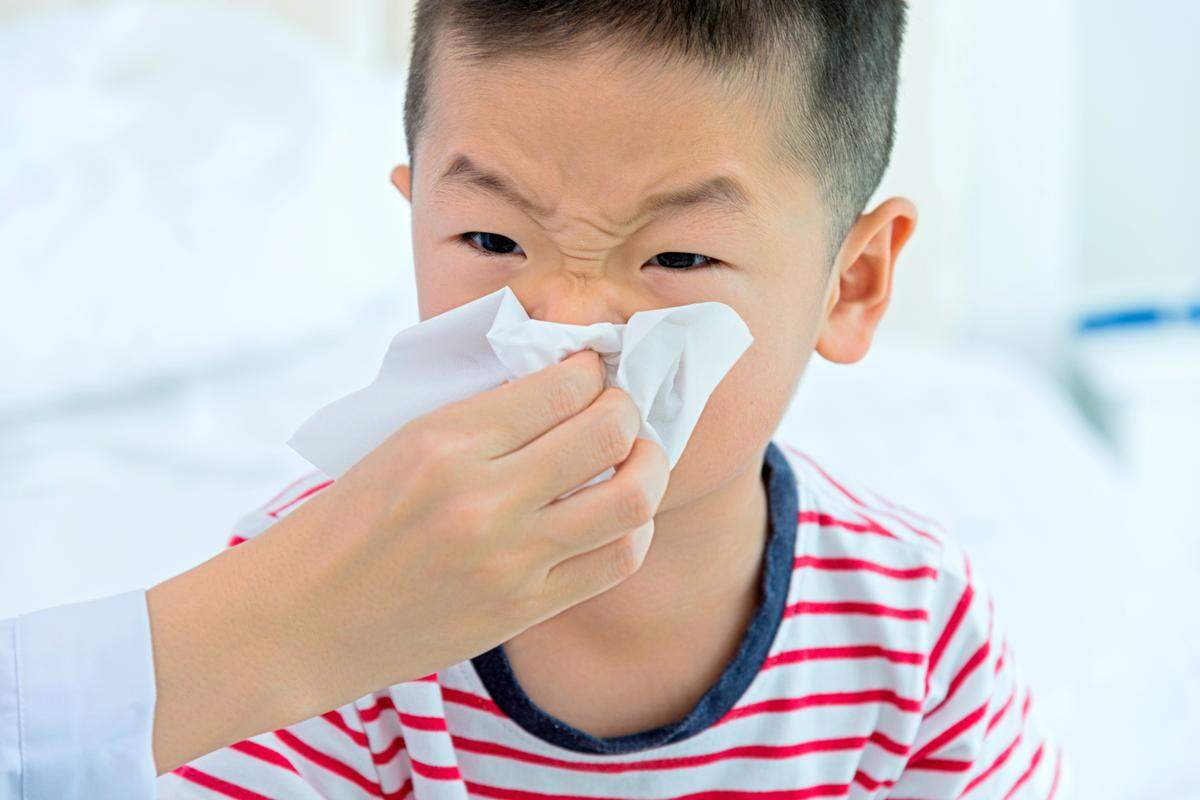
Pollen levels jump after days of allergy relief. What is the Boise count at now?
If you woke up on Tuesday, April 7 with a dripping nose and eyes, you probably aren’t alone.
After a few days of seasonal allergy relief, pollen counts are back at “extreme” levels, according to allergy experts.
Boise started spring with significant pollen production increases in comparison to 2025 levels.
It’s no wonder the City of Trees was crowned the No. 1 allergy capital of 2026 by the Asthma & Allergy Foundation of America.
Here’s where pollen levels are at:
.png "Untitled design (92).png")
When did pollen levels drop in Boise?
Pollen-producing plants love dry heat, so pollen counts dropped when thunderstorms, snow and chilly winds hit Boise on March 31 through April 3.
From March 31 to April 1, Boise Valley Asthma & Allergy Clinic reported, the count fell from 588 grains of pollen per cubic meter of air to 391 grains of pollen per cubic meter of air — still considered “extreme.”
On April 2, the pollen count dropped to 173 grains of pollen per cubic meter of air, maintaining extreme conditions, according to the Treasure Valley allergy clinic.
The pollen count in Boise finally dropped into the “high” level on April 3, when there were 95 grains of pollen per cubic meter of air, the clinic said.
Boise Valley Asthma & Allergy Clinic does not report pollen counts Saturday through Monday.
Why are seasonal allergies worse in Boise?
Relief for seasonal allergy sufferers was short-lived, as warm and sunny weather over the weekend encouraged Boise-area trees release more pollen.
The Boise Valley Asthma & Allergy Clinic reported an impressive jump in the pollen count on Tuesday, April 7, when levels reached 720 grains of pollen per cubic meter of air. That’s an increase of 625 grains in just a few days.
The Weather Channel anticipates pollen counts for Boise to remain high on Wednesday, April 8, and Thursday, April 9.
What’s producing all of this pollen?
The City of Trees’ namesake fauna is to blame for the jump in pollen levels.
Trees are the first plants to begin pollinating as the weather warms, with grasses and weeds releasing pollen later on.
Here’s which trees are contributing to pollen production in Treasure Valley:
- Cottonwoods: 350 grains of pollen per cubic meter of air
- Maples: 140 grains of pollen per cubic meter of air
- Junipers: 110 grains of pollen per cubic meter of air
- Birches: 80 grains of pollen per cubic meter of air
- Elms: 30 grains of pollen per cubic meter of air
- Oaks: 10 grains of pollen per cubic meter of air
What’s the best way to avoid seasonal allergies?
Seasonal allergy symptoms come to an end with the first freeze in the colder months, so be prepared for a sniffly spring and summer.
The federal Centers for Disease Control and Prevention advises people with seasonal allergies to take the following precautions:
- Check pollen reports
- Avoid the outdoors when pollen levels are high or extreme
- Follow a doctor prescribed allergy medicine routine
- Avoid touching your eyes
- Wash your hands as soon as you go inside
- Wash your hands, shower and change clothes after being outside
- Keep the windows closed and invest in “high-efficiency” filters if possible