Where are allergies worst in US? Idaho city has ‘shockingly’ high pollen count
As Idaho nears the official start of spring, more flowers and greener fields are just around the corner.
With springtime beauty comes the beast of hay fever.
Boise residents live in the worst spot in the country for seasonal allergies, according to the Asthma and Allergy Foundation of America.
The nonprofit organization recently ranked the most challenging U.S. cities to live with allergies — and Idaho’s capital was No. 1.
“The 2026 rankings show the direct impact of severe weather on pollen production,” the Asthma and Allergy Foundation of America said in a Tuesday, March 10, news release. “Places that used to be better than average are shockingly now at the top of the list.”
Here’s how Boise’s ranking has changed, and why:
What makes Boise the No. 1 worst city for allergies?
In the course of a year, the Boise went from one of the best large metropolitan areas for seasonal allergy sufferers to the worst, according to the Asthma and Allergy Foundation of America.
In 2025, the City of Trees ranked No. 95 out of 100 cities, the Idaho Statesman previously reported.
In contrast, Boise ranked No. 50 in the nation in 2023, and No. 77 in 2024.
Boise topped the list of the nation’s “allergy capitals” in 2026 for the first time, the Asthma and Allergy Foundation of America said.
Here’s what caused the change, according to the foundation:
- Pollen seasons started earlier and lasted longer
- Production of pollen was higher
- Few allergy specialists were available
“Boise jumped dramatically in the rankings from last year due to unusually heavy tree and grass pollen loads in spring 2025,” Hannah Jaffee, research director for the Asthma and Allergy Foundation of America, told the Idaho Statesman.
Idaho’s capital city placed in the top 10 for both tree and grass pollen production, she said in an email.
What caused this ‘unusual’ pollen increase?
“Three weather phenomena may have played a significant role in pollen production last year: atmospheric rivers, warmer temperatures and drought,” the Asthma and Allergy Foundation of America said in the study. “Importantly, behind all three factors is a bigger, long-term force: climate change.”
Trees release pollen when the ground begins to thaw, grasses follow in the spring and summer and weeds finish up allergy season in the summer and fall, according to the allergy researchers.
When temperatures are higher earlier in the year, spring arrives faster and pollen season lasts longer, the foundation said, noting that “the first frost is coming later in the fall.”
“Powerful storms” spurred by atmospheric rivers produce extended wet spells that encourage plants to flower earlier in the season, which “often leads to more pollen when spring arrives,” the foundation said.
At that point, drier weather conditions make pollen “stick around longer,” the Asthma and Allergy Foundation of America said. “With no rain to wash pollen out of the air, pollen counts could stay elevated for days at a time.”
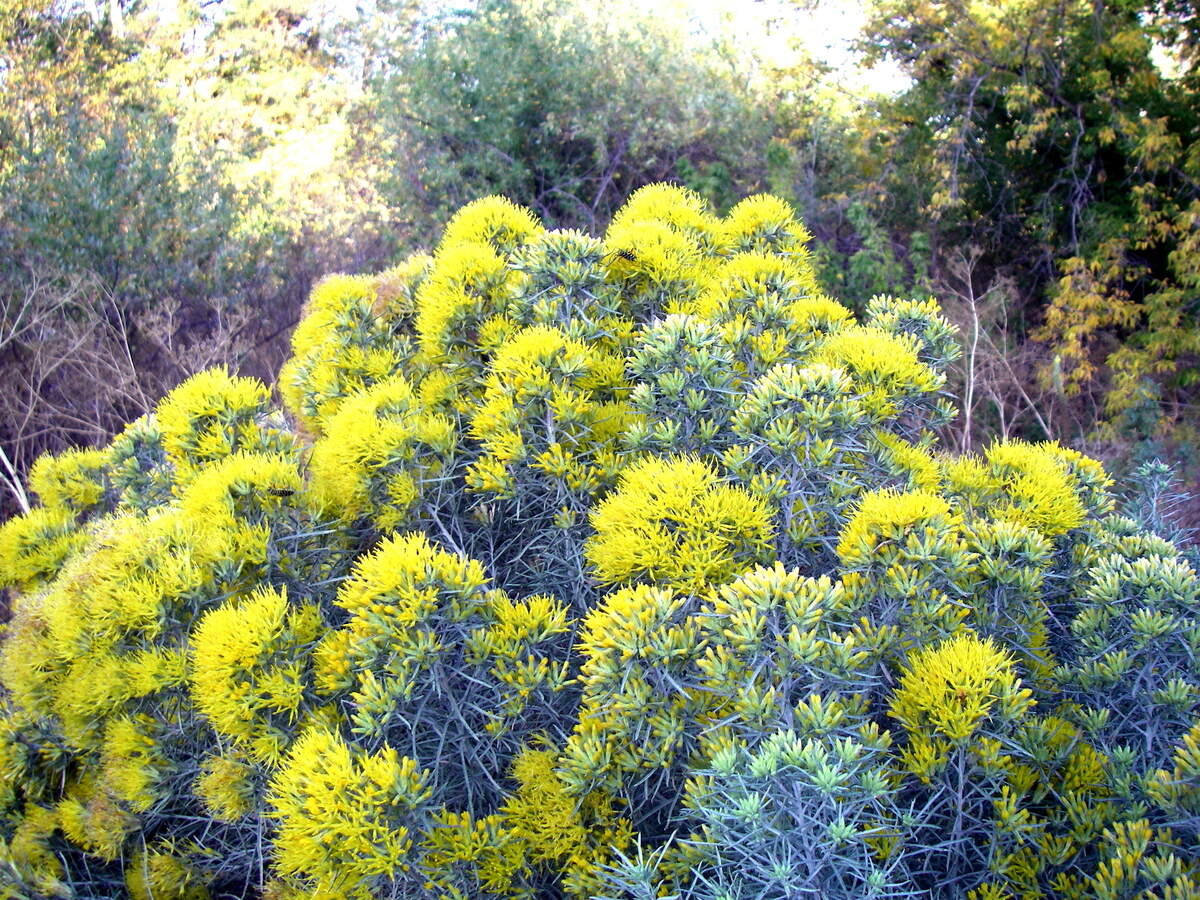
Is pollen season getting longer?
“Because warmer air can hold more moisture, climate change is expected to make atmospheric rivers stronger and more frequent,” The Asthma and Allergy Foundation of America said.
The foundation expects pollen season to increase by 15 to 55 days and production of pollen to shoot up 200% by the turn of the century.
“Climate scientists expect these trends to continue and intensify,” the foundation said. “Longer, more intense allergy seasons are a health threat that affects people of all ages.”
The foundation asks for “enforced laws and policies to reduce emissions and air pollution” to help limit the impacts of climate change.
“We need policymakers to act now to acknowledge and mitigate the harm created by the climate crisis, reduce its impact on human health and combat environmental injustice,” the foundation said.
Which trees and plants cause most allergic reactions?
Three plant groups cause most allergic reactions: trees, grass and weeds, according to the Asthma and Allergy Foundation of America.
The start of pollination season for each differ, but they overlap and as pollen from each is added into the air, seasonal allergy symptoms will worsen.
“Early springtime hay fever is most often caused by pollens of trees such as elm, maple, birch, poplar, beech, ash, oak, walnut, sycamore, cypress, hickory, pecan, cottonwood and alder,” Allergy Clinic Idaho said on its website.
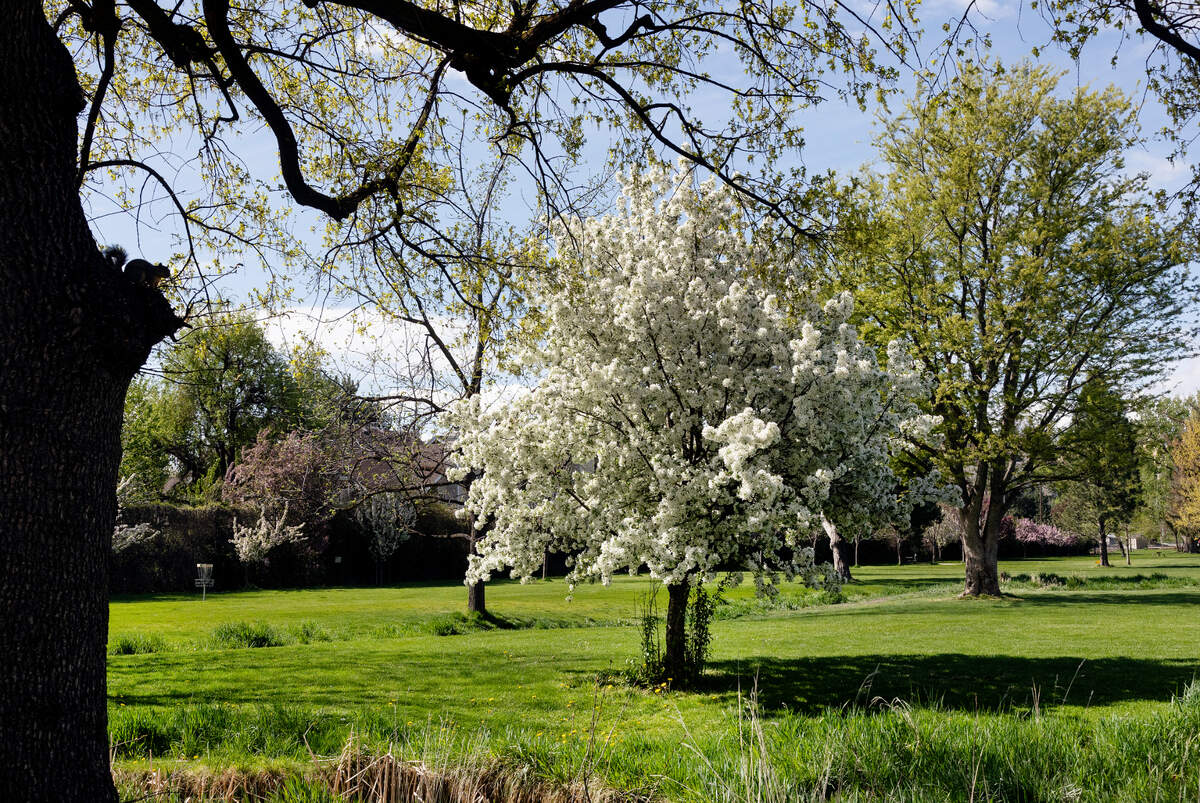
Common grass plants pollinate through the late spring and can include orchard, sweet vernal, Bermuda and blue grasses, the clinic added.
Allergy season typically lasts until all pollen production is killed off by the first freeze of autumn.
To prepare for seasonal allergies, you can track pollen counts to avoid going outside when reactions may be severe.
You may want to consider testing for specific pollen allergies, as pollen sources reactions vary during the warmer seasons, according to Allergy Clinic Idaho.
“When you know your specific allergies, it can help you prepare, avoid and cope,” the clinic said.
How do I tell I’m allergic to pollen?
Allergic reactions to pollen can cause chronic cough, nasal polyps, allergic conjunctivitis and ear infections, a feeling of fullness and pain, according to the Asthma and Allergy Foundation of America.
Pollen can significantly impact those with allergic rhinitis or allergic asthma.
According to the foundation, symptoms of allergic rhinitis and allergic asthma include:
- Runny nose
- Stuffy nose
- Sneezing
- Red, swollen and watery eyes
- Itchy nose, eyes, ears and mouth
- Shortness of breath
- Coughing
- Chest pain and tightness
- Wheezing
- Irregular sleep
- Decreasing lung functions
Want to survive allergy season? Follow these tips
“Allergies are rarely life-threatening,” Allergy Clinic Idaho said. “Allergy symptom control is most successful when multiple management approaches are used simultaneously.”
To prevent an allergic reaction, “Stay indoors on dry, windy days,” Mayo Clinic said on its website. “The best time to go outside is after a good rain, which helps clear pollen from the air.”
You should also avoid lawn care activities, the Mayo Clinic said, and don’t air dry your laundry, because pollen will stick to the fabric.
People with seasonal allergies should avoid touching their eyes while outside and quickly wash up and change clothes once indoors, according to the federal Centers for Disease Control and Prevention.
You can use medications to help fight off pesky allergy symptoms, including antihistamines, medicated sprays, allergy shots and cortisone-type preparations.
How did Asthma and Allergy Foundation rank cities?
To determine the worst “allergy capitals” in the nation, the Asthma and Allergy Foundation of America said it studied allergy rates in the 100 most populated metro areas across 48 states as determined by the U.S. Census Bureau’s 2024 population estimates.
Cities were ranked across three different categories: pollen totals from trees, grass and weeds, use of allergy specific medication and number of allergy specialists available in the area.
Data came from Pollen Sense, Circana and Komodo Health.