Pollen levels are ‘extreme’ in Boise. See what’s making seasonal allergies worse
Have you been sneezing nonstop? Do you have a constant itch in the back of your throat?
Rapidly increasing spring temperatures in Boise are encouraging plants in the City of Trees to blossom.
As those buds begin to open, pollen is reaching “extreme” levels, experts say.
That’s bad news for seasonal allergy sufferers.
On Wednesday, March 25, Boise reported 1,220 grains of pollen per cubic meter of air, according to the Boise Valley Asthma & Allergy Clinic.
This is more than 1,000 grains per cubic meter of air more than what the clinic reported around the same time of year in 2025.
What’s the pollen count in Boise right now?
Boise was expected to see “high” levels of tree pollen on Thursday, March 26, according to The Weather Channel’s allergy tracker.
Thursday’s overall pollen count could exceed 1,220 grains per cubic meter of air, the Weather Channel said.
The most recent pollen count from Boise Valley Asthma & Allergy Clinic reports midday levels on Thursday were at 1300 grains per cubic meter of air.
According to the allergy tracker, Boise could experience similar pollen levels on Friday, March 27, and throughout the weekend, with a dramatic dip on Tuesday, March 31.
Why are pollen levels so high in Boise this spring?
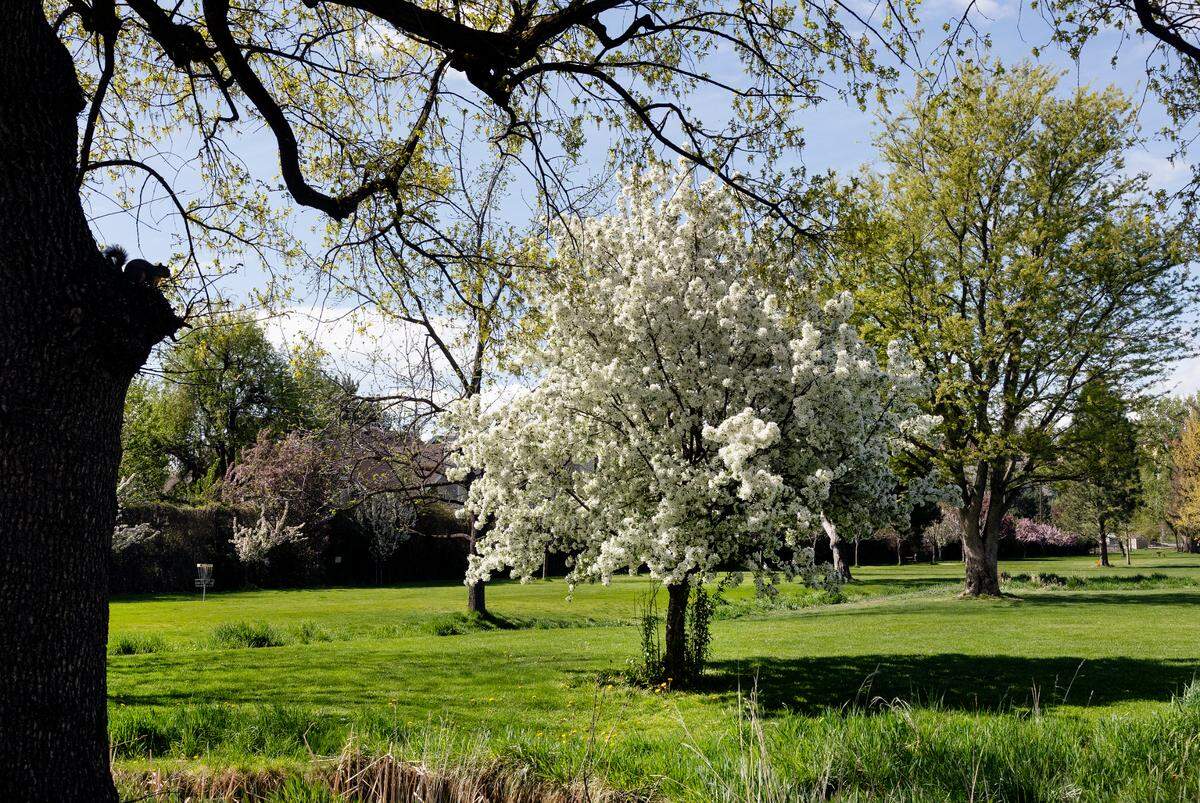
The biggest contributor to current “extreme” pollen counts is the sheer volume of cottonwood tree pollen floating around, according to the clinic’s reports.
Cottonwood trees, which inspired Boise’s name, line the Boise River.
Those trees accounted for at least 1,000 grains of pollen per cubic meter of air recorded on Wednesday, according to the Boise Valley Asthma & Allergy Clinic.
Budding trees are tied to the start of pollen season, with blossoms beginning to open as soon as the spring thaw starts.
Trees are one of the main reasons Boise was named the Asthma and Allergy Foundation of America’s No. 1 allergy capital of 2026.
However, cottonwoods are only the beginning.
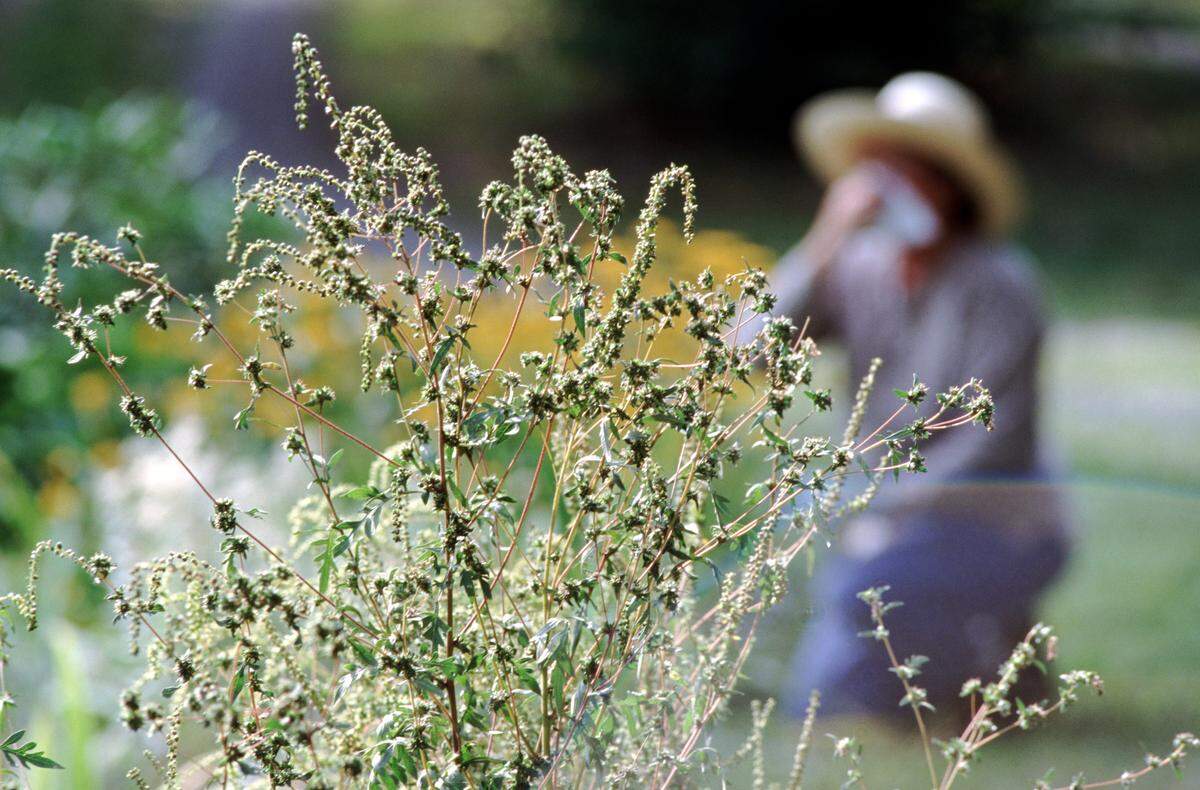
As the weather continues to grow warmer, more pollinating plants will spring to life.
Grasses, followed by weeds, start their growing seasons later and produce pollen until the first freeze in the fall.
Climate change and overall warming impacts the length of the pollination season, according to the U.S. Centers for Disease Control and Prevention.
“These changes in pollen due to climate change could have major impacts on human health,” the CDC said on its website.
How does weather impact pollen counts?
“Exposure to extreme heat events is associated with increased prevalence of hay fever among U.S. adults,” according to a 2016 study linking National Health Interview Survey data with extreme heat event data.
“We observed a modest, but significant, association between exposures to extreme heat events and hay fever prevalence,” researchers said. “The findings were more pronounced for springtime extreme heat events.”
Extreme levels of pollen in Boise follow a spring heat wave and record-breaking high temperatures.
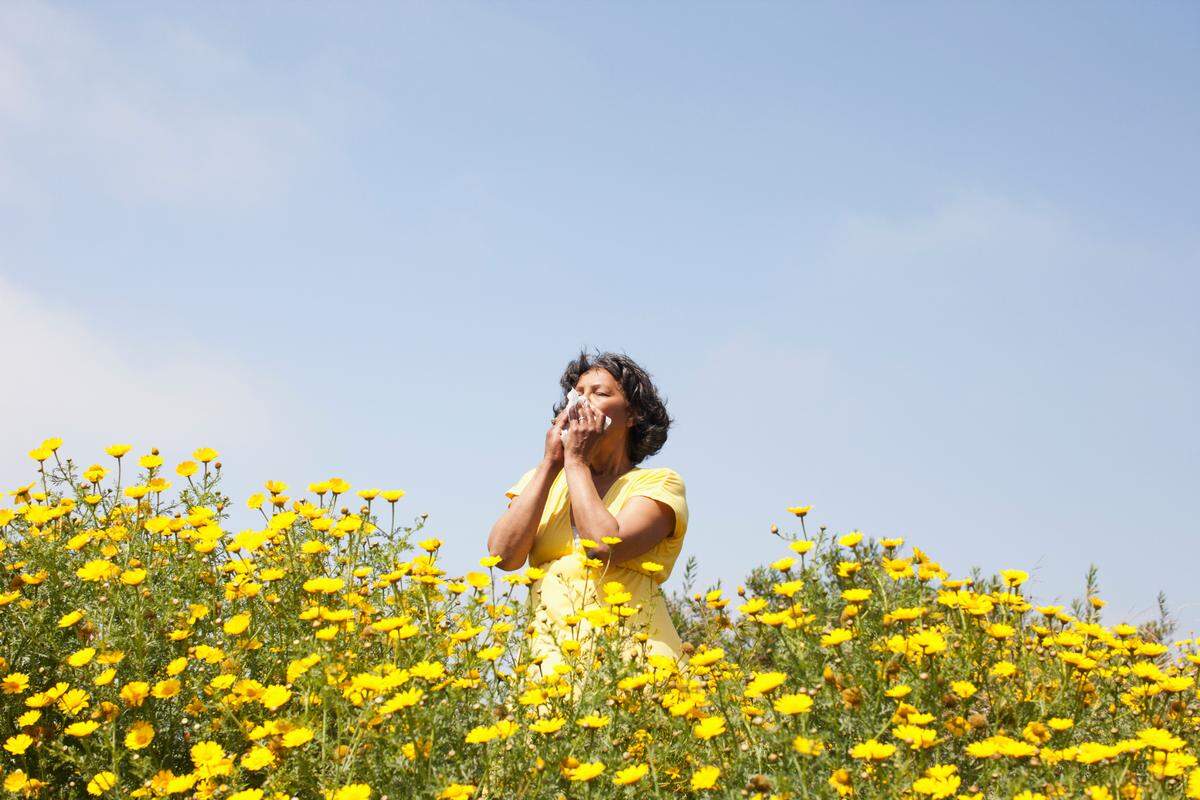
What are pollen levels so far in March?
Pollen counts by the Boise Valley Asthma & Allergy Clinic indicate how levels have increased in March so far:
- March 4: 181 grains per cubic meter of air
- March 18: 373 grains per cubic meter
- March 19: 284 grains per cubic meter
- March 20: 403 grains per cubic meter
- March 24: 256 grains per cubic meter
- March 25: 1,220 grains per cubic meter
Doctors at the Boise cllinic read and report pollen counts on Tuesday through Friday, and begin tracking levels on the first March day that falls in this period.
How does rain affect pollen numbers?
Higher pollen counts can be expected in hotter and dryer climates, according to the Asthma and Allergy Foundation of America website.
Boise, like much of Idaho, has an arid high desert climate, according to the National Weather Service.
“There is less moisture in the air to weigh down the pollen grains when the wind blows,” the allergy foundation said. “This helps more pollen travel farther and more easily.”
What are best ways to prevent hay fever symptoms?
Pollen particles can be disruptive, so individuals who are sensitive may want to plan ahead.
The CDC advises people with seasonal allergies to take the following precautions:
- Check pollen reports
- Avoid the outdoors when pollen levels are high or extreme
- Follow a doctor prescribed allergy medicine routine
- Avoid touching your eyes
- Wash your hands as soon as you go inside
- Wash your hands, shower and change clothes after being outside
- Keep the windows closed and invest in “high-efficiency” filters if possible
This story was originally published March 26, 2026 at 12:56 PM.