Drowning risks rise in Idaho as weather warms. How to stay safe in the water
Boise is experiencing an unseasonably warm spring, with record-setting high temperatures of 80 degrees in March.
Although a float down the Boise River may sound like a refreshing way to beat the heat, taking a dip can be risky, officials say.
“People need to be aware that the rivers are still flowing strong, and there’s plenty of water moving through with dangerous currents,” National Weather Service meteorologist Mike Cantin told the Idaho Statesman in 2024.
“The water temperature itself is still quite cool,” Cantin said. “It will be a shock to the system, and cold water can cause cramps and other things that make it difficult to swim. And it becomes a real dangerous situation very quickly.”
According to a National Weather Service post on X, the water that flows through the Boise River is almost entirely sourced from mountain snowmelt during the warmer months of the year, keeping the river’s temperature chilly.
“Water temperatures are cold year-round,” Float the Boise said on its website.
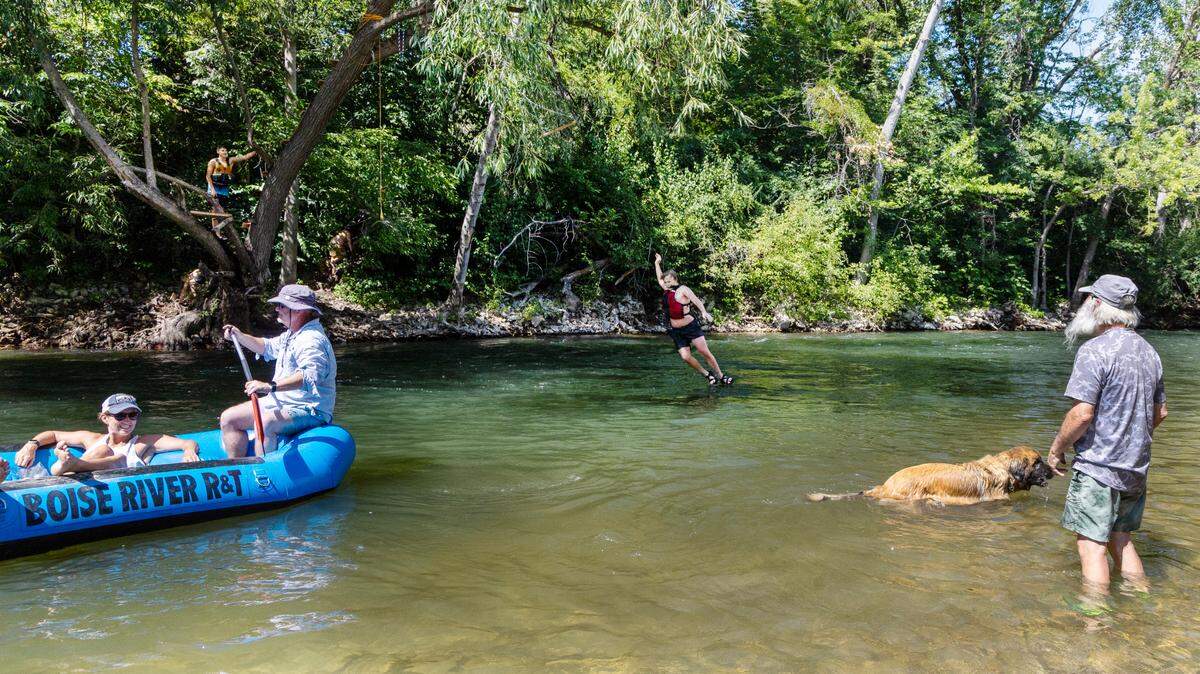
Why is it dangerous to swim in cold water?
The average temperature of bodies of water in Idaho, such as rivers, streams and lakes, is 52 degrees, “even during the summer,” the Idaho Department of Parks and Recreation said.
As of Friday, March 20, Boise River water measured at 58 degrees in Caldwell, according to the U.S. Geological Survey.
Cold water can start affecting the body when it’s as warm as 77 degrees, according to the National Weather Service.
You’ll begin to notice those effects within minutes of becoming submerged in cold water, the Idaho Parks and Recreation Department said.
Within about five minutes, your body can experience “cold shock,” resulting in vertigo, hyperventilation and involuntary gasping for air, according to the state parks agency.
“Even the best swimmers cannot function in cold water,” the Idaho Parks and Recreation Department said.
After 5 to 30 minutes in the water, your muscles weaken and your “manual dexterity, grip strength and movement speed drop 60% to 80%,” the state agency said.
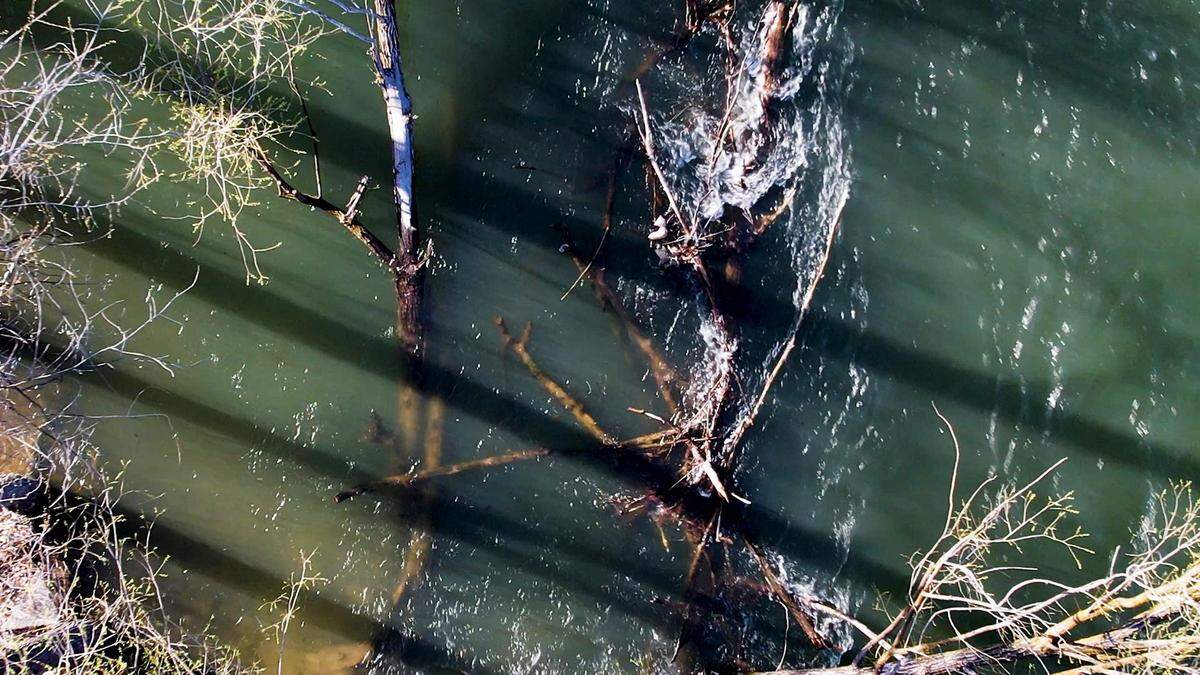
After 30 minutes of cold water exposure, the Idaho parks department said, hypothermia and heat loss becomes risks.
“Heart problems can develop as cold blood is released into the body core from the extremities,” leading to drowning, according to the Idaho parks department.
How common is drowning in Idaho?
In Idaho, an average of 34 people drown each year, according to the Idaho Department of Parks and Recreation.
In comparison, the United States sees more than 4,000 unintentional drowning deaths each year, the CDC said.
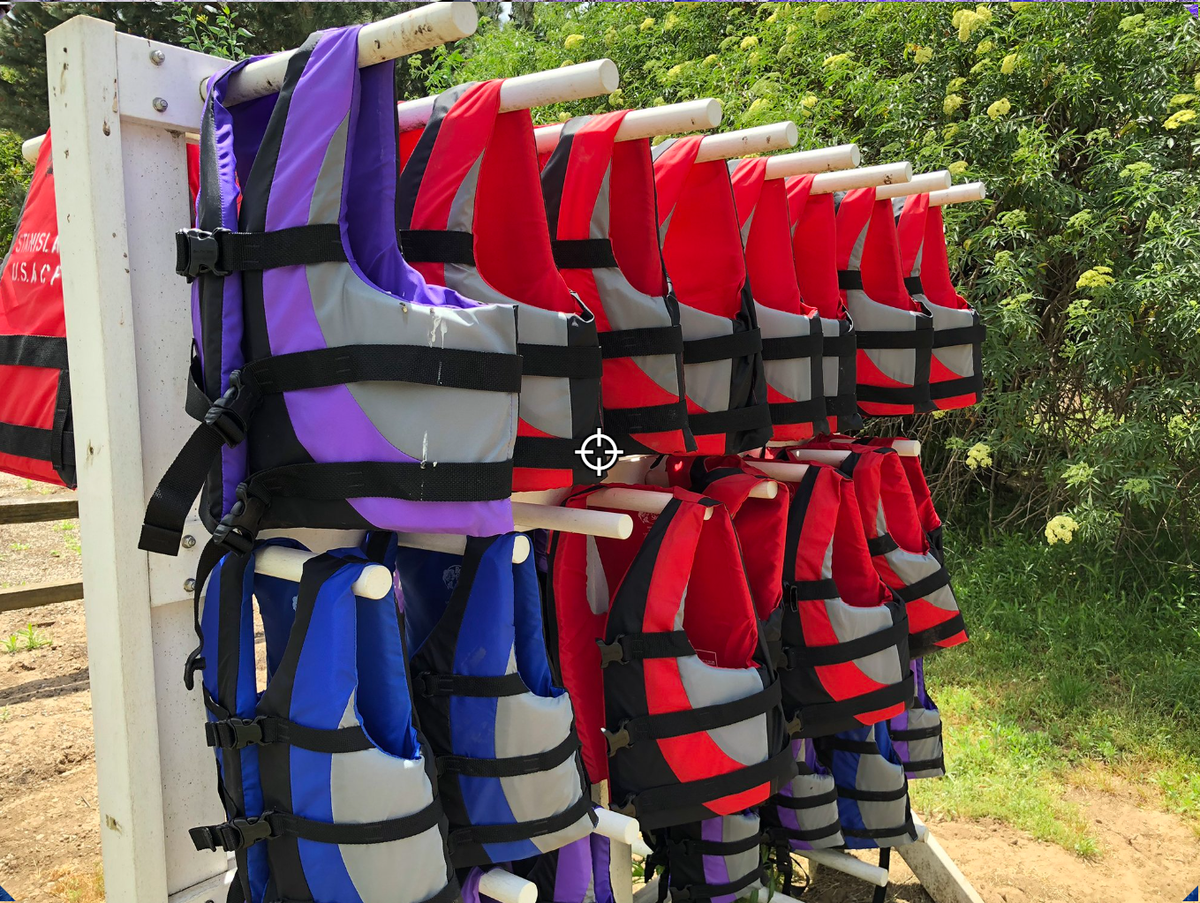
“In many cases, drownings can be prevented if people wear a U.S. Coast Guard-approved life jacket,” the Idaho Parks and Recreation Department said, adding that 80% to 90% of drownings can be prevented by life jacket use.
One person has died by drowning so far in 2026, the Statesman previously reported.
A 14-year-old boy was pronounced dead on Wednesday, March 18, after being found submerged in a pond in Star, according to the Ada County Coroner’s Office.
Is moving water more dangerous?
The risks of cold water exposure become especially dangerous when quick undercurrents can sweep you off your feet
“On the surface, rivers and streams can seem calm, warm or shallow,” the National Park Service said on its website. “Yet every year even the most experienced park visitors become victims to deceptively strong currents, cold water temperatures and unexpected changes in depth.”
How can I safely enjoy the water?
The city of Boise offers these water safety tips for enjoying recreational activities:
- Never swim alone and don’t leave children unattended in or near water
- Don’t swim in canals
- Learn to swim or stay out of deeper waters
- Wear a life jacket when swimming in or paddling on the water
- Know the water you are in, check the weather, current speeds and temperatures
- Do not swim or boat while under the influence of alcohol.
“Wearing a life jacket can greatly increase your risk of surviving a cold water immersion situation,” the Idaho Department of Parks and Recreation said.
The Idaho Statesman’s Shaun Goodwin contributed to this story.
This story was originally published March 21, 2026 at 4:00 AM.