Inflation, expenses, affordability: Idaho ski areas weigh costs as pass prices increase
Every year around Presidents Day, Idaho ski areas urge skiers and snowboarders to look to the future. That’s when ski areas kick off their season pass sales for the following winter, with tiered sale prices offering the most savings to the earliest buyers.
Most skiers and snowboarders purchase next year’s season pass while there are still a few weeks of snow left in the current season. But in recent years, even the earliest sale prices at Idaho ski areas have started to climb.
Though Idaho resorts’ ticket prices are still a fraction of the regional average, they’ve risen by more than one-third at Boise’s nearest ski areas — Bogus Basin, Brundage and Tamarack — in the last decade.
Officials at local ski areas said they’re doing all they can to keep prices low as the cost of living in Idaho skyrockets. But the cost of doing business is increasing, too.
“If all these costs continue to rise, of course we’re going to have to inch our way up just to stay even,“ said Brad Wilson, general manager of Bogus Basin Mountain Recreation Area.
Ski industry faces challenges overall
The National Ski Areas Association includes Idaho in its Rocky Mountain Region, along with Montana, Wyoming, Colorado, Utah and New Mexico. Compared with the region’s average prices, Idaho ski areas are still a deal.
The average adult season pass in the Rocky Mountain Region cost just over $1,200 for the 2020-21 season, the most recent data available. Adrienne Isaac, the association’s director of communications, said that number is likely skewed by some of the larger destination resorts in the region. Season passes at Tamarack, Brundage and Bogus were still a fraction of that average two years later, with none of the three resorts charging over $500 for a sale-priced pass.
But it’s not clear what the future holds for Idaho ski areas. Wilson said he’s troubled by some of the trends he’s noticing.
“I’m concerned about the ski industry and where it’s going when I see (increasing prices),” he said. “That’s a huge barrier for people who are not committed to skiing yet or struggle to afford to ski.”
On top of that, data shows ski seasons are getting shorter due to climate change, and widespread drought in the West has an impact on snowpack and precipitation, which aids ski areas in snowmaking. Idaho ski areas are getting more crowded as more people move here, and nationwide there are fewer ski areas than at any point in the last 30 years, National Ski Areas Association data shows. At the same time, ski area visitation appears to be increasing, particularly in the Rocky Mountain Region.
Bogus began to limit pass and daily ticket sales for the first time as a result of the COVID-19 pandemic and the state’s booming population. Wilson said the nonprofit has an obligation to ensure people who buy passes can still make it on the slopes.
“We do not want to be in a position where we are turning people away,” Wilson said. “Our mission is to provide affordable and accessible recreation. We want to make sure we can continue to do that.”
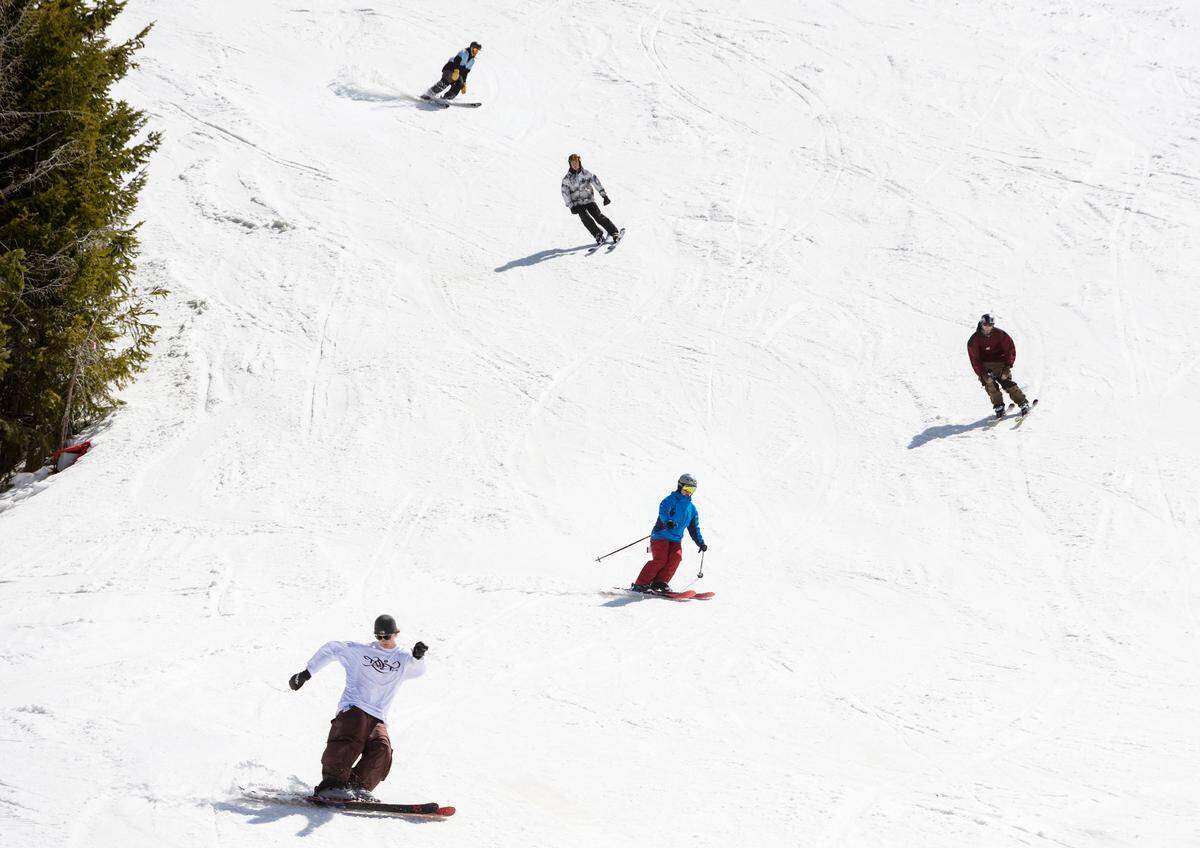
Season pass prices up at Boise-area mountains
Bogus Basin, located just north of Boise, saw the biggest percentage increase for its season pass sale adult ticket price in the last 10 years, though its tickets remain the least expensive of the three ski areas. When it announced its sale this year, Bogus officials explained that the price increase reflected the rising cost of doing business.
Wilson said labor prices have increased as Bogus tries to keep employees and pay them enough to live in the increasingly expensive Treasure Valley. Prices for diesel gas, which Bogus uses for its snowcats, have also ballooned. Construction supplies are spendier, and so are ingredients for the ski area’s concessions.
As a nonprofit, Wilson said, Bogus tries to keep prices as low as possible while investing funds back into the mountain.
“We don’t have to make returns for investors. There’s nobody looking to make an ROI (return on investment),” Wilson said in a phone interview. “We’ve done our best to provide the best recreational experience that we can offer the community, and I think people are comfortable with the fact that they know the money they spend goes to Bogus Basin.”
For years, Bogus sold adult season passes for $199 after dropping its prices from $450 in 1998, Wilson said. The ski area finally hiked its prices in 2013 to $229. Since then, Bogus has made incremental increases or kept prices the same — with the exception of 2016, when prices spiked nearly 25% to pay back debt.
This year, Bogus announced its highest price in more than 20 years: $399 for an adult season pass, with costs increasing the longer buyers wait. It’s a 50% increase from 2012.
Wilson said with inflation, $399 is similar to the $199 skiers and snowboarders were paying in 1998, especially considering how much the mountain has expanded its offerings since then. Accounting for inflation, $199 in 1998 would be roughly $349 today, according to the U.S. Bureau of Labor Statistics.
“At $399, we have the best value in the entire ski industry, and I would hang my hat on that statement,” Wilson told the Statesman. “When you look at size, number of lifts, terrain, nobody comes close to us in value.”
Brundage Mountain has been the most expensive of the three ski areas for years, but it also hit a new high during this year’s season pass sale. An adult pass cost $499 at the start of the sale, with prices set to climb before next season.
That hasn’t deterred buyers, said Ken Rider, the McCall ski area’s general manager.
“Our season pass sales for next year are very robust, tracking ahead of previous years,” Rider told the Statesman.
This year was a 10% increase from the 2021 sale, which was an 11% increase from the previous year. Since 2020, Brundage’s adult pass price has gone up $100.
In the last decade, Brundage season pass prices have increased more than one-third from its 2012 price of $319. Rider said Brundage has tried to keep its prices competitive while encouraging visitors to plan ahead — either with a season pass or by looking for sales on single-day tickets.
“If you’re going to a destination resort, they’re charging $140 per lift ticket at the ticket windows,” Rider said. “We’re still down in the $80 walk-up range at the window, and that’s very affordable. We have no intent on (having) ticket window rates at $150.
“A whole family can ski here for less than (one person at Vail or Aspen) for the day,” he added.
At Tamarack Resort, which has been undergoing massive changes since changing hands in 2018, the adult pass price has risen 37% — from $279 to $449 in the past 10 years.
“Obviously we’re continuing to invest a significant amount of capital (into Tamarack),” said Scott Turlington, the Donnelly resort’s president. “Usually you have to raise prices to try to recoup that cost.”
Turlington said Tamarack tried to slow its price increases this year after two seasons of “pushing the envelope.” It cut prices for two of its season pass options and kept many other prices the same as last year.
The price for an adult season pass increased 2% from the previous year — far less than the 18% and 11% increases in the previous years.
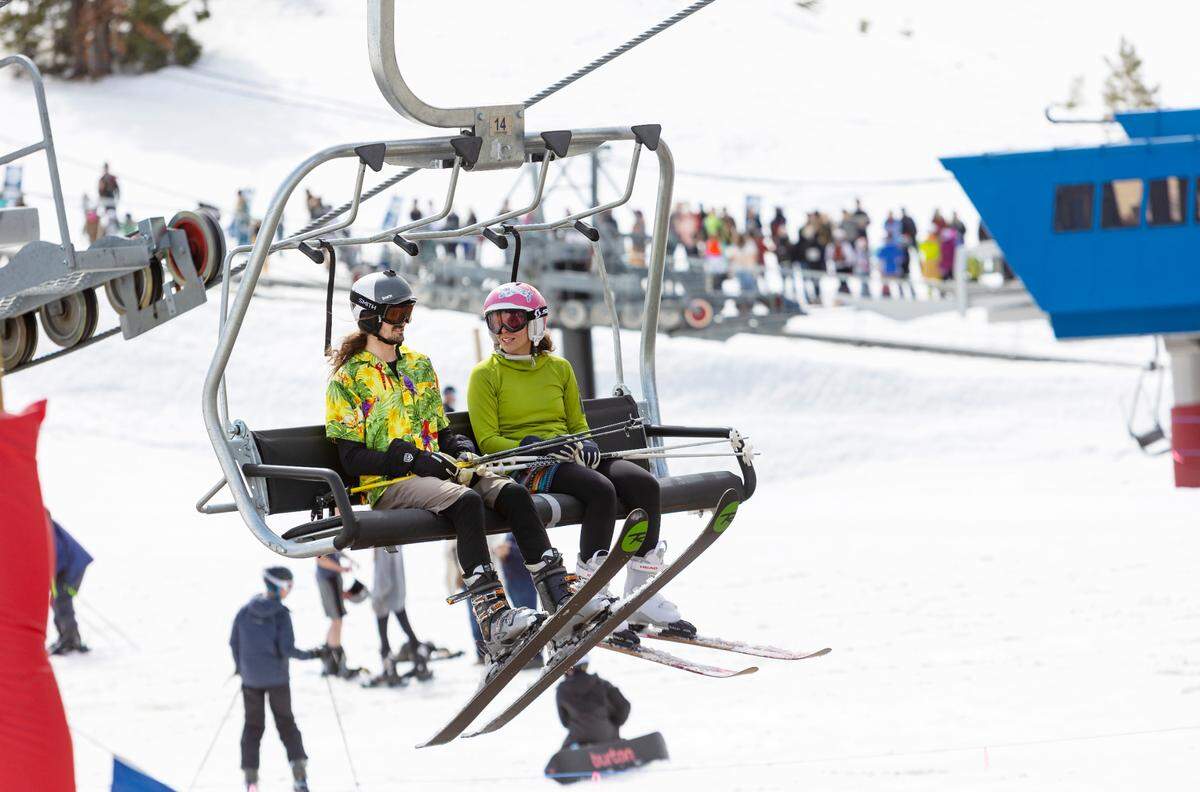
How ski areas are combating rising costs
While operating costs continue to increase, the local ski areas are trying to find ways to save visitors money, officials said.
Wilson said Bogus Basin’s midweek ($199) and night skiing ($139) season passes are great options for people with more flexible schedules. Brundage offers a discounted season pass for first-time buyers and, like Tamarack, is part of the Indy Pass, which gives pass-holders two days at dozens of different mountains.
Brundage announced Thursday that it purchased a 10,000-square-foot former school in New Meadows to convert into employee housing. The new facility will feature dorm-style housing and common areas, as well as several tiny homes and RV hookups on the property. The purchase is meant to offset high costs of living and housing shortages that several Idaho mountain towns face.
Tamarack rolled back prices for its family passes, and it also introduced a free pass for kids attending Valley County schools, called the SKY pass. Tamarack also debuted its Shred Shed last year to provide free gear to kids in the SKY pass program.
Turlington said a donation from Perpetua Resources mining company paid for lessons for more than 40 of the kids with SKY passes. All three ski areas also participate in a program that offers several free skiing days to Idaho fifth and sixth graders.
Tamarack plans to roll out discounted pass options for different Valley County public workers — including teachers, law enforcement and firefighters — in the near future.
The ski areas also said they’re adding value to make up for the price increases. All three have plans to expand terrain, add lifts and improve summer options. Tamarack is waiting on Forest Service approval for plans that would nearly double its size, and Brundage will break ground on a new lodge — and add employee housing — next year.
This story was originally published April 10, 2022 at 4:00 AM.