How prescription opioids led to meth, heroin and fentanyl for this Boise woman | Opinion
READ MORE
Idaho opioid settlement fund series
Idaho’s slice of the nation’s $54 billion opioid settlement is heading this way. Our series explores how the money might be spent, and looks at the issue of opioid addiction in The Gem State through the voices of people who are living the opioid crisis.
Expand All
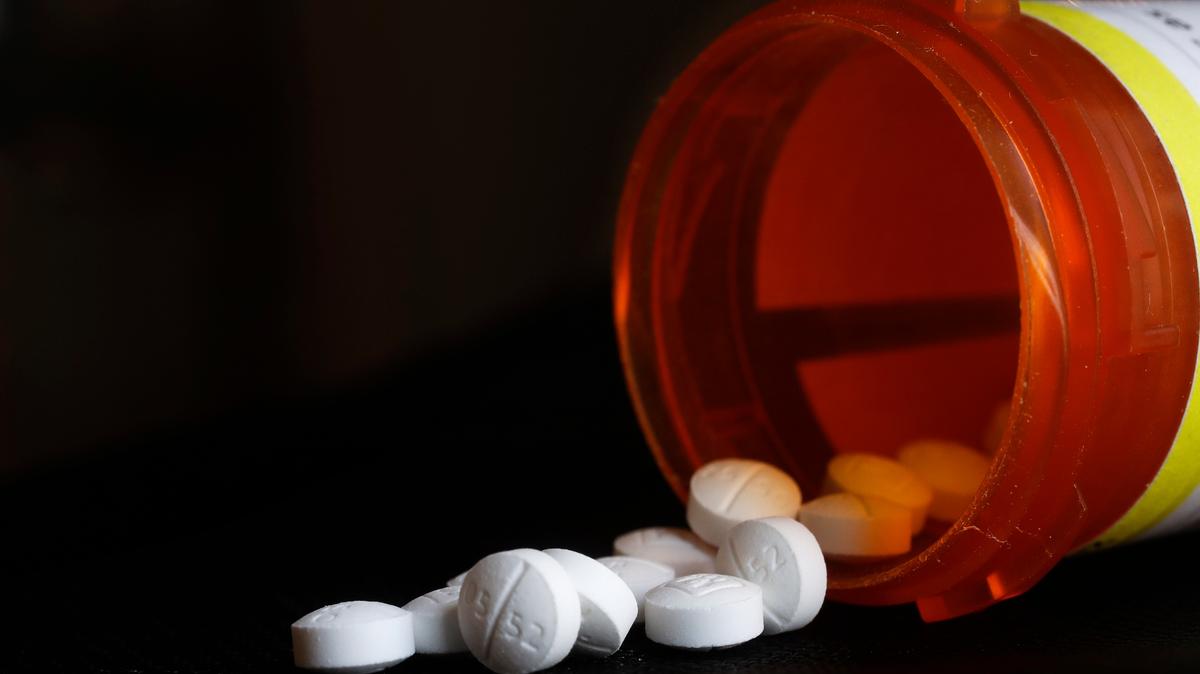
Millions of dollars coming to Idaho to fight opioid epidemic. Where is money going? | Opinion
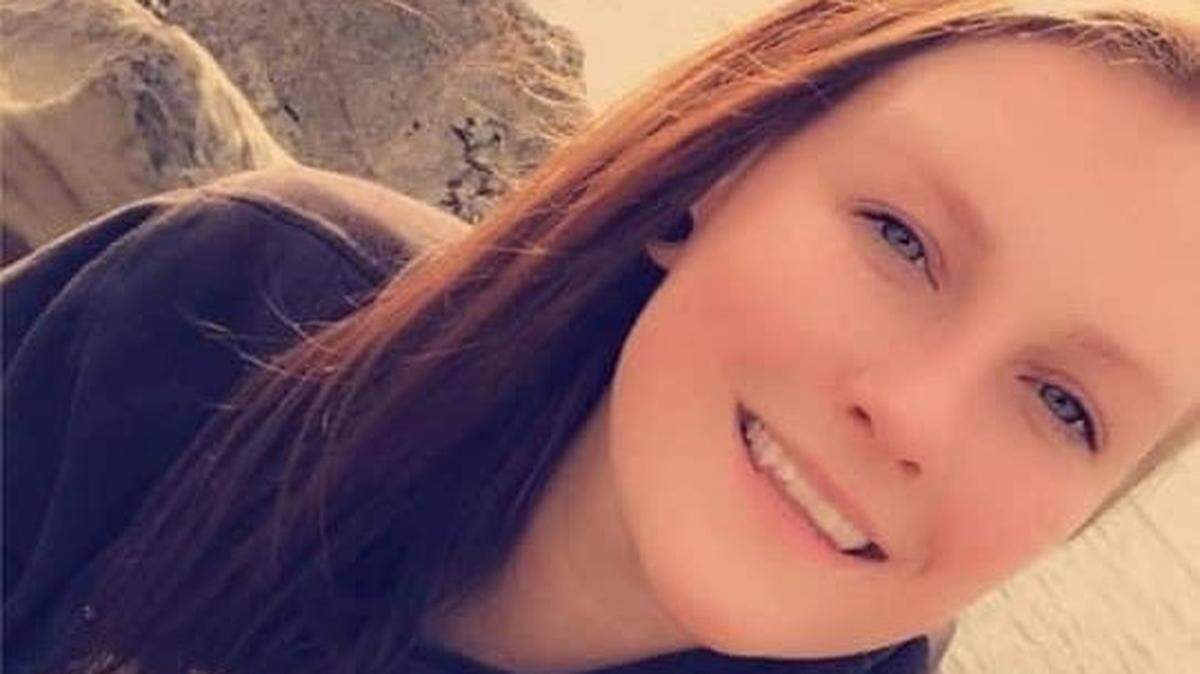
She grew up in an upper-middle-class family in Boise. Today, she’s in jail for drugs | Opinion
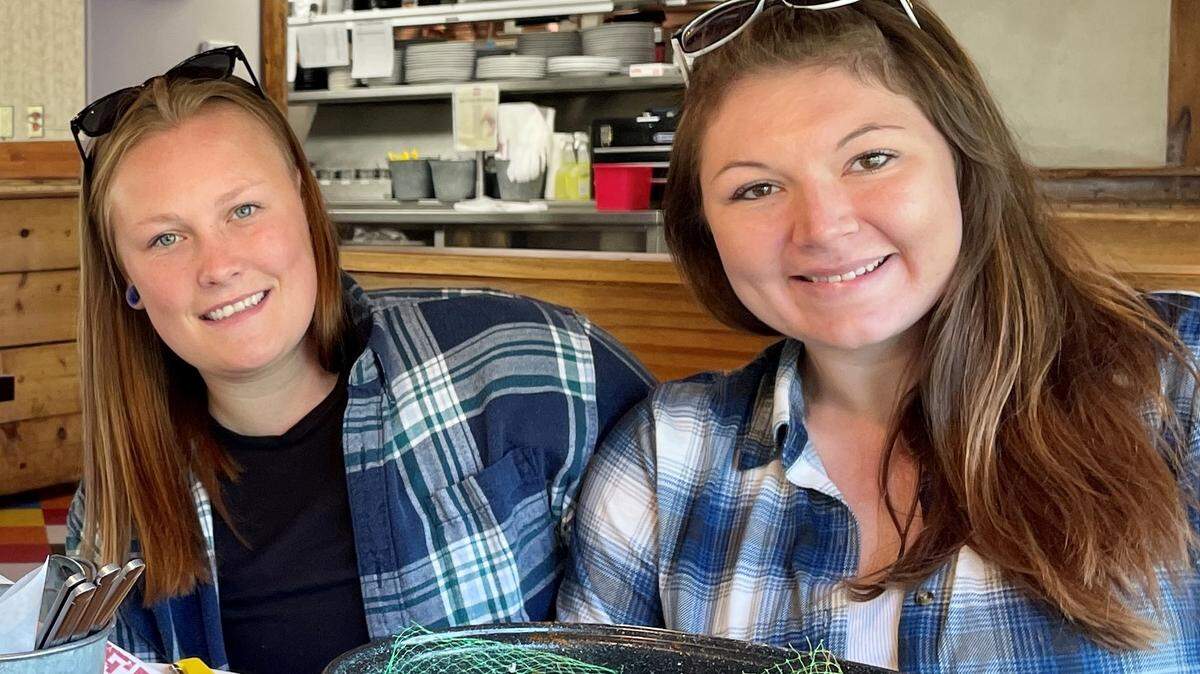
How prescription opioids led to meth, heroin and fentanyl for this Boise woman | Opinion
He was a pharmacist addicted to opiates. Now he works with people in recovery | Opinion
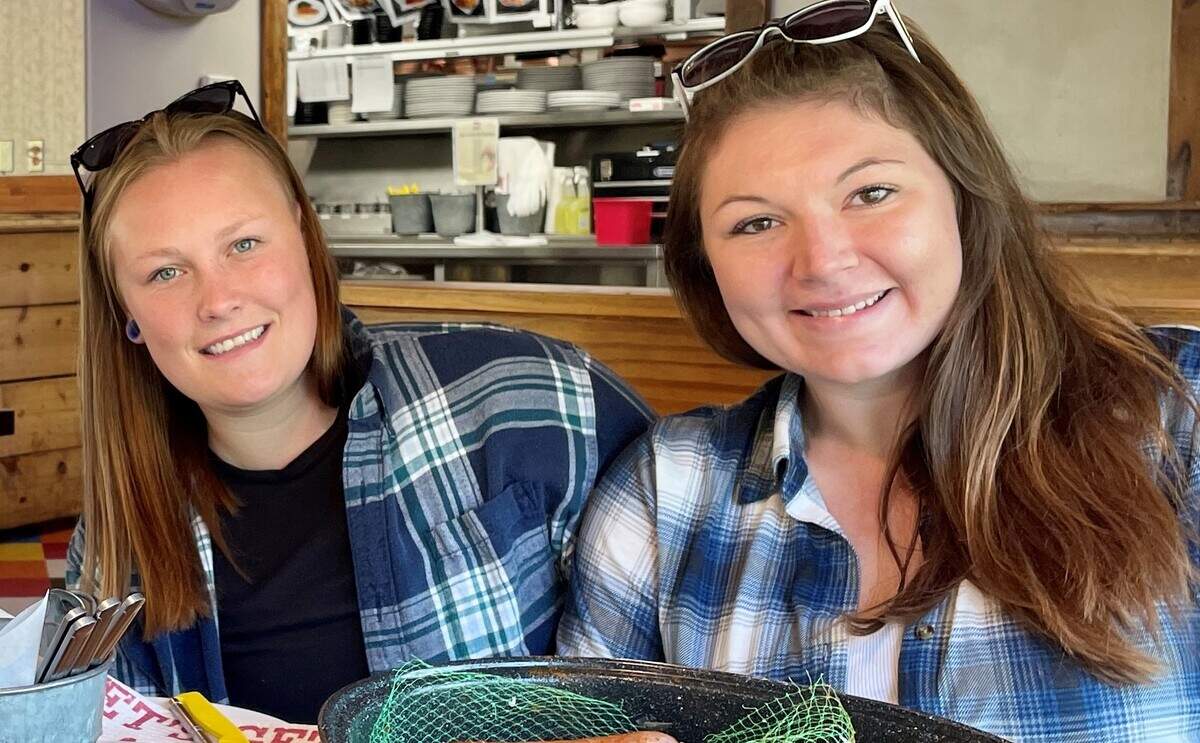
Editor’s note: This is the third in a series about how Idaho plans to spend millions in opioid settlement funds.
By the time she was 16 years old, Siena Thompson had undergone two back surgeries for a back problem she’d had since birth and was taking prescription oxycodone, a powerful opioid.
That regular use turned into an addiction that escalated. She started buying pills on the street.
“And then eventually they weren’t enough anymore,” she said via video from the Canyon County Jail. “So I turned to heroin. And then I just kind of went up the ladder after that, meth use and everything.”
Siena, 30, of Boise, is in the Canyon County Jail in Caldwell, about 90 miles from where her girlfriend, Sawyer Morrison, sits in the Valley County Jail in Cascade. Both women were arrested together on drug charges in February. Because there’s no room in state prison, the women are staying in county jails.
Like Sawyer, Siena considers herself an addict with a chronic disease and wants to stay off drugs.
She said she struggles with withdrawal but does much better once she gets “out of the spiral.”
Getting out of that spiral was particularly difficult on fentanyl, a synthetic opioid that is up to 50 times stronger than heroin and 100 times stronger than morphine.
“Fentanyl is by far the gnarliest thing I’ve ever come across,” Siena said. “To get off that was 20 times harder than it was to get off of anything else. And within a week of using it, I started to withdraw without it. So I mean, it was a trap.”
Prison is not rehab
Incarceration can be good for getting someone out of that spiral initially, but after that, sitting in a jail cell or prison for months or even years ends up doing more harm than good, she said.
“There’s girls in here that are going to do significant time away from their children for a bag (of marijuana) or one pill,” Siena said. “Offer them help, offer them assistance. Get them sober, sure. Let them dry out, okay. But then let them build their life again, don’t let them just waste away.”
I asked Siena what she thought would be the best use of $218 million coming to Idaho from legal settlements with opioid makers and distributors.
She said one area the state should spend the money on is transitional housing to get off drugs, get stable, get treatment and counseling, find a job and eventually move out on your own again.
“You can find housing, but it’s not going to be good housing,” she said. “The good housing where people genuinely actually care (is) hard to get into and expensive.”
She added that family housing, for mothers and their children or couples, for example, is nearly impossible to find.
Gov. Brad Little and the Legislature last session approved $750,000 for transitional housing for the Idaho Department of Correction. That money is coming from the state’s general fund, not the opioid settlement fund. Also approved was $1.35 million for community recovery centers, but that money is coming from tobacco settlement money, not opioid settlement money. Meanwhile, about $12 million in settlement money has come into the state already, but only $900,000 of it has been spent.
Suboxone
Siena also recommends spending opioid settlement money on suboxone, a medication used to treat opioid addiction by dulling or blunting opiate intoxication and preventing cravings. It’s similar to methadone, which most people have heard of in treating heroin addiction.
“One thing I am super supportive of is the suboxone program,” Siena said. “Because that has saved me multiple times throughout my addiction career, and that’s where I’ve gotten my biggest amounts of sobriety is going from using (drugs) to suboxone, which helps you get out of that spiral.”
Central District Health plans to use at least part of its opioid settlement money on medication-assisted treatment.
Finally, a hidden challenge for many trying to recover is transportation.
“There’s so many people that don’t have transportation, that can’t get themselves to the bus,” she said.
She said she stayed at a sober living facility in California that had a “sober Uber,” a ride service that would get residents to meetings, treatment and court dates.
Even though she’s not sure where she’s going to live when she’s released in February or how she’ll get around, since she also lost her car, “I’m sure I’ll figure it out.”
Those are the mundane things that most of us take for granted but pose significant challenges to people like Siena who are just being released and trying to stay clean.
But for Siena, she’s determined to make it.
“I had a beautiful life,” she said about her time when she was clean, before she got arrested. “I loved my life. I just want it back.”
This story was originally published June 14, 2023 at 4:00 AM.