She grew up in an upper-middle-class family in Boise. Today, she’s in jail for drugs | Opinion
READ MORE
Idaho opioid settlement fund series
Idaho’s slice of the nation’s $54 billion opioid settlement is heading this way. Our series explores how the money might be spent, and looks at the issue of opioid addiction in The Gem State through the voices of people who are living the opioid crisis.
Expand All
Millions of dollars coming to Idaho to fight opioid epidemic. Where is money going? | Opinion
She grew up in an upper-middle-class family in Boise. Today, she’s in jail for drugs | Opinion
How prescription opioids led to meth, heroin and fentanyl for this Boise woman | Opinion
He was a pharmacist addicted to opiates. Now he works with people in recovery | Opinion
Editor’s note: This is the second in a series about how Idaho plans to spend millions in opioid settlement funds.
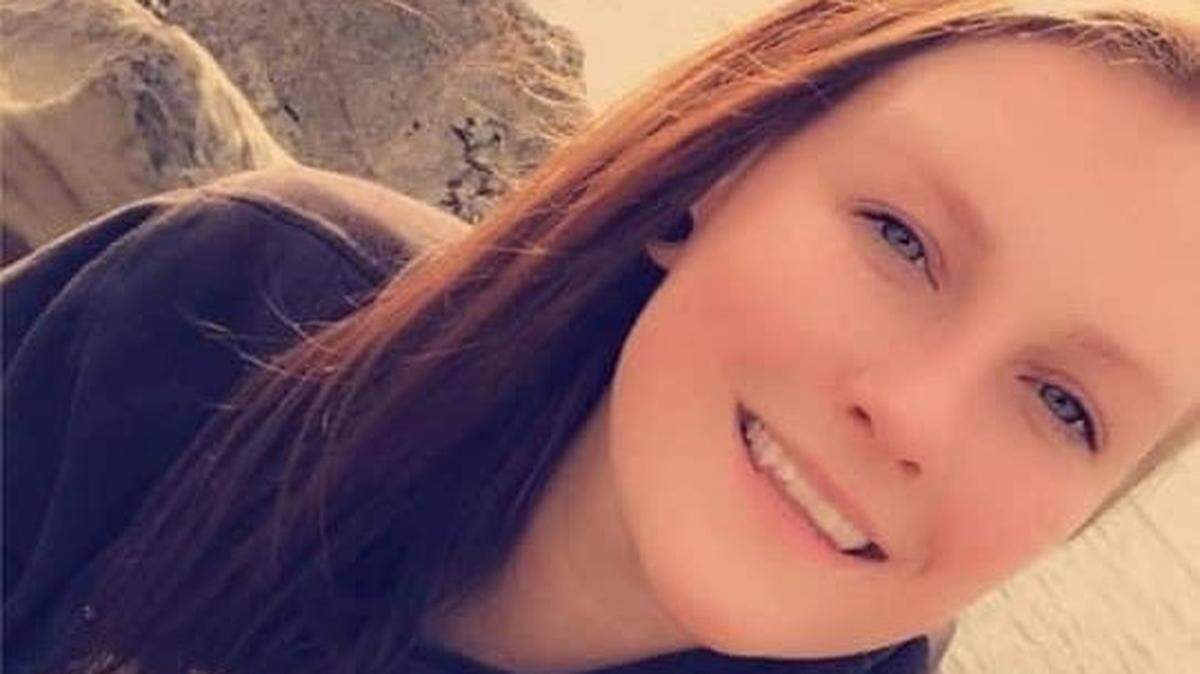
Sawyer Morrison started smoking marijuana and drinking in middle school. She dropped out of high school and started smoking meth at 20, heroin at 21 and fentanyl at 25.
Fentanyl is so potent, once she started using it, she stopped taking heroin.
“Once you smoke fentanyl, you can’t really smoke heroin anymore, because it doesn’t really get you high anymore,” she said in a phone interview from the Valley County Jail, where she is a state prisoner on a felony charge of possession of a controlled substance.
Fentanyl is a synthetic opioid that is up to 50 times stronger than heroin and 100 times stronger than morphine.
Sawyer, 26, who grew up in an upper-middle-class family in Boise, has been in and out of Idaho jails and prison for several years on various drug and other charges.
She considers herself an addict and wants to get off drugs, but the pull of addiction is hard to overcome, especially fentanyl and especially when incarceration is the state’s solution of choice and resources are limited for people with drug-use disorder.
I talked to Sawyer and other local residents who have firsthand experience with addiction, getting arrested, doing time and trying to come out the other side.
About $218 million will be coming into the state of Idaho over the next several years as part of the $54 billion national settlements with opioid manufacturers and distributors to settle claims that the companies overmarketed and overprescribed the drugs, flooding the market and leaving a scourge in their wake.
Sawyer and others like her who have been through the criminal justice system know firsthand what works, what doesn’t work and what a good use of the money would be.
One thing is certain: Incarceration is not an effective solution, they all said, and a better use of the money would be on treatment, transitional housing and transportation assistance.
“I feel like people that are incarcerated are just in this cycle of coming back and coming back and coming back,” Sawyer said. “You’re kind of traumatized from being in. We’re just sitting here like, half the time we’re reminiscing about using. We’re not programming, we’re not in (a state) prison; most of us do a lot of our time in county jails, so there’s not much rehabilitation going on in the jails or prisons.”
Idaho prisons full
Sawyer is in the Valley County Jail because there’s no room in the state prison for women, in part because of the burgeoning number of residents arrested on drug charges.
According to the most recent Idaho incarcerated population report, 37.5% of the total incarcerated population was sentenced on drug charges. The total number of people incarcerated on drug charges increased 13% in the last fiscal year, according to the report. According to a 2019 study by the Council of State Governments, Idaho had by far the highest percentage (62%) of prisoners incarcerated because they had violated parole or probation.
“Every time you’re locked up, you meet more people who have the same problem,” Sawyer said. “So when I get out, I’ll know all these people when they get out. It’s like once you’re in, you’re in.”
Sawyer said the opioid settlement money should be used on sober living houses, expanding treatment options, helping those released from prison find a job and ensuring suboxone is widely available.
Suboxone is a medication used to treat opioid addiction by dulling or blunting opiate intoxication and preventing cravings. It’s similar to methadone, which most people have heard of in treating heroin addiction.
Sawyer also said sober houses are great, but they are scarce and can be hard to get into. And if you do get into one, they’re expensive — as much as $500 a month. It’s difficult for someone just released from prison to scrape together the money to afford the rent, she said.
Finally, Sawyer said that the state should at least provide funding for more drug rehabilitation and other programming for people with drug-use disorder while they’re locked up.

Dangers of fentanyl
Every so often during our phone conversation, Sawyer would let out a youthful giggle, a sign of her bubbly personality and perhaps happier times. But it’s fleeting, and the reality of her situation seems to cast a pall on her mood. Still, she’s hopeful. Sawyer said she’s confident she’ll be successful this time around when she’s released in February.
She’s been working with a case manager on a parole plan for when she gets out and goes before the parole board in August to present her plan.
After release, she hopes to stay at a sober house, get into treatment and get a job doing delivery, working at Amazon or in food service.
“After six months (of being clean), it gets pretty easy,” she said. “And I can be done in half time, so I can do 18 months and be done (with parole).”
When I asked Sawyer what she wants the public to know, she issued a warning about the dangers of fentanyl.
“Once you take fentanyl, you just can’t stop,” she said. “It’s just so hard to get off it. You get so sick. … I would just suggest not doing it.”
This story was originally published June 13, 2023 at 4:00 AM.