
Simpson, Crapo and Risch step up for Idaho public lands | Opinion
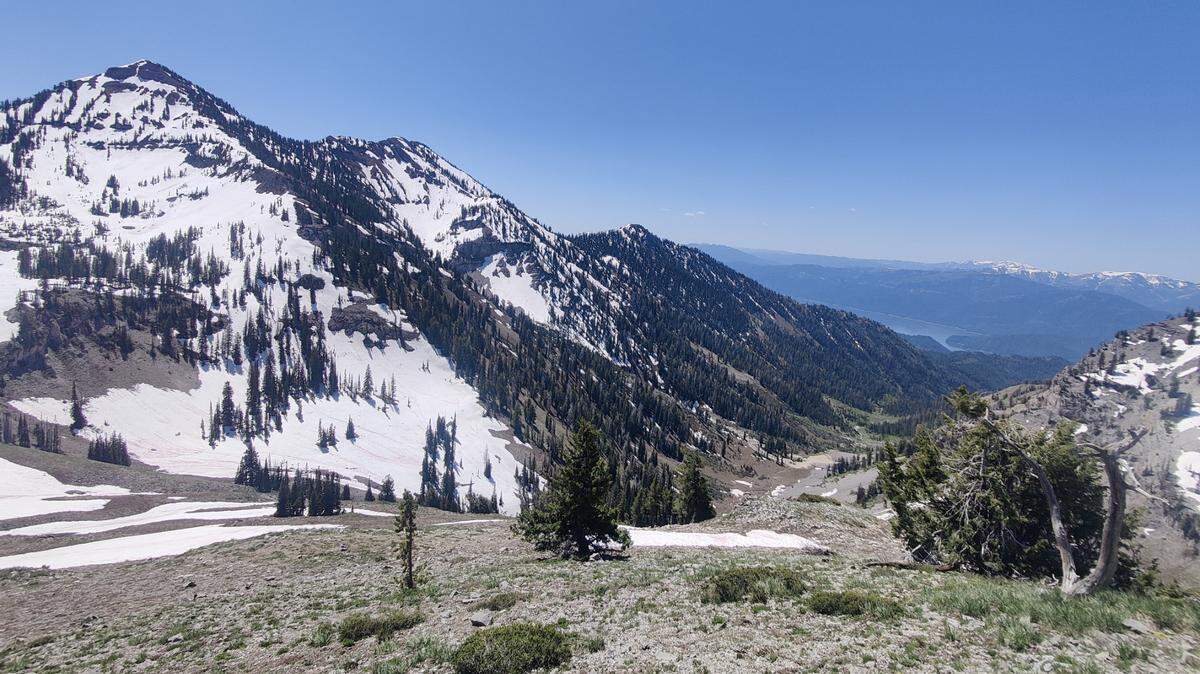
There are preliminary signs that those who have fought to oppose sales of public lands — including a strong majority of Idahoans — may have won this round, securing Idaho’s most important legacy against one more attempt to steal it.
U.S. Sen. Mike Lee, R-Utah, has long been part of a small movement of politically powerful Republicans centered in Utah who have sought to force the federal government to sell or transfer your public lands to either private entities or individual states (and since the states can’t afford to manage these lands, transfer to the states ultimately means sale to private parties.) Lee seized on unified Republican control of government to attempt to push this deeply unpopular agenda forward.
The first indications of progress came in recent days, when Sens. Mike Crapo and Jim Risch followed the lead of Montana Sen. Steve Daines by issuing statements saying they opposed Lee’s public land sales provision, which which would have led to the sale of around 3 million acres of public land around the West, with many of Idaho’s most beautiful places eligible for the auction block.
Next, the Senate parliamentarian ruled that Lee’s land provision violates the rules of reconciliation, which would effectively mean that passing it would require an unattainable 60 votes.
Lee then sought to narrow and rewrite the rules in his bill to target only BLM land. (This still risked major land sales in the Boise Foothills.)
The likely nail in the coffin for that proposal was issued Thursday night, when a group of five western House Republicans, including Rep. Mike Simpson, pledged to vote against the One Big Beautiful Bill if it contains a public land sale mandate, calling it “the provision that will tank the entire Republican agenda.”
“… We cannot accept the sale of federal lands that Senator Lee seeks. If a provision to sell public lands is in the bill that reaches the House floor, we will be forced to vote no,” Simpson, along with Montana’s Rep. Ryan Zinke, Washington’s Rep. Dan Newhouse, Oregon Rep. Cliff Bentz and California Rep. David Valadao wrote to House Speaker Mike Johnson.
There are 220 Republicans in the U.S. House and 212 Democrats. That means if Simpson and the other signatories stand firm, the One Big Beautiful Bill would fail by at least 217-215 if it still contains public land sales when it goes back to the House. That is, if they hold firm, the mass public land sell-off is dead.
Lee is unlikely to get a second bite at the apple because future bills would likely be subject to the filibuster, so he would need to peel seven votes from the Democratic caucus and keep all GOP senators on his side in order to advance it — a very unlikely prospect.
All of this adds up to a likely victory for Idahoans present and future. Public lands stay public — for now.
But, make no mistake, continued vigilance is needed. The threat to Idaho’s public lands is not over:
Trump could turn his wrath on those who oppose land sales, and Simpson, Crapo and Risch would have to hold firm. That would be the real test of the Idaho delegation’s commitment (a test Rep. Russ Fulcher failed immediately by voting to sell Idaho’s soul without any pressure at all).
Executive branch agencies could act in bad faith to sell off public land. The fact is, public lands are sold (and new ones are bought) every year. Not every one of those sales is a bad thing, and many small transfers may be beneficial. But ensuring that they are requires that the heads of the relevant agencies act in good faith, something we can’t necessarily count on. Secretary of Agriculture Brooke Rollins recently acted to rescind longstanding protections for roadless areas with no effort to solicit public input or study the issue in a serious way.
And the fringe public land sales movement isn’t going anywhere. It’s pursued its terrible ideas through the courts, state legislatures, Congress and everywhere else it could. In the Idaho Legislature, there have been serious efforts to examine federal land takeovers in the past, and your tax dollars have been spent in a ludicrous effort to supposedly assess the value of federal lands within the state.
They’ll try to pick your pocket every chance they get.
This movement will continue to be defeated only by an equally persistent response.
So celebrate this victory and prepare to keep fighting. Lee and his allies are smarting right now, but they’ll be back. This is a game of whack-a-mole that will not end any time soon.
This story was originally published June 27, 2025 at 10:06 AM.
BEHIND THE STORY
MOREWhat is an editorial?
Statesman editorials are the consensus opinion of the Idaho Statesman’s editorial board. The editorial board is composed of journalists from the Idaho Statesman and community members. Members of the editorial board are Statesman editor Chadd Cripe, opinion editor Scott McIntosh, opinion writer Bryan Clark, assistant editor Jim Keyser and community members John Hess, Debbie McCormick and Julie Yamamoto.
How does the editorial board operate?
The editorial board meets weekly and sometimes invites subjects to board meetings to interview them personally to gain a better understanding of the topic. Board members also communicate throughout the week via email to discuss issues and provide input on editorials on topics as they are happening in real time. Editorials are intended to be part of an ongoing civil discussion with the ultimate goal of providing solutions to community problems.
Why are editorials unsigned?
Editorials reflect the collective views of the Statesman’s editorial board — not just the opinion of one writer. An editorial is a collective opinion based on a group discussion among board members. While the editorial is written by one person, typically the opinion editor, it represents the opinions and viewpoints expressed by members of the editorial board after discussion and research on the topic.
Want your say?
Readers are encouraged to express their thoughts by submitting a letter to the editor. Click on “Submit a letter or opinion” at idahostatesman.com/opinion.
Want more opinions each week?
Subscribe to The Idaho Way weekly email newsletter, a collection of editorials, columns, guest opinions and letters to the editor from the Opinion section of the Idaho Statesman each week. You can sign up for The Idaho Way here.