
The Big Beautiful Bill will kill Idaho rooftop solar companies, jobs | Opinion
AI-generated summary reviewed by our newsroom.
- Idaho ranks 4th nationally in residential solar growth with 6,850% since 2014.
- Loss of Section 25D tax credit risks 250,000 U.S. solar jobs, including in Idaho.
- Sen. Crapo plays key role in preserving solar incentives supporting local economy.
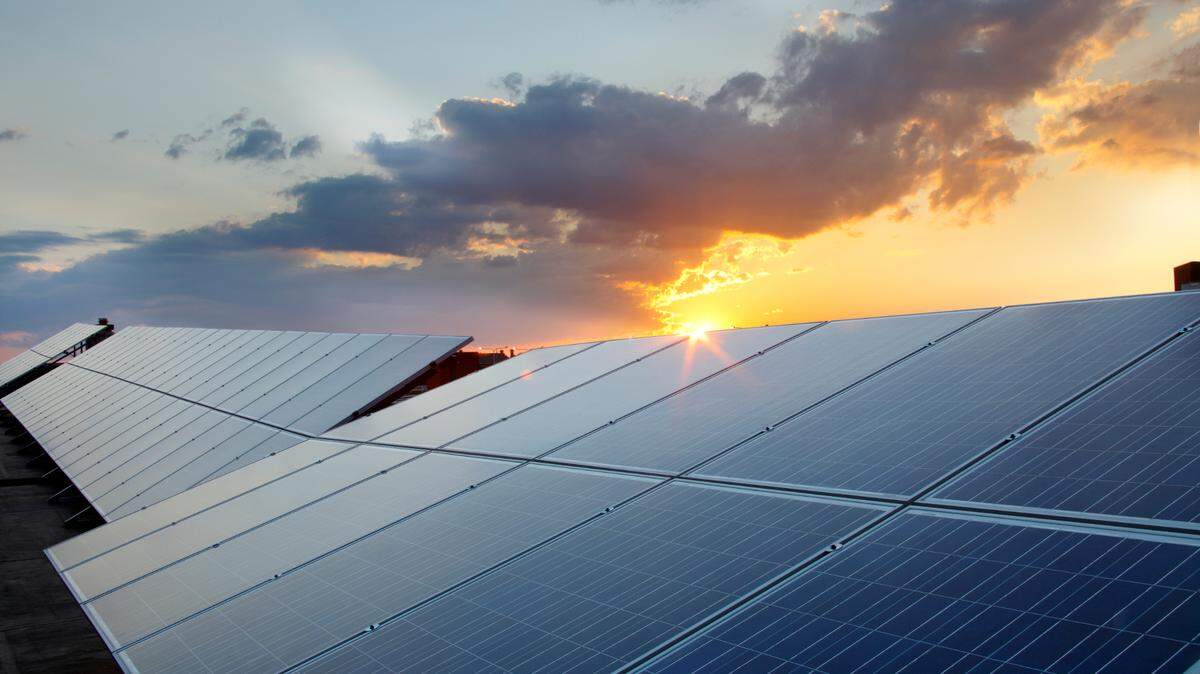
By any measure, Idaho is a national success story when it comes to residential solar. Since 2014, our state has seen an astounding 6,850% growth in rooftop solar, ranking us 4th in the nation for residential solar expansion. More than 700 Idahoans already work in solar jobs at one of the 33 small businesses providing rooftop installations across the state. With smart policy, we could grow that workforce to 4,000 strong by 2035.
But all of that economic momentum is currently at risk.
The One Big Beautiful Bill, recently approved by the U.S. House, seeks to eliminate the Section 25D residential solar tax credit — a decision that threatens to undermine Idaho’s thriving residential solar sector. If it becomes law, the impact on our state’s economy, energy reliability and consumer energy costs would be devastating.
The Senate version of the Big Beautiful Bill disappoints further by favoring certain sectors through continued subsidies for large-scale solar farms, carbon capture technology, hydrogen production and wind energy projects. This focus neglects residential solar. It fails to enhance our local power infrastructure and secure long-term Idahoan employment. Finally, it lines the pockets of out-of-state corporations.
Fortunately, Idaho holds a significant sway through Sen. Mike Crapo’s key leadership role on the Senate Finance Committee which is crafting the Senate’s final legislative response.
Residential solar is about protecting economic growth, local energy independence and conservative values. It generates six times more permanent jobs than the temporary short-term jobs created by the utility-scale renewable projects being favored in the Senate. Residential Solar jobs are living-wage jobs that cannot be offshored. They support rural communities, promote conservative self-reliance and include apprenticeship paths toward annual earnings of more than $100,000 per year.
Additionally, residential solar enhances grid reliability while helping households manage energy costs. It delivers capacity more rapidly than major utility development and utilizes existing structures without impacting agricultural or public spaces. In our state’s context of rising energy demands and lengthy infrastructure timelines, rooftop solar presents the quickest solution.
Save Main Street Solar warns that repealing 25D could result in the loss of 250,000 jobs nationwide, including tens of thousands in red states such as Idaho. The bill could also strip away $220 billion in investments and raise consumer energy costs by $51 billion. That’s not energy dominance. That’s a preventable crisis.
While I personally support the administration’s efforts to rein in unnecessary government spending, the One Big Beautiful Bill is a massive piece of legislation and we must be careful not to eliminate programs that are actively driving job growth and energy freedom for working Idahoans. Section 25D enables families in our state to choose how they power their homes independently, promotes market competition, and strengthens energy resilience. Preserving it isn’t just a clean energy issue — it’s an Idaho economic freedom issue.
Crapo’s consistent support for Idaho families, employment, energy independence and community choice is well-documented. As he navigates various legislative considerations, we trust he will work to maintain the 25D credit and champion a more thoughtful, sustainable energy policy approach.