Little should not disavow Idaho’s abortion ban and then sign it. He owns the consequences
READ MORE
Special report: Idaho’s abortion law
Idaho Gov. Brad Little signed a controversial bill based on the Texas law while expressing concerns over its legality. Here’s our coverage of Senate Bill 1309, which allows family members to sue abortion providers for a minimum of $20,000.
Expand All
“Deputizing private citizens to levy hefty monetary fines on the exercise of a disfavored but judicially recognized constitutional right for the purpose of evading court review undermines our constitutional form of government and weakens our collective liberties. None of the rights we treasure are off limits.”
If a governor comes to a conclusion like that about a bill on their desk, they naturally veto it. If not, then they have no respect for constitutional rights.
“Ultimately, this legislation risks re-traumatizing victims by affording monetary (incentives) to wrongdoers and family members of rapists.”
If a governor comes to a conclusion like that, they veto the bill. If not, then they have sold their soul.
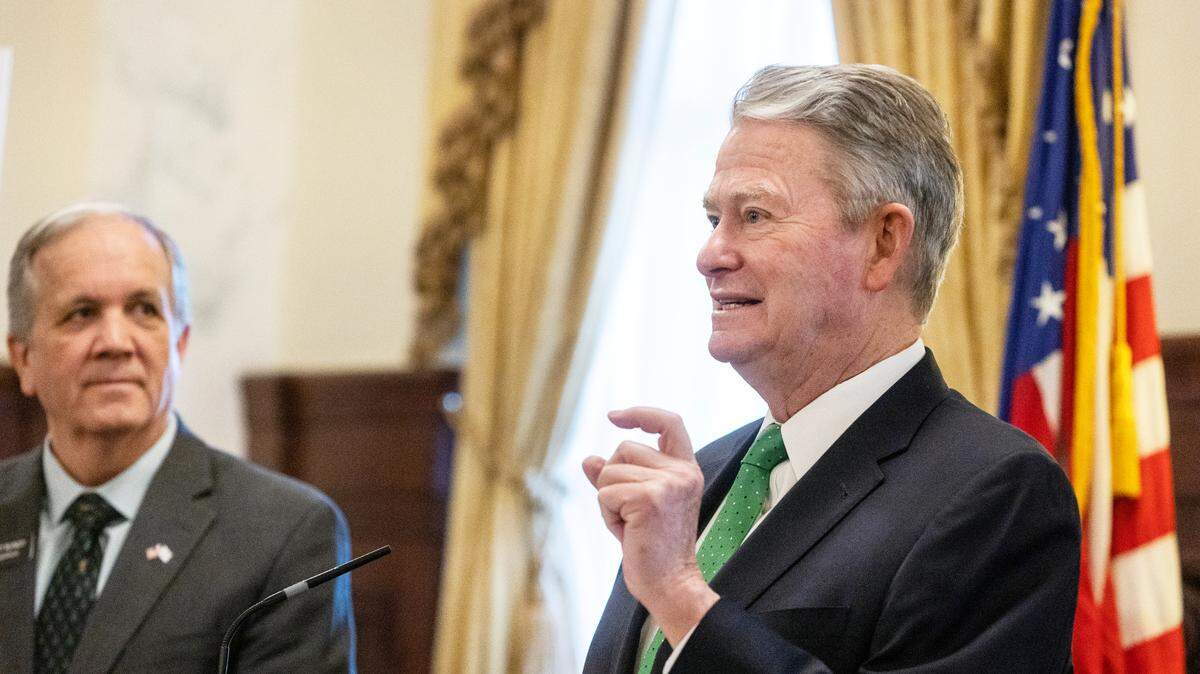
And yet, Idaho Gov. Brad Little signed Senate Bill 1309 on Wednesday.
The bill, modeled after Texas’ recent abortion ban, allows anyone related to a fetus to sue an abortion provider for $20,000 if they perform an abortion after a heartbeat can be detected — which is often at about six weeks, before most women even know they are pregnant.
The approach, as Little himself noted, is legally untested and likely to be found unconstitutional once it is. Its true intention is to try to drive abortion providers out of business by making their litigation risks so high that they can’t afford liability insurance and are forced to close, which is what is happening in Texas.
But this cruel means of enforcing an abortion ban — by setting neighbor against neighbor and “deputizing” citizens to use the courts to eliminate a constitutional right — has obvious consequences.
One consequence was obvious early on. Imagine that a woman is raped by a man with two brothers. If that woman seeks an abortion, each of those brothers can sue and take home $20,000 apiece. The same thing can happen in cases of incest.
Little was acutely aware of this disturbing fact. He said he had “significant concerns with the unintended consequences” the legislation would have.
But during floor debate, Rep. Ned Burns, D-Bellevue, specifically asked the bill’s sponsor, Rep. Steven Harris, R-Meridian, whether the bill would allow the family members of a rapist to sue. Without hesitation, he said it would.
When the consequence of a bill is known to you beforehand, and you pursue it nonetheless, that is not an accident. It is an intentional consequence — to further persecute the victim of a terrible crime.
Little urging lawmakers to “to promptly rectify any unintended consequences” to fix the bill is meaningless. The bill basically eliminates the right to an abortion, and it employs particularly cruel means to do so. It cannot be fixed by future action.
This is the intentional consequence of Harris’s bill: to allow the family members of a vulgar criminal to sue to prevent the victim of a horrendous crime from getting an abortion.
Because that consequence was known to Little when he signed the bill, it is his intention as well — and no amount of mealy-mouthed prevarication can change that fact.
This story was originally published March 23, 2022 at 3:25 PM.
BEHIND THE STORY
MOREWhat is an editorial?
Statesman editorials are the consensus opinion of the Idaho Statesman’s editorial board. The editorial board is composed of journalists from the Idaho Statesman and community members. Members of the editorial board are Statesman editor Chadd Cripe, opinion editor Scott McIntosh, opinion writer Bryan Clark, assistant editor Jim Keyser and community members John Hess, Debbie McCormick and Julie Yamamoto.
How does the editorial board operate?
The editorial board meets weekly and sometimes invites subjects to board meetings to interview them personally to gain a better understanding of the topic. Board members also communicate throughout the week via email to discuss issues and provide input on editorials on topics as they are happening in real time. Editorials are intended to be part of an ongoing civil discussion with the ultimate goal of providing solutions to community problems.
Why are editorials unsigned?
Editorials reflect the collective views of the Statesman’s editorial board — not just the opinion of one writer. An editorial is a collective opinion based on a group discussion among board members. While the editorial is written by one person, typically the opinion editor, it represents the opinions and viewpoints expressed by members of the editorial board after discussion and research on the topic.
Want your say?
Readers are encouraged to express their thoughts by submitting a letter to the editor. Click on “Submit a letter or opinion” at idahostatesman.com/opinion.
Want more opinions each week?
Subscribe to The Idaho Way weekly email newsletter, a collection of editorials, columns, guest opinions and letters to the editor from the Opinion section of the Idaho Statesman each week. You can sign up for The Idaho Way here.