
Please, Idaho, buckle up, talk to your kids about safe driving, avoid a tragic summer
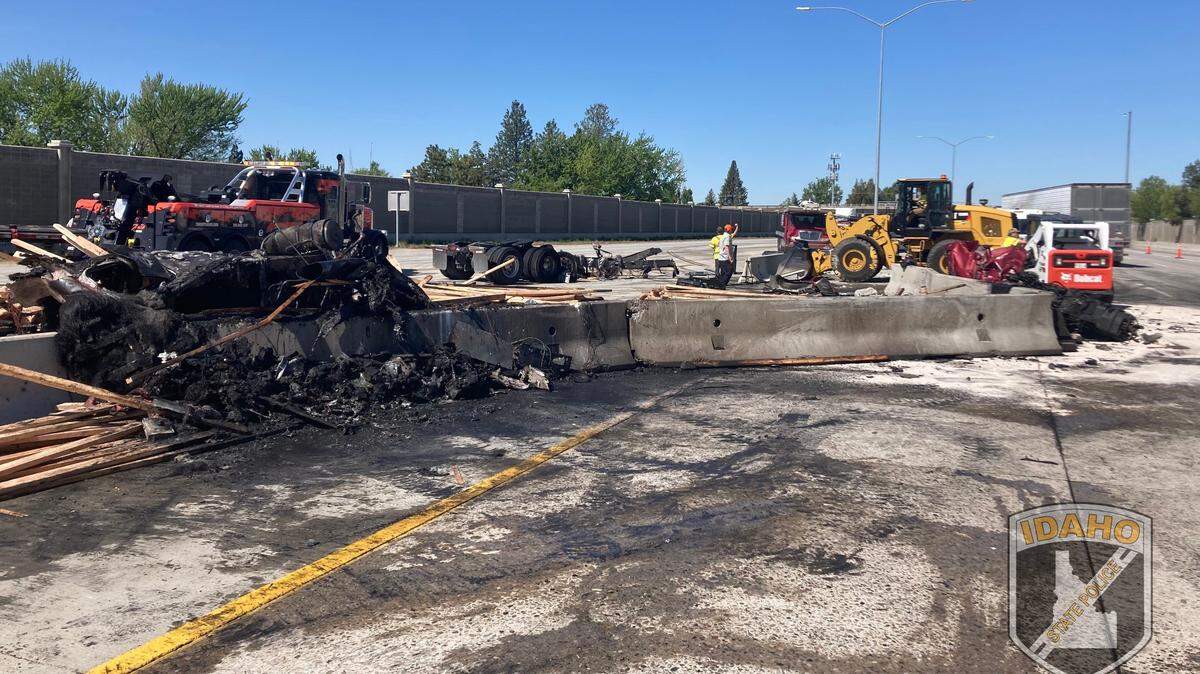
This summer driving season is off to a really bad start on Idaho’s roads.
Memorial Day weekend kicks off what’s ignominiously referred to as the “100 Deadliest Days.” These are the 100 days of summer when traffic fatalities are highest, when the risk is greatest.
And things are rather terrible in our state so far.
Through Memorial Day weekend, Idaho State Police troopers responded to seven fatal crashes that killed 12 people, many of them children and teens.
One simple way we can reduce fatalities by half is with the use of seat belts. It is confounding that in 2021 we still have to keep discussing this topic, but data show that’s the case.
More than half of Idaho motorists killed in crashes are not buckled in, according to the Idaho Transportation Department Office of Highway Safety. From 2015-2019, 56% of vehicle occupants killed in Idaho were not restrained, and 1,207 unrestrained vehicle occupants were critically injured in traffic crashes, according to the Office of Highway Safety.
Among drivers and front-seat passengers, seat belts reduce the risk of death by 45% and cut the risk of serious injury by 50%, according to the National Highway Traffic Safety Administration.
Of the 22,215 passenger vehicle occupants killed in 2019, 47% were not wearing seat belts, according to the NHTSA. Seat belts saved an estimated 14,955 lives in 2017 alone and could have saved an additional 2,549 people if they had been buckled in.
Recognizing the importance of seat belts, the Idaho State Police stepped up patrols during the last two weeks in May. And troopers wrote 233 citations to motorists for not wearing seat belts.
That number is astonishing.
Are we regressing as a society in our use of seat belts? Have we ignored the lessons of how important they are in saving lives?
Seat belts prevent drivers and passengers from being ejected. People not wearing a seat belt are 30 times more likely to be ejected from a vehicle during a crash, according to the Centers for Disease Control and Prevention. More than 3 out of 4 people ejected die from their injuries.
“I’ve been to so many crashes, even low speed or single-vehicle crashes, or crashes in the center of town, where a seat belt would have kept someone secure in the vehicle or otherwise prevented serious injuries,” Idaho State Police Sgt. Steve Farley said in a press release.
We’ve also noticed that driving habits coming out of the pandemic seem to be much worse. And we recognize that someone who is not already in the habit of wearing a seat belt or driving safely probably is not going to read this and suddenly change their ways.
But perhaps it will convince a few people, and perhaps that will be enough.
This editorial is directed at family members, moms and dads, aunts and uncles, brothers and sisters, grandparents, to have a conversation with their children and loved ones about wearing a seat belt, not texting and driving, keeping a safe distance, not speeding.
If you wear a seat belt, you drive safely, you know the value of doing all the little things right, then please impress upon others the importance of this.
In particular, have a talk with new teen drivers.
Those 16-17 years old are three times more likely to be involved in a deadly crash than their adult counterparts, according to AAA Idaho. Nationwide, seven people are killed every day in crashes that involve a teen driver.
Idaho ranks 23rd in the country for most per-capita crash fatalities involving teen drivers.
From 2009 to 2019, more than 7,000 people died in crashes involving a teen driver during the 100 Deadliest Days, including 77 in Idaho, according to AAA Idaho.
“In states with large rural areas, it may be tempting to think that somehow the wide-open spaces will prevent bad things from happening,” AAA Idaho spokesman Matthew Conde said in a release. “But youthful inexperience can have dangerous consequences anytime, anywhere.”
Consider this: Nearly two-thirds of the people killed in a crash involving a youthful driver are someone other than the teen, including passengers, pedestrians and drivers of other vehicles, according to AAA.
In the AAA Foundation’s most recent Traffic Safety Culture Index, about 72 percent of teen drivers ages 16-18 admitted engaging in at least one risky behavior in the past 30 days:
- speeding (47%)
- texting while driving (35%)
- red-light running (32%)
- aggressive driving (31%)
- drowsy driving (25%)
- driving without a seat belt (17%).
So please have a talk with your teen driver and other loved ones about the 100 Deadliest Days. It’s not lame or cliche to do so. Let them know that the last thing you want is a visit at your door from a police officer who’s there to inform you that your loved one was killed in a car crash.
“We at ISP hope that families and communities will talk about and reinforce the importance of safe driving habits,” ISP Col. Kedrick Wills said in a release. “Keeping families whole and motorists safe on our roadways is important to all of us, and the only way we can make that happen is to work together.”
Impress upon your children that the most important thing they can do to save their lives is simply buckle up.
Having that talk with a family member could mean the difference between a trip to the hospital and a trip to the morgue.