Shooting stars will soon flash across the Boise night sky. Will you see them?
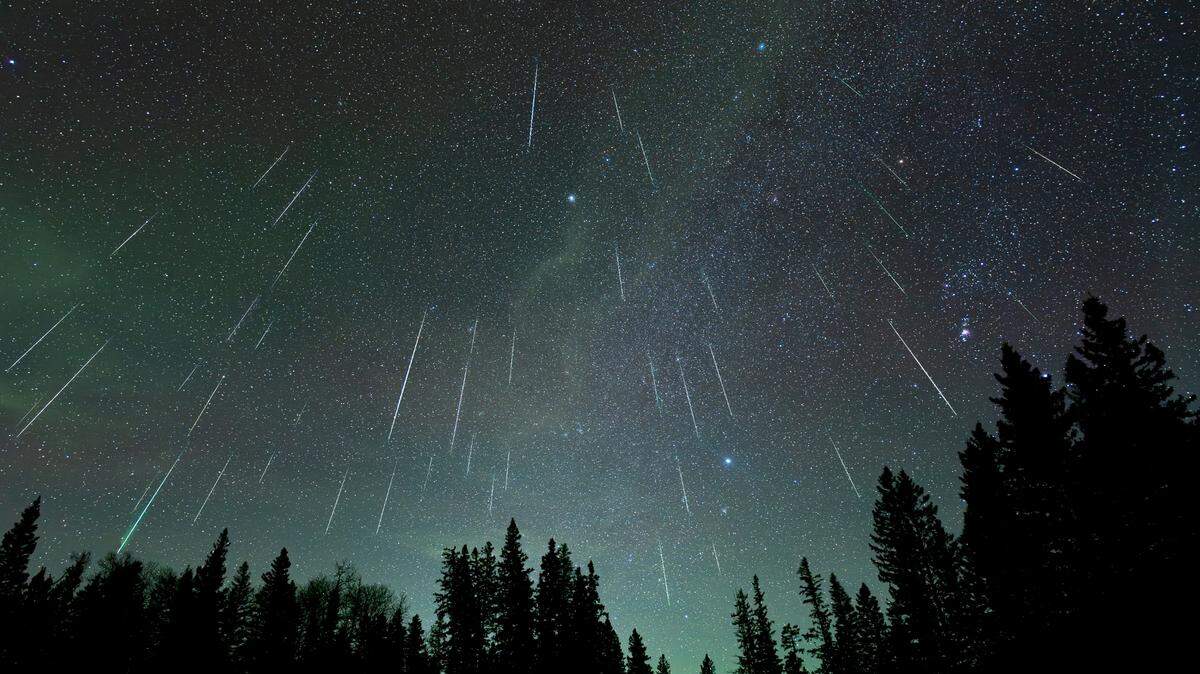
A meteor shower known for its cluster of bright flashes is flying across night sky.
The Lyrids meteor shower viewing party is about to get rained on.
Don’t worry though, there’s still a chance to see them.
The Lyrid meteor shower will be visible in the night sky from Friday, April 17, to Sunday, April 26, NASA said, peaking on Tuesday, April 21, and Wednesday, April 22.
Here’s what to know about the ancient shooting stars:
What are the Lyrids?
The Lyrid meteor shower is one of the oldest known meteor showers, according to NASA.
According to the space agency, the Lyrids were first observed in 687 BC in China, more than 2,700 years ago.
The meteor shower get its name from the Lyra constellation.
NASA noted that the debris that makes up the Lyrids meteor shower originates from the trail left by Comet Thatcher.
“When comets come around the sun, the dust they emit gradually spreads into a dusty trail around their orbits,” NASA said. “Every year the Earth passes through these debris trails, which allows the bits to collide with our atmosphere where they disintegrate to create fiery and colorful streaks in the sky.”
How many shooting stars will I see?
“The Lyrids are known for their fast and bright meteors,” NASA said, although they’re “not as fast or as plentiful as the famous Perseids in August.”
Under good viewing conditions, watchers can expect to see 10 to 20 meteors per hour, the space agency said, with “as many as 100 meteors seen per hour” possible.
“Lyrids don’t tend to leave long, glowing dust trains behind them as they streak through the Earth’s atmosphere,” NASA said, but they can produce occasional fireballs.
Will Lyrid meteor shower be visible in Boise area?
Lyrids are “best seen from the Northern Hemisphere where the radiant is high in the sky at dawn,” the American Meteor Society said on its website.
Lyrid activity is anticipated to reach its height after the moon sets on Tuesday, April 21, and before the sun rises on Wednesday, April 22, according to EarthSky.
However, the Lyrid meteors aren’t the only showers expected in the Boise area on Tuesday.
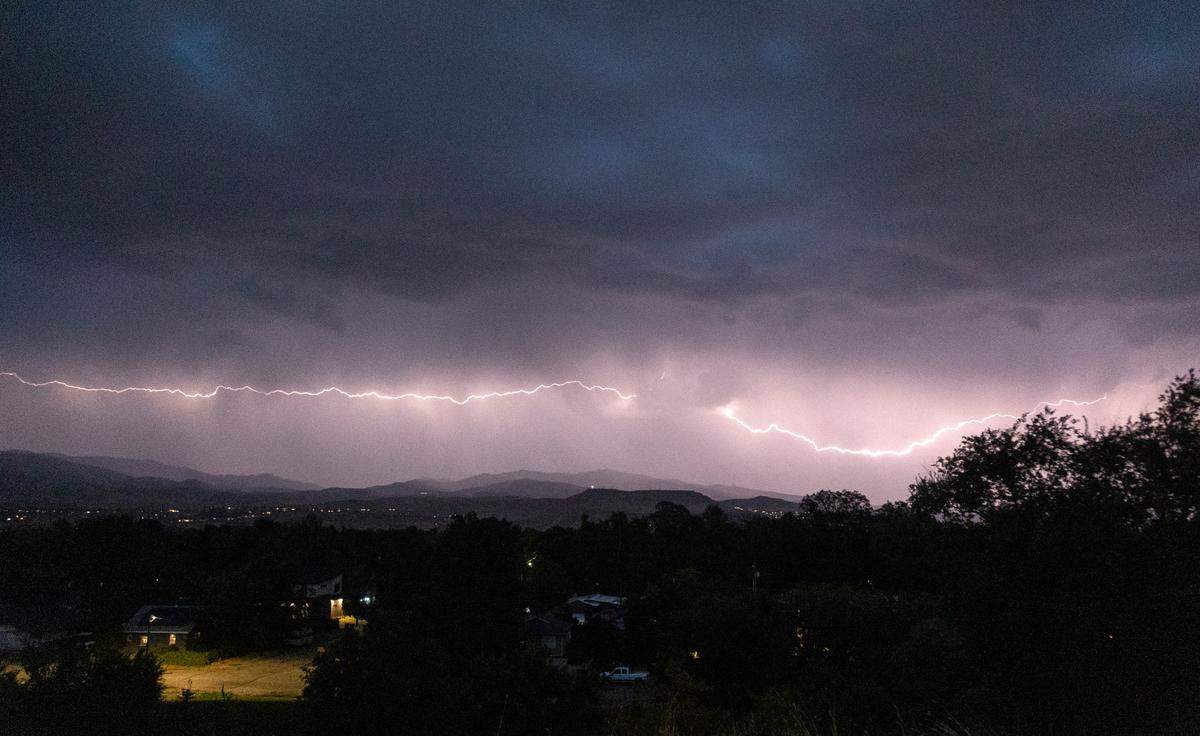
Thunderstorms, rain showers, gusty winds and small hail are expected to drench the Treasure Valley on Tuesday night, according to the National Weather Service.
“A cold, low-pressure system will bring rain showers, scattered thunderstorms, windy conditions and mountain snow,” the weather service said in a Tuesday morning post on X.
However, the Lyrid showers will continue through Wednesday, April 29, EarthSky said, so you’ll have more chances to wish on a shooting star.
What’s the best way to watch shooting stars?
To see shooting stars, get far from city lights and “lie flat on your back with your feet facing east and look up, taking in as much of the sky as possible,” NASA said.
It may take about 30 minutes for your eyes to fully adjust to the dark before you can spot the Lyrids, the space agency said.
“Be patient,” NASA said. “The show will last until dawn, so you have plenty of time to catch a glimpse.”
This story was originally published April 21, 2026 at 2:58 PM.