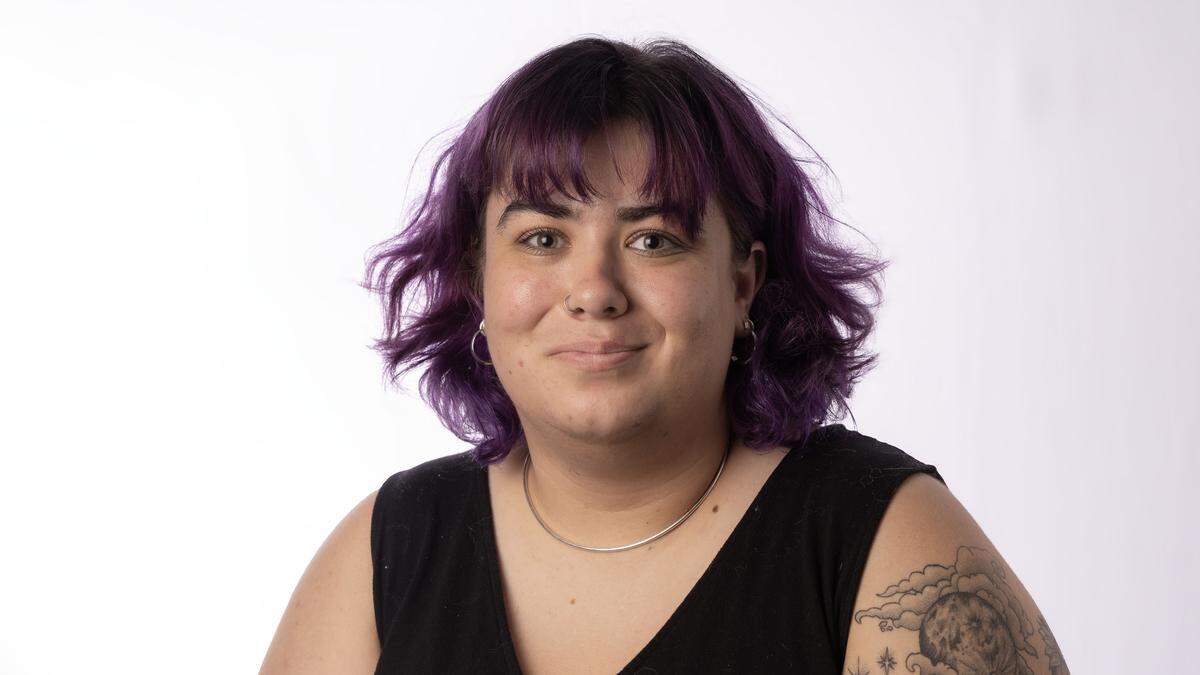
After friend’s suicide, Boise Democrat wants to stop public release of certain mugshots
Jessica Harrison, who was suffering from a mental health breakdown, was 37 years old when she took her own life.
The former executive director of the Association of Idaho Cities was charged with two misdemeanors in August 2019 and media outlets throughout the state — including the Idaho Statesman — published Harrison’s booking mugshot.
Just three months later, the charges against her were dismissed. But Rep. Brooke Green, Harrison’s best friend, said the damage was done.
“She lost her job. She took her life. And I no longer have my best friend,” the Boise Democrat told the Statesman by phone. “It did more harm than good, and it’s only for entertainment purposes.”
Now, Green — alongside Idaho Falls Republican Rep. Marco Erickson — has proposed a bill that would stop law enforcement agencies from releasing mugshots for nonviolent misdemeanor cases in which the suspect was detained on a mental health hold. East Idaho News first reported on the bill.
Under House Bill 620, Idaho sheriffs would be barred from releasing a suspect’s mugshot if they are placed on a mental health hold within 24 hours of booking. The photo can be published if the suspect is found or pleads guilty, according to the proposed bill.
“How do you recover from such an event that captured the worst day of your life?” Green said, choking up.
Before Harrison’s death, Green said Harrison wasn’t acting like herself, and between a three-week period family and friends called the police and Idaho’s Mobile Crisis Unit 11 times. Green said they struggled to get Harrison the help she needed and weighed whether calling the police would do more damage than good.
The bill could face an uphill battle, as multiple police and prosecuting agencies have opposed it.
Erickson, a psychologist, told the Statesman by phone that he’s seen the effect mugshots — and other experiences with the criminal justice system — can have on people diagnosed with mental illnesses.
Erickson, the co-sponsor, worked in eastern Idaho for 14 years to provide mental health services to families. Erickson said the worst time to focus on publicizing information about an alleged incident is when someone is having a mental health crisis.
“We don’t kick people when they’re down,” Erickson said. “We prepare them mentally for what is coming.”
Several law enforcement agencies and news outlets in recent years have changed their policies around mugshots.
In 2020, the San Francisco Police Department announced it wouldn’t release mugshots unless there was an immediate need. Dozens of news outlets have also announced the removal of mugshots from their publications. The Statesman and other McClatchy-owned papers implemented a policy to stop publishing most crime mugshots in July 2020.
In Oregon, where a more restrictive law went into effect this year, mugshots cannot be released to the public unless they would help apprehend a fugitive or suspect. If a person is convicted, the mugshot can be released. Wyoming lawmakers also recently introduced a bill similar to Oregon’s.
Green said she wouldn’t be opposed to a more restrictive bill, but that in the Idaho Legislature, it’s best to take smaller steps to achieve a bigger goal.
“My bigger goal is really to provide provisions and protections for persons with mental illness,” Green said.
Idaho sheriffs, prosecutors oppose bill
Multiple state law enforcement and prosecuting agencies have opposed the bill, including the Idaho Sheriffs’ Association, Idaho Prosecuting Attorneys Association, Idaho Fraternal Order of Police and Idaho Chiefs of Police Association.
Jeff Lavey, executive director of the Idaho Sheriffs’ Association, said a program to determine the mugshots that get released to the public would be costly and create discrepancies.
The bill also could face logistical issues. It’s unclear how law enforcement agencies would implement such a policy when mugshots are typically taken and posted immediately, and a mental health hold could occur at any point in the criminal process. Lavey said it would be easier to stop releasing mugshots for all misdemeanor crimes altogether.
”I do recognize that implementing this is going to be difficult,” Green said. She added if a hold occurs after 24 hours, then it could be challenging to withhold the mugshot.
Public disclosure of mugshots can be helpful for several reasons, Lavey added, including confirmation of a suspect’s identity or a search for a missing family member. The bill wouldn’t bar agencies from using mugshots internally.
“I understand what Rep. Green is trying to do on the mental health side of things, but this is not the one act that is going to throw someone over the edge,” Lavey said. “It’s various acts.”
Green acknowledged that passing the bill would be a challenge with the association’s resistance. If passed, the bill wouldn’t go into effect until January 2023 — six months later than usual — to give the agencies additional time to work out the details, Green said.
Ada County Sheriff’s spokesperson Patrick Orr told the Statesman by email that the sheriff’s website averages between 700,000 and 900,000 hits a month. He added the “vast, vast majority” are on the county’s arrests page, which shows mugshots of all suspects in custody.
This story was originally published February 17, 2022 at 4:00 AM.