Recess is over for Idaho legislators. Here’s what they still need to finish.
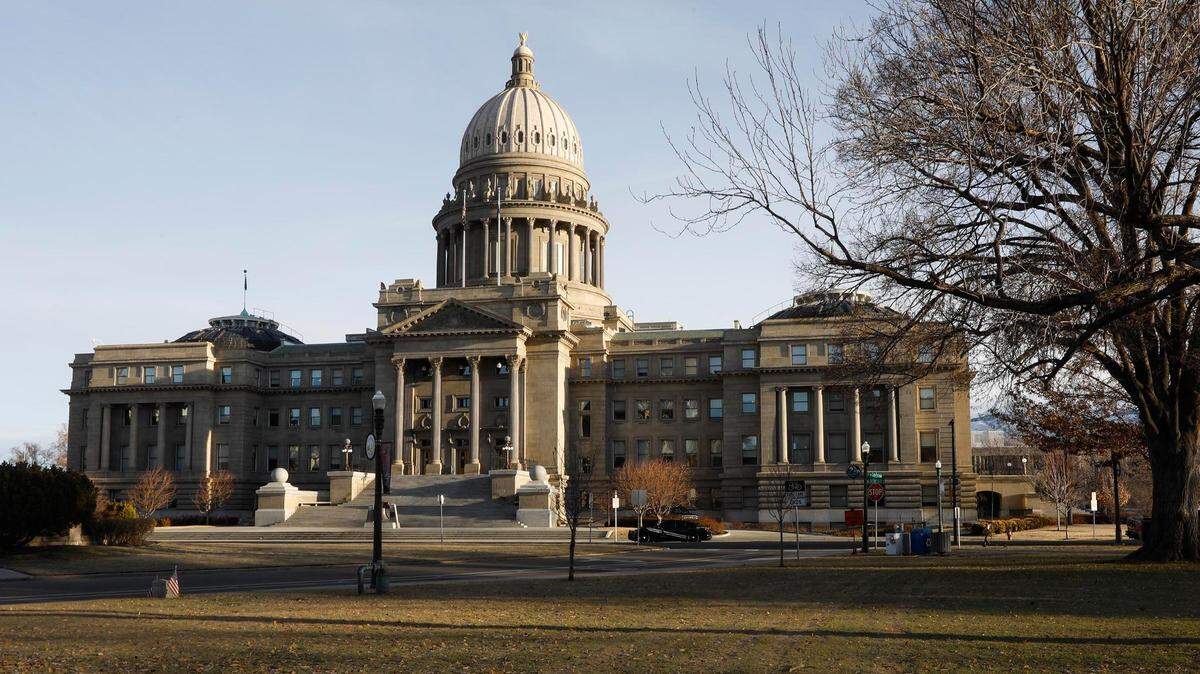
The Idaho Legislature is back in session starting on Tuesday. After a two-week recess due to a COVID-19 outbreak among House members, lawmakers will return to business with a slew of bills left on their plate.
Here’s a reminder of what’s left for state lawmakers to accomplish.
Curbing emergency powers for the governor, public health districts
Republican lawmakers still need to accomplish what had been at the top of their list since the session began — blunting some of the governor’s emergency powers.
House Bill 135, sponsored by Assistant Majority Leader Jason Monks, R-Meridian, would still allow the governor to declare emergencies and renew them for up to 60 days. But after that, the Legislature would need to reconvene and decide whether to continue the declaration.
And House Bill 259, sponsored by Rep. Julianne Young, R-Blackfoot, would change some of the definitions around an emergency declaration — including a definition of “epidemic” and “pandemic,” for which the coronavirus doesn’t appear to qualify. Young couldn’t be reached for comment Thursday.
Senate Joint Resolution 102 would allow legislators to reconvene without waiting on the governor to call them into a special session if 60% of the Legislature agrees. It narrowly passed with a two-thirds majority in the Senate and will need a two-thirds vote from the House. The constitutional amendment would also need approval from a majority of voters statewide on the 2022 general election ballot.
Gov. Brad Little signed into law Senate Bill 1060, which places the power to approve public health orders in the hands of elected officials — county commissioners. Public health districts instead will play more of an advisory role.
House Bill 291, sponsored by Rep. Brent Crane, R-Nampa, would declare all businesses as essential and prohibit governments from placing restrictions on them. The bill passed in the House in a 54-14 vote and will need approval from the Senate. Senate President Pro-Tem Chuck Winder said he hasn’t seen the bill and declined to comment on it.
Tax relief still pending
A bill that aimed to decrease property taxes by limiting local governments’ budget growth died on the Senate floor in a narrow 18-17 vote. City officials throughout the Treasure Valley opposed the measure that would have placed limits on new construction and annexation on their property tax budgets.
Winder, who voted against Senate Bill 1108, said it wouldn’t have accomplished what it intended.
“I want to actually see property tax relief,” Winder said. “I don’t want to just freeze the ability of cities that are growing rapidly. I don’t want to see them penalized and not be able to meet their service standards for new growth.”
Now, House Speaker Scott Bedke, R-Oakley, said legislators will need to re-introduce a bill that would provide some property tax relief.
The new property tax bill would be in addition to legislation, House Bill 332, that would use $389.4 million of the state’s surplus on income tax reductions — providing wealthier households with the largest tax cuts.
Republican plans for ballot gathering, initiative process
Two major voting measures are still on the slate of bills for Republican legislative leaders to green light. One would make it a felony to collect ballots. Another would make it harder for a voter-led initiative to be placed on the ballot.
House Bill 223 passed in a vote along party lines in the House. Next will be approval from the Senate — but it may face more obstacles ahead. When asked whether he supported the bill on Friday, Winder said the bill will need to undergo some changes.
“I support the concept of election integrity and making sure that the ballots that are turned in are legal,” Winder said. “This particular bill probably needs some work.”
Another bill, Senate Bill 1110, passed in the Senate and will need approval from the House. It would require voter-led initiatives to gather signatures from 6% of registered voters in each of Idaho’s 35 legislative districts.
Little vetoed a similar bill in 2019, citing concerns that it would face a legal challenge in the 9th Circuit Court of Appeals.
“We are going to have a dialogue about it,” Little said in an interview with the Statesman. “We’ll look at the current makeup of the 9th and what the ramifications of it are. That’ll all be a part of our calculations.”
Both chambers would need to approve the bill with a two-thirds vote to override a veto.
Marijuana prohibition and hemp legalization
As other states warm up to legalizing marijuana, Idaho legislators are seeking another way to lock in the state’s anti-drug laws — by banning currently illicit drugs not only in Idaho’s code, but in the state constitution.
The constitutional amendment would need to be approved by a simple majority of voters in the 2022 general election. Marijuana activists are currently also trying to place a medical marijuana initiative on the same ballot.
Meanwhile, Idaho still hasn’t legalized hemp years after the federal government legalized the industry. House Bill 126 has been passed by the House and will need approval from the Senate. Idaho is the only state not to have legalized hemp in some form.
Approval of the attorney general’s budget
Attorney General Lawrence Wasden declined to join 17 other Republican attorneys general earlier this year over a lawsuit to invalidate presidential results in some states where new President Joe Biden won. Nearly every other top Republican in Idaho supported those efforts, despite no evidence there was widespread election fraud.
Now, lawmakers long frustrated with Wasden have targeted his budget.
Idaho House members in a 24-40 vote rejected a bill that would have provided the attorney general’s office with a $27.7 million budget — the recommendation from the governor. But the Legislature can’t go home without approving the attorney general’s budget.
Bedke, who voted against the bill, in an interview with the Statesman said he believed it was “too much money” but wouldn’t elaborate further. Bedke said that for him, his opposition was in no way a form of retaliation.
“The AG’s budget will be adequately funded. It’s not something that we will leave undone,” Bedke said over the phone. “We can’t impede his ability to carry out his constitutional role, nor will we intend to.”
Budget bills, federal coronavirus relief aid
Legislators still have a long list of appropriation bills to approve before they can end the session. That includes additional funding for transportation and education.
Little wants the state to receive at least $80 million in funding for highway expansions. The current version of the bill, House Bill 342, would provide the state with only about $56 million in the 2022 fiscal year. It would also use sales tax revenue — and critics say it would take available money away from education.
Legislators will also need to approve the appropriation bill for higher education budgets amid Republican legislators’ loud calls to punish universities over teaching students about racism and social justice. They will also need to approve $6 million in preschool grants from the federal government that House members previously shot down.
Lawmakers will also need to approve a slate of new bills as the state anticipates $1.2 billion in Biden’s latest COVID-19 relief package, also known as the American Rescue Plan Act. Several expenditures will need to be approved within the next 30-60 days, as the state has looming deadlines to either allocate or spend the money.
The state expects to receive about $1.2 billion in discretionary funds from the package, said Alex Adams, head of Little’s Division of Financial Management. Counties and cities in Idaho are expected to receive a total of about $576 million — $104 million of which will still need to be approved by state lawmakers.