Crowded City Council races. Millions in taxes. Who, what won in Boise’s suburbs?
On Tuesday, Treasure Valley voters weighed in on who they want leading their cities in two crowded City Council elections in Boise’s suburbs to the west.
Here’s who won:
Eagle: Former mayor tops a 7-candidate free-for-all
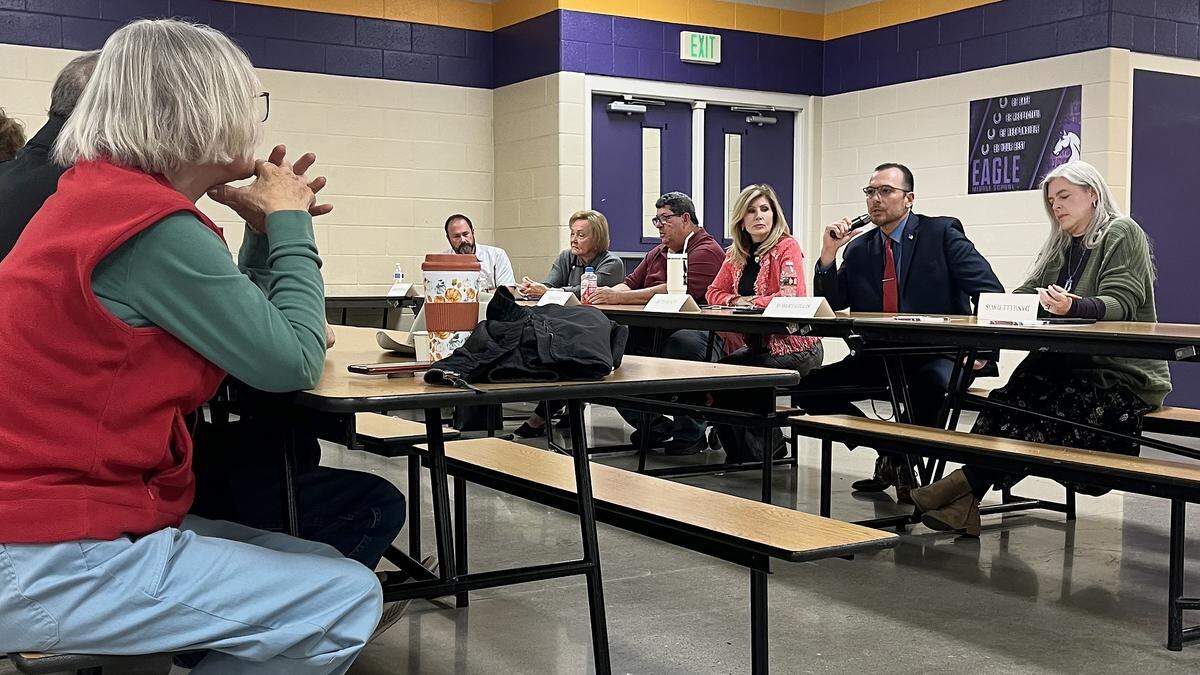
In Eagle, seven candidates vied for two at-large seats in a race that hinged on diverging visions for the rapidly growing city on issues like development, city spending, and what government transparency should look like. The results suggested that voters had an appetite for both new and old faces to lead their city for the next four years.
With all precincts reporting, the two candidates on top were former Mayor Nancy Merrill — who has local and state government experience dating back to the early 1990s — and Robert Gillis, a retired California law enforcement officer and crime legislation advocate who sought his first elected office.
Merrill led with 23.5% of the vote, while Gillis followed with 22.1%, results from the Ada County Election’s Office showed. Merrill did best with voters in older parts of the city along State Street and Eagle’s downtown, while Gillis led in Eagle’s northern stretches, including some areas more recently annexed into the city by Avimor and Valnova.
“I just feel very honored that the citizens would choose to allow me to come back,” said Merrill by phone Tuesday night.
The 78-year-old told the Statesman that she hopes to reprise her skills as a listener and consensus-builder to bring “civility and respect ... back into our meetings and our community.”
“That’s what I’m hoping this is a mandate for,” she said.
Trailing Gillis was Steve Bender, the 67-year-old Eagle Sewer Board director and Idaho GOP treasurer, with 18.8% of the vote. Votes also came in for Kenny Pittman, a 56-year-old marketing executive and former Eagle City Council member; Danielle Davis, a 52-year-old tax accountant; Beth Haney, a 60-year-old nurse practitioner and former mayor of Yorba Linda, California; and Tom Letz, a 61-year-old courier.

The two seats were open after incumbents Helen Russell and Melissa Gindlesperger opted not to run for reelection. It is unclear why. Neither responded to email inquiries from the Idaho Statesman about their decision, and Mayor Brad Pike said by phone that he did not know.
“Sometimes people, they do their time, and then they move on to other things,” said Pike. “These are personal decisions that each individual has to make.”
Russell and Gindlesperger have sometimes butted heads with Pike over decisions such as whom to appoint to the Eagle library board after two members were removed last fall. In a June City Council meeting, Russell criticized the mayor and two fellow council members for communications surrounding a shooting range she implied may have violated Idaho’s open-meeting laws, BoiseDev earlier reported.
But Pike told the Statesman that he wasn’t seeking a “yes person” in Tuesday’s election. Instead, he hopes those elected will be “willing to communicate” and explain their positions, regardless of whether others agree.
“Being argumentative is not the worst thing in the world,” he said. “What you’re doing is you’re conveying your reasons behind (decisions) ... I don’t think everybody should be rubber-stamping everything.”
Pike lauded what he said has been a “quiet” election in terms of “rhetoric” between candidates and among residents online, especially compared with his contentious mayoral race in 2023.
Meridian: 3 easy victories, and a public-safety levy prevails
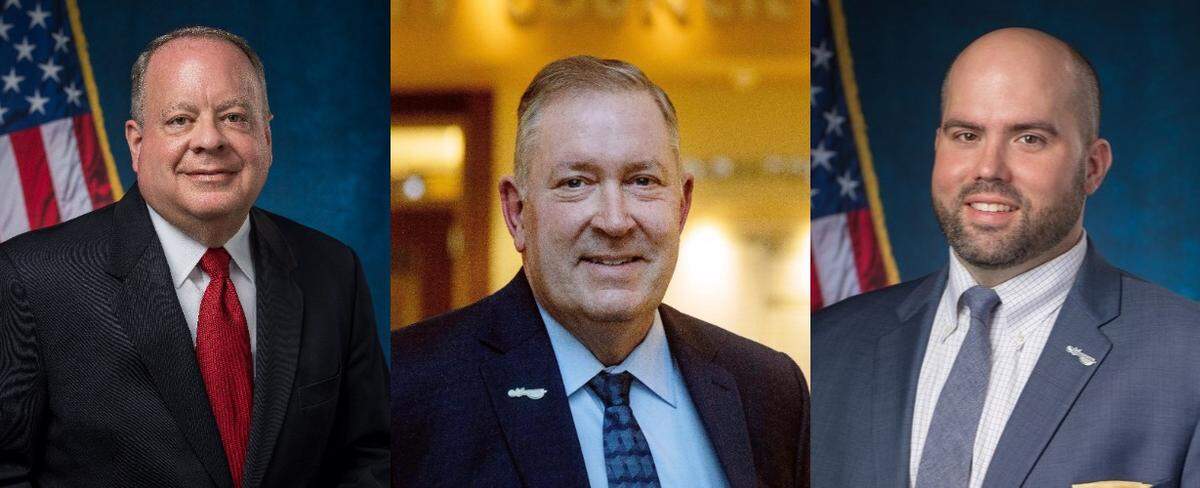
In Meridian, voters had light work after none of the three City Council incumbents on the ballot drew challengers. The incumbents, Brian Whitlock, John Overton and Luke Cavener, each had to draw at least one vote to hold onto their seats. Polls showed each with more than 1,500 votes.
The three, along with Mayor Robert Simison, say the absence of challengers could indicate that residents are pleased with their leaders.
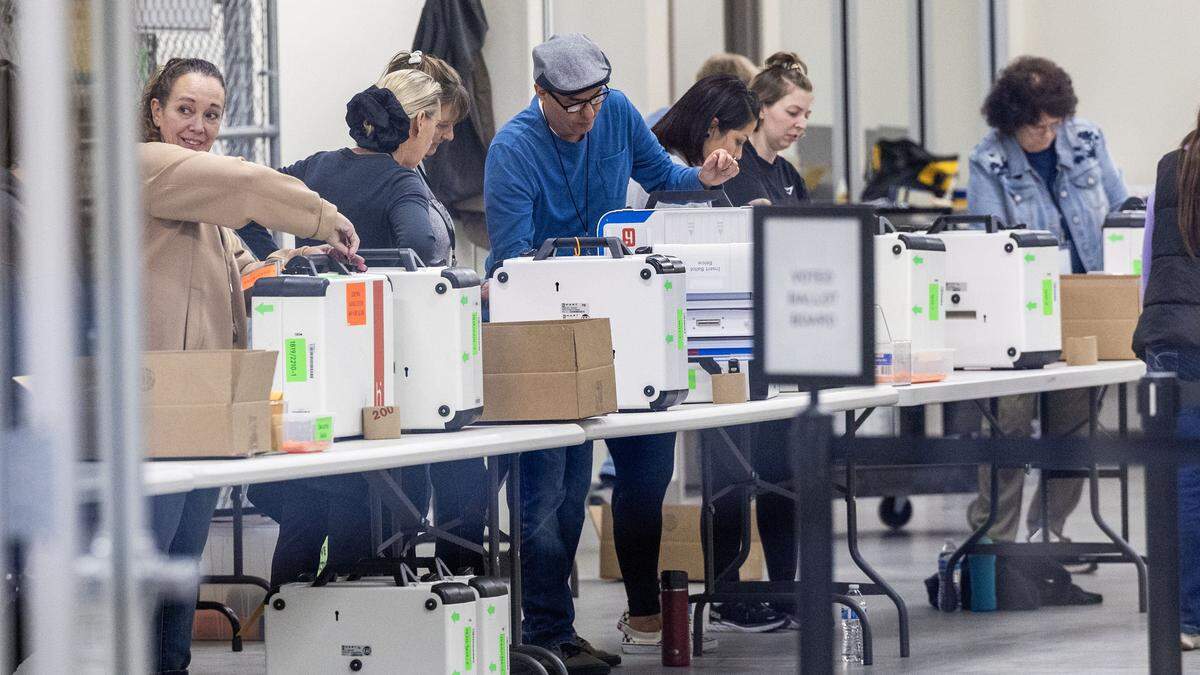
But voters still had a decision to make — namely, whether they wanted a $5 million levy that would raise property taxes to fund increased police wages and other public safety measures. Turns out, they did.
The levy passed with a clean 66% support, clearing the 60% majority it required. It’s the first time in over 20 years that the city has asked voters for a property tax levy, a city spokesperson told the Statesman.
The permanent levy is anticipated to cost taxpayers $20.11 per $100,000 of assessed property value annually, raising:
- $2.1 million to increase police officer salaries 9% across the board.
- $2.3 million to retain 13 firefighters now funded by an expiring Department of Homeland Security grant.
- $500,000 to create an in-house prosecution office, with the goal of at least five attorneys.
Star: Incumbent keeps seat, but fire levy fails again
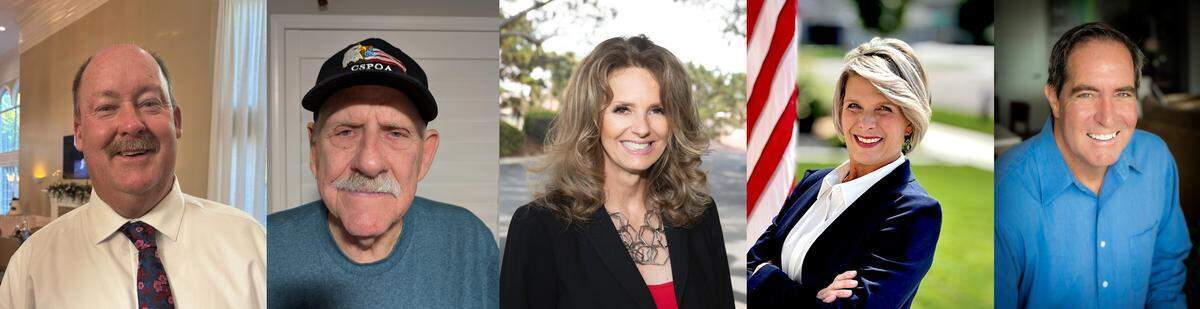
In fast-growing Star, eight candidates, including just one incumbent, faced off for two seats on the City Council.
Incumbent Kevan Wheelock, the owner of Star Crane and Rigging, held onto City Council Seat 3 for a second term against challenger Art Soukup, an Ada County GOP precinct committeeman. Polls showed Wheelock with a wide lead, racking up nearly 83% of the vote, compared with Soukup’s 17%.
Six candidates jockeyed for Seat 4, which is being vacated by incumbent David Hershey, who did not run for reelection. Results showed a thin margin of just 32 votes separating Steve Day, who garnered 30.1% of the votes cast, and Jeff Wood, who collected 29.4%.
Also on the ballot were Liz Flower, who ended up with 19.4% of the vote; Bruce Wise, with 13%; Jennifer Ragsdale, with 6%; and Spencer McDonald with 2.1%.
Voters also weighed in on a $2.2 million levy in the Star Fire Protection District, which includes parts of both Ada and Canyon counties. The levy, which needs a two-thirds majority to pass, would help fund firefighter safety equipment and staffing and operating costs. The goal, according to the ballot language, would be to help the district keep pace with “dramatic growth” in the city.
Support for the levy fell short, with 59% of the votes tallied in favor, compared with 41% opposed. A similar measure failed in May.
Star’s population today is over 22,000 — more than 10 times what it was in 2000, according to estimates from the Community Planning Association of Southwest Idaho.
This story was originally published November 4, 2025 at 8:00 PM.