These fees pay for work on growth-choked Boise-area roads. They’re going way up
AI-generated summary reviewed by our newsroom.
- ACHD votes to raise developer impact fees up to 66%, the largest hike in over a decade.
- Fee increase aims to generate $1.2 billion for roughly 300 growth-related road projects.
- Developers warn fees will raise new home prices; ACHD keeps countywide model.
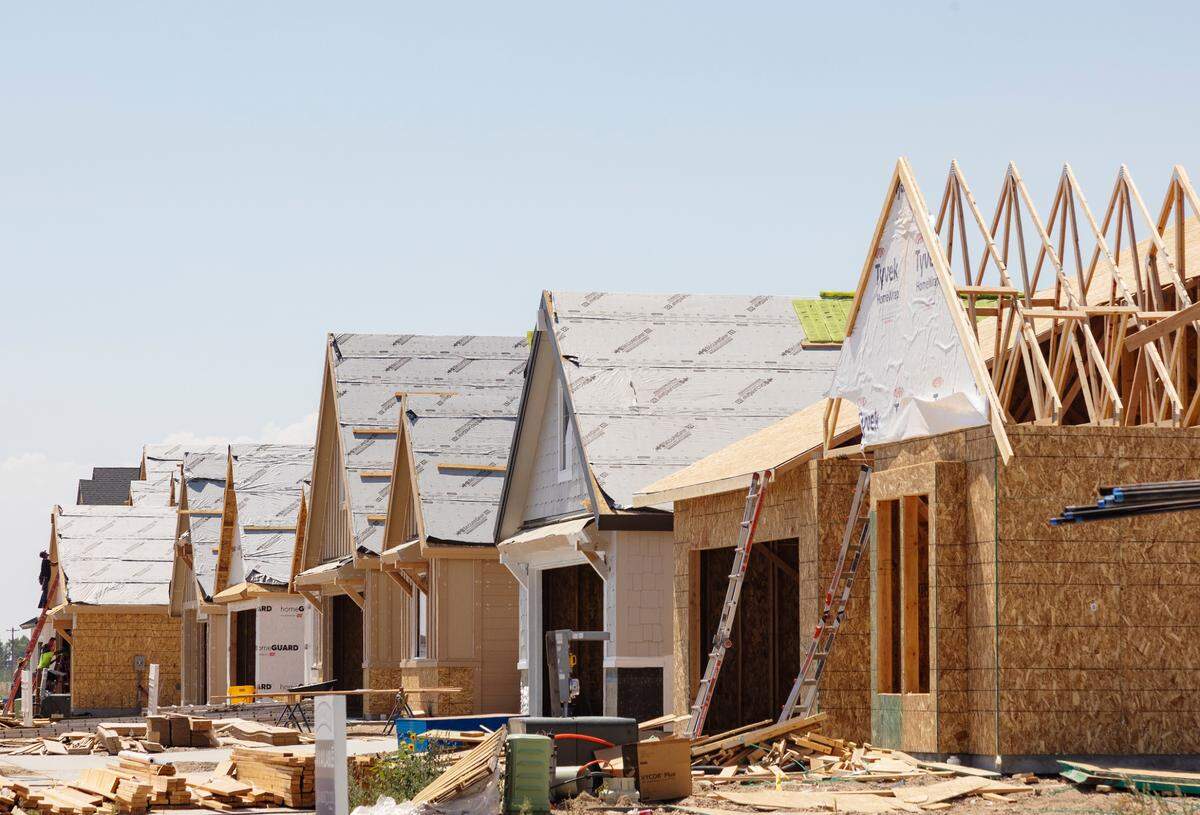
Soon, developers will have to pay more to build new homes, shopping centers and office buildings in Ada County. That is, to the Ada County Highway District.
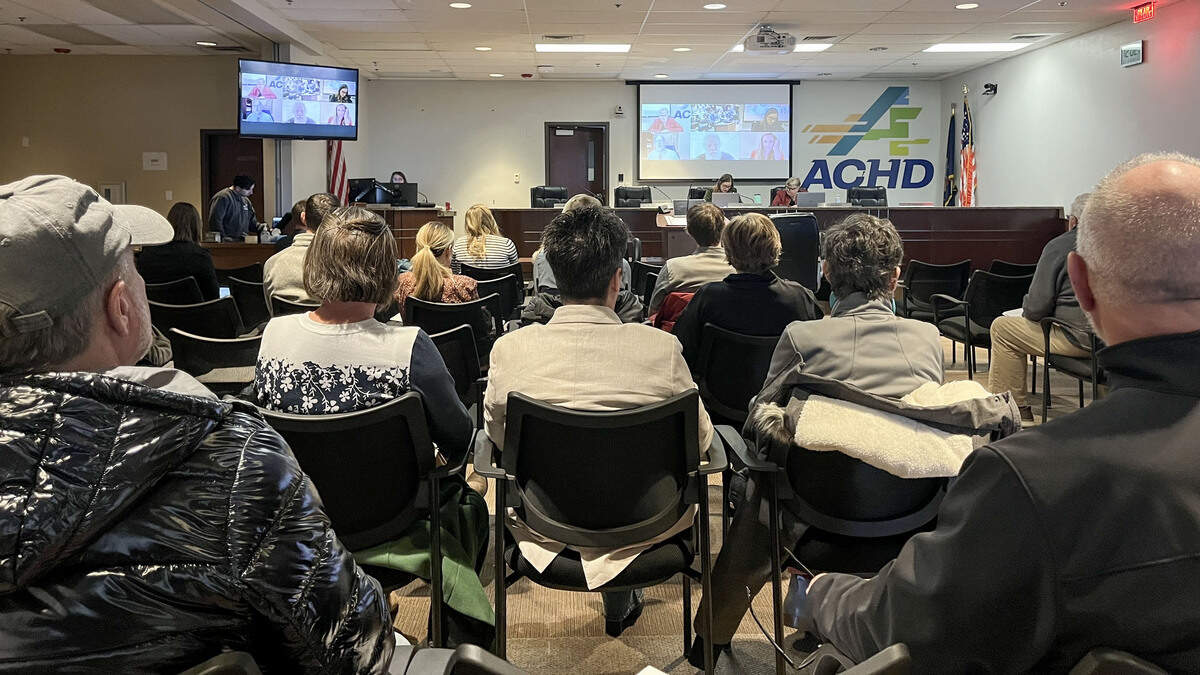
The ACHD Commission voted Wednesday to raise the fees it collects from developers to fund growth-related road projects by as much as 66% — the largest increase in over a decade.
The decision was met with staunch opposition from local developers and real estate agents who argued that the increase would force them to raise new home prices and possibly price out buyers in the Treasure Valley’s already expensive housing market.
But the upside, according to ACHD officials and at least 50 residents supportive of the fee hike? It’s expected to generate $1.2 billion toward roughly 300 anticipated road projects, and not from existing taxpayers’ wallets.
“For several years, we’ve watched prices climb faster than wages and inventory continue to lag behind demand,” said Cameron Kinzer, a representative of Boise Regional Realtors, a nearly 6,000-member trade association, at the ACHD hearing.
“In this environment, every policy decision, especially those that directly add cost to new construction, has a measurable impact on whether families can afford to live here. … Even well-intended changes can ripple through the housing market.”
On behalf of the Building Contractors Association of Southwest Idaho, Ken Burgess added, “As home builders, our members are not unilaterally opposed to impact fees.” ACHD collects the fees from developers for new construction and, by state law, can use them only on road projects, such as widening, that are necessitated by growth.
“It’s just a question of, ultimately, what is reasonable, what is fair, (and) making sure that it’s proportional to the impact of that development,” Burgess said.
The impact fees the ACHD commission voted to adopt were:
- $5,803 for single-family homes (per unit).
- $2,371 for multifamily housing (per unit).
- $7,363 for office buildings (per 1,000 square feet).
- $12,082 for shopping centers (per 1,000 square feet).
That’ll kick fees for single-family homes up by $2,300 over the roughly $3,500 they’ve been for the past five years.
“There haven’t been any significant changes in our impact fees since 2012, but there have been dramatic changes in property costs, housing costs and so on,” Commissioner Dave McKinney said at the hearing. “The reality is that, for those who want development to pay for itself … (that) is absolutely supported by an increase in the impact fees.”
“We haven’t kept up anywhere near with the cost of inflation, both in real estate and development prices themselves, as well as construction costs,” he said. “What we have done in the past hasn’t reflected the reality of what’s needed and the costs of infrastructure that are attributable to development.”
The commissioners approved the fees in a 4-1 vote with opposition from Commissioner Patricia Nilsson. The money is expected to help pay for work the highway district anticipates will be needed over the next 20 years. Those projects total $1.8 billion, including $1.2 billion of work that’s impact fee-eligible.
Nilsson, who represents Southeast and Southwest Boise in ACHD’s District 1, supported the fee ordinance but disagreed with the priority of some of the projects in the 20-year plan. In a counter-motion, Nilsson proposed that the fees be adopted but with a revised schedule that would bump up a long-awaited Lake Hazel Road extension. That motion failed.
To split or not to split? ACHD weighs new service areas
The highway district also weighed a proposal to split the county into two service areas, an east and a west, divided by Cole Road. Fees collected in one service area could only be spent on road improvements there.
Commissioner Alexis Pickering noted that in recent years she’s heard “constantly” from local officials that the county should be split up. But in the months leading up to the hearing, she said, support for two service areas waned.
Only one city official, Bre Brush of Boise, testified Wednesday in favor of the two service areas. Brush noted that road-project costs are disproportionately higher in the western part of the county, with roughly $1 billion in impact fee-eligible projects west of Cole Road, compared with $300 million to the east. If the county were split, the western area would see higher fees than the eastern, where most of Boise falls.
In public comments submitted ahead of the hearing, cities including Meridian told ACHD: Keep the countywide service area. In a letter, Meridian Mayor Robert Simison and City Council members said the countywide model gives the highway district the flexibility to “address transportation issues on a regional basis.”
“Having the ability to utilize impact fees anywhere in the county where the need exists or an opportunity is identified, is the best way to ensure our countywide system delivers the best results,” the letter said.
Developers including Burgess also voiced opposition to the two-area model Wednesday. Calling the areas “arbitrarily drawn,” Burgess said the model would “put the ACHD Commission in a position of, in some ways, picking winners and losers” based on where a new development is located.
If commissioners did want more than one service area, Burgess suggested a more “hyperlocal” approach. Why not create 10 or 12 zones, he said.
In addition to the fee increase, the commission approved the district’s 20-year long-range plan and opted to stay with one countywide service area.
This story was originally published December 4, 2025 at 4:00 AM.