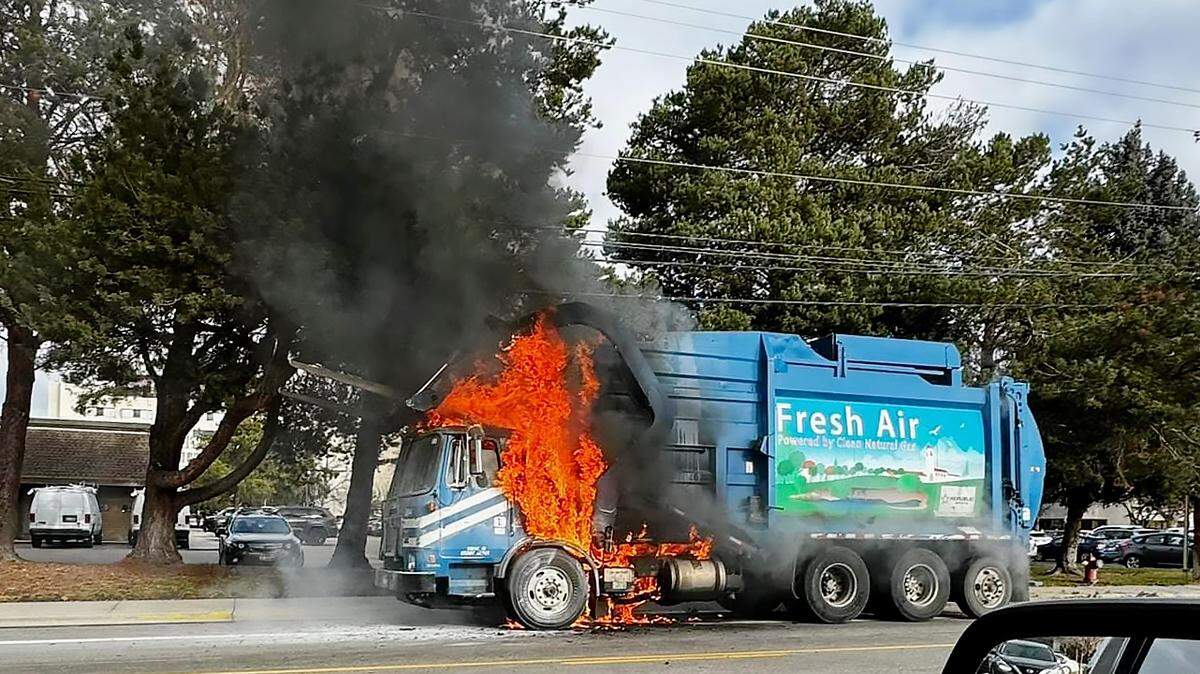
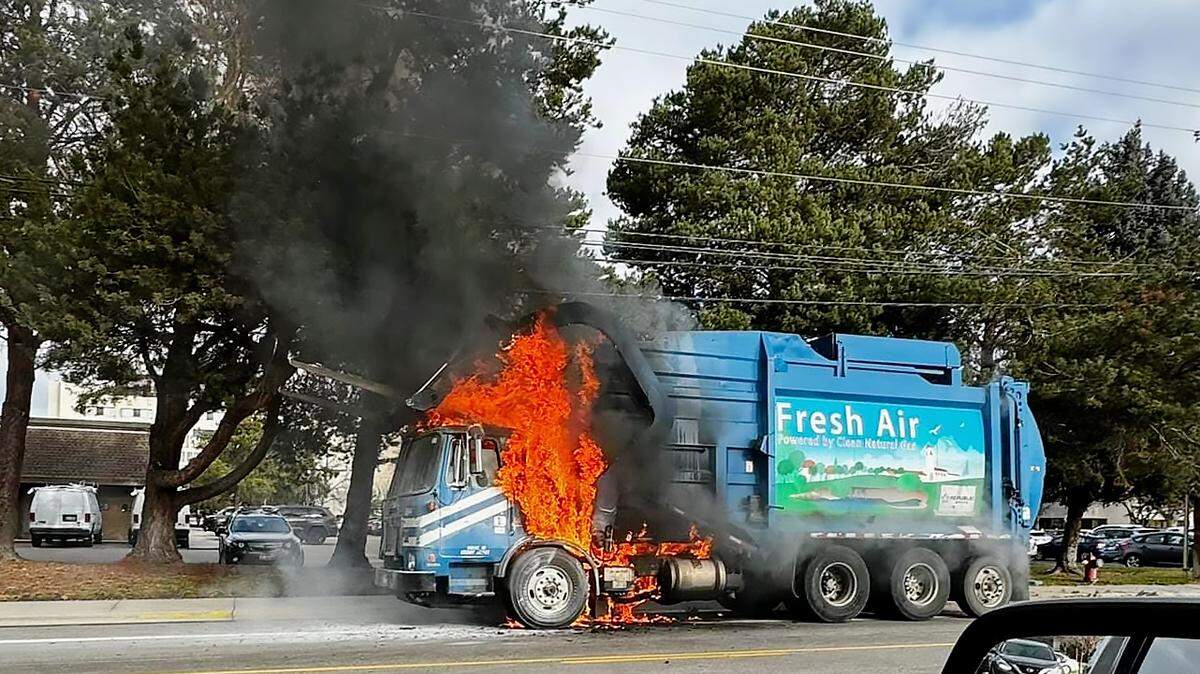
This item starts trash fires, but producers avoid responsibility. Now, Boise shop is taking action
READ MORE
Trash Troubles
Trash Troubles is a 2024 Idaho Statesman series on trash and recycling in the Treasure Valley. Inside are all nine stories in the series, plus three previous Statesman stories on the topic.
Expand All
The Treasure Valley’s recycling service has seen a steep uptick in truck fires: an increase of almost 100% every year for the last three years, said Rachele Klein, the business director for Republic Services.

The culprit is clear. Of the five truck fires the company dealt with in 2023, four were caused by lithium batteries, which can cause fires or explosions when crushed, Klein told the Idaho Statesman. The problem, she said, is that these batteries are used in a huge range of products — and many consumers don’t know how to dispose of them safely. The companies who produce them, meanwhile, largely abdicate responsibility for their disposal, leaving local governments to cover the cost of fire damage or training for trash collectors.
“Everything we do now is pretty much powered by batteries … and they’re great, and we’re relying more and more on them,” Klein said. “But there’s this huge disconnect currently between buying all these products and what you do when they’re at the end of their useful life.”
Now, one local purveyor of these batteries is trying to break the cycle. At Boise’s I Get Around, which sells electric bicycles, unicycles and scooters, residents can drop off their used lithium-ion batteries for free, owners announced on Facebook in mid-September.
Owner Ben Bernquist then ships the batteries to Redwood Materials, a Nevada-based battery recycling company that extracts 95% of the used batteries’ materials and sends them to battery manufacturers, like Panasonic, to reuse in new batteries. The company partners with car manufacturers, like Volkswagen and Audi, to offer battery dropoff sites.
Bernquist had seen firsthand the “huge waste market” for cheap scooters that his customers bought online. When customers brought these items in to be repaired, they found out that the producers didn’t sell the component parts — because the scooters were designed to be replaced, not repaired. Over time, batteries from discarded products like these began to pile up at his shop, and he began researching other options.
I Get Around is the first battery recycling dropoff site in the Boise area and only the second in Idaho, said Sonja Koch, a public affairs manager for Redwood Materials. Her company receives and processes more than 40,000 metric tons of lithium-ion batteries each year, she told the Statesman in an email.
“The vast majority of lithium-ion batteries recycled in North America come through our doors,” she wrote.
Given I Get Around’s focus on e-bikes, e-scooters and other battery-powered products, Bernquist felt he had a responsibility to help keep potentially dangerous batteries out of the trash.
It’s an ethos that has gained traction in recent years, nationwide and internationally, among battery producers. The Boston-based Product Stewardship Institute advocates for “extended producer responsibility,” the idea that the producers of potentially dangerous products have an obligation to ensure those items’ safety through their “entire life cycle” — during sale, in use, and during disposal.
EPR laws have taken hold in the EU and several states, including Washington and California. The laws vary but generally require battery producers to financially support recycling programs and safety training for trash collectors, Mabin said. Washington’s law, enacted in 2023 and set to take effect in 2027, was the first to include e-mobility device batteries, according to the Product Stewardship Institute.
The idea of extended producer responsibility took hold in Europe and Canada about 25 years ago, and the institute’s founder brought it to the U.S. with a focus on paint, Megan Mabin, a policy and program manager at the institute, told the Statesman by phone.
In more recent years, there’s been a “desire to move toward a circular economy, and extended producer responsibility really fits into that,” Mabin said. “There is a big industry movement … with producers, with recyclers, with government, trying to find ways that resource recovery and materials management is sustainable.”
Ada County residents can dispose of used lithium-ion batteries at the Ada County Landfill’s hazardous waste site or drop their batteries off to be recycled at I Get Around at 609 N. Orchard St.
This story was originally published October 2, 2024 at 4:00 AM.