Is wildfire smoke harming Idaho’s potatoes? Boise State, U of I research aims to find out
READ MORE
Idaho’s Changing Climate
Idaho is changing around us through drought, wildfires, record-breaking weather and more. Join us as Idaho Statesman reporters investigate the impact of climate change on our beautiful state.
Expand All
Idaho has become synonymous with potatoes. The state boasts a potato museum, potato-shaped Airbnb and, of course, its “Famous Potatoes” license plates.
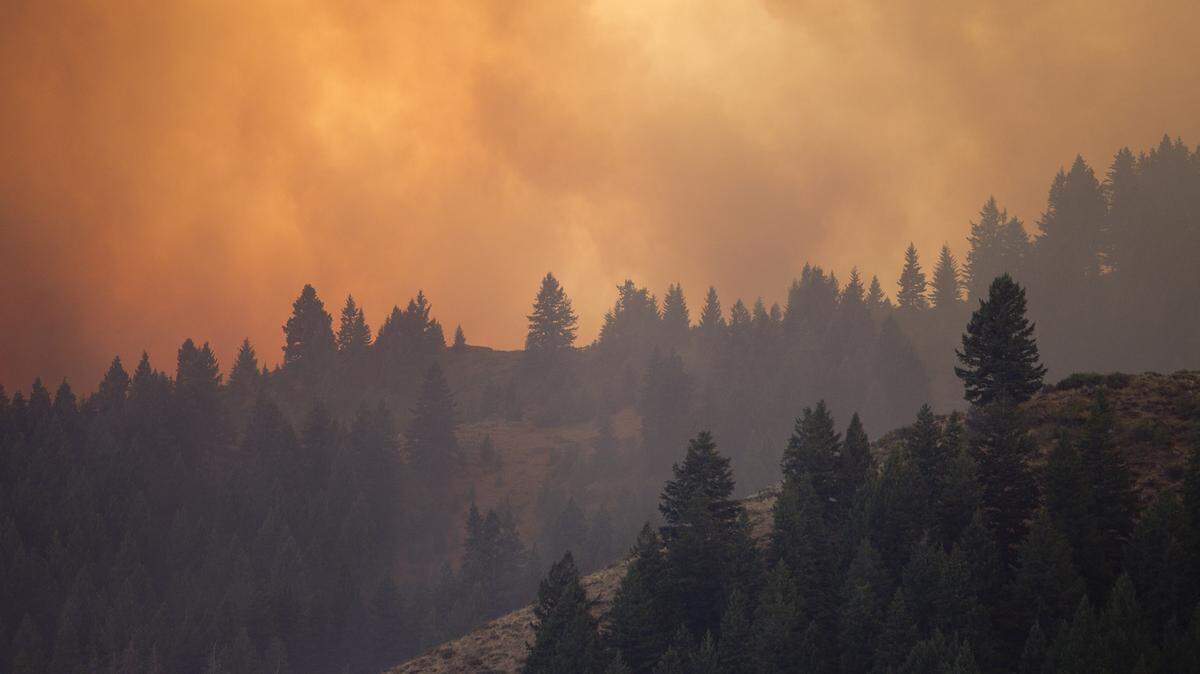
But the state vegetable — yes, it’s an official thing — is facing a new threat from another ubiquitous Idaho phenomenon: wildfire smoke.
In 2018 and 2019, potato farmers began noticing issues with their crops as wildfire smoke from around the region blanketed Idaho, Mike Thornton told the Idaho Statesman in a phone interview. Thornton is a professor of plant sciences at the University of Idaho, and together with Boise State University chemistry professor Owen McDougal, he’s trying to determine exactly how smoke is impacting potatoes and what that could mean for Idaho.
Smoked potatoes
McDougal said the research team heard about the problems from Addie Waxman, an agronomy manager at McCain Foods. When Waxman was talking to farmers, they told her they’d had poorer yields than expected or noticed their potatoes were more susceptible to rot and mold while they were being stored — issues that correlated with smokier years.
Though potatoes grow underground, existing research has established that they’re susceptible to airborne pollutants. For instance, ozone, which is created through chemical reactions with emissions from mainly industrial sources, is known to damage potato plants’ leaves. But no research has looked at how wildfire smoke pollutants impact potato crops.
“(Fuels burned in wildfires) produce natural compounds that are in that smoke that the potato plants are exposed to,” Thornton told the Statesman. “We have no idea if any of those will have an effect on the potatoes.”
To replicate a smoky Idaho summer, the researchers planted three varieties of potatoes at University of Idaho’s Parma Research and Extension Center: Russet Burbanks, which comprise about half of Idaho’s potato crop acreage; Clearwater Russets, a new variety growing in popularity due to its heat resistance; and Alturas Russets, which mature much later than the other varieties.
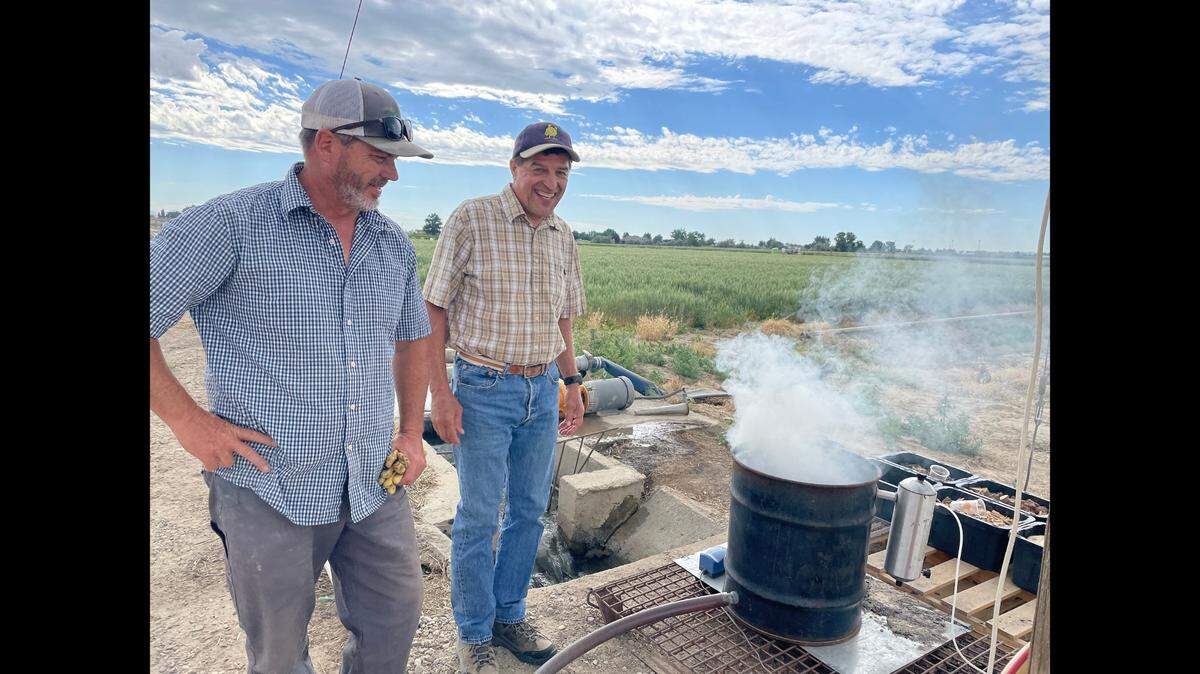
Starting in mid-July, the potato plots were covered with plastic each morning, and the team piped in smoke from burning pine needles, sagebrush and wood — common fuels in Western wildfires. Other plots of potatoes were left alone to serve as a control.
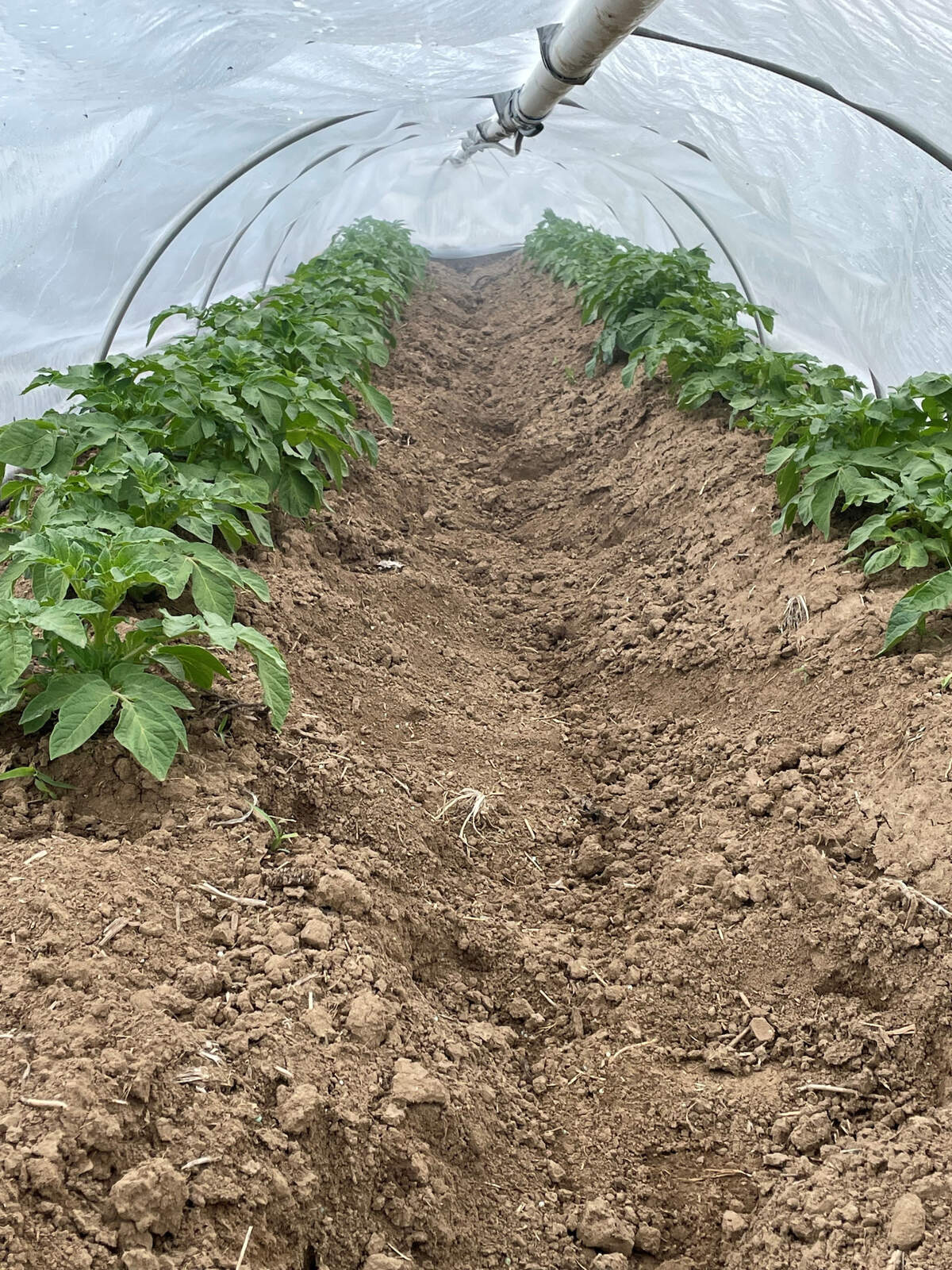
“If you think of what smoke does, it basically contributes a greenhouse effect,” McDougal said. “The cloud keeps the heat in. Some plants thrive in that elevated heat environment. We can determine which plants do better in smoke-dense growing conditions.”
After six weeks, the smoke exposure stopped. The team will harvest the potatoes next week.
“The anticipation builds up whenever you do a study like this that you’ve never done before,” Thornton said. “We still don’t know what to expect. We didn’t see any visible signs on the plants that they’ve been exposed to the smoke, (other than) maybe yellowing of leaves.”
Once the spuds have been harvested, chemical testing begins at the Boise State Food and Dairy Innovation Center, which McDougal oversees. Potatoes will be tested immediately after harvest, after six months in storage and after they’ve been processed into frozen French fries.
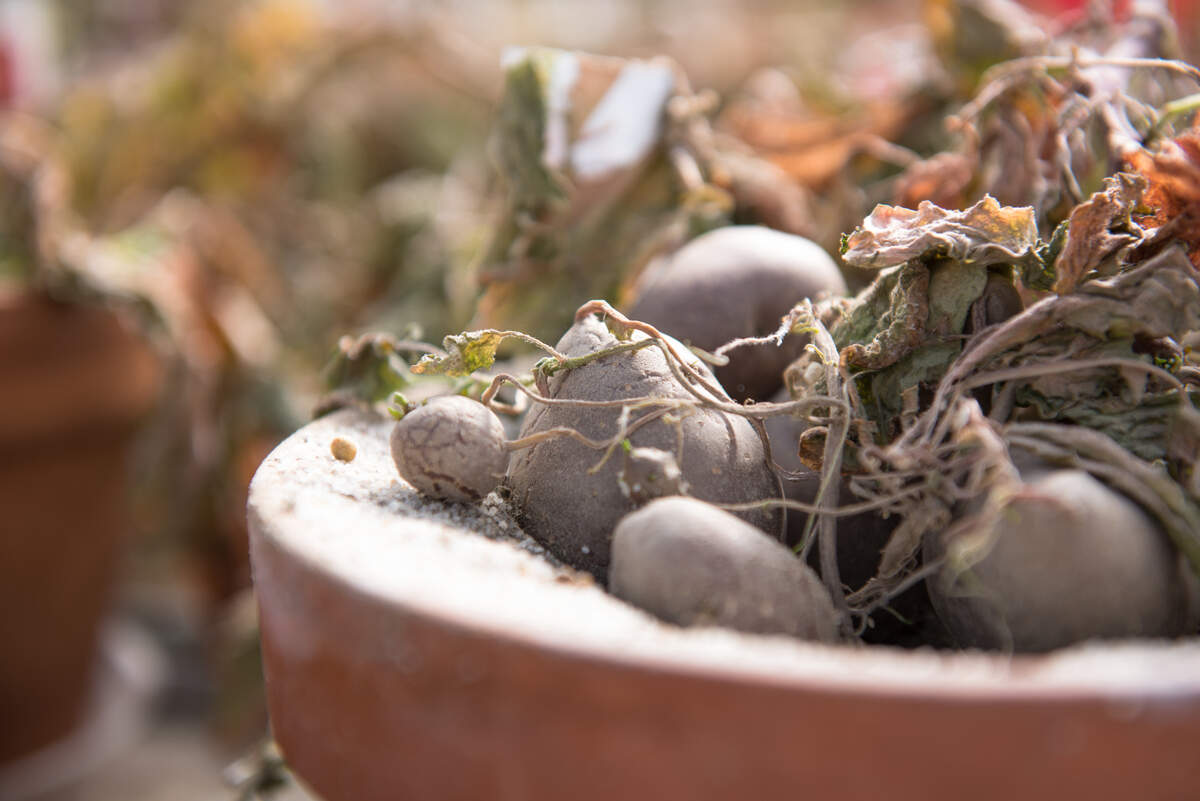
McDougal will be looking at the chemical composition of the crops to see how it’s impacted by smoke. For instance, he said, smoke-exposed potatoes may contain more acrylamide, a carcinogenic compound that’s present in potatoes and increases with exposure to heat. Smoke exposure could also impact potatoes’ starch and sugar makeup, changing how the crops taste, look and behave when cooked.
Could smoke have economic impacts?
The research team will take its findings from this year’s experiment to conduct another, more fine-tuned experiment on smoke exposure next summer. McDougal and Thornton said they hope the results will give farmers some answers about how they can mitigate impacts on their crops, potentially by planting different cultivars or adjusting how they store harvested potatoes.
“We’ve seen that we’re in an environment where we tend to have more smoky summers and more intense smoke,” Thornton said. “If it’s really impacting the produce we grow, it would be a way to manage environmental risk to have varieties that are more resistant. If it looks like it’s going to be a hot, dry summer, farmers can grow more acreage of a variety that won’t be affected as much.”
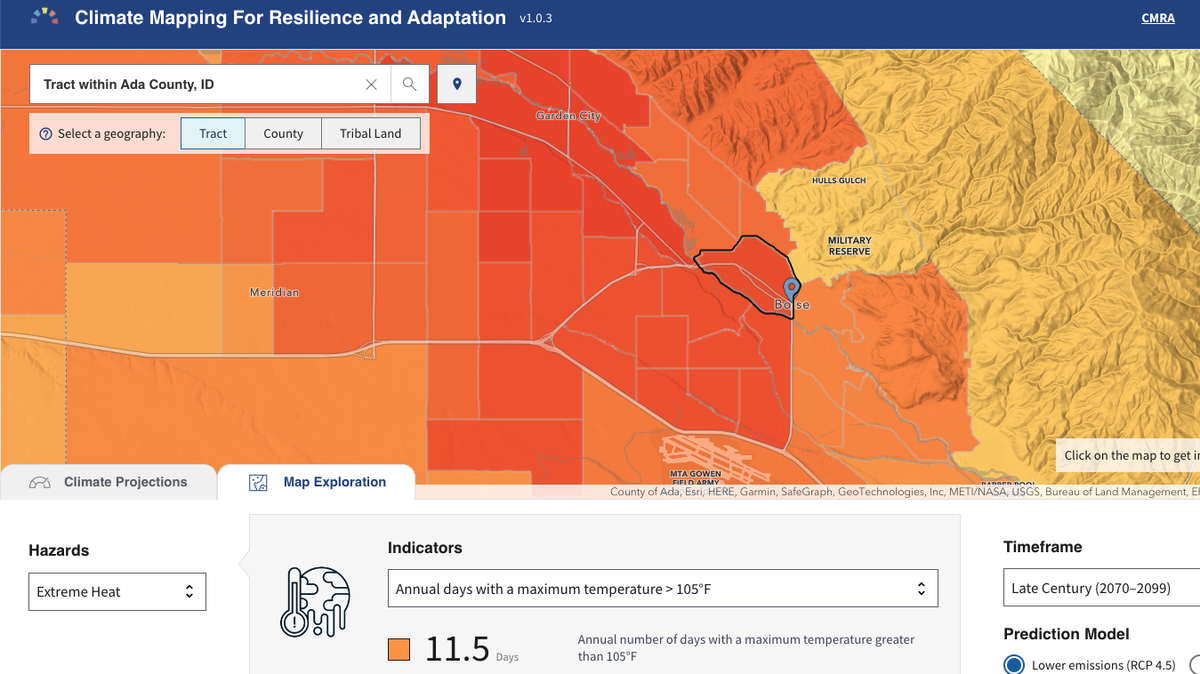
The research is especially important as projections show Idaho growing hotter in the coming years, the researchers added. Projections from a recently unveiled White House tool showed that within 20 years, the Boise area could see an extra 1.5 days per year above 100 degrees, up to 16 total days, and an extra half-day per year above 105 degrees, up to three days.
“What we’re seeing is as the climate changes, there are more forest and rangeland fires, and the impact of smoke is more deleterious to food production,” McDougal told the Statesman. “Similar studies being done on grapes and wine production, with cows and dairy production.”
McDougal said the team hopes to research smoke impacts on other commodity crops, too.
“There is a significant impact to the vitality of the food produced in the United States on account of the smoke that’s being generated through wildfires,” he said.
The research also includes an economic component. Idaho is the country’s top potato grower, and agriculture is the state’s largest industry. In 2020, Idaho’s potato yield sold for $911.5 million, according U.S. Department of Agriculture data — more than a quarter of the state’s total cash receipts from crops, data from the University of Arkansas shows.
“The industry really needs to be thinking about how much climate change is going to impact their business,” Thornton said. “In 2021, yields were way off of projections because of the hot summer. It forces you as a businessperson to say, ‘OK, if this is going to be more normal, do I need to start looking at how I irrigate the crop, what varieties I grow, how I store the crop?’”
Thornton said the group will present preliminary results from the study at the Idaho Potato Conference in Pocatello in January.
This story was originally published September 16, 2022 at 1:55 PM.