Wildfire smoke has dissipated in Boise, but more is likely. It’s ‘become the norm’
READ MORE
Idaho’s Changing Climate
Idaho is changing around us through drought, wildfires, record-breaking weather and more. Join us as Idaho Statesman reporters investigate the impact of climate change on our beautiful state.
Expand All
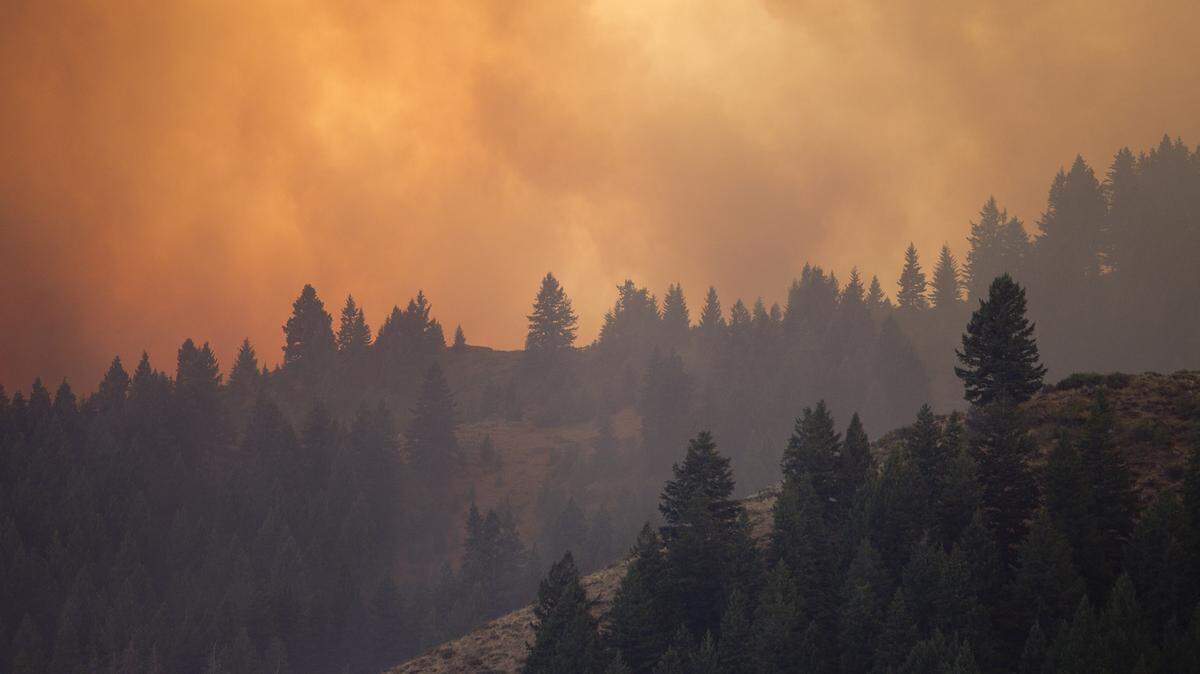
Most years, Boise residents begin to brace for the smoggy skies of wildfires as soon as summer arrives. But despite record high temperatures this summer, skies remained blue — at least until early September, when an extended heatwave, thunderstorms and wind kicked up fires across Idaho and the Northwest, funneling smoke into the Treasure Valley.
“Over the past decade, wildfire smoke impacts have become the norm,” said Michael Toole, Boise airshed coordinator for the Idaho Department of Environmental Quality, in a phone interview. “It’s something we expect each summer with a clenched jaw, holding our breath.”
While the air quality in Boise this year has been an improvement over years past, an Idaho Statesman analysis of data from the last decade shows that in the past couple years, the number of good air quality days slightly dropped, while the number of days in the sensitive and unhealthy category were higher than usual.
Toole said a number of factors, like wildfire conditions and locations, weather patterns and smoke generation, influence Boise’s air quality, making it difficult to predict how increasing fires and smoke will impact Idaho.
More smoke, worse air quality
The U.S. Environmental Protection Agency measures air quality by an index, with different categories based on the concentration of pollutant particles in the air. An index of 50 or less is good air quality, followed by moderate, unhealthy for sensitive groups (such as children, the elderly and people with respiratory issues), unhealthy, very unhealthy and hazardous categories.
So far this year, Ada County has 24 days in the moderate category, according to EPA data. While some parts of North and Central Idaho have seen unhealthy air quality in recent weeks, the Treasure Valley hasn’t exceeded the moderate category, with 91% of days this year in the good air quality category.
Toole said the wildfire smoke season now extends into October, meaning more poor air quality days could be ahead. The Treasure Valley also sees moderate air days in the winter when inversions trap smog over the area.
Despite the lack of pollution this year, data showed that last year totaled only 251 good air days, the lowest number since 2017. In the same year, the number of moderate, unhealthy for sensitive groups and unhealthy air quality days increased and were the highest since 2017.
Toole said factors may be too variable to consider the shifts statistically significant, but he has noticed a slight uptick in the number of days the Treasure Valley sees in poorer air quality.
“It’s hard to kind of pinpoint and say we’re seeing a consistent increase or decrease in certain numbers,” Toole said. “I think it’s fair to say with increased potential for wildfire activity (in the future), there is increased potential for smoke.”
Indeed, an analysis published last year by NPR’s California Newsroom and Stanford University showed the number of days when Boise residents breathed smoke had increased about 60% between 2009 and 2020. The data, which was analyzed at a zip code level, showed most locations in the Treasure Valley went from having about 30 smoke days each year to about 50.
Some parts of Idaho were even worse, with the number of days in the Cascade and Kooskia areas increasing from about 60 smoke days per year to more than 70 in the same time frame.
Those numbers aren’t related to air quality, which Toole said can affect how much Idaho residents notice the smoke. The study also did not clarify where smoke is in the atmosphere on smoke days. Toole said some of the Boise area’s smoke is aloft — higher up in the atmosphere — while other smoke reaches ground level.
“(When smoke is aloft) it may look smokey but air monitors reflect a very low impact,” Toole said. “Concentrations of smoke may be very high — high enough above us that they don’t impact health at ground level.”
Wildfire-related particulates increase
In addition to tracking air quality index ratings, the EPA denotes which of six primary air pollutants was the main pollutant each day. These include less common pollutants, like carbon monoxide and lead, and more common ones like ozone and particulate matter. Particulates are measured by size, with PM10 denoting particles 10 millimeters or smaller, and PM2.5 denoting even smaller particles — 2.5 millimeters or smaller.
PM2.5 and ozone are Ada County’s top pollutants, and data shows an increase over the last decade in the number of days where PM2.5 is the main pollutant. While ozone is typically associated with emissions from industrial facilities and vehicles, PM2.5 is a main component of wildfire smoke.
A decade ago, PM2.5 was the main pollutant in Ada County’s air for 52 days. That increased to 108 days with PM2.5 as the main pollutant in 2021.
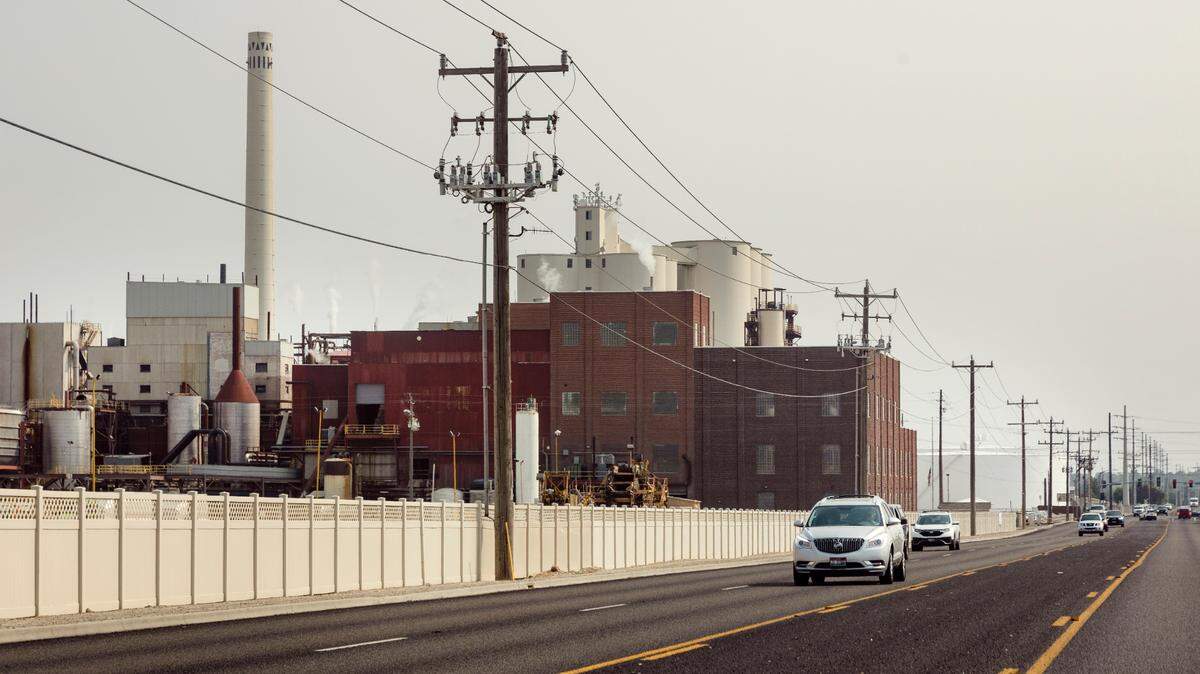
PM2.5 isn’t always associated with wildfire smoke. It can also be present in air pollution from smokestacks, construction sites and even unpaved roads, according to the EPA.
How to protect yourself from wildfire smoke
The Boise area not only sees smoke from nearby fires, it’s often a magnet for smoke from around Idaho and across the region, Toole said. The Owyhee Mountains to the southwest and the Boise Foothills to the northeast create a funnel for smoke, and the cool air from the Boise River helps smoke hang around.
“Oftentimes we become a victim of our own geography,” Toole said.
The fine particles in wildfire smoke can cause myriad health problems, according to the EPA. Boise residents are likely familiar with the coughing and difficult breathing that can occur when air quality is bad. In just a few days, smoke can also aggravate asthma, cause bronchitis or increase risk of heart attack, heart disease and stroke, the agency said. When exposure increases to multiple days or a few weeks, people start to see reduced lung function.
In 2020, Idaho health officials pointed out that exposure to wildfire smoke could make people more susceptible to bacteria and viruses, including COVID-19.
Idaho Department of Environmental Quality air quality data bureau chief Steve Miller told the Statesman that Idaho is not in violation of any EPA air quality standards despite the smoky conditions.
When air quality is unhealthy, the Department of Environmental Quality urges Idahoans to avoid exerting themselves outdoors. Wearing N95 or KN95 masks can also help filter out harmful particles in the air.
This story was originally published September 15, 2022 at 3:33 PM.