Bryan Kohberger defense looks to Daybell ruling in Idaho in push against death penalty
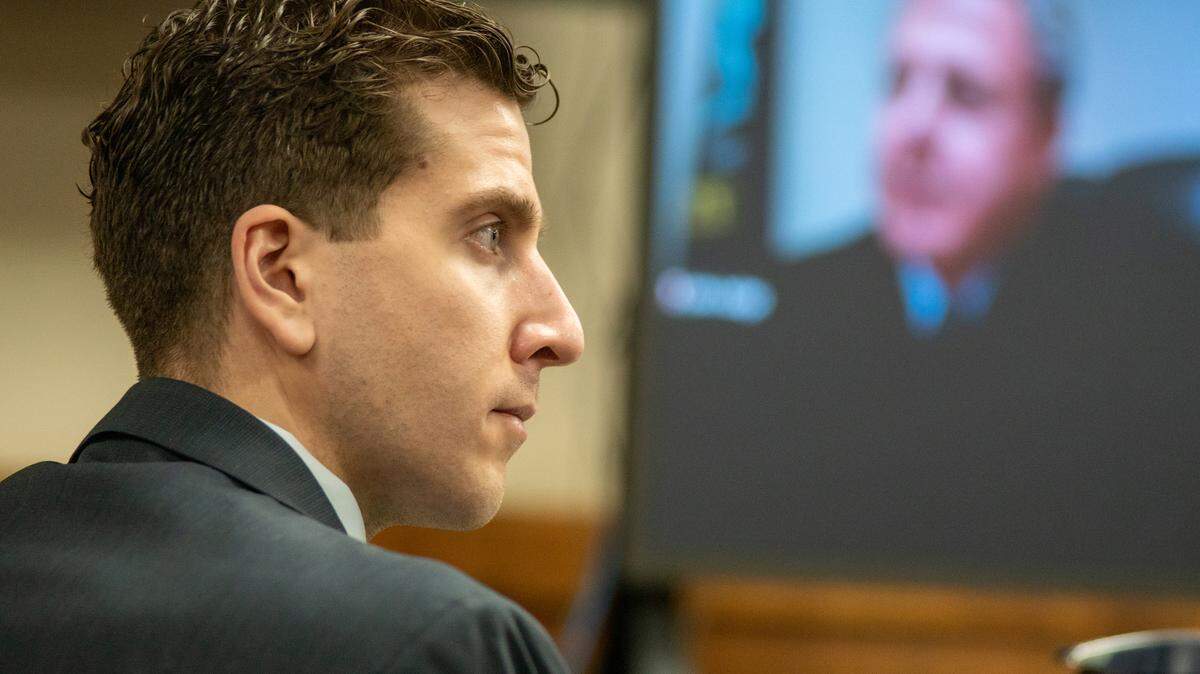
Bryan Kohberger’s defense team is employing a legal argument used successfully in another high-profile Idaho murder case in another attempt to take capital punishment off the table.
Kohberger is charged with four counts of first-degree murder, making him eligible for the death penalty if convicted, and one count of felony burglary. His attorneys filed a motion last week alleging the prosecution “shirked its responsibility” to disclose evidence on time and violated the court’s discovery deadlines. To remedy these alleged violations, the defense team requested the presiding judge remove the death penalty as an option for Kohberger.
The 30-year-old was a former criminology graduate student at Washington State University in Pullman, just nine miles from the Idaho-Washington border. He’s accused of stabbing to death four University of Idaho students in a house off of the college campus in Moscow in November 2022. The students were Madison Mogen, of Coeur d’Alene, and Kaylee Goncalves, of Rathdrum, both 21; and Xana Kernodle, of Post Falls, and Ethan Chapin, of Mount Vernon, Washington, both 20.

Kohberger is expected to stand trial this summer, and the prosecution has stated their intent to seek the death penalty if a jury finds him guilty of murder. His public defense team, led by Anne Taylor, has tried — to no avail — to remove capital punishment as a sentencing option, arguing that the death penalty is unconstitutional, breaks with evolving standards of decency and is arbitrarily applied. Fourth Judicial District Judge Steven Hippler so far hasn’t been persuaded.
This most recent motion was one of dozens of filings unsealed last week, along with another motion arguing that Kohberger’s autism diagnosis places him at an “unacceptable risk” of wrongful conviction and execution. The filings are the defense’s latest push to keep their client off of death row.
In the most recent motion, Taylor pointed to the criminal case of Lori Vallow Daybell, who was convicted of killing two of her children. In that case, 7th District Judge Steven Boyce made the unprecedented decision to curb the prosecution’s discretion to seek the death penalty against the mother.
In Idaho, juries decide whether someone should be executed. But prosecutors decide whether the jury should consider the death penalty as an option, though in rare circumstances, a judge can intervene.
Boyce, who presides over cases in eastern Idaho, did exactly that in March 2023, weeks before Vallow Daybell went to trial — when the prosecution filed thousands of documents and evidence past the court’s discovery deadline.
Boyce called the disclosure of evidence “inexcusably” late. His decision wasn’t to “penalize the state,” he said during the hearing, but to protect Vallow Daybell’s rights.
“If I were to fail to address this discovery issue, I believe this case would inevitably be reversed on appeal if there was a capital conviction,” he added.
Defense calls discovery ‘chaotic and disorganized’
Taylor described the massive amount of evidence Kohberger’s defense received through the discovery process as “chaotic and disorganized,” according to the motion.
She alleged the prosecution failed to provide the defense with detailed expert disclosures, leaving Kohberger’s attorneys unclear about what testimony the prosecution’s dozens of potential expert witnesses will provide and depriving Kohberger of the ability to conduct an independent review and investigation of the evidence.
It’s like the prosecution took tens of thousands of documents, photos and video clips and “shook them up in a snow globe,” she wrote.
“While defense counsel has made herculean efforts to review the discovery provided,” she added, “there is no possible way that all of the discovery — which is equivalent to 68,000 copies of the Encyclopedia Brittanica — can be reviewed prior to the trial date.”
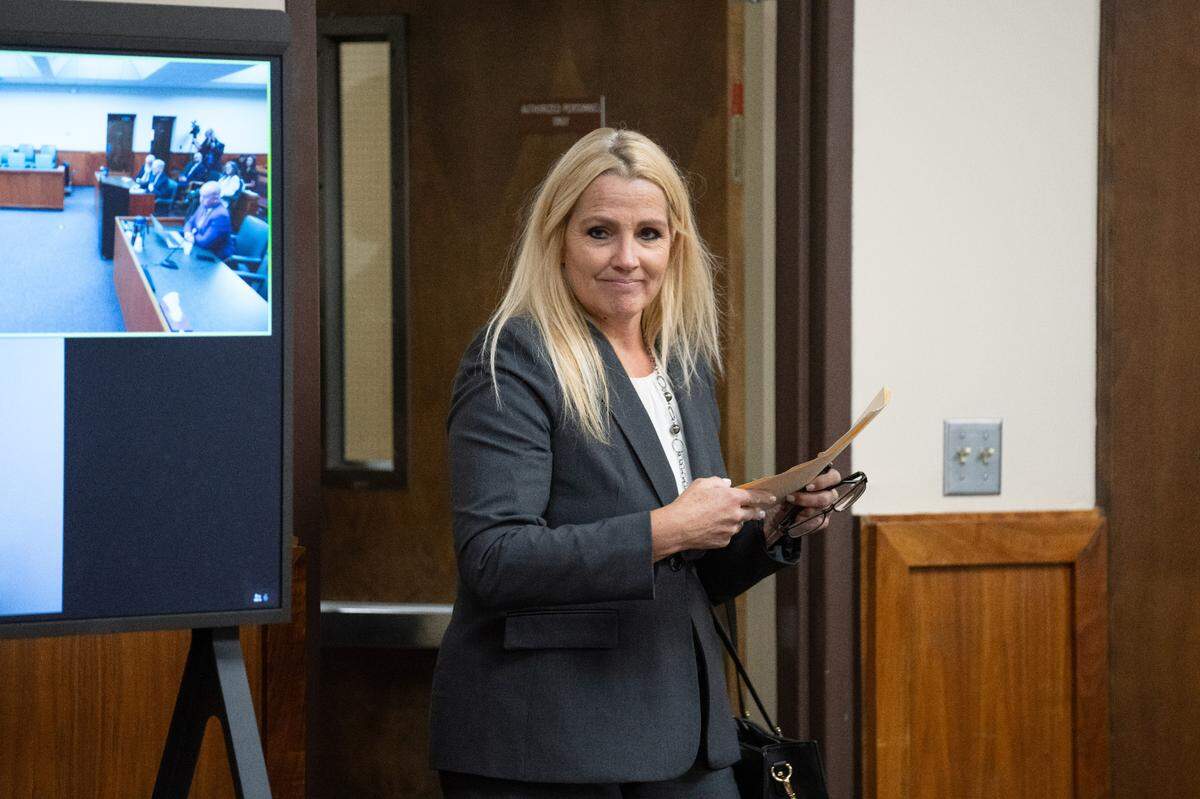
The provided discovery includes 60-plus digital devices, more than 13,000 photographs and over 23,000 video clips from businesses and residences, the motion said. Taylor said the evidence isn’t in a searchable format, and the prosecution didn’t provide detailed logs or indexes to help the defense review the information.
No matter whether the disorganized evidence or minimal expert disclosures were intentional, the “prejudice is the same,” Taylor wrote.
“Indeed, other courts have precluded the death penalty on far less, and bad faith is not the standard for applicability of sanctions,” she said.
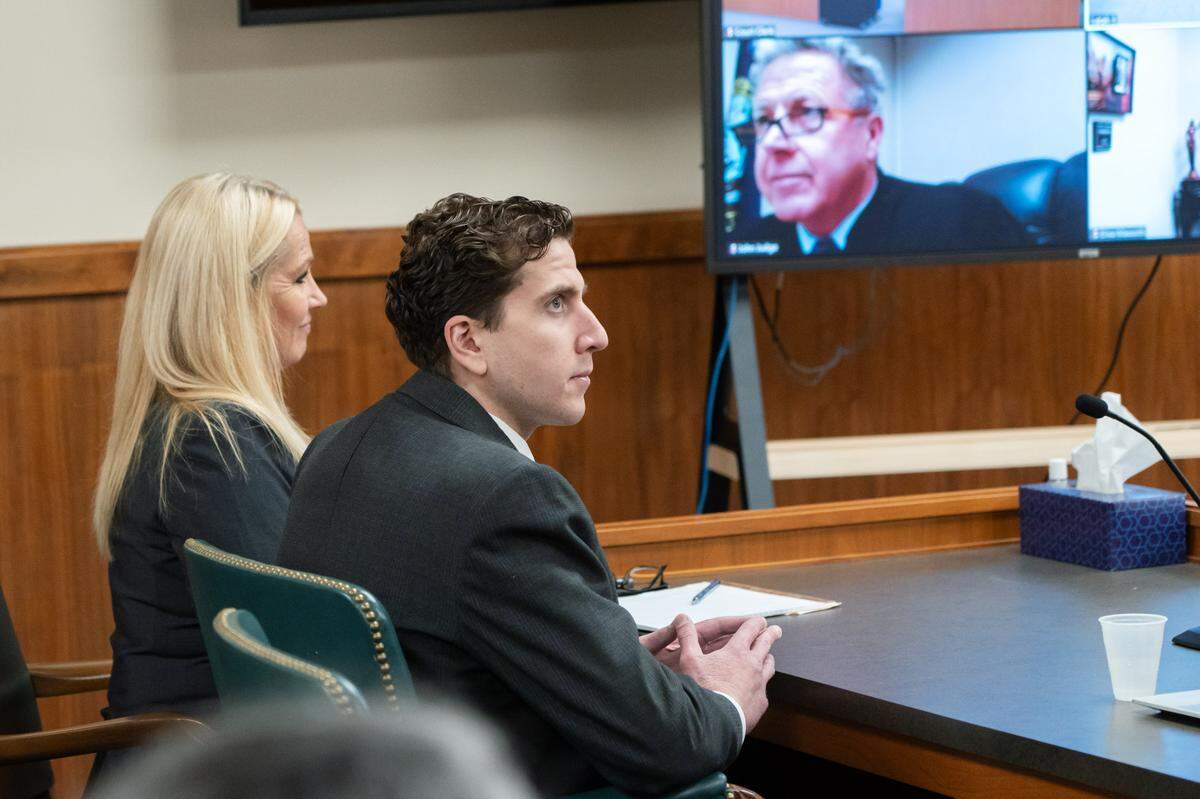
In a separate filing, the prosecution has disputed this claim.
Latah County Senior Deputy Prosecutor Ashley Jennings wrote in an objection to a motion that prosecutors provided the evidence in the same format it was given to them and that each of their expert witness disclosures informs the defense about the main opinion of the witness’s testimony.
“Any contention that the defendant has been prejudiced or does not have adequate time to respond is wholly unsupported,” Jennings wrote.
‘Kohberger situation doesn’t fit into the same box’
Despite potentially similar circumstances in Kohberger’s case, University of Idaho law professor Samuel Newton previously told the Idaho Statesman there’s a key difference in the cases.
Vallow Daybell never gave up her right to a speedy trial, which is supposed to guarantee a defendant’s trial starts six months after the arraignment. Kohberger waived his constitutionally guaranteed right in 2023 to give his attorneys more time to prepare for the complicated and expansive case.
On top of that, Kohberger’s trial is still four months away. In Vallow Daybell’s case, the evidence was submitted just weeks before her trial began.
“So the Kohberger situation doesn’t fit into the same box,” Newton said in a phone interview.
Other sanctions are also available to Hippler if he agrees with the defense about the discovery violations. Newton said most of the time, judges settle on giving the other side more time or restricting late evidence.
Those options would avoid the “extraordinary remedy to take the death penalty away from the state,” Newton added.
The court already hinted at the fact that Vallow Daybell’s case was “distinguishable,” given her unwillingness to waive her speedy trial rights, the motion said. But Taylor said they don’t have the option to push Kohberger’s trial back, since Hippler has repeatedly said the trial date is “set in stone” for July.
“Striking the death penalty is the only remedy that begins to adequately address the prejudice to Mr. Kohberger,” Taylor wrote.
This story was originally published March 15, 2025 at 4:00 AM.