‘More humane’? Idaho becomes only state to prefer firing squad to carry out death penalty
Gov. Brad Little signed a bill into law Wednesday to make Idaho the only U.S. state with a firing squad as its preferred option to end prisoners’ lives starting next year, amid lawmakers’ claims the controversial method would reduce litigation and execution delays.
Little’s action comes on the heels of the first U.S. execution by firing squad in nearly 15 years last week in South Carolina. Idaho counts nine prisoners on its death row, but hasn’t carried out the death penalty in more than a dozen years. The state failed last year in its attempt to perform a lethal injection when the execution team could not find a suitable vein for an IV on 73-year-old prisoner Thomas Creech.
Little’s online bill action tracking sheet reflected that he signed House Bill 37 Wednesday morning. More than two-thirds of the Republican-controlled Legislature supported the bill, which keeps lethal injection as the state’s backup method.
“I have long made clear my support of capital punishment,” Little said in a statement to the Idaho Statesman. “My signing of House Bill 37 is consistent with my support of the Idaho Legislature’s actions in setting the policies around methods of execution in the state of Idaho. As governor, my job is to follow the law and ensure that lawful criminal sentences are carried out as ordered by the courts.”
Two years earlier, the two-term Republican governor approved a law to add a firing squad as the state’s backup execution method, but stated his continued preference for lethal injection.
“The families of the victims deserve justice for their loved ones and the death penalty is a way to bring them peace,” Little said in a statement at the time. “I am signing House Bill 186 because I support policies that enable the state of Idaho to successfully carry out the death penalty.”
The family of Kaylee Goncalves, one of the four University of Idaho student stabbing victims, backed that bill and also issued their public support last month for the switch to a firing squad in state executions. Prosecutors in the case intend to seek the death penalty for suspect Bryan Kohberger if he is convicted on four counts of murder. Kohberger, whose trial is scheduled for this summer in Boise, is presumed innocent until proven guilty in court.
“We are not walking away from this fight. This coward will pay for what he has taken from all four families,” Tami Buttz, Goncalveses’ aunt, wrote last week in a post on a dedicated family Facebook page. “Living without them is a lifetime sentence for all of us. He deserves more! That means death penalty by firing squad! Nothing less!”
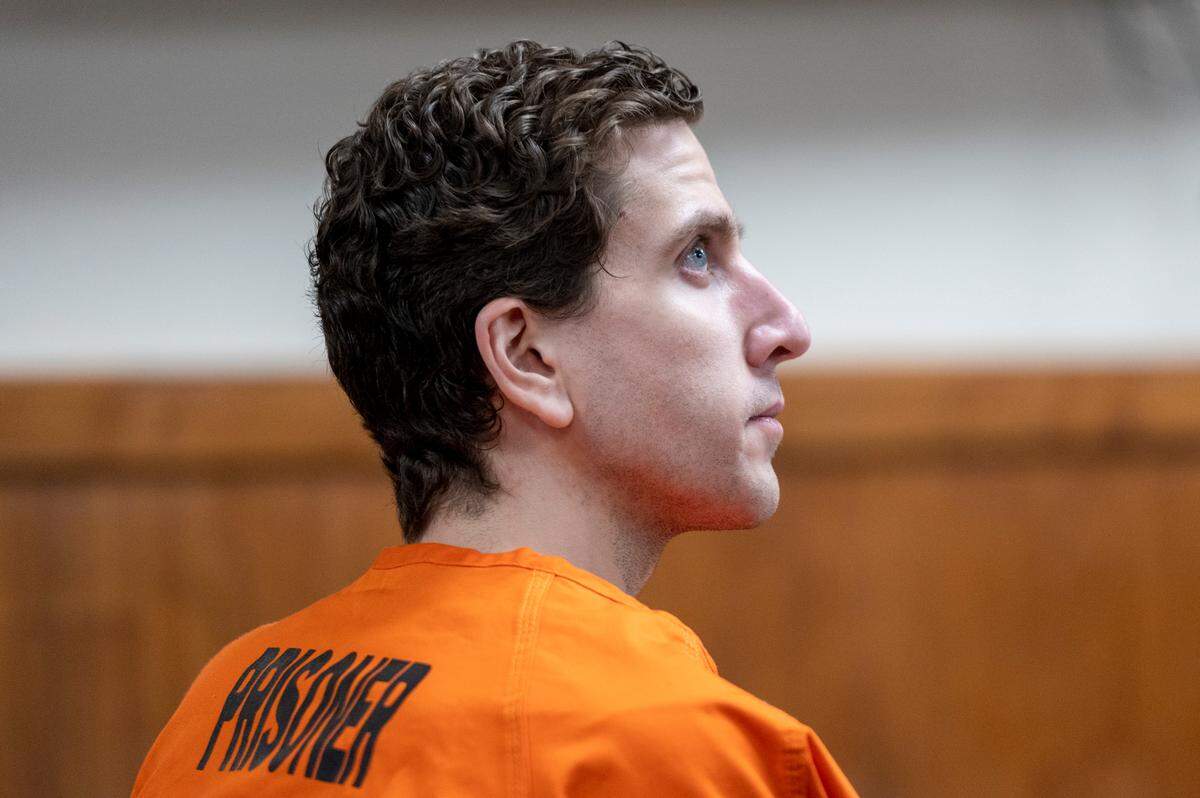
The American Civil Liberties Union of Idaho, meanwhile, condemned Little’s decision Wednesday. Besides Idaho and South Carolina, the other U.S. states with a firing squad on the books are Utah, Oklahoma and Mississippi.
“Regardless of how the state conducts executions, the ACLU of Idaho remains adamant that the death penalty violates the Eighth Amendment’s protections to all citizens against cruel and unusual punishment,” spokesperson Rebecca De León said in an emailed statement to the Statesman. “It is upsetting that Idaho’s officials continue to expand into more barbaric ways to kill a person who has already been removed from society.”
Idaho has never used a firing squad to carry out the death penalty, and the prison system’s execution chamber at the maximum security prison south of Boise has still yet to be renovated to accommodate the method. The Idaho Department of Correction ran into past issues finding a contractor willing to perform work on the project, but has since had designs produced, with cost estimates approaching $1 million.
The state has carried out three executions by lethal injection, starting with its first in 1994. Before that, Idaho hanged prisoners who were sentenced to death, having last done so in 1957, according to the Washington, D.C.-based nonprofit Death Penalty Information Center.
Last week, South Carolina executed convicted double-murderer Brad Sigmon by firing squad. At 67, he was the oldest prisoner to be put to death in that state’s history, The State newspaper in South Carolina reported.
“The shots were fired, they obliterated the target on his chest, and then the bullets spread on impact, and he was killed,” Robert Dunham, an attorney and director of the Death Penalty Police Project, told the Statesman by phone. “The general description was that it was a violent execution and he died quickly.”
‘Consequences for the reputation of the state’
The new law in Idaho will shift the state away from lethal injection as its leading execution method to a firing squad starting in July 2026. Idaho previously had a firing squad as a reserve execution method from 1982 to 2009, but it went unused and was removed from law until Little agreed to bring it back in 2023.
This year, backed by LaMont Anderson, capital litigation chief in the Idaho Attorney General’s Office, bill sponsors Rep. Bruce Skaug, R-Nampa, and Sen. Doug Ricks, R-Rexburg, told fellow lawmakers that prioritizing a firing squad would help reduce appeals from death row prisoners and speed up the execution process. They also said shooting prisoners to death is “more humane” because it is more certain and effective than lethal injection, which in recent years has seen a rise in botched attempts across the U.S., including with Creech last year.
The Idaho Prosecuting Attorneys Association took no position on the firing squad bill, and a spokesperson for the organization declined to comment to the Statesman.
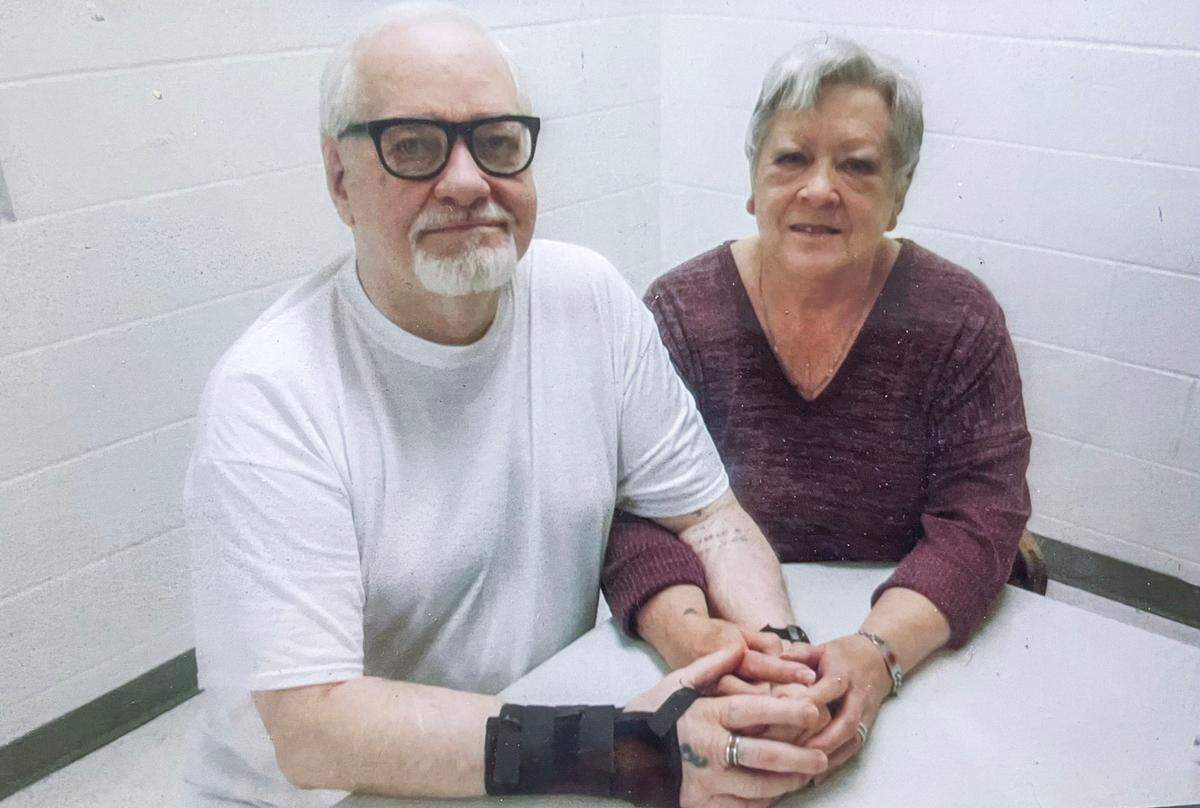
A stay of execution remains in effect for Creech, now 74, while he awaits a federal judge’s ruling on whether a second attempt to put him to death would constitute cruel and unusual punishment. Creech has been incarcerated for more than 50 years after convictions for three murders in Idaho, the majority of that time under a death sentence, which makes him the state’s longest-serving death row prisoner after decades of appeals.
The Federal Defender Services of Idaho, the legal nonprofit that represents several of Idaho’s death row prisoners, including Creech, declined to comment Wednesday on this year’s firing squad bill after Little signed it into law.
Idaho Department of Correction Director Josh Tewalt, who oversees the state’s executions, has so far declined to comment on the prison system’s transition to a firing squad as its primary option. But before a House committee in February 2022 concerning another execution-related bill, Tewalt cautioned lawmakers that assertions the method will lead to less litigation were wrong.
“Despite testimony we heard earlier, I don’t think you could expect fewer legal challenges to a firing squad,” he said. “I would suggest that viewing alternative methods of execution as an easier path — or as a path to reduce litigation, or make executions more likely — is going to have the inverse result.”
Dunham told the Statesman that there could be fewer lawsuits concerning the specific execution method with the transition from lethal injection to a firing squad. But appeals from death row prisoner won’t suddenly evaporate from the change, he said, and new legal avenues also may present themselves depending on Idaho’s firing squad procedures.
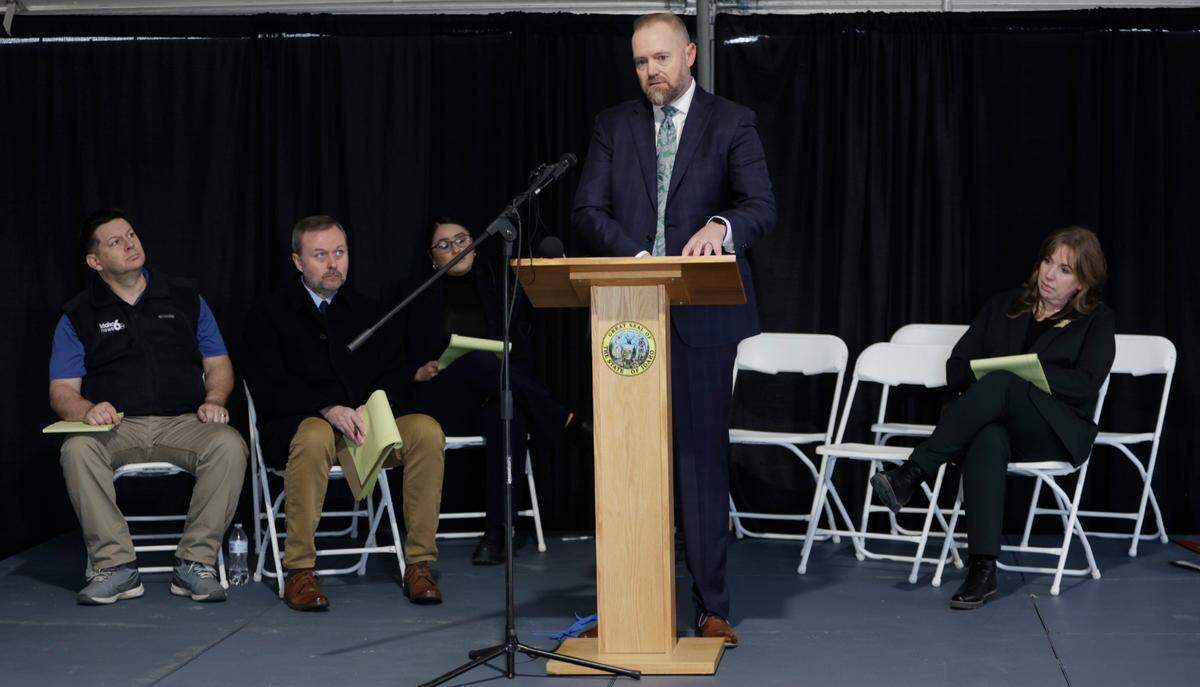
Tewalt said during his 2022 House committee testimony that, as the IDOC director, he didn’t feel the “compulsion to ask my staff” to participate in a firing squad execution. More recently, an IDOC spokesperson told the Statesman that the firing squad procedures have yet to be finalized, but state prison officials are exploring a remote-operated system as one possible option.
“Something like that would certainly lead to litigation,” Dunham said in a phone interview. “How accurate is it, and what’s the training of the people who are going to be setting it up? I don’t know if that’s done by a program, but what’s the process by which you determine where it’s firing? That will all come under scrutiny in the courts.”
Beyond legal questions, Dunham warned of other potential repercussions, including social and financial impacts, that may result from Idaho moving to firing squad executions.
“Shooting prisoners to death has consequences for the reputation of the state,” he said. “Some companies won’t want to do business in Idaho, some nations’ tourism industries will not want to send people to Idaho for recreation. That’s a cost that legislators often don’t consider, but being perceived as a Wild West state that’s engaged in frontier justice doesn’t reflect well on the bottom line.”
This story was originally published March 12, 2025 at 5:15 PM.