Tips to save on gas in Idaho. There’s more to it than ‘drive less’
Idaho drivers may notice a jump in gas prices the next time they stop to fill up.
Gas prices across the country have increased in recent days, and experts say they could keep rising as tensions with Iran escalate.
“The conflict in the Middle East has sent crude oil prices higher,” AAA said in a March 5 news release.
Here’s what’s driving the increase — and what drivers can do to save money on gas:
How much did crude oil prices rise?
Crude oil briefly surged to about $119.50 per barrel on Monday, March 9, according to the Associated Press. Business Insider reports that prices have dropped to just over $90, as of Wednesday morning.
Crude oil is the main ingredient used to make gasoline and diesel, so when oil prices rise, drivers usually feel it at the pump.
Roughly half of what you pay at the pump comes from the cost of crude oil.
The rest covers refining, transportation, marketing and taxes, according to the U.S. Energy Information Administration.
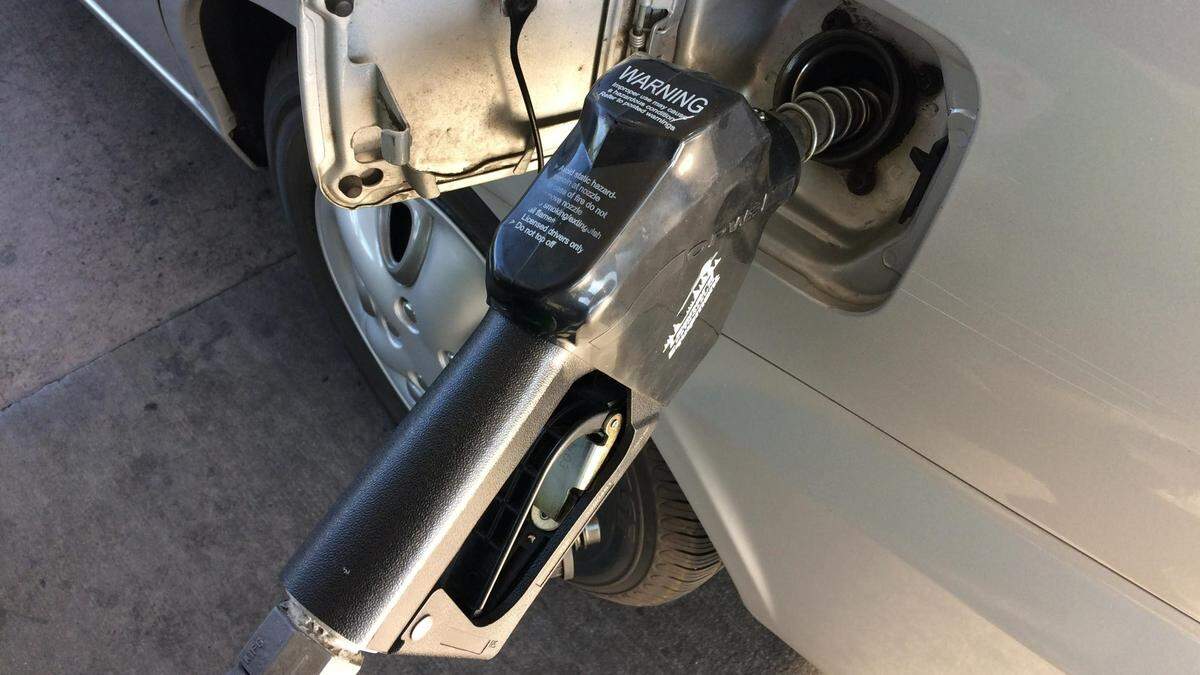
What is causing gas prices to rise in Idaho?
“Ongoing conflict in the Middle East means continued pain at the pump, both for Idaho drivers and across the country,” AAA spokesperson Matthew Conde told the Idaho Statesman via email.
Although the United States does not import oil from Iran, that conflict can still affect global supply, Conde said. Countries that rely on Iranian oil might need to buy from other sources.
“You’ve got a situation where you’ve got some real scarcity,” Conde told the Statesman. “It’s going to put strain on the system, even if it’s indirectly affecting prices here.”
That’s not the only factor driving fuel prices up in Idaho.
Idaho refineries will soon begin the annual switch to summer-blend gasoline, which is more expensive to produce.
Demand for gasoline in Idaho increases during the warmer months as travel picks up, Conde said, affecting prices further.
“People are going to want to go places and do things,” Conde told the Statesman via phone.
What are gas prices in Idaho right now?
As of Thursday, March 12, the average price for a gallon of regular unleaded gasoline in Idaho was about $3.51, AAA said, about 87 below the national average.
“We’re taking a while to catch up to what some of the other states are going through,” Conde told the Statesman. “Just because we’re not leading the pack on it doesn’t mean that we’re not headed in a tough direction as well.”
As of Thursday, gas prices in Idaho were about 32 cents higher than they were a week ago, according to AAA.
Prices at the pump have increased “an eye-watering 55 cents” compared to a month ago, Conde said.
Around this time in 2025, Idaho drivers were paying about $3.19 a gallon.
Although the U.S. Energy Information Administration had previously predicted that gas prices in 2026 would be about 6% lower than in 2025, experts say recent global events have changed that outlook.
The last time Idaho saw prices this high was in 2022.
“We haven’t seen this kind of a jump (in gas prices) this quickly since Russia invaded Ukraine,” Conde said.
Idaho reported its priciest gasoline in July 2022, when a gallon of regular gas cost $5.26 on average.
How to find the cheapest gas stations in my area
GasBuddy is a price-tracking website designed to help motorists find the cheapest gas prices in their areas.
You can search for the most affordable gas stations in your area on the GasBuddy website.
Find the best gas prices
Don’t pay extra for premium gas: Most vehicles don’t need the highest — and most expensive — grade of gasoline, the Penny Hoarder website advised. Regular grade gasoline is fine unless your vehicle’s manufacturer explicitly requires premium.
Use a gas price app: Compare prices at nearby gas stations using GasBuddy, Waze or AAA apps, USA Today suggested.
Take advantage of savings programs: Some grocery stores offer fuel rewards programs, and some credit cards offer points that can be used for fuel discounts.
Also, be aware of whether your gas station charges more or less for paying with credit cards or cash.
Warehouse clubs and independent gas stations also may have lower prices, Penny Hoarder said.
Fill up earlier in the week: “Gas prices sometimes increase later in the week as travel demand rises before the weekend, although trends can vary by region,” Penny Hoarder reported.
A GasBuddy survey found that Sundays tend to be the best days to buy gas in the United States.
Avoid highway gas stations: Gas stations along major highways often have higher prices, USA Today said.
Adopt good driving habits
Plan ahead: If you can’t cut down on vehicle trips by walking, bicycling or taking mass transit, then plan your trips more efficiently to conserve gas, AAA suggested. Combine errands into one trip, plan efficient routes and avoid high-traffic times of day if possible.
Slow down: Driving the speed limit on the highway uses less gas, AAA said. Avoid “jackrabbit” starts and hard acceleration, which greatly boost fuel consumption.
“Reducing your speed to 65 on the highway can increase fuel economy by as much as 15% to 20%,” Patrick De Haan, head of petroleum analysis at GasBuddy, told Consumer Reports.
Aggressive driving can reduce your fuel economy by up to 33% on the highway or 5% in town, the U.S. Department of Energy said.
Using cruise control on the highway will help you maintain a constant rate of speed, conserving gas, the agency said.
Avoid extended idling: You don’t need to “warm up” your engine in winter, the U.S. Energy Department said.
Shut your engine off if you’ll be idling for more than 60 seconds to save fuel. It only takes a few seconds of fuel to restart your vehicle.
Idling can use a quarter to a half-gallon of fuel per hour, the agency said.
Minimize your use of air conditioning: Although it can be difficult to beat the summer heat, keeping the air conditioning off will use less gas.
“Even at highway speeds, open windows have less effect on fuel economy than the engine power required to operate the air conditioning compressor,” AAA said.
In hot weather, park in the shade or use a windshield screen to reduce heat buildup in your vehicle and, hence, the amount of air conditioning you’ll need to cool it back down.
Keep your vehicle in shape
Keep up with routine maintenance: A smooth-running engine uses less gasoline, Penny Hoarder said. Don’t wait for the “check engine” light to check your vehicle out.
Remove bulky items from your vehicle: It takes more gasoline to accelerate a heavier vehicle, so remove any extra weight, AAA said.
This also goes for roof racks and special carriers. Even an empty bike, canoe or ski rack can produce more wind drag on the highway and increase fuel consumption.
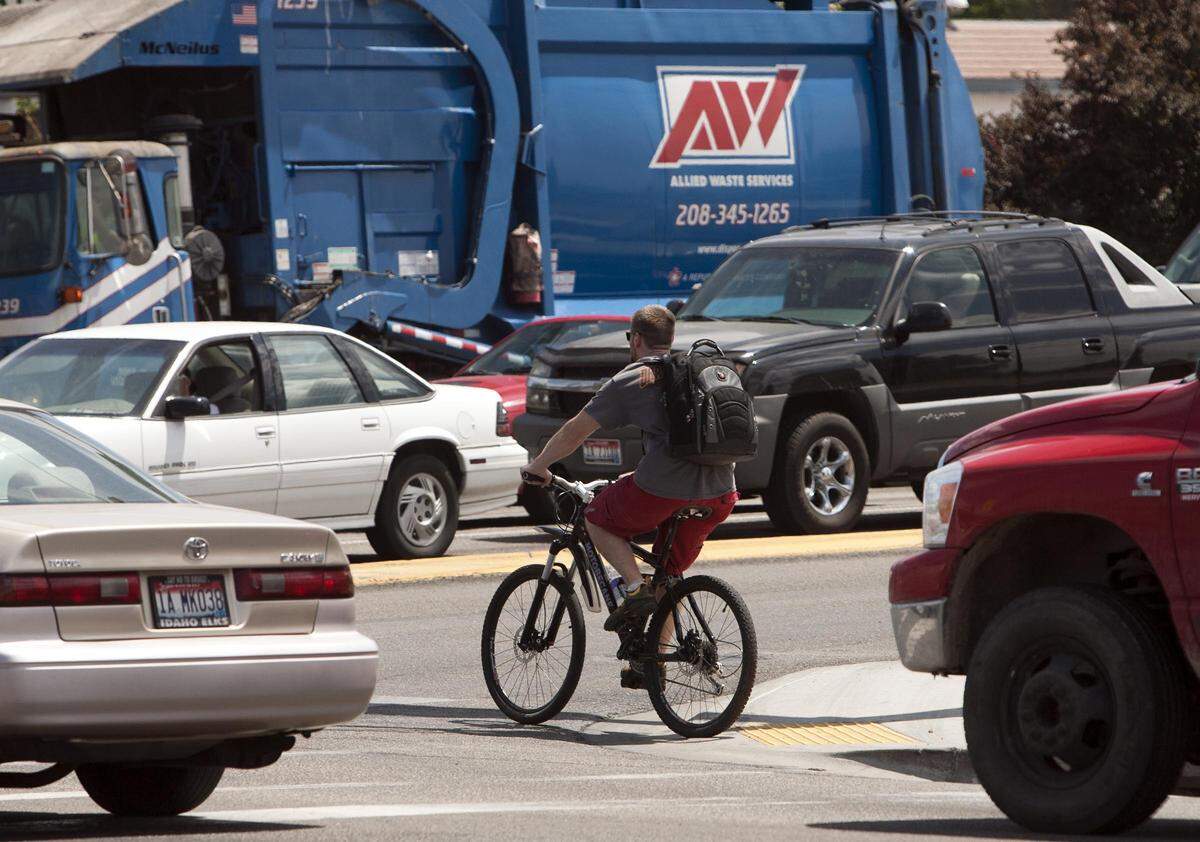
Keep your tires properly inflated: Under-inflated tires can reduce your gas mileage. Keep them pumped up to the recommended pressure, the U.S. Department of Energy said.
Besides, it’s safer and makes your tires last longer.
Use the right motor oil: Be sure you’re using the recommended grade of motor oil in your vehicle, which can help your fuel economy slightly, the agency said.
This story was originally published March 12, 2026 at 2:22 PM with the headline "Tips to save on gas in Idaho. There’s more to it than ‘drive less’."