As Boise area grapples with change, more homes get OK for busy transit corridor
AI-generated summary reviewed by our newsroom.
- Nampa approved a 1,500-home Murphy Development project despite tight council vote.
- The $36 million plan includes apartments, retail space and a central 3-acre farm.
- Nearby residents voiced traffic and farmland loss concerns amid ongoing growth.
There’s no simple solution to the problems prompted by an ever-growing Treasure Valley.
Increasing traffic, concerns over water rights or loss of agricultural land often dominate city council or planning-and-zoning commission discussions across Southwest Idaho. It was no different Monday, when the Nampa City Council grappled with and narrowly approved a nearly 1,500-home development on the northeastern edge of the city.
Nampa Mayor Debbie Kling broke a tie when the City Council voted 4-3 to approve the development from San Diego-based Murphy Development Co. The development pays tribute to the region’s farming history, though she — and other members of the council — struggled with ever-shrinking farmland.
Kling said she didn’t want to see the 78 acres of farmland at 17672 N. Can Ada Road, along the busy Ustick Road corridor, disappear or the area to keep growing. She said watching farmland be razed can put a pit in her stomach. But she said growth was inevitable, and Murphy had a right to develop the land.
“This is a good plan, it’s a good development,” Kling said. “When it’s built out, I think that we’re going to be really proud of it in our community.”
The area has long been planned for development. The site is wedged between two Nampa special planning areas and Meridian’s Fields District Plan Area, and is just over 1½ miles west of the under-construction Highway 16.
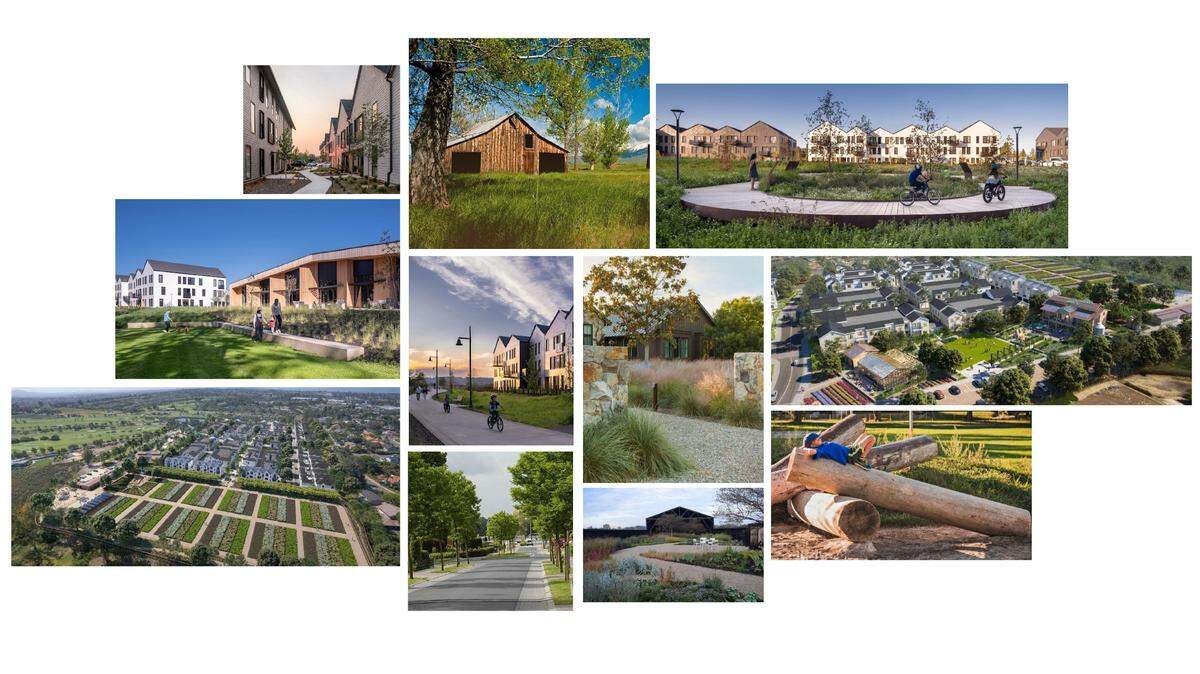
In its place on the southeast corner of the Can Ada and Ustick intersection, Murphy Development would build 32 three-story and 17 four-story apartment buildings, several clubhouses, 10,000 square feet of market and retail space, an event area and children’s play space.
The amenity areas would fill pockets of open spaces between the building clusters, according to Renée Strand, the owner, principal and managing director of Holst Architecture in Portland.
Most notably, the development would be centered around a 3-acre farm that could include U-pick flowers, seasonal crops and curated events, according to Strand. This could include pumpkins, hot cider or a Christmas tree lot, Strand said during a public hearing on the project in March.
“The heart of this neighborhood is really this 3-acre farm area,” she said at Monday’s council meeting.
The team, she said, is also trying to figure out how the farm could function in the off-season with cover crops to make it a year-round attraction.
Plans call for a perimeter walking-and-biking trail that loops into a network of pedestrian paths. It would also include a tree orchard between the Ustick and the main entrance of the subdivision.
The estimated $36 million development would likely take about 10 years to finish, according to Mike Arduino, a partner at Murphy Development.
Fears over traffic, schools, services
The plan sailed through the city’s Planning and Zoning Commission in March with glowing support and no public testimony in opposition. But the City Council struggled.
According to a March staff report, the development could add nearly 3,000 residents to the area — a behemoth amount for an area that a few decades ago was far from the heart of Nampa.
That prospect discouraged several nearby neighbors, who spoke against the plans Monday.
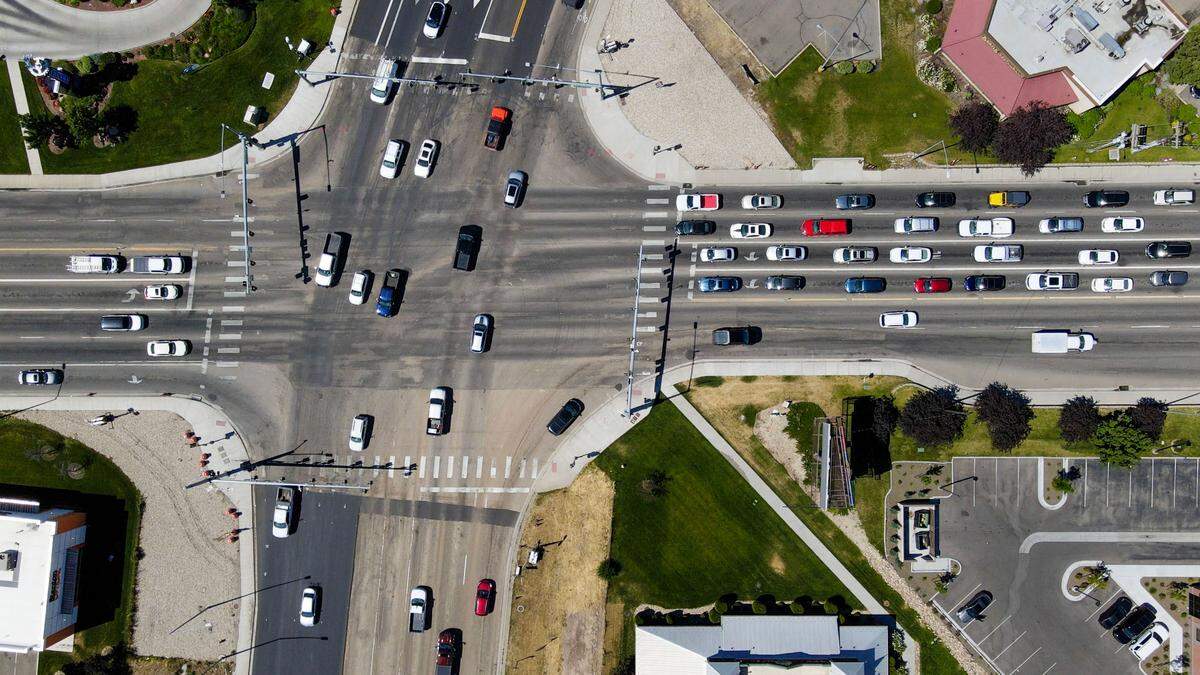
Neils Tidwell, who lives next to the development, said at least half of the property was a part of his family farm for over 80 years. Tidwell said he’s watched the landscape change, and that nothing he could say could stop it.
“This is all going to turn into residential,” he said. “Everything around us. It’s already happening, and it’s heartbreaking to me.”
Katie Hassard, a nearby resident who has lived on a farm that’s been in her family for around 50 years, said homes are filling the land around her and causing more congestion. She said though the Murphy Development project “looks beautiful” with the 3-acre farm, she couldn’t imagine the impact it would have on the area.
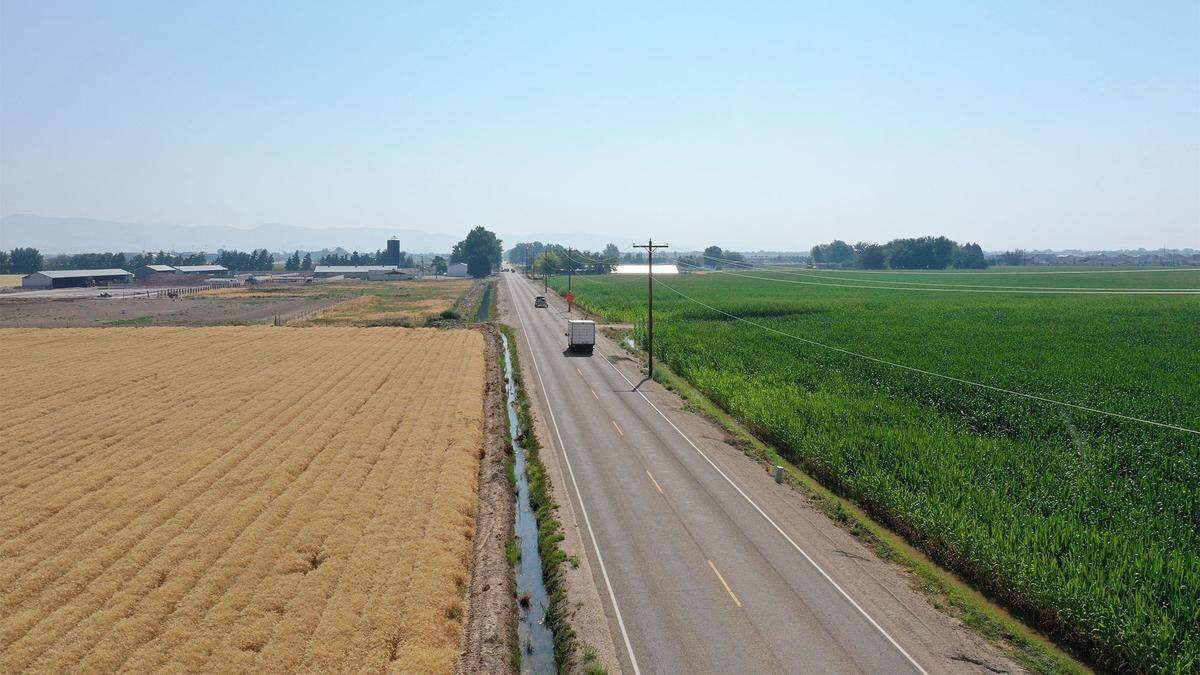
“They are paying homage to the culture of farming while wiping it out,” she said. “Please remember us — that we are also important members of a good and healthy community that started here and want to continue here.”
Kling, before her tie-breaking vote, said that the area has long been in the sights of development with Highway 16 coming through and a planned expansion of the Ustick Road corridor.
“When you punch the new road in, growth is going to come,” she said.
Most of the concerns from City Council members who voted no were in line with residents’ comments that the development was too dense and took away farmland, and that the city wasn’t ready for the growth barreling toward it.
“The analogy ‘if we’re not growing, we’re dying’ is a hard one for me to stomach,” said Council Member Sebastian Griffin, who was undecided going into the vote but ultimately voted against it. “If we’re not growing, we’re dying or we cut what we have and try to maintain for the interim until we can be better prepared for the amount of growth that we’re going to have.”
Council Member Victor Rodriguez, who voted no in part because of disappearing farmland and strained emergency services, put it bluntly: “I cannot approve this based on the density.”
Council Member Dale Reynolds, who voted yes, said that building up with higher density, rather than out, is exactly how the city could best preserve farmland. Plus, he said, the development will add to the city’s tax base, helping to provide services.
“Going four stories to me is smart, because we save our farm ground by doing that,” Reynolds said. “The people are coming here whether we want them to come here or not… This is smart growth.”