Growing Boise area could add almost 200 homes in battle over density. What about traffic?
Next time you’re driving through Boise, take a long look at some of those empty pockets of land: the dirt and sand lots downtown, the chunks of vacant or distressed properties scattered along Emerald Street, Ustick or Overland roads. They may not be long for this town as developers and the city increasingly try to cope with the region’s growth by building up and filling inwards.
Pockets of new apartments, homes and businesses are quickly filling those empty or disused lots that dot Boise. Some ideas are modest, such as building a cafe in a backyard in the North End, while others are much larger — like a plan to add 189 homes to Southeast Boise about a mile southeast of the Boise State University campus.
The Boise Planning and Zoning Commission recommended approval of a rezone for that development at 1519 S. Londoner Ave. on Jan. 13, despite pushback from nearby residents who were mostly concerned that it would change the character of the neighborhood, increase traffic and be too dense.
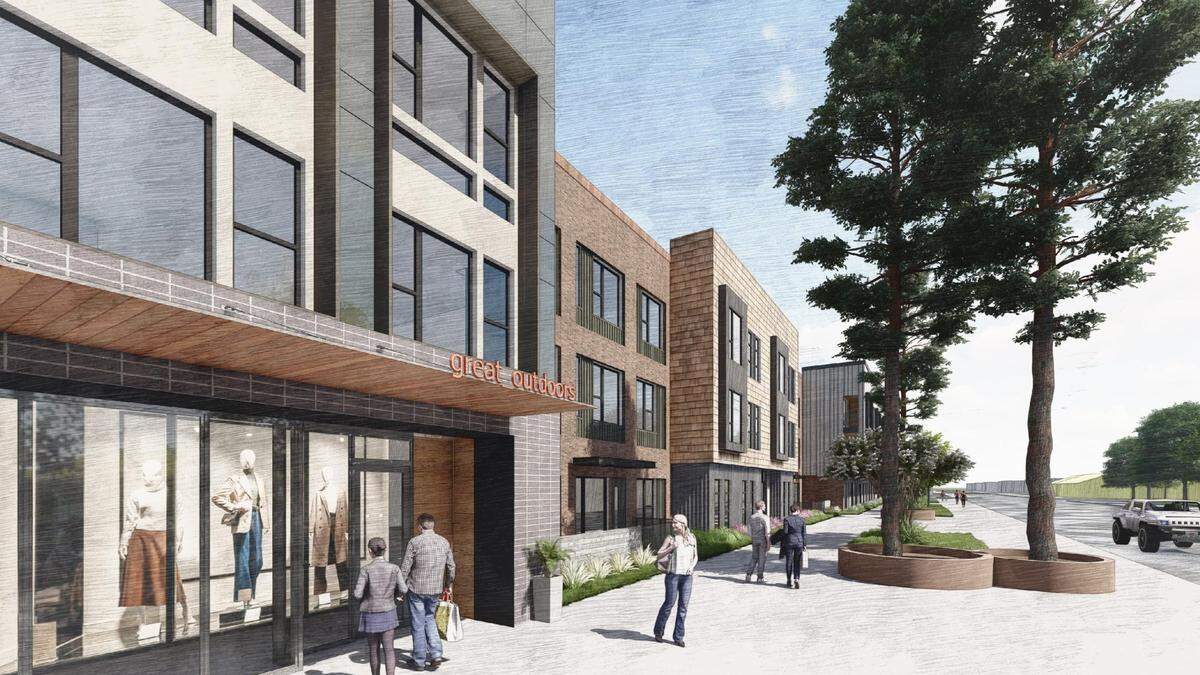
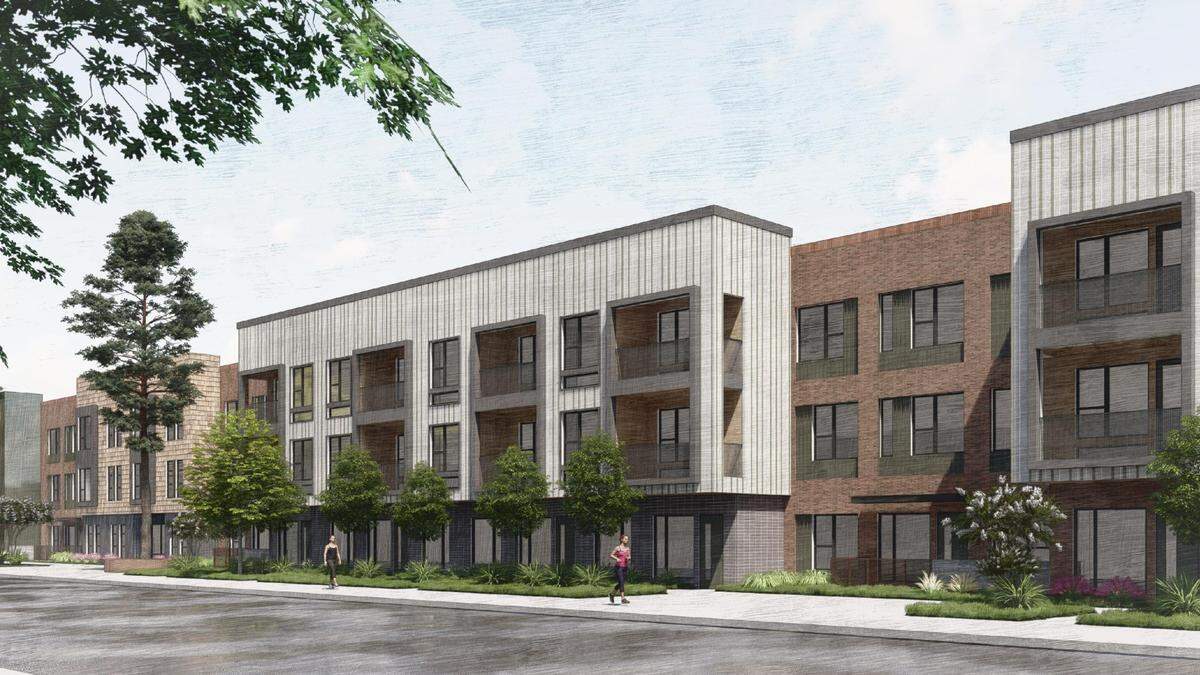
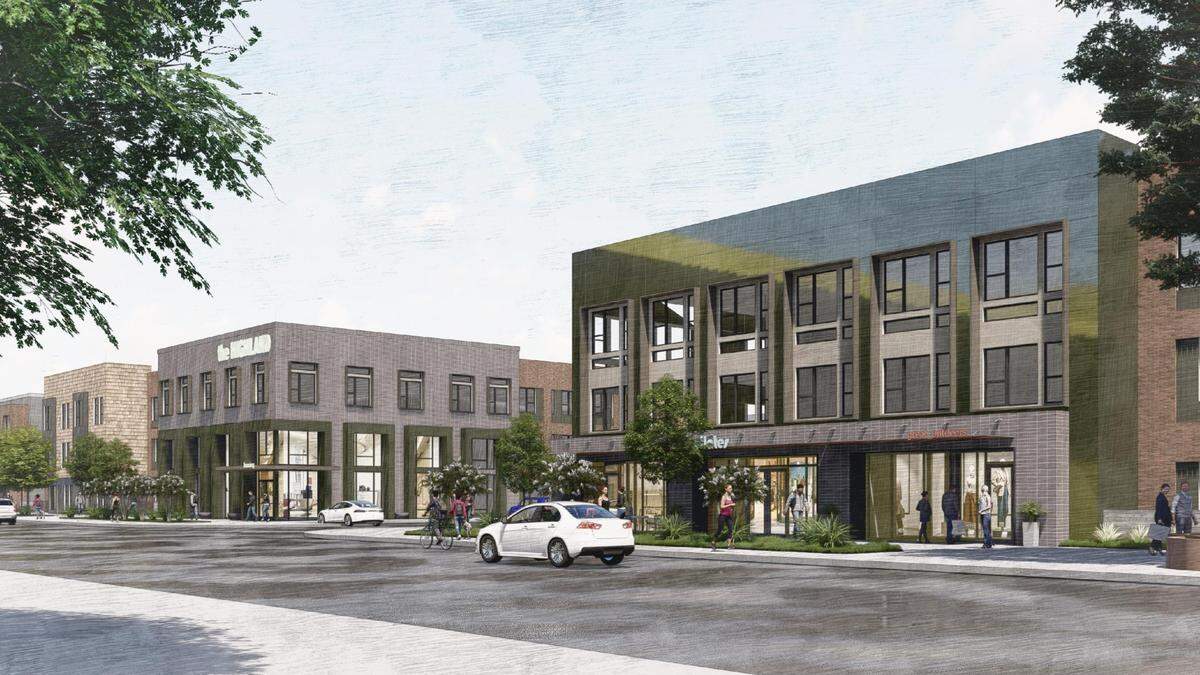
Payette Forward, the Austin, Texas, developer, plans to demolish several older commercial buildings and homes with large chunks of empty open space on the 5.7-acre site and fill it with two three-story apartment buildings and two “urban flat” buildings.
The plans for the site between Parkcenter Boulevard and Broadway Avenue also call for space for 232 parking stalls, ground-floor retail, a leasing office, amenity space, a pool and a dog park.
The buildings on the northwestern corner of the site were previously used by several businesses, including a gym, an arts center for Boise State, an auto repair shop and storage, according to a letter from Eagle engineering firm The Land Group, which is working on the development on behalf of Payette Forward.
The site is across the street from the 14-townhouse Greenheads End development on Highland Avenue that was at the center of a dispute in 2020 after developers sought to cut down a giant 70-year-old Sequoia tree.
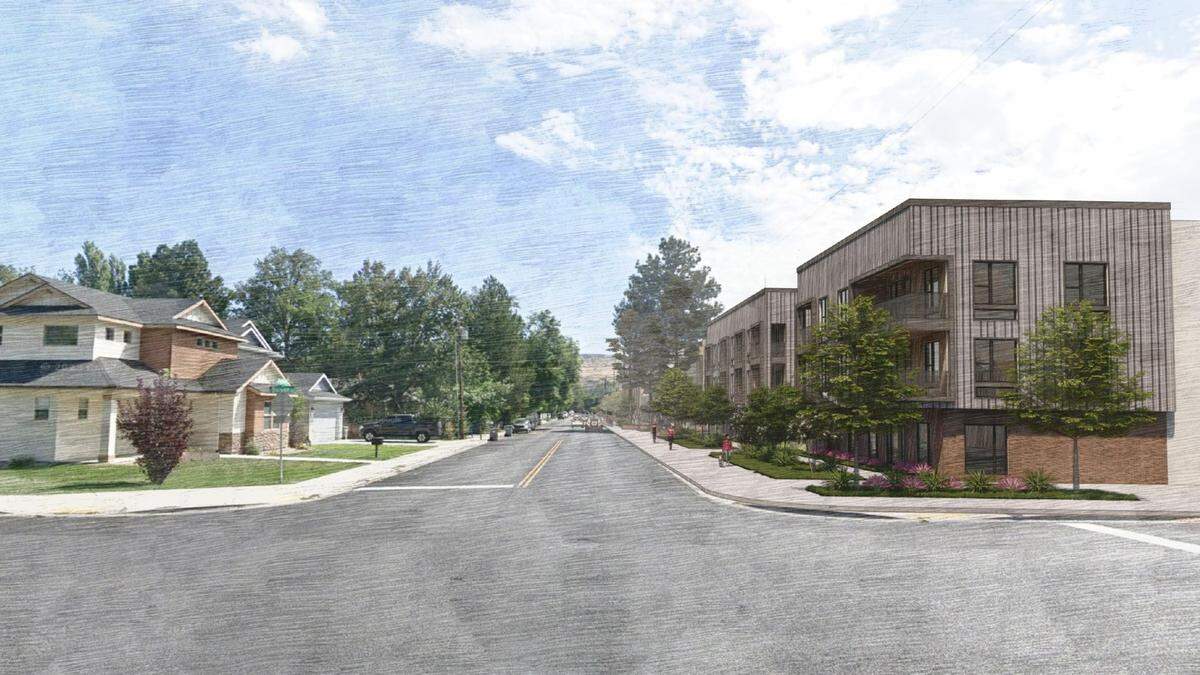
A fight over Boise density, traffic
This is not the first time Payette Forward has tried to develop the land. In 2021, the company submitted an application to build 43 single-family homes there. According to Garrett Martin, the owner of the property, the original request was consistent with the surrounding area and received a positive response from the community.
But the Planning and Zoning Commission unanimously denied the development because the designs were not dense enough. The city, Martin said, wanted the development to better bolster the city’s housing supply.
“We spent the last four plus years pursuing that goal and objective at the request of this commission,” Martin said. “We did almost exactly what was requested.”
The new plans, according to a letter from The Land Group, almost doubles the density from the first application but stays under the maximum density allowed under Boise’s previous zoning code.
But nearby neighbors object to the new density that city leaders have pushed for.
“The density is ridiculous,” said Bruce Chaffin, a neighbor, during public testimony. “The density you’re proposing, I find totally unacceptable.”
Barbara Robinson, another neighbor, said, “The new Sequoia development, which is being currently built on the corner of Highland and Londoner, has 14 two-story units, and although dense, it at least fits in with the neighborhood.”
Residents also stressed that the neighborhood traffic situation is already poor. The development would sit between Broadway Avenue and Parkcenter Boulevard, and several neighbors said that drivers commonly speed along Highland Street near children and, in some spots, that there are no sidewalks.
According to neighbor Katie Harcar, there are around 400 living units across the street from the proposed development, and the easiest way for people from them to get to Boise Avenue is by going through the middle of the neighborhood on Highland.
“This is a half-mile race track,” Harcar said.
It’s even worse, she said, when students are released from the nearby Sage International School and traffic backs up as parents pick up or drop off their children.
“What can be done with the situation that we have right now, before this complex comes in?” Harcar asked. “Can we do stop signs? Can we do speed bumps? Is there anything that we can do? We have an issue right now before we add in another 189 units for the residents to this neighborhood.”
According to Harald Duell, who is building a home nearby, Division Avenue is a neighborhood thoroughfare for walkers.
“I have seen growth mismanaged in a number of cities in my lifetime,” Duell said. “I have seen it in Frankfurt when they built the first subway in the ‘60s. I have seen it in London, where I’ve spent 10 years. I have seen it in New York.”
The proposed development, Duell said, would create the same kind of repercussions as when influential New York urban planner Robert Moses leveled entire neighborhoods to put in the Cross Bronx Expressway.
“When these streets cut through the Bronx, it brought neighborhood repercussions that we’re still talking about today and will be forever,” Duell said.
Despite the commission’s unanimous approval of the development, the members asked residents to bring their concerns to the Ada County Highway District, which is in control of the roads. The Planning and Zoning Commission, they said, is charged only to interpret whether a development fits into Boise’s code.
“I think there’s a lot of good things to like here, but change is hard,” said Commissioner Chris Danley. “I understand (people’s frustration).”
Commissioner Michelle Doane said she lives near 32nd Street, which has been like a “racetrack” all nine years she has lived there. Her neighborhood was able to improve the situation by working with the highway district, she said.
”I do encourage the community to continue being engaged in the process and the next steps,” she said. “I just encourage you to continue to talk with ACHD.”
This story was originally published January 21, 2025 at 12:53 PM.