Want an affordable apartment, 2 blocks from Capitol? Big Boise project offers hope
A plan is afoot to make a downtown Boise block the site of one of the biggest urban-renewal construction projects ever undertaken in Boise.
The goal: to create more affordable housing. But Boise officials, who are barely into the project’s discussion stage, already have doubts about how many of the possible 500 new apartments could or should actually be affordable to people earning modest wages.
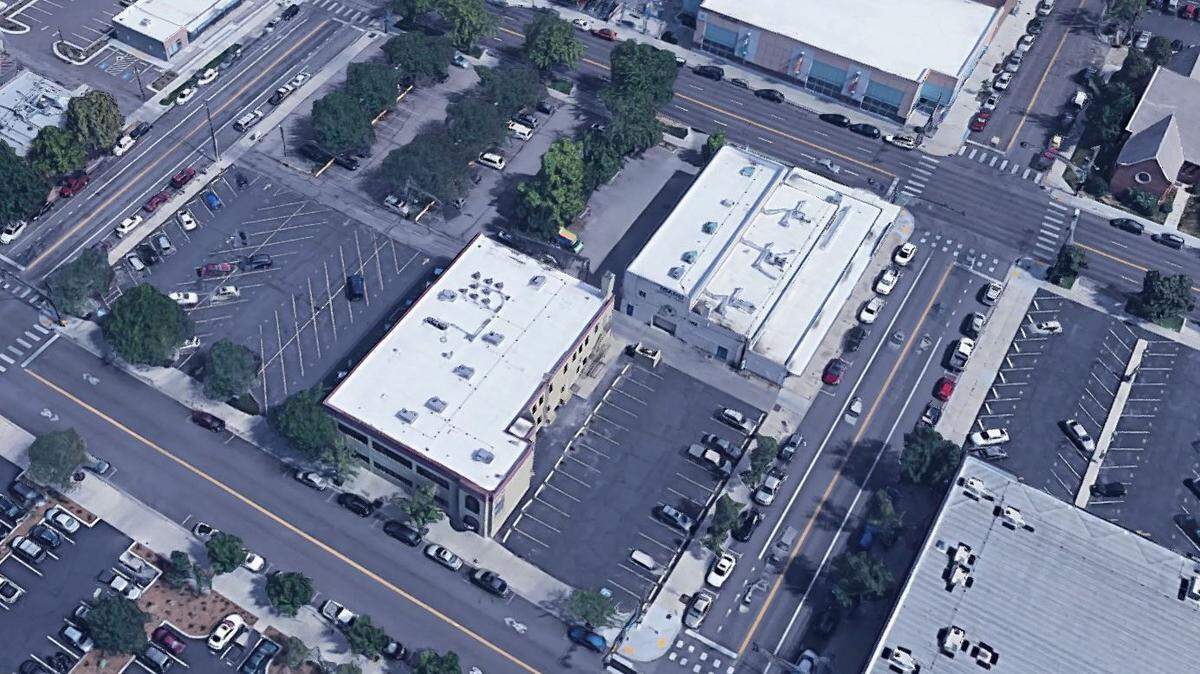
The apartments would be built in buildings up to eight stories tall on the block bordered by State, 11th, Jefferson and 10th streets. The block is across State Street from the Downtown Boise YMCA and just two blocks west of the Capitol.
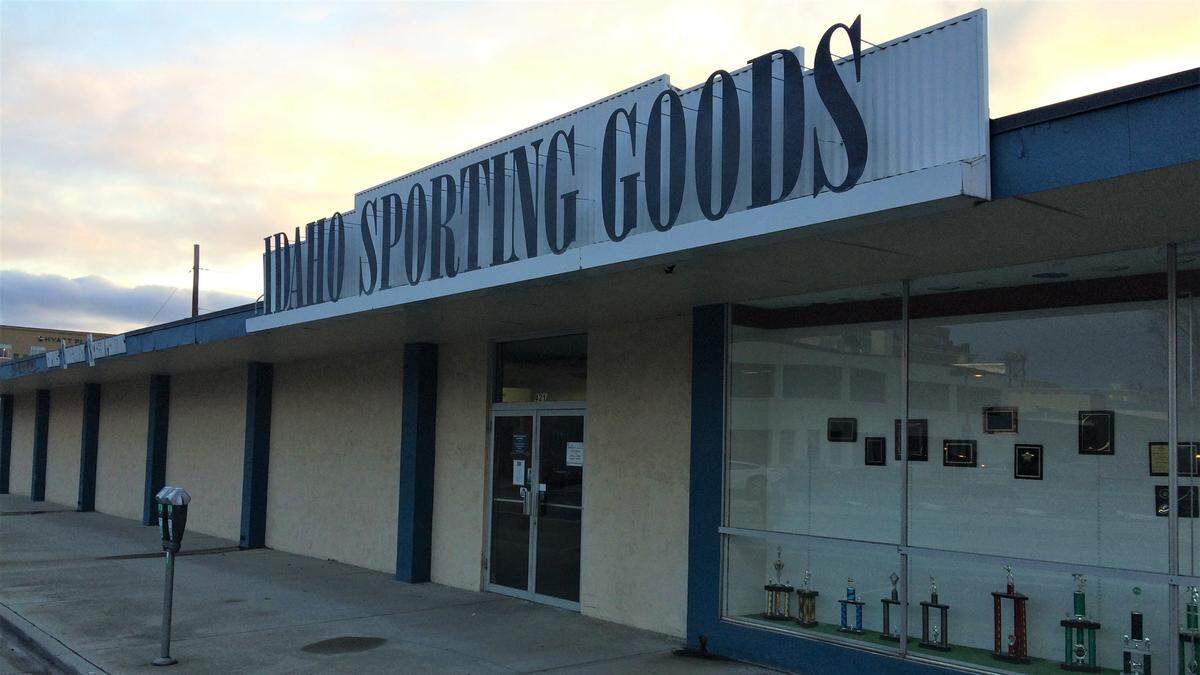
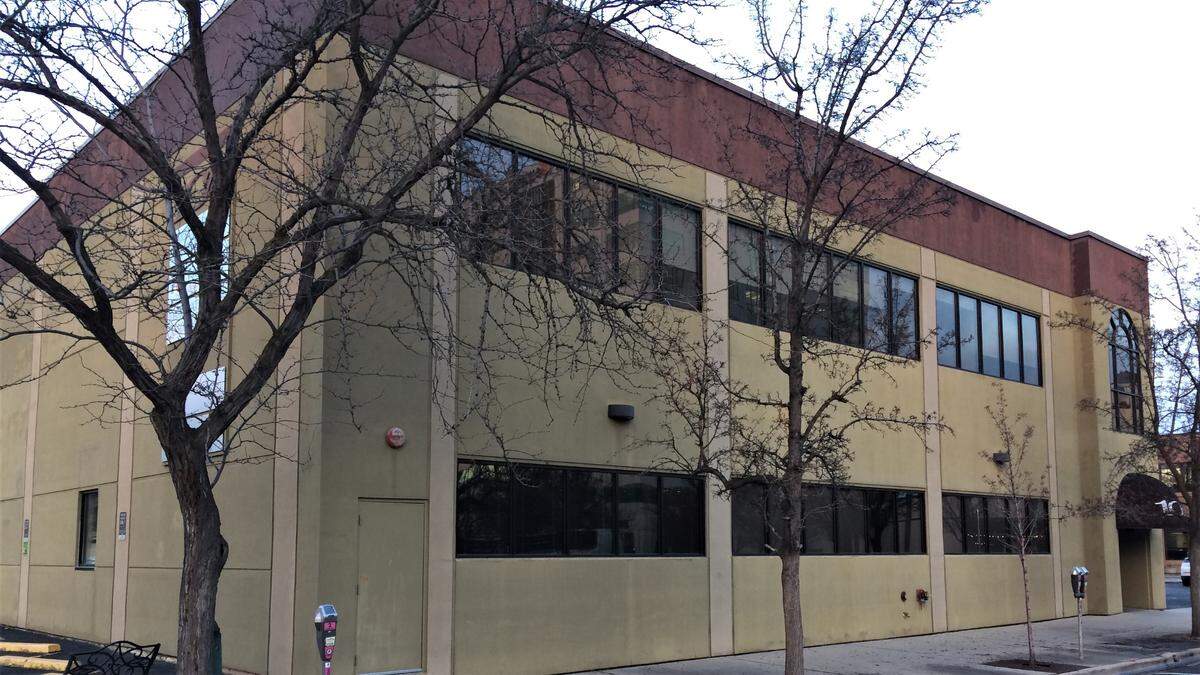
Two aging commercial buildings and some parking lots occupy the block today. One building, the former Idaho Sporting Goods store on the block’s north half, at 421 N. 10th St., would be torn down. The fate of the other, a two-story office building on the south half, at 1010 W. Jefferson St., is uncertain.
The staff of the city’s urban renewal agency, the Capital City Development Corp., presented an ambitious idea for the site on Monday to the agency’s board. It calls for at least 225 studio, one-bedroom and two-bedroom apartments on the sites of the buildings and their parking lots, which together take up more than half the block. Those are owned by the agency, which bought them with redevelopment in mind.
The apartment developer would buy those properties. If the developer bought the remaining surface parking lots on the block, and possibly other parking lots on adjoining blocks, more than 500 living units could be built, the staff believes.
“This is a really big deal,” said Dana Zuckerman, the board chair, during a virtual meeting. “It is one of the biggest projects we’ve put out there in my memory, and probably the last big thing we’re going to do in this district.”
She was referring to the Westside Urban Renewal District, 157 acres stretching roughly from 8th Street west to 16th Street, and from Grove Street north to Franklin Street. The district will expire in 2026.
The staff has dubbed the project Block 68, the block’s number on Boise’s original plat map in the 19th century.
Affordable housing has emerged as a top priority for Mayor Lauren McLean as Boise-area rents and housing prices skyrocket. Agency board members, who include McLean and former Mayor David Bieter, agree that CCDC should help build it.
The agency staff proposed that at least 65 of the apartments have prices deemed affordable to tenants who earn less than 80% of the area’s median income. The rents would be limited for 15 years.
Boise’s median household income was just more than $60,000 in 2019, according to the U.S. Census Bureau, so 80% would be a little over $48,000. Following the conventional guideline of limiting rent to 30% of a tenant’s income would mean rents up to $1,200 per month.
At least 125 apartments would have prices deemed affordable to people earning between 80% to 100% of the median income. At 30% of income, rents would be up to $1,500 per month.
The remaining 300+ apartments could be more expensive. The idea is to allow the owner to use the costlier units to make enough money to include the less-expensive apartments without losing money. With land prices and demand high, mostly luxury units have been built downtown in recent years.
“Market-rate units will be permitted in order to attract proposals that can … exceed our expectations in housing and other priorities,” said Brady Shinn, the project’s manager.
To encourage affordability, the agency staff suggested that the apartments average about 650 square feet. To offset the loss of surface parking, the development would include a parking garage, with the agency buying some of its spaces.
But affordability isn’t the only thing the agency staff and board want. With a big downtown project, they want something they could know only when they see an artist’s rendering — as some board members said, “something awesome.”
“I don’t want to see a large planned community that has six buildings that all look sort of the same,” said Zuckerman, an urban and land-use planner who is also a housing developer. “That would be unfortunate in that part of downtown, even though it would create more activity and get rid of more surface parking lots.”
Beauty could be costly. If the urban renewal board demands too many price restrictions, it may get little or no response when it issues a public request for proposals.
Zuckerman said the city might be better off if the agency eased its rent requirements and aimed them only at tenants earning 100% of area median income, sometimes abbreviated AMI, in exchange for locking in the rents for a longer period of time, such as 20 years instead of 15.
“Even 100% of AMI is not what people are building right now,” she said. “People are building a lot more expensive, luxury-type housing. I don’t know if I see this area as right for capital-A affordable housing.”
Bieter agreed. “Unless a developer or organization brings their own money, their own subsidy, I think you’re going to have a hard time getting to 100% or below that for any amount of time,” he said.
Subsidies for low- and moderate-income apartment development in Idaho typically come through limited tax-credit or other federal programs.
But the urban renewal agency can help. Under Idaho law, it can cough up money to pay for streetscape, sidewalk and alley improvements, and utility connections.
The agency’s staff is proposing to spend $10 million to entice at least $60 million in private investment on the block. CCDC raises its money from its share of property tax revenue within urban renewal districts approved by the City Council, and from revenue at the downtown parking garages it owns.
The board is negotiating now with a developer to build a project one-tenth the size of this new proposal. The smaller project is also in the Westside District, at 1715 W. Idaho St., on a stub of the district’s southwest corner that juts out past 16th Street. The developer is counting on the agency’s financial help and the right to charge market rates for some units to offset lower rents on others.
The staff hopes to meet with the Downtown Neighborhood Association soon, publish a request for proposals by late April and select a developer in November, with construction to start next year.
This story was originally published March 9, 2021 at 4:00 AM.