
A Boise developer wanted to build homes on a former community garden. What happened?
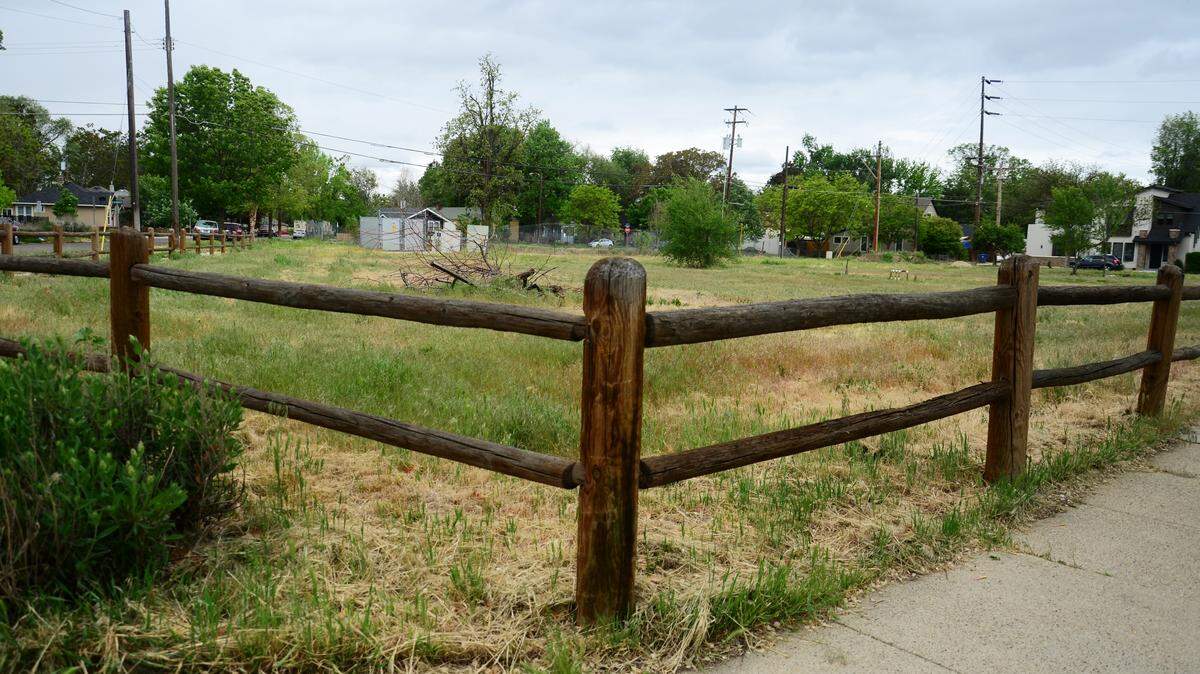
A Boise company that planned to build five homes and a fourplex on the site of a former community garden west of Downtown has withdrawn its application.
The JD Co. was scheduled to appear before the Boise Planning and Zoning Commission on Monday, May 14, to answer questions and concerns raised during a hearing on April 2. Instead, the company withdrew its application for a conditional use permit and a final plat at North 19th and Jefferson streets.
"For the JD Company to pursue approval of the single-family PUD [planned unit development] application under several, seemingly conjured, outlined and vocalized restrictions brought forth on April 2nd at the Planning and Zoning hearing, would be a detriment," co-owner Jacquie Dadam wrote in a letter to the Planning Division.
Dadam did not say whether the company would draw up a new proposal. A call to Dadam on Friday was not immediately returned.
The Salvation Army previously owned the lot where the community garden operated for two decades. It also owned an adjoining lot with a building housing its offices and a church. The building has been torn down.
The Salvation Army sold the properties to the Dadams two years ago and moved its offices to the Booth Family Care Center on North 24th Street. Those offices will move again after the Salvation Army builds its new West Campus near Emerald Street and Maple Grove Road.
The nine living units would go on the garden lot.
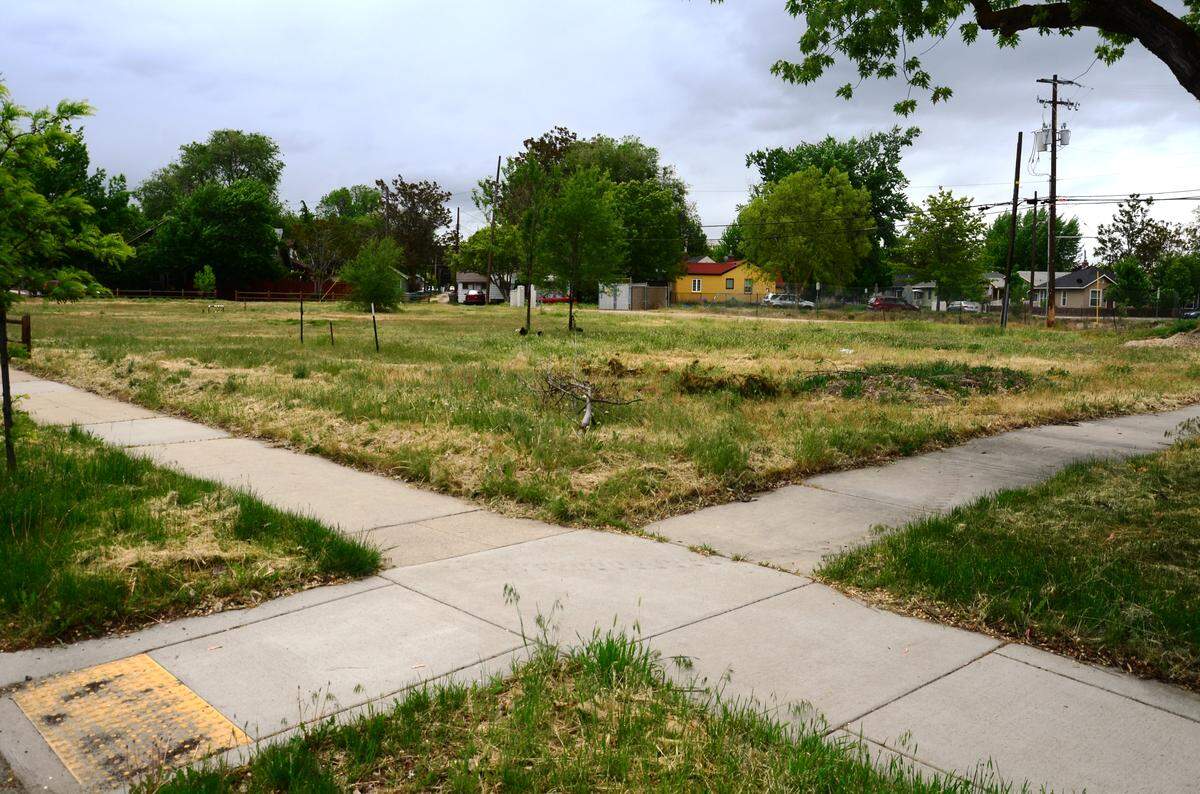
Neighbors and Planning Commission members said at the April hearing that drawings submitted by the company were inadequate to determine whether the homes would blend in with the neighborhood, most of whose homes were built between 1905 and 1952.
Commissioner Douglas Gibson, himself an architect, said the drawings gave no indication of the types of materials, colors or textures planned. Neighbors agreed.
"We're not going to know what those houses are going to look like, and that's a problem," said Kathy Stilinovich, who lives a block north of the proposed site.
"It's important that we have a better understanding as to what it is that we're approving," Commissioner Jennifer Stevens said. "I don't feel really comfortable with what it is right now."
Stevens was among several commissioners who asked for a continuance until May 14 to allow for more complete drawings to be submitted and for the applicants to answer other questions.
Ben Semple, a landscape architect who represented Dadam and her husband, Jake, said the development would use quality components such as wood and brick and no vinyl siding. He said the JD Co. had a long track record of constructing quality buildings.
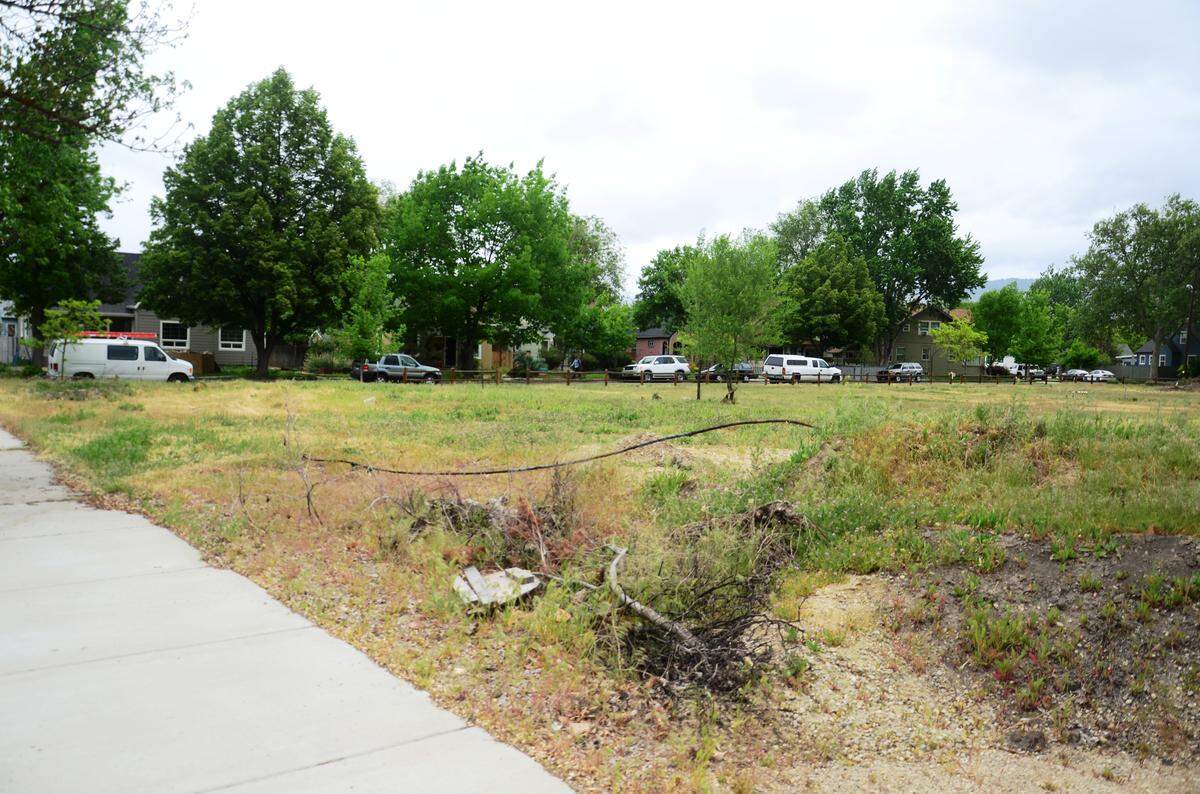
While the homes would have their own garages, the proposal called for one off-street parking space for each of the fourplex units. Neighbors said that wasn't enough.
"Our house has only one bedroom and we have three-plus vehicles, said Margie Twitchell, who lives two door west of the site. "Believe me, those units will have at least two cars."
Stevens said as long as the proposal met the city's regulations for parking spaces, the commission had no right to require a developer to add additional spaces.
None of the six commissioners present for the April hearing said they were ready to approve the project. Stevens and Commissioners Stephen Bradbury and Eileen Thornburgh praised the proposal, but said they needed additional information.
Thornburgh said the proposal seemed to pack too much housing into the space. "I'm having a hard time supporting it with this amount of density," Thornburgh said.
While city leaders including Mayor Dave Bieter support increasing housing density to guard against urban sprawl and provide more housing, some multifamily-unit projects lately have drawn neighborhood opposition.
This story was originally published May 11, 2018 at 8:23 PM with the headline "A Boise developer wanted to build homes on a former community garden. What happened?."