Boise botanist IDed a new plant in the Foothills. Wildfire likely burned much of it
The Claremont Fire in the Boise Foothills had scorched 6,800 acres of terrain by Tuesday afternoon, torching sagebrush and shrubs, wildflowers and weeds, and narrowly avoiding homes.
One thing it has almost certainly burned is a vast portion of a newly recognized plant species endemic to the Foothills, according to Barbara Ertter, a self-described “quasi-retired botanist” and research associate at Boise State University and the College of Idaho.
The plant is a species of pyrrocoma, a genus of perennial North American wildflowers also known as goldenweeds. They’re sometimes described as resembling daisies or asters.
Ertter told the Idaho Statesman in an interview that she’s working on an online catalog of flora of the Boise Front, and in the process has discovered plants that “haven’t read the book” — they’re not consistent with descriptions of existing species.
“You look into it deeper, and you realize, well, actually, I think the problem is that I can’t put it into species A or species B,” Ertter said. “It’s actually species C that doesn’t have a name yet.”
Ertter identified two new species she said had previously been considered variants of Pyrrocoma carthamoides, or large-flower goldenweed. The first, found in the Foothills around Boise, she named Pyrrocoma boiseana, or Boise goldenweed. The second, found in Valley, Gem and Washington counties, she dubbed Pyrrocoma ponderosana.
The boiseana variety is only found “from somewhere in Washington County to just past Lucky Peak Dam,” Ertter said, but its primary population is just outside Boise.
“Basically, the map of (Boise goldenweed specimens in) the Foothills is most of the population, and the fire goes right through the center of that area,” Ertter said.
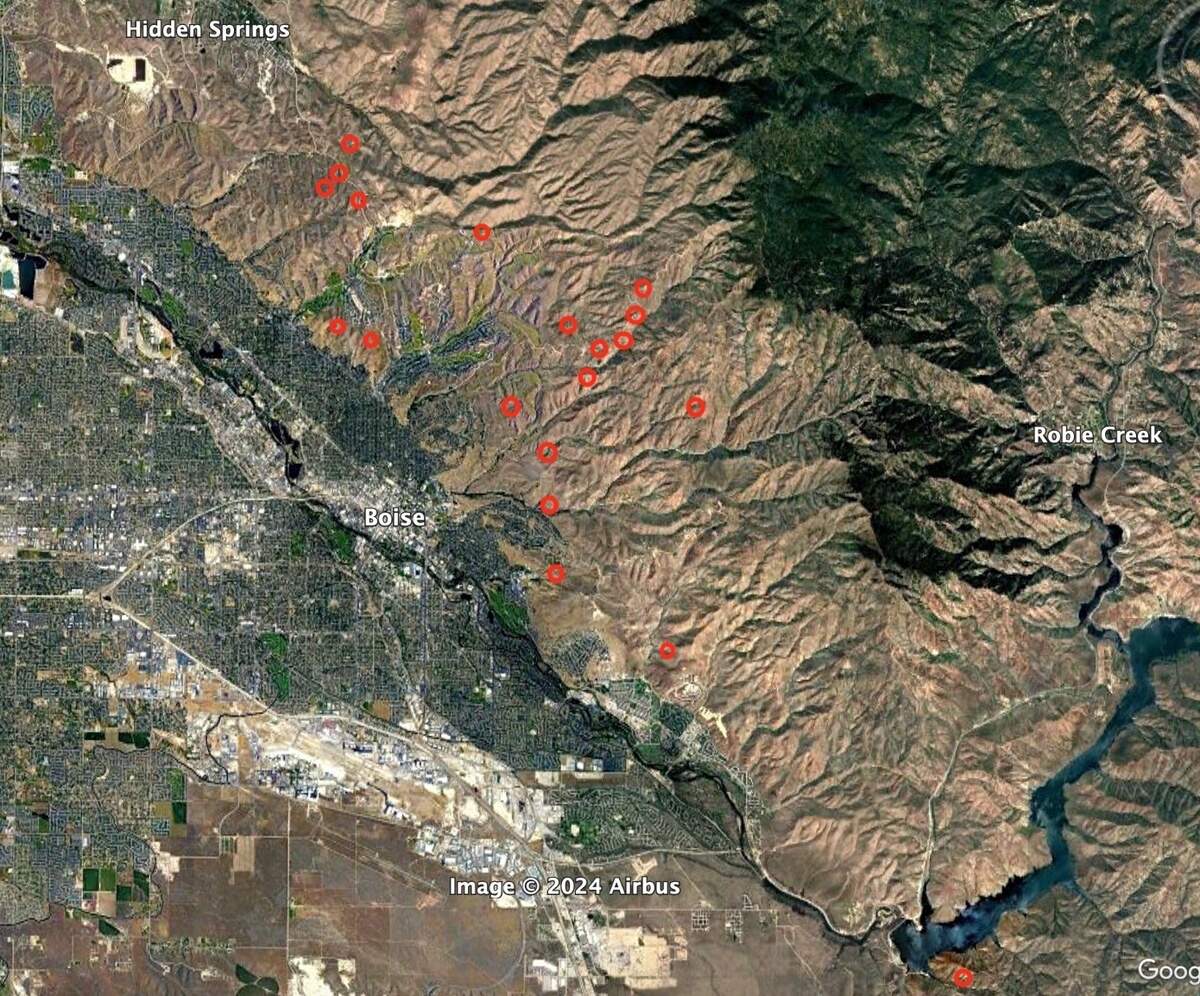
The botanist said the Claremont Fire, which officials expect won’t be contained until early August, has done serious damage to the Boise goldenweed population just months after Ertter published research on her discoveries. That’s in part because the blaze hit during the plants’ peak growth season, which will prevent surviving plants from seeding future plants.
“Extinction isn’t just the death of the last individual,” Ertter said. “It’s the whole ratcheting down decline, and so this is one ratchet down from something that’s been ratcheting down.”
Ertter noted that post-fire, surviving Boise goldenweed will face another challenge in the form of non-native plants that often thrive and outcompete native flora on burn scars. She said goldenweed’s preferred habitat is intact, high-quality native ecosystems, which are becoming more and more rare.
Even efforts to reseed native flora likely wouldn’t include goldenweed, Ertter said.
“We’re lucky if we can get some sagebrush planted,” she said.