Harmful cyanobacterial blooms continue to invade Idaho waters. See where they are here
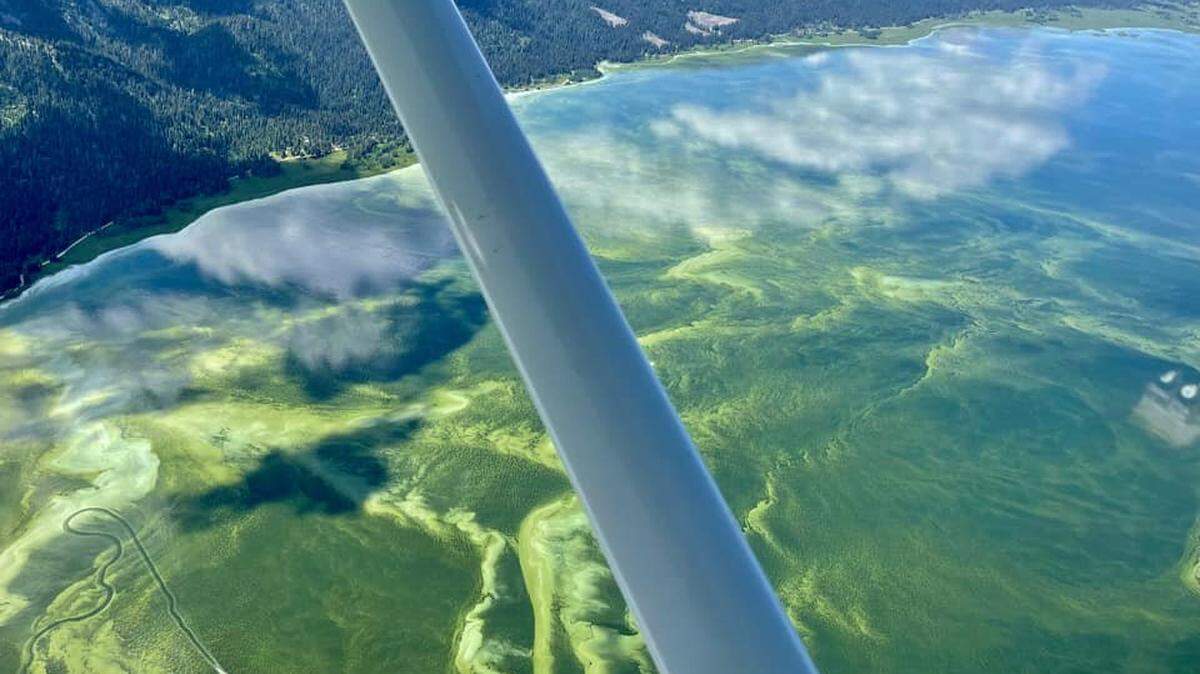
Four Idaho reservoirs and lakes have been put under a warning for harmful cyanobacteria in the past six weeks: Lake Cascade, CJ Strike Reservoir, Brownlee Reservoir and Hells Canyon Reservoir.
All four are popular swimming and fishing spots, but the Idaho Department of Health and Welfare was forced to recommend that recreationists steer clear because of the potentially dangerous algae and bacteria.
What are cyanobacteria?
Cyanobacteria, also known as cyanobacterial blooms or harmful algal blooms, are simple, plant-like organisms living in water, according to the Centers for Disease Control and Prevention.
They form when bodies of slow-moving water heat up in the summer and nutrients such as phosphorous and nitrogen are abundant in the water. These nutrients can come from fertilizers, sewage, runoff from cities or industrial areas, or even rainstorms.
Significant accumulations of cyanobacteria are called a bloom, usually seen with the naked eye as foam or scum on the water’s surface. Blooms typically take on a green, blue, red or brown color.
What makes cyanobacterial blooms dangerous?
While seemingly harmless on the surface, cyanobacterial blooms can produce toxins that are dangerous to both humans and animals. Simply coming into contact with cyanobacterial can cause skin, eye and nose irritation, but the more serious dangers come from drinking contaminated water or eating fish caught in contaminated waters.
Digesting contaminated water can lead to rashes, hives, diarrhea, vomiting, coughing and wheezing, according to previous Idaho Statesman reporting. More severe symptoms can include liver and nervous system damage.
Although humans are still in danger of cyanobacteria exposure, animals — including pets, livestock and wildlife — are often the first affected because they tend to swim and drink in infected waters more frequently.
The Idaho Department of Environmental Quality recommends that you wash your pet with fresh water and soap after they swim and seek veterinary care immediately if an animal becomes sick after contact with water. According to the CDC, animals can become ill and die within minutes to a few days after contact with contaminated water if left untreated.
How are cyanobacteria spotted?
Idaho Department of Environmental Quality staff members use data gathered from NASA and European Space Agency satellites to analyze Idaho lakes and reservoirs to determine how many cyanobacteria are in a body of water.
The department uses a color index to estimate how much cyanobacteria are in the water and whether a warning needs to be issued.

But even if a body of water does not have a warning issued, DEQ officials still warn Idahoans to be cautious if they’re unsure whether a lake or reservoir is contaminated by bloom. Satellite updates come every three to four days, according to the department, and sometimes cyanobacteria can be present without a visible indicator.
“It’s important for the public to take precautions,” Brian Reese, DEQ’s water quality standards analyst, said in a news release. “Even without a visible bloom, algal or cyanobacteria toxins can be present at low concentrations. While toxin counts might not be high enough to trigger a health advisory, they can still pose a risk to people and animals.”
DEQ has a potential bloom map on its website, which provides the latest information on Idaho’s bodies of water and if any warnings have been issued.
This story was originally published August 12, 2022 at 5:00 AM.