Health officials issue advisory for popular Idaho fishing spot. Here’s why
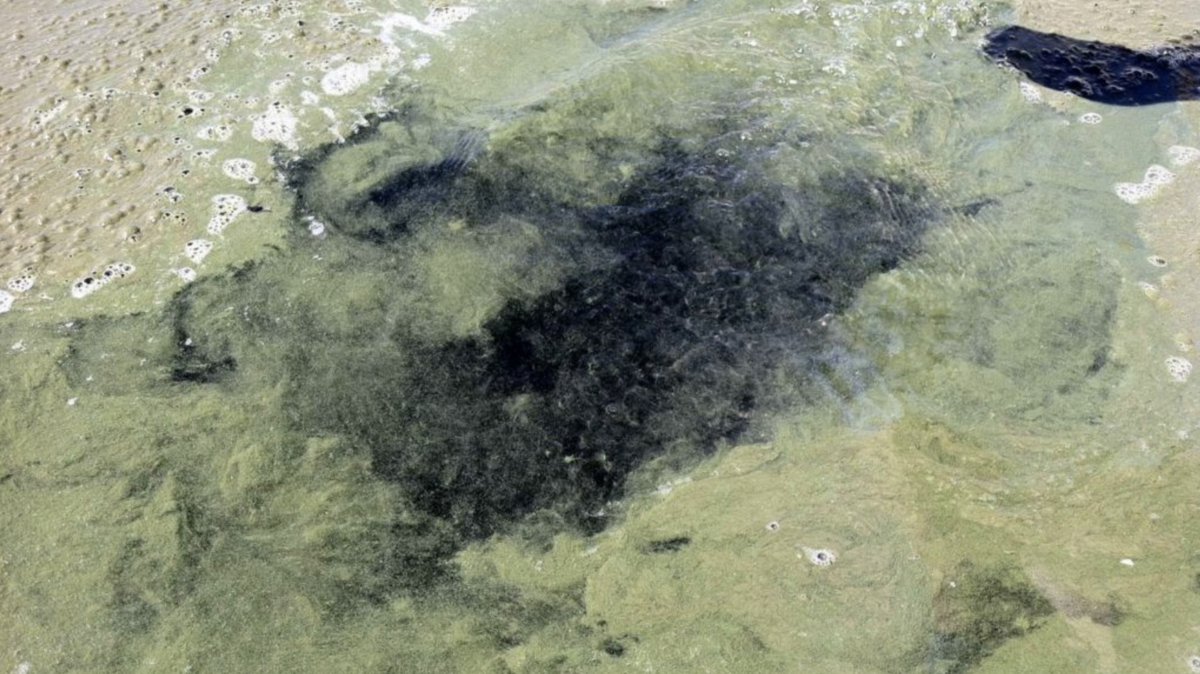
For the third time this summer, high levels of toxin-producing bacteria in water have prompted a public health advisory in Idaho, and the popular destination this time is Brownlee Reservoir along the Snake River.
A Friday news release from Southwest District Health advised people to avoid swimming and other water activities at the Hells Canyon reservoir straddling the Idaho-Oregon state line because of a harmful algal bloom of cyanobacteria that can cause sickness in humans and animals. Lake Cascade and CJ Strike Reservoir were placed under similar advisories earlier this summer.
Dani Terhaar, a water quality scientist with the Idaho Department of Environmental Quality, said three blooms in a summer is not unusually high. Cyanobacteria occur naturally, and blooms are often triggered by warm temperatures. Nutrient runoff, both natural and human-caused, can also contribute to cyanobacteria growth.
Algal blooms may have a foul order and look like mats, foam, spilled paint or surface scum, according to the release.
Southwest District Health is asking people to wash their hands after handling fish from the area and to take extra precautions if they choose to eat fish caught there. People should also wash any skin or pet fur that comes into contact with the water, and also avoid drinking or cooking with the water if they are camping in the area.
Symptoms of exposure to cyanotoxins include rashes, hives, diarrhea, vomiting, coughing and wheezing, according to the release. More serious symptoms, like liver and nervous system damage, can result from drinking affected water. Pets and children are at particularly high risk.
Seek veterinary care if a pet becomes sick after coming into contact with the water, health officials said.
This story was originally published August 5, 2022 at 4:00 PM.