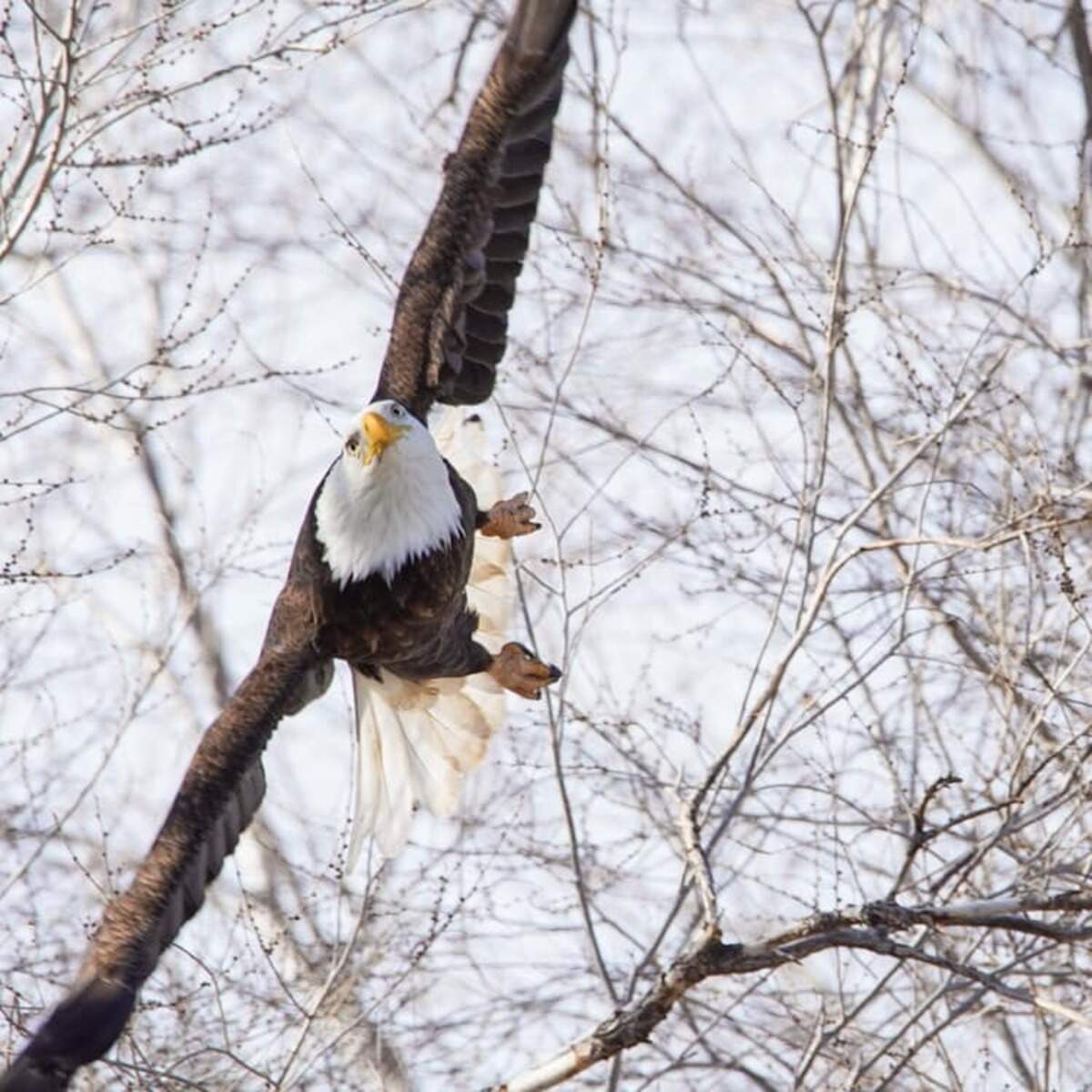
Hundreds of bald eagles flock to Idaho family’s trees each winter. So do bird watchers.
When Paul and Rosemary Azevedo bought their Wendell farm in 2001, the previous owner told them it was a good spot for viewing wildlife. He’d even see a bald eagle or two.
A few years later, some of the birds of prey started roosting in a big cottonwood tree that stands alone in one of the Azevedos’ fields, which are about 2.5 miles from the Snake River.
“In 2006 about two or three (eagles) would come. The following year, another three or four,” Rosemary Azevedo said in a phone interview. “Within a few years, there were 50 or 60.”
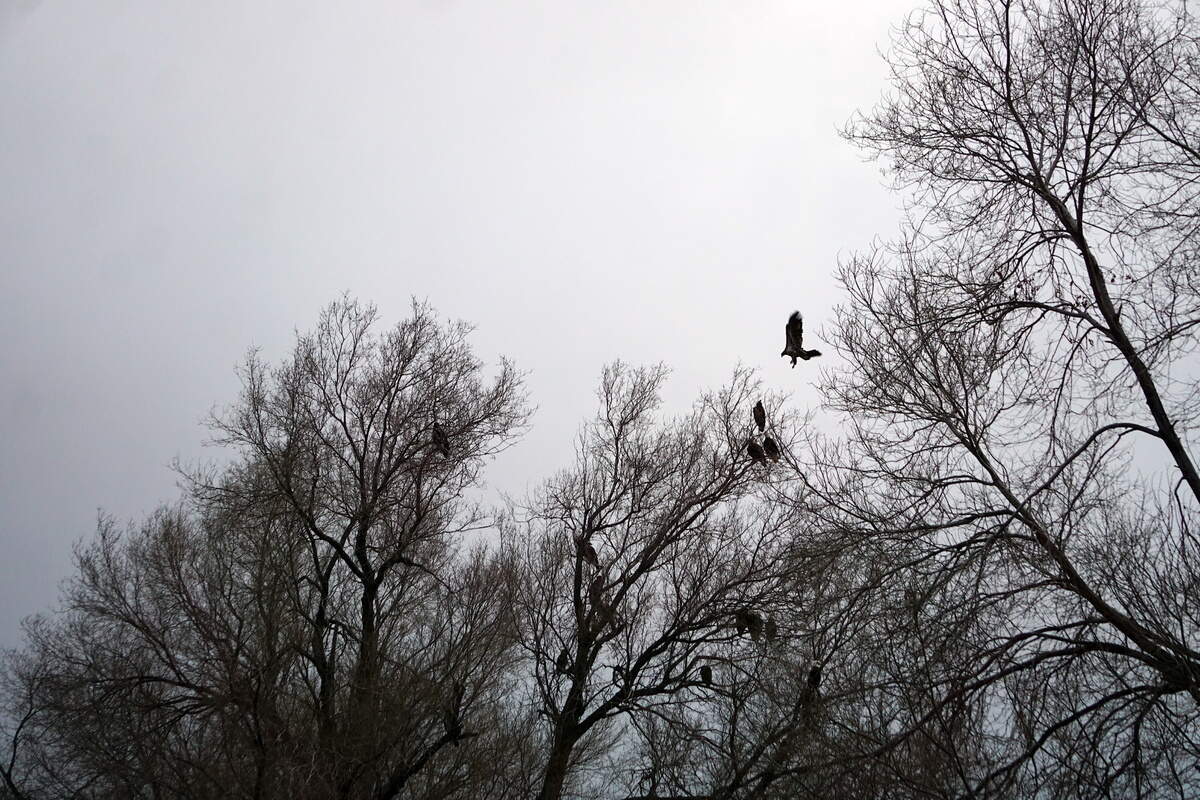
Since then, even more eagles have flocked to what the family affectionately calls the Eagles Landing. They arrive around November, and their numbers grow in harsh winters. In 2017, Paul said, he counted 250.
The Azevedos and their daughter, Felisha, who also lives on the 70-acre property with her husband, have coexisted alongside the eagles for years. They say the birds seem to recognize them and aren’t bothered by their movements around the property, which is an organic dairy farm. But in recent years the flocks of raptors have been matched by flocks of bird watchers. The family said the attention has caused the eagles to relocate to the back of the property and raised concerns about their own privacy and the safety of sightseers.
Family that owns ‘Eagle Tree’ property urges safety
Though the Azevedos haven’t publicized the tree, word has gotten out on social media and in bird-watching circles.
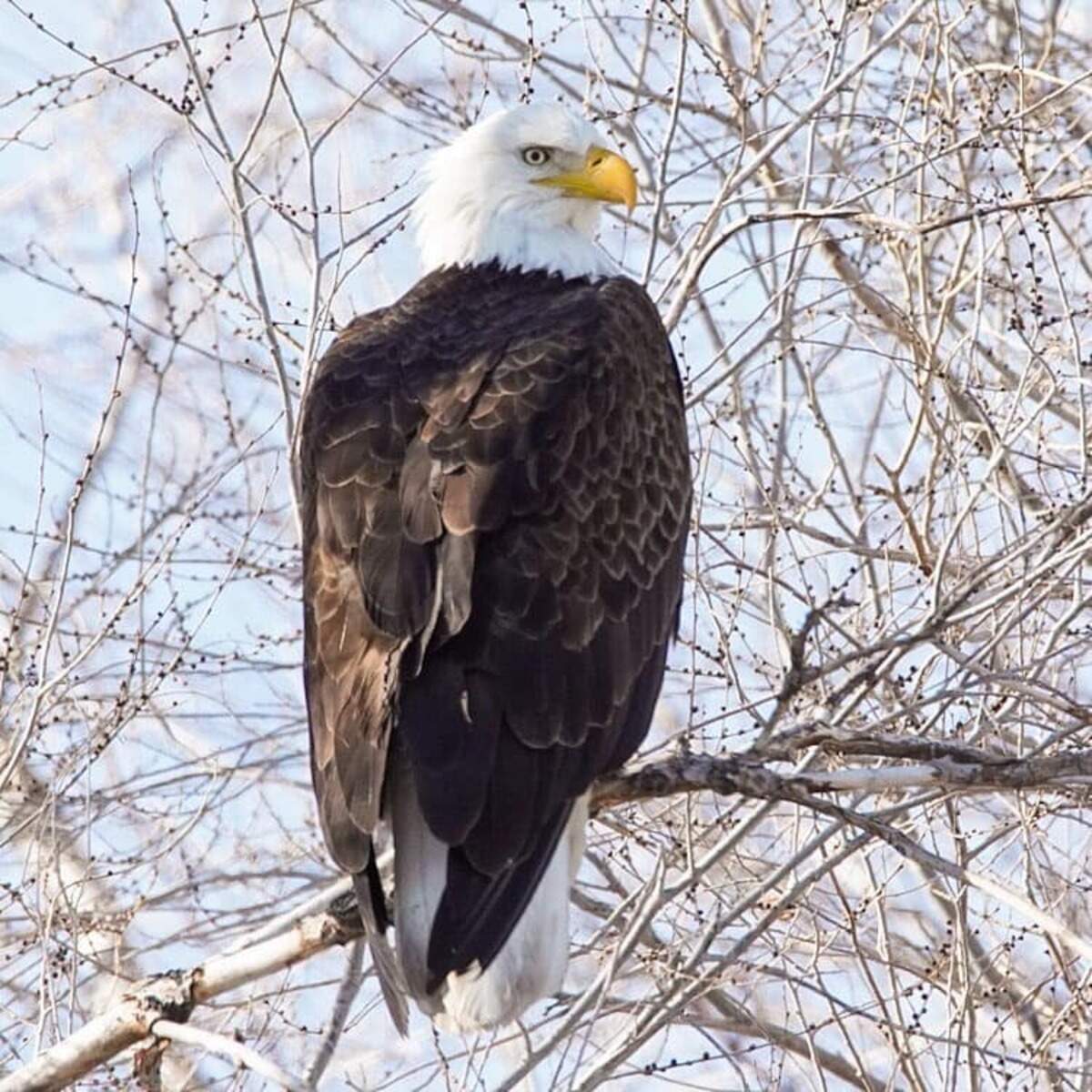
“What became famous was the ‘Eagle Tree,’ ” Paul Azevedo said. “That’s probably one of the biggest trees on the property.”
A landmark pin bearing the Eagle Tree moniker appeared on Google Maps a few years back, though the Azevedos aren’t sure who posted it. The name stuck.
Felisha Azevedo decided last month to post in Idaho birding and nature groups on Facebook to try to answer common questions about the eagles — and remind visitors to be courteous.
“I was lucky enough to have grown up around these amazing birds and thought I’d answer some questions I’ve seen here and there,” she wrote.
She said the birds seem to love windy weather, and the best times to see them are at sunrise and sunset. The eagles stay in the area longer during cold winters, usually departing in February or March. They originally roosted at the standalone Eagle Tree but now spread out around the property.
Felisha also addressed the crowds of onlookers, which on weekends can stretch down the country road outside the property as people stop to observe and take photos. (Rosemary Azevedo said she worries that people parking along the road could cause an accident.) Felisha said her family posted “no trespassing” signs on their property recently for two reasons.
“The first reason is that lots of movement and loud noises spook the eagles,” she wrote. “They feel safe enough to come here, and we would like to continue to give them somewhere safe and quiet to stay for the winters to come.
“The second reason is for the safety of the public. These are birds of prey and natural hunters. To date, the eagles have been peaceful neighbors. We want to make sure it stays that way by not putting them in a situation where they feel threatened.
“This is their home, please help us continue to give them a safe place to stay by respecting the no trespassing signs,” she added.
Still, she said, she’s glad to see others enjoying the birds she grew up around. She said they helped inspire her to pursue photography as a career. She shared many of her own photographs.
What brings eagles to Idaho property?
Like anyone else, the Azevedo family is in awe of the huge birds, whose wingspan can exceed 7 feet. They’re also just as puzzled as anyone about why the eagles started coming to their property.
Paul Azevedo said the nearby fish hatchery on the Snake River or the river itself could be a draw as a food source for the birds. In 2019, Idaho Fish and Game wildlife biologist Ross Winton told the Statesman he had a similar hypothesis. Winton said the hatchery and dairies in the area were running a “mortality pit” for animal waste and dead fish, which would be a great food source for bald eagles, which frequently scavenge for food.
As to why they continue to come back each year, that’s typical bald eagle behavior, according to avian experts. The birds have an average lifespan of 20 years, so the same individuals are likely returning to Eagles Landing each winter.
The Azevedos said they hope the birds won’t be spooked into changing their routine.
“The more these eagles would see traffic and movement, I think the less they would come on to the property,” Paul said. “They’ve gotten used to nobody bothering them.”
In recent years, the original Eagle Tree has lost many of its branches to inclement weather. That could be another reason the birds are heading to trees on the back of the property, many of which are also dead cottonwoods.
“As long as they keep coming, we’ll keep the trees standing,” Felisha said.