
The pause button: What cancer taught me about time, love and presence | Opinion
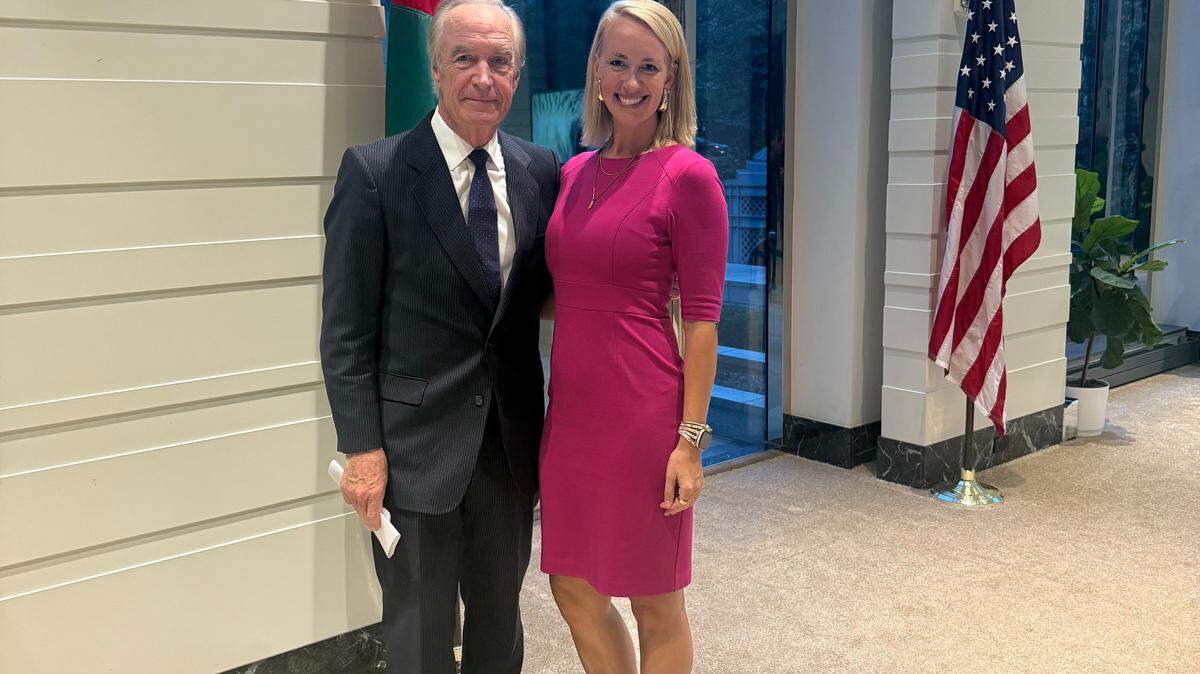
In March, my dad, 73 years young, was diagnosed with gallbladder cancer.
We’d been down the cancer road before — last year, with prostate cancer. It felt scary, yes, but manageable. He had gotten into a prostate clinical trial, and we started to settle into the rhythm of appointments, treatments and hope. The trial was around a new high-energy ultrasound laser treatment called prostate cancer ablation. An ablation procedure uses heat and lasers to treat the cancer. The ablation was successful. We thought maybe we could put this bout with cancer behind us and continue with our lives.
However, this spring, the pain began. A trip to the ER. An x-ray that showed — something. First, they thought colon cancer, then gallbladder, and then came the word that no one ever wants to hear: metastasized. The cancer had started in the gallbladder and had spread to his liver and colon — Stage 4.
My dad started chemo in April at St. Luke’s in Boise. Six-hour infusions every week. And yet, he amazes us — still going to board meetings, still working out, still showing up with humor and strength. He’s lost some weight, but not his hair, not his energy, not his faith. He’s fighting with everything he has.
That perseverance is who he’s always been. My dad’s life has been defined by service and impact — whether as mayor of Boise, U.S. senator for Idaho, governor of the state or secretary of the Interior. Today, he continues that work as a board member for FMC and the Peregrine Fund, helping protect raptors around the world. These titles matter less than the heart behind them: He has spent his life leading with integrity, building community and making a difference. And even now, in the thick of chemo, he shows up with that same commitment — to his work, his family and the people who look to him for guidance.
And we, as a family, have pressed pause. My mom, Patricia, has been by his side every day — tracking medications, taking notes during appointments and adjusting meals to fit the bland diet he now follows. My brother and his family, also in Idaho, are close at hand, and my dad is never far from the love of his seven grandchildren — four in Boise, and my three boys here in Arlington, Virginia, with my husband and me.
Life now comes in one- to two-month increments, with plans held loosely in place. We hold our breath. We are living in the space of “not knowing.”
But here’s what I do know: The pause has changed me.
I’ve started to notice the little things — the everyday rituals I used to rush past. Picking him up at the airport when he flies back to D.C. from Idaho for a board meeting. Sitting around our dinner table, listening to him laugh with my boys. Driving together to the car wash — Boise has an abundance of them, unlike northern Virginia, and my dad loves a clean car.
And on the other side of the country, a glass of wine on his patio at dusk in Boise, breathing in the mountain air. Moments so ordinary they could be overlooked, yet now they feel like treasures. Whether it’s here in Arlington or there in Idaho, I look at him and watch him breathe, smile and walk. I soak in his presence and energy, knowing that nothing — no matter how strong or sacred — lasts forever.
When I asked him what he had learned so far during this journey, he said it was that so many people loved him. Friends and neighbors are reaching out. Grown men telling him they love him, that he mattered as a mentor, a colleague, a friend. And I wonder — why does it take illness to nudge us into saying the things we’ve always meant to say?
Some of the best conversations I’ve ever had with my dad have been in these last nine months. He has asked me about being a mom, about watching my boys shoot up taller than me, about SAT prep and college visits that somehow snuck up on us. We’ve laughed over old memories with his mom and her amazing ginger snaps and summers in California. We have cried about how hard it is to watch your kids grow up and no longer want to cuddle or be held. My dad and I share a secret language that only we understand. We can find each other from across the room, give a look and break out into huge smiles.
Back when he was in office, I invented a character named Millicent — my very stern, no-nonsense “secretary.” Millicent had zero patience, not even for a senator or governor, and certainly not for his jam-packed calendar. I’d call him, drop my voice a few octaves, and in my best clipped tone announce, “This is Millicent, and your daughter has been trying to reach you. Kindly stop acting so important and return her call.” It always made him laugh — and, truthfully, it usually worked.
He gets me, and I get him. I’m his only daughter, and the thought of life without him is unbearable. I know I’ll have other mentors and father figures, but he is my anchor, my compass, my constant — the one I instinctively look to when I need direction.
My dad is the best speaker I have ever heard in my life. He can command a room of dignitaries, CEOs or elected officials, then turn around and talk to a brigade of soldiers heading off to war, offering strength with just his presence. He can make the little old lady at the checkout line blush or coax the butcher behind the counter into proudly showing off the latest picture of his granddaughter. My dad doesn’t see status or titles as barriers. He sees people — and more importantly, he sees the best in people. That’s why he’s always been my guide: He doesn’t just tell me how to live, he shows me — through kindness, humor, courage and an unshakable faith in others.
And then, of course, there’s the other side of him — the dad who once put on a Halloween mask and banged on the back windows during a sleepover, scaring me and all of my friends until we screamed ourselves silly. That’s the man who has taught me that life is both serious and playful, full of duty and joy. And that’s why he will always be my rock.
My dad is strong. He’s a man of faith. He will fight. And until we know the ending, we’ll rest in this sacred stillness, learning that even pauses can be a kind of living.
Through all of this, I have learned to embrace my mobility, my health and my life. Cancer doesn’t care how old you are or how strong you feel — it can come for anyone. Don’t wait for pain or discomfort to prompt you to see the doctor; schedule your annual screenings now. And just as importantly, don’t wait for illness to remind you what’s in your heart. What’s on your mind. Say the words. Reach out. Love boldly and without hesitation.
There will be moments when life asks us to pause. To breathe, to watch, to simply be. But a pause isn’t an ending — it’s an opening to notice what matters before life carries us forward again.
Heather Kempthorne Myklegard is the daughter of Dirk Kempthorne, who served as mayor of Boise, a U.S. senator, Idaho governor and secretary of the Interior.