
If the city continues rewriting the zoning code, say goodbye to the Boise you know | Opinion
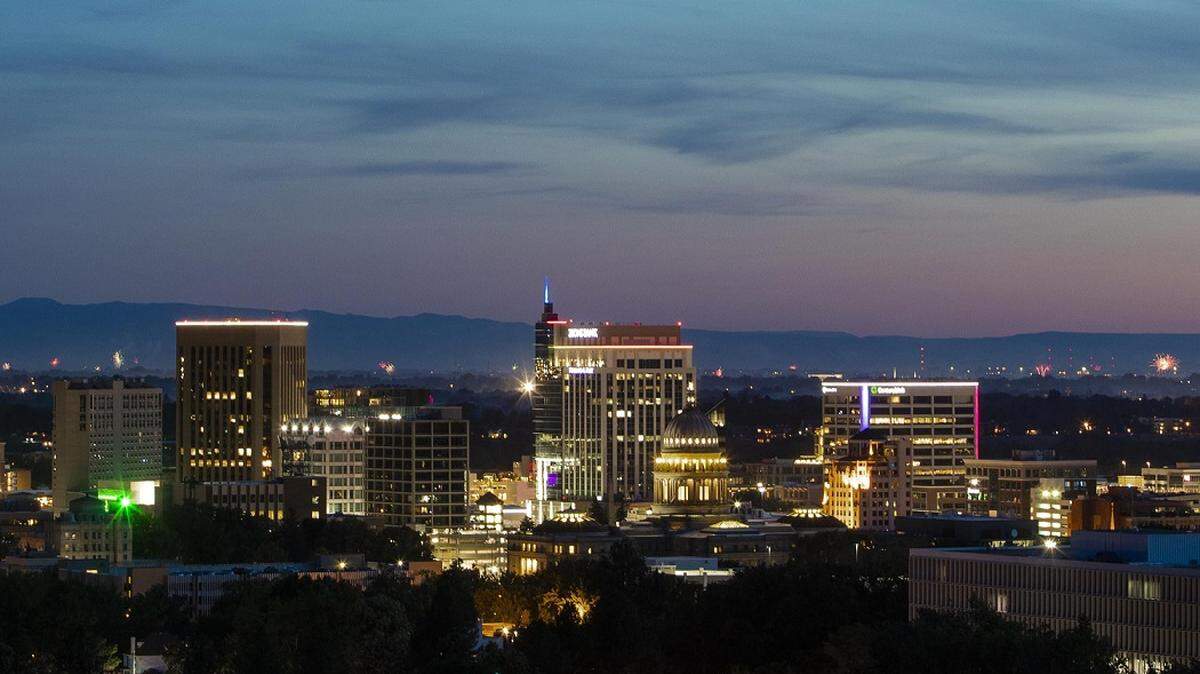
In the next 10 years, if Boise radically overhauls its zoning, Boiseans will no longer recognize their city.
City staff are rewriting Boise’s Zoning Code, saying that it has grown outdated since its adoption in the mid-1960s. What the rewrite will really do is streamline building many more units and expand the uses allowed in our existing neighborhoods. Known as “upzoning,” this process transforms neighborhoods into higher-density profit machines to benefit developers and increase city tax revenue.
What exactly is upzoning? It changes zoning rules to allow smaller lots, more dwelling units per acre and taller structures in our neighborhoods. In Boise’s most plentiful residential zone — R-1C — minimum lot size would decrease from 5,000 square feet to 3,500 and reduce lot width from 50 feet to 25. This encourages splitting lots, demolishing existing homes, and replacing them with 40-foot tall structures without any neighbor notification or public hearing.
Neighborhoods within approximately two blocks of Fairview, State and Vista now zoned R-1C (eight dwelling units per acre) would be rezoned to R-2 with a new height limit of 45 feet and no limit on density.
Upzoning Boise will:
- Remove affordable housing. The code promotes redeveloping affordable neighborhoods like the Bench, Veterans Park, West End and Vista. Existing affordable housing will be demolished, with developers required to build few — if any — truly low-income units in return for higher density.
- Shut out your input. By making higher density housing and more uses allowed “by-right,” the code eliminates neighbors’ voices from the proceedings by removing today’s public hearing process.
- Allow incompatible uses next to homes. Uses like multifamily developments, retail sales and cafes (including alcohol sales), and bed and breakfasts hosting 12 or more guests will be allowed in residential neighborhoods.
- Make it harder to buy a home. When higher density is allowed, increased interest from investors and developers drives up property values, making it harder for you to become a homeowner.
- Increase your property taxes. Evidence shows upzoning increases property values, property taxes and rents. Schools, fire, police, and infrastructure become overburdened by the increased demand from higher density. In the end, we all wind up paying to subsidize this growth through bond initiatives.
You probably have no idea that this process is happening and what it will do to your neighborhood. That’s because the city has failed to engage large numbers of Boiseans in the code rewrite process. From the beginning, the city’s rewrite consultant Clarion Associates reported a deep lack of trust between residents and City Hall. This process only worsens that distrust.
Growth is massively changing Boise’s landscape under today’s code. Where is the evidence from our elected officials that we need this upzone to accommodate what is already happening? Why not explore approaches like directing growth to corridors and underused shopping centers instead of strip mining our treasured Boise neighborhoods?
Few local laws affect our lives and homes as much as zoning. Mayor McLean and the City Council must involve far more citizens to claim public support. Any final decision on the code should wait until we elect new council members by geographic district this November and a new Council has been seated in January.
I urge Boiseans to inform yourselves about the drastic changes the code will bring to our neighborhoods at the city of Boise’s Planning and Development Services page under “Zoning Code Rewrite.” Speak up now or one day soon we will find the unique place we love changed beyond recognition and likely less livable, too.