
Idaho’s liquor licensing system is an archaic, wasteful scheme. Let the people drink | Opinion
Idaho’s liquor license system has been broken for — well, basically forever.
Idaho was founded in 1890 during the height of the temperance movement, and enshrined in the Idaho Constitution are the words: “The legislature should further all wise and well directed efforts for the promotion of temperance and morality.”
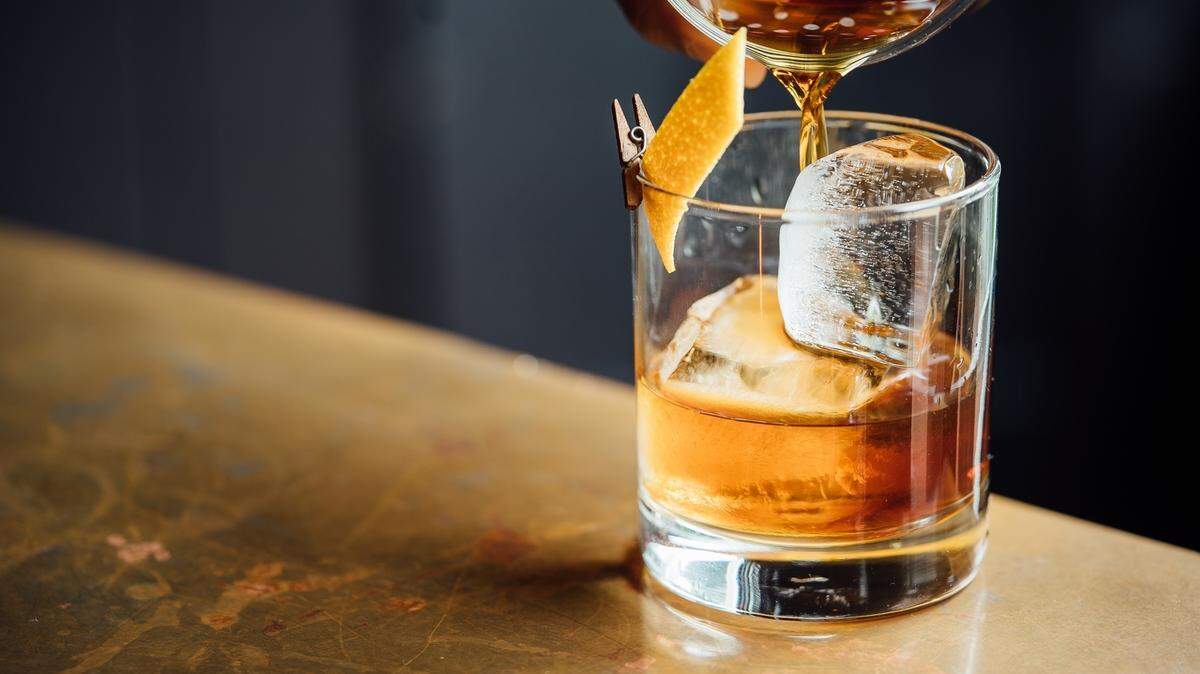
One particularly foolish way Idaho has long tried to pursue this goal is by strictly limiting the supply of liquor licenses. And that’s why in a lot of Idaho restaurants you can get a beer or wine, but not a cocktail.
This broken way of regulating hard liquor has written itself into the state’s geography.
In the 1940s, the city of Island Park was incorporated — about 30 miles long and in many places only 500 feet wide. Why incorporate a city with fewer than 200 people composed of all the lots bordering the highway? So bars and restaurants lining the road to Yellowstone National Park’s western entrance could serve liquor.
Licenses are issued through a population-based quota system. Each incorporated city gets two liquor licenses, plus one for every 1,500 residents.
That’s far below demand, which is why one license recently sold on the secondary market for around $350,000, as was reported at a Monday hearing of the Senate State Affairs Committee.
New licenses are issued for around 0.1% of that price, so some people turn them into retirement plans. Get in line on the waiting list in a growing city for a few hundred dollars, and many years later you might get a license worth hundreds of thousands.
A bill the committee recommended would do away with that secondary market. Existing license holders would be entitled to sell their license once, but the purchaser could not sell it again. New licenses could not be sold. If a bar closed down, there would be a new opening in the city’s quota, and a license would be issued through the normal system. The secondary market would evaporate over time.
It’s a step forward. The bill’s fiscal note implies that in an average year, about $5 million is spent in the secondary market. Eliminating that market would be good in that it would mean that people can no longer buy their way into an artificially constrained market. But it does nothing to free that market.
Opposition to the bill, understandably, came from incumbent license holders. Many had to shell out a lot of money to get a place in a state-created and state-enforced oligopoly. And now that they have it, they are significantly shielded from competition. And the bill would wipe out their license as an investment.
But licenses should not be an investment.
A government licensing system should be operated to make sure people have the necessary qualifications to pursue a line of work. You want doctors to have actual medical expertise for example, before they’re allowed to hang a shingle and start treating patients.
But the only thing Idaho’s liquor system does is create scarcity.
Limiting licenses does nothing to curb alcohol consumption, just the number of establishments at which it is consumed. There’s no public health difference between one bar serving 50 people and two bars serving 25 people each. The only difference is who gets paid.
A useful proposal was floated by Driggs Mayor August Christensen during the hearing: issue additional restaurant liquor licenses that allow cocktails to be served along with food. These licenses could coexist alongside existing liquor licenses, that allow liquor in either a bar or restaurant. That would be a major step toward better competition in the liquor market.
Let’s hope lawmakers take up an idea like that someday. Because if you’re going to order dinner, why should it matter to the government if you have wine or a martini on the side?