
In a time of crisis like coronavirus, turn to historians for some perspective
As the COVID-19 pandemic continues to shift, so has our understanding of essential services.
Grocers have risen to the top of the list of critical personnel. They have joined the ranks of doctors and nurses. But I would add historian to the list, too—maybe not at the top, but somewhere in the middle.
Historians cannot predict the future, but we do a great job interpreting the past. And right now, we can calm public fears and explain how the world has historically rebounded from global health crises like the one we are experiencing today.

If you are struggling to find a historian, here is where I would look. JSTOR Daily, an online platform where “news meets its scholarly match,” brings together historians to comment on current events. Recently, contributors have written short articles that explain the COVID-19 pandemic through the lens of history.
For example, there is an article that examines the linguistic evolution and use of the words “pandemic,” “epidemic,” and “outbreak.” Or dive into a curated list of information on the history of quarantine. Or, consider an article that explores why Philadelphia experienced one of the highest rates of spread of the 1918 Spanish Flu, which provides historical understanding to why we are all practicing social distancing today.
If you prefer a historian who is closer to home, look no further than the Idaho State Historical Society. The historians on staff are experts on all facets of Idaho history and we are actively culling our resources to deliver a meaningful “Idaho History at Home” experience. But in the meantime, let’s explore how Idaho has historically responded to public health emergencies.
Many of Idaho’s state hospitals first opened during the 1880s and 1890s. In 1907, the Idaho Legislature created the State Board of Health, which established protocol for appropriate periods of quarantine for infectious diseases. This work served as the foundation upon which Idaho continued to expand its public health services into the 20th century.
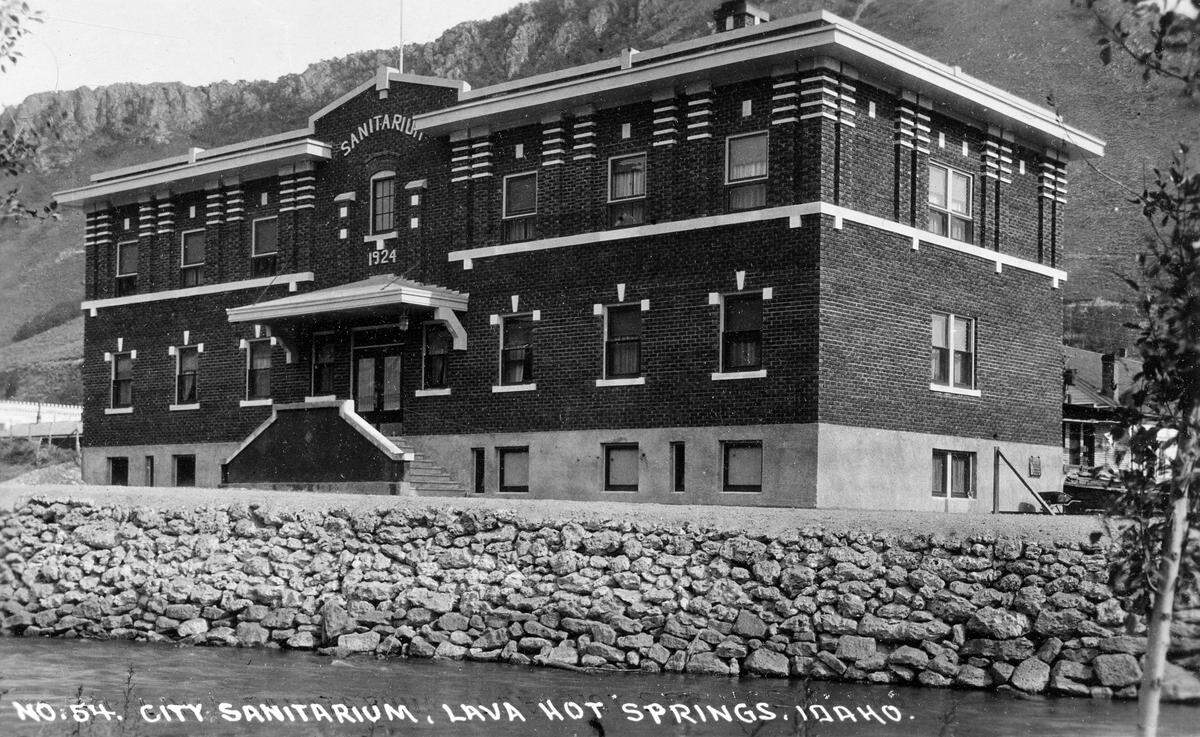
But disease in Idaho has obviously changed since 1907. For example, tuberculosis first appeared in Idaho in the late 1930s and doctors found the disease difficult to monitor due to poor reporting. Gradually, new cases increased until 1953, when they began to drop. During this period, the disease experienced greater spread in Idaho’s more populous counties, and in response, the state created the Idaho State Tuberculosis Hospital in Gooding along with tuberculosis wards in other state institutions. As public health officials learned more about the disease and its spread, they were able to decrease the number of new cases and eventually close those special facilities.
Scientists today have learned from the tuberculosis crisis and other crises that came both before and after. This is how public health officials can continually adjust their responses to new emergencies. But scientists aren’t the only professionals to improve their methods based on what did or did not work previously.
Historians, too, learn from the past. We gather and analyze facts and craft historical narratives that are steeped in authenticity and trust. This is how we create the context to better understand what is happening now. And this process is why our profession is so vital in times of crisis. In many ways, the COVID-19 pandemic is unlike anything we’ve seen in our lifetimes, but hopefully, with the knowledge of how the State of Idaho addressed health crises historically, we are better prepared to think critically about and respond appropriately to the suggestions of our public health officials today.